Tradition
Shinto
This tradition works best when pages treat shrine, mountain, sea, and threshold as one continuous sacred environment instead of separate attractions.
Quick explainer
How to use this tradition lens
This short explainer tells users what the tradition foregrounds, how it feels on the ground, and when that lens is most useful.
Core concepts
This page teaches the lens, then points to the places.
Shinto places are often inseparable from their settings. Itsukushima Shrine and Fujisan both show how a gate, a shoreline, a summit route, and the surrounding natural world can all belong to the sacred experience at once.
That makes this tradition especially important for sacred travel writing: approach, atmosphere, and ritual relationship to landscape matter just as much as the central building or viewpoint.
Places
Major places connected to Shinto
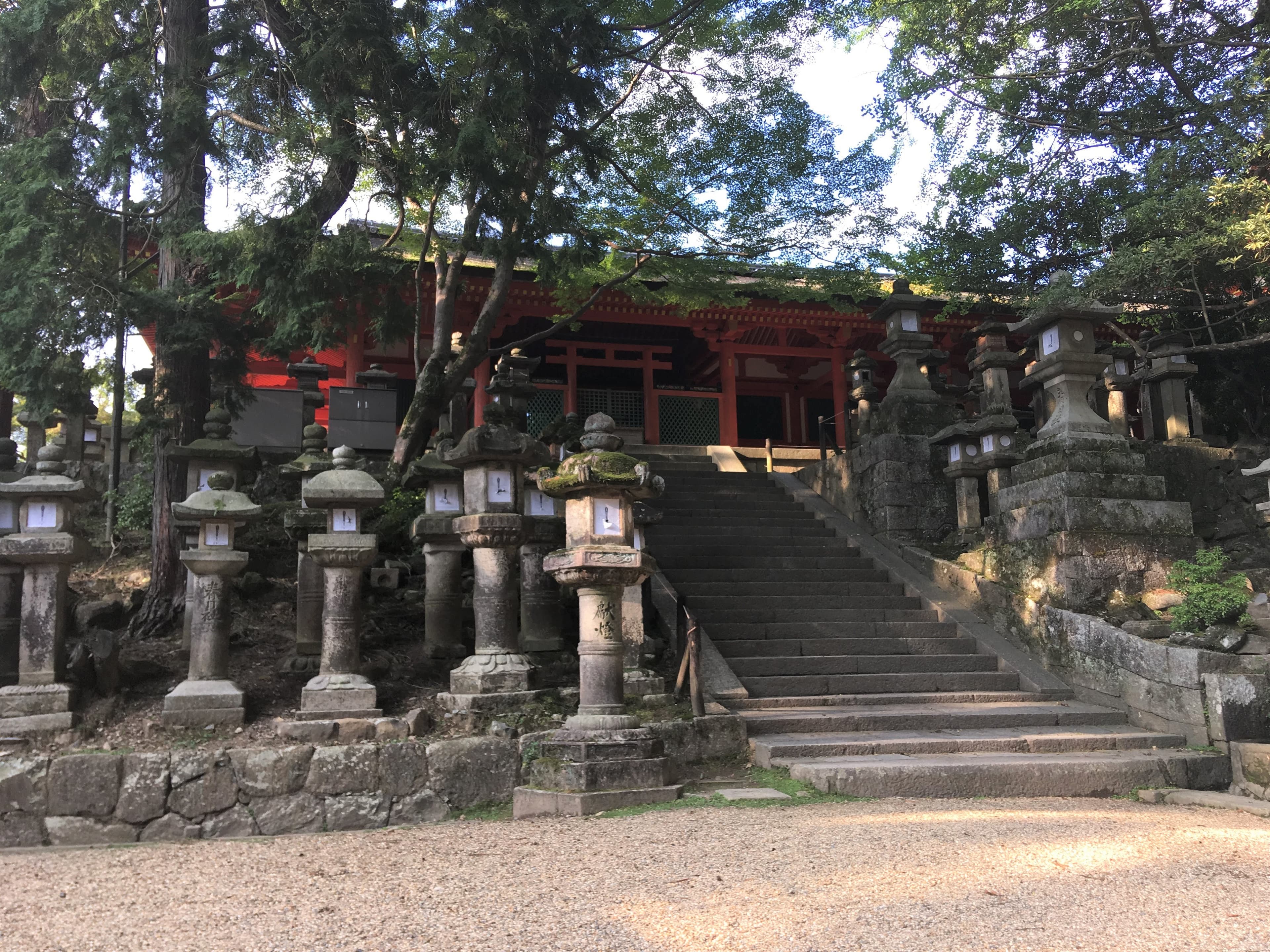
Enomoto Shrine, Kasuga-taisha
A subsidiary shrine that keeps Kasuga-taisha's sacred landscape wider than its main sanctuary alone.
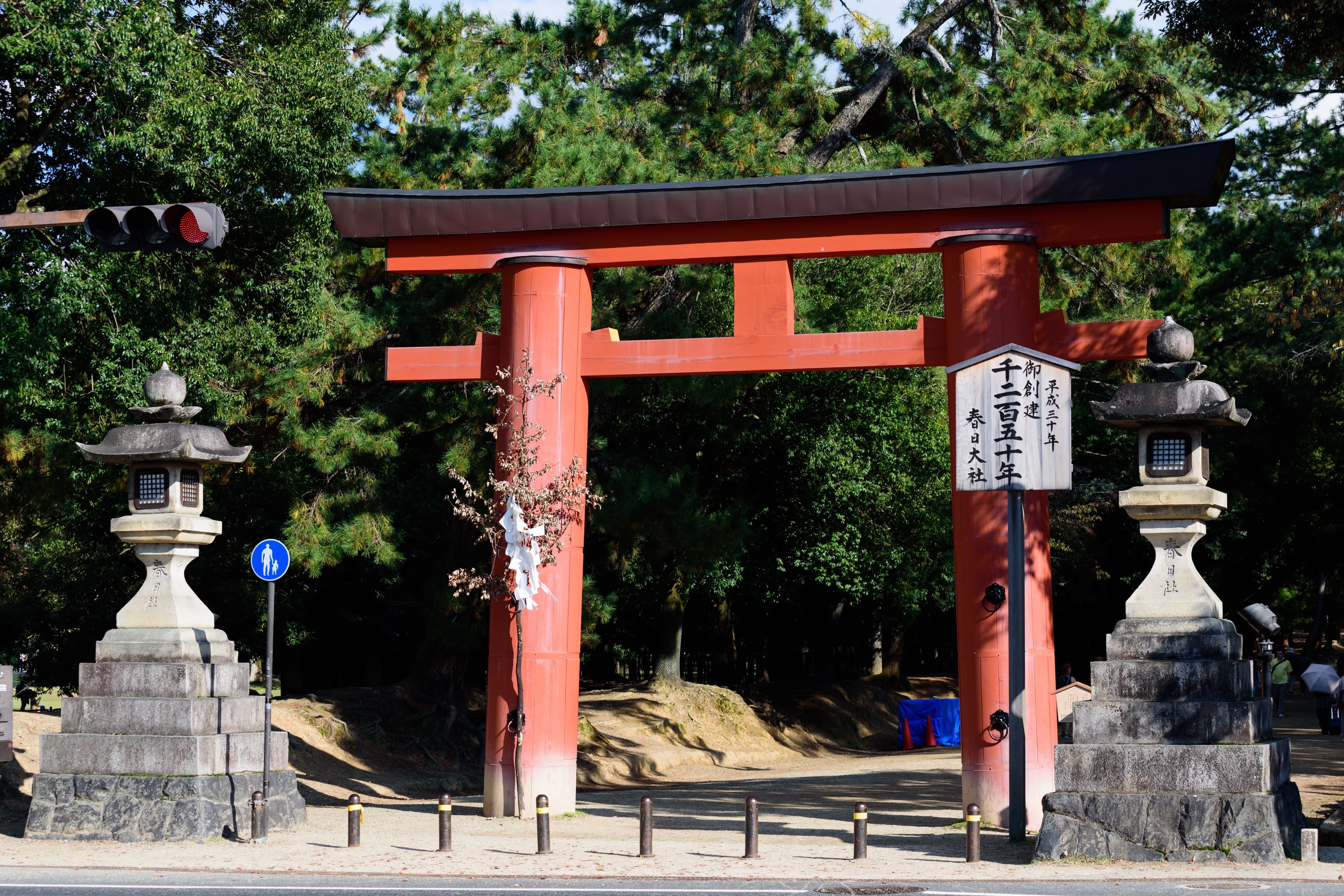
First Torii of Kasuga-taisha
An outer torii that still begins the sacred transition long before the sanctuary halls come into view.
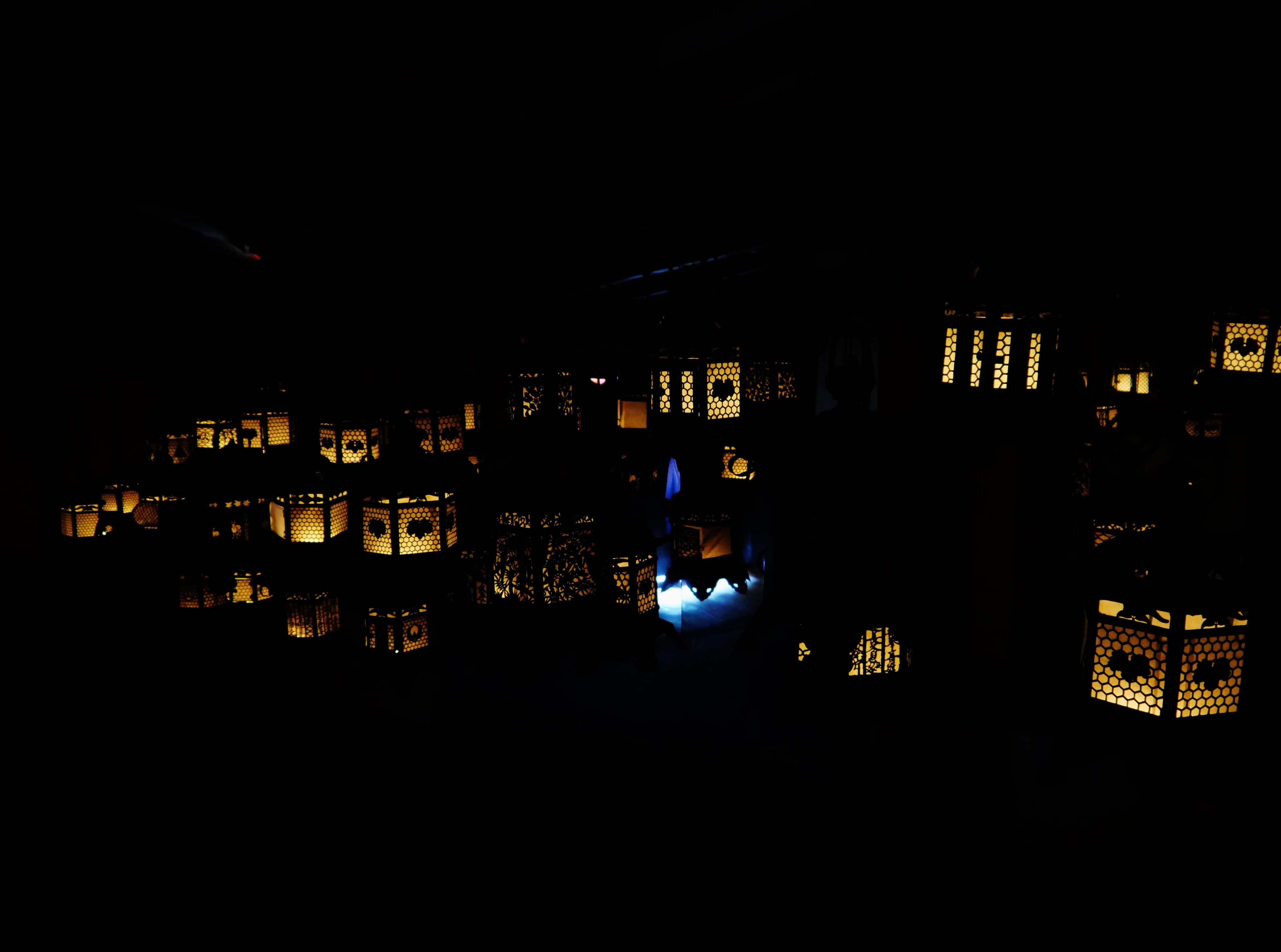
Fujinami-no-ya Hall, Kasuga-taisha
A lantern hall where Kasuga-taisha turns bronze light into one of its strongest inner-precinct devotional experiences.
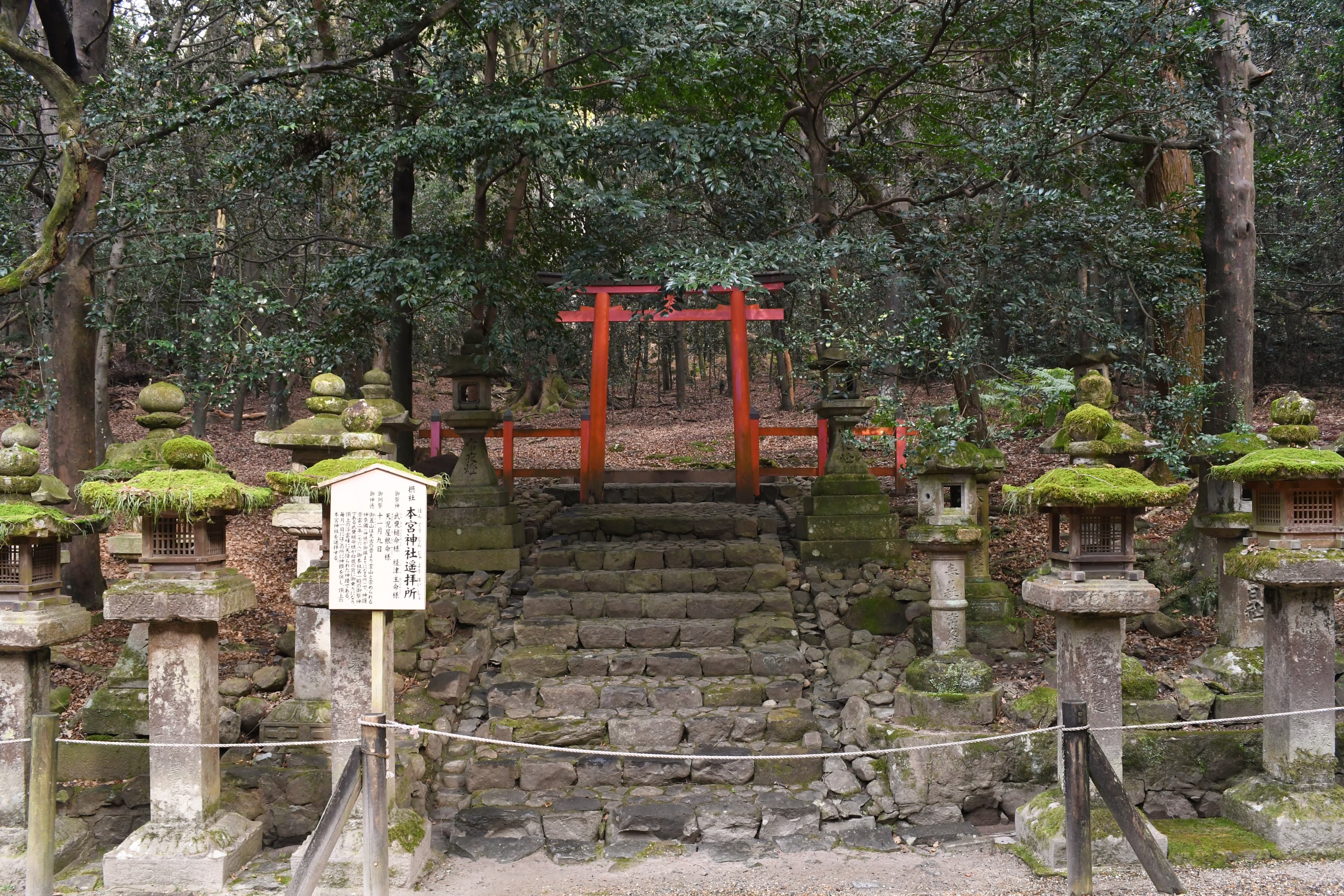
Hongu Shrine Yohaisho, Kasuga-taisha
A veneration point that shows Kasuga-taisha's sacred field extends beyond the buildings at its core.
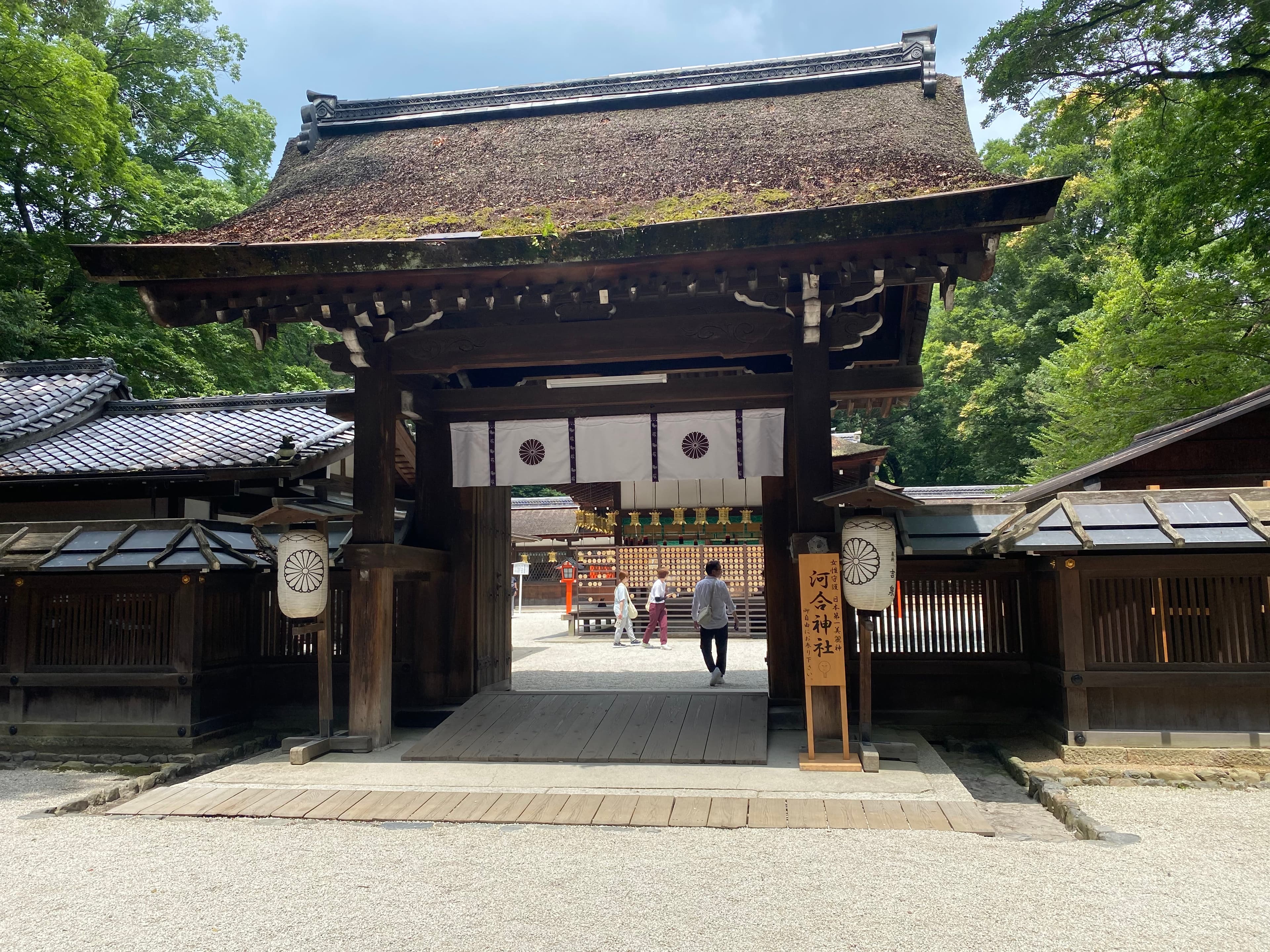
Kawai Shrine, Shimogamo Shrine
A branch shrine where beauty prayers remain tied to Tamayorihime devotion inside the Shimogamo precinct.
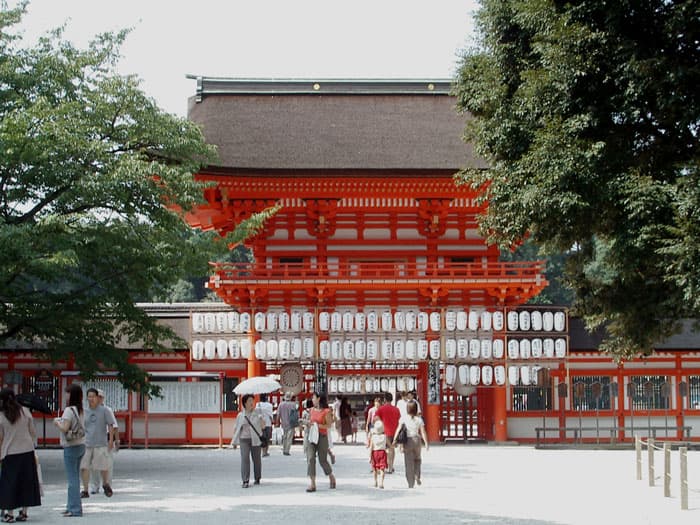
Mitarai Pond, Shimogamo Shrine
A spring-fed pond where purification still means entering living water, not just remembering an old custom.
Lesser-known places
Keep the tradition broader than the headline anchors
These pages widen the tradition lens beyond the strongest-known flagship places.
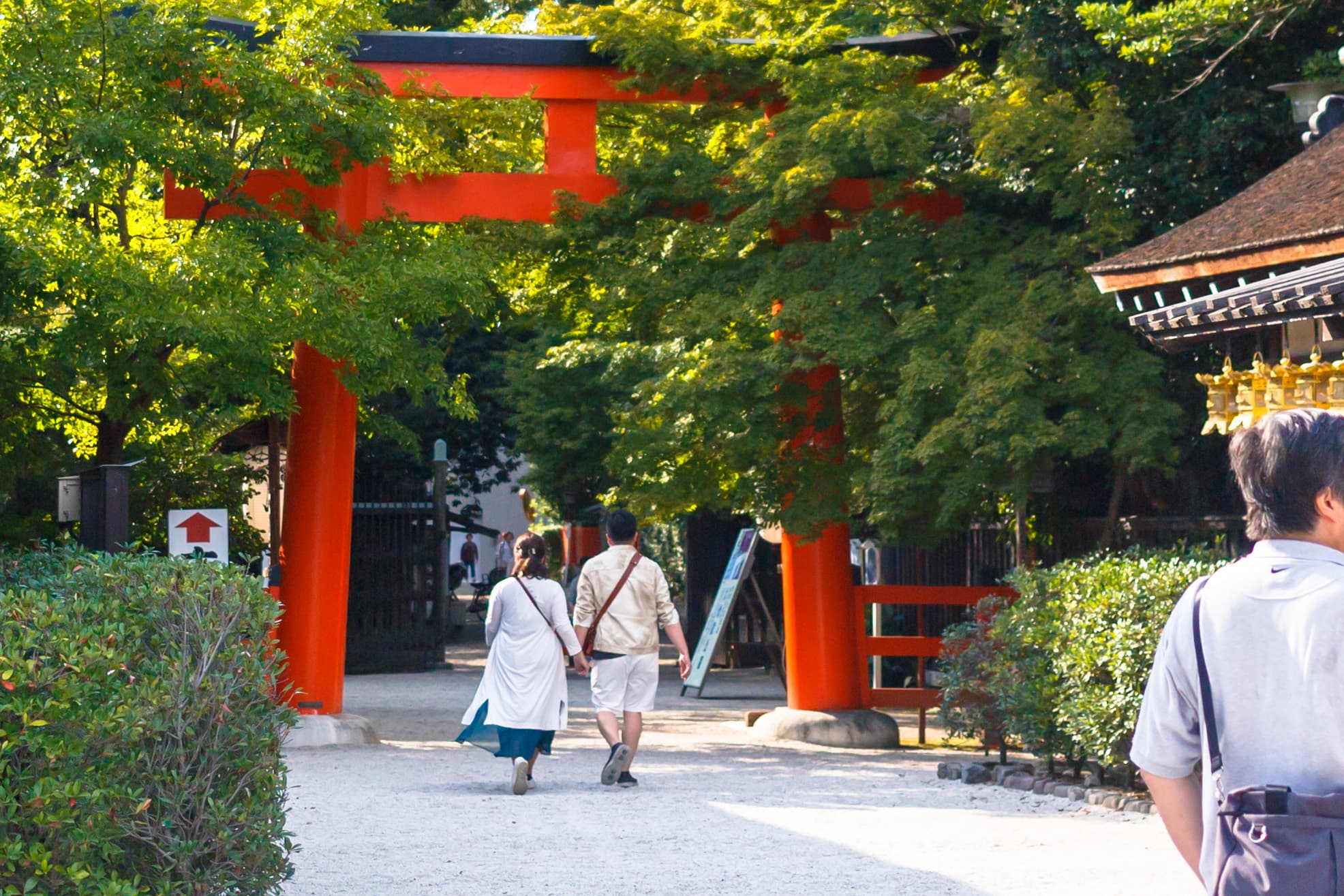
Shimogamo Shrine
A major Kamo shrine where wooded setting, ritual continuity, and old Kyoto sacred memory remain unusually strong.
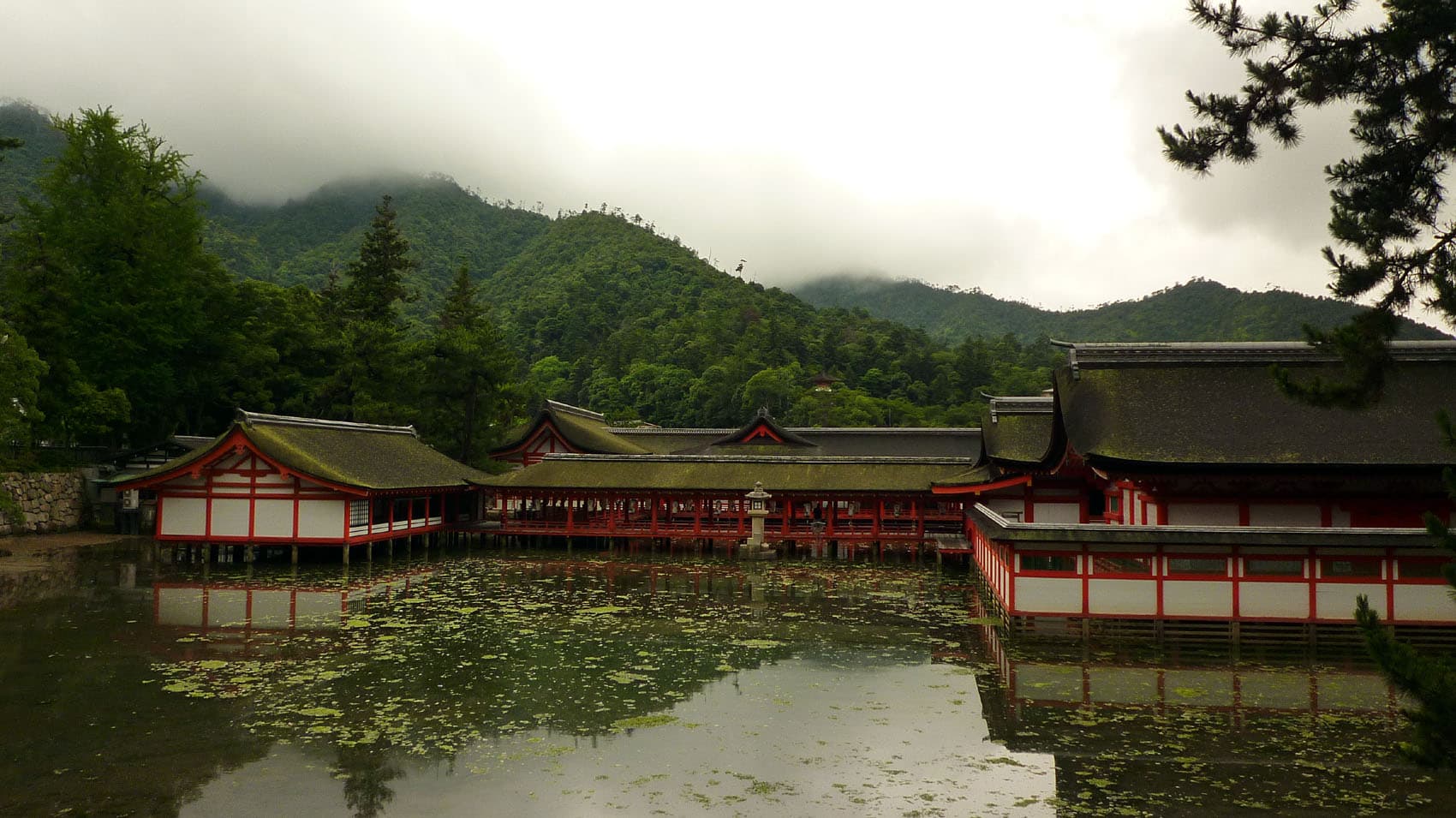
Itsukushima Shrine
A sea-edge shrine where mountain, tide, architecture, and threshold all belong to one sacred composition.
Aioi Shrine, Shimogamo Shrine
A smaller shrine at Shimogamo where prayers for union and harmonious relationships still center on a living place of worship.
Sacred geographies
Where this tradition clusters most strongly right now
These region links turn the belief lens back into geography when the next step should be spatial rather than purely conceptual.
Patterns
Site-type lanes that recur across this tradition
This gives the tradition page a stronger browse structure than a single flat place list.
Journeys
Routes that make this tradition easier to travel
These route summaries connect belief context back to practical trip logic.
Respect and evidence
How this tradition page handles access, myth, and historical framing
Best by constraint
Use the tradition through practical constraints, not just belief labels
These shortcuts are the first pass at long-tail planning questions like mythology, archaeology, season, car-light access, and first-time fit.
FAQ
Questions this tradition hub should answer quickly
Keep exploring
Continue through the regions and place clusters that express this tradition
Links
Reference links and sources
Direct reference links for this entry, with supporting source material below.
- UNESCO entryAuthority source for Itsukushima as a Shinto holy place joined to sea and mountain.
- Wikipedia entryWikipedia article for Shinto.
- Shinto (Q812767)Tradition anchor for Shinto.
- Itsukushima Shinto Shrine (Property 776)Authority source for Itsukushima as a Shinto holy place joined to sea and mountain.
- Fujisan, sacred place and source of artistic inspiration (Property 1418)Authority source for Mount Fuji as a sacred mountain and pilgrimage landscape.
- Category:Itsukushima Shinto ShrineVisual context for the shrine buildings, torii, and tidal setting.
- Category:Mount FujiVisual context for Fujisan's form, routes, and sacred landscape presence.
- ShintoWikipedia article for Shinto.