Journey
Shimogamo Subsidiary Shrine Sequence
A Shimogamo Shrine route through its clustered subsidiary sanctuaries and sacred features that reads the precinct as a distributed shrine world rather than as one pair of main sanctuaries alone.
Why take this route
A journey that already carries its own rhythm.
Shimogamo Shrine is more than its main sanctuary pair. The precinct includes subsidiary shrines, sacred water, and sacred tree presences that make the site feel like a distributed shrine landscape rather than a single building focus.
A useful spread of shrine and feature types matters here. Kawai and Inoue/Mitarai thicken the subsidiary-shrine layer, the West Main Shrine anchors continuity with the core precinct, and Mitarai Pond with the paired-tree feature keep water and sacred-natural elements active inside the route.
Route logic
Turn the route into a planning spine
These signals make the trip shape explicit before you dive into the individual stops.
Stops
The route sequence
Each stop is designed to deepen the next.
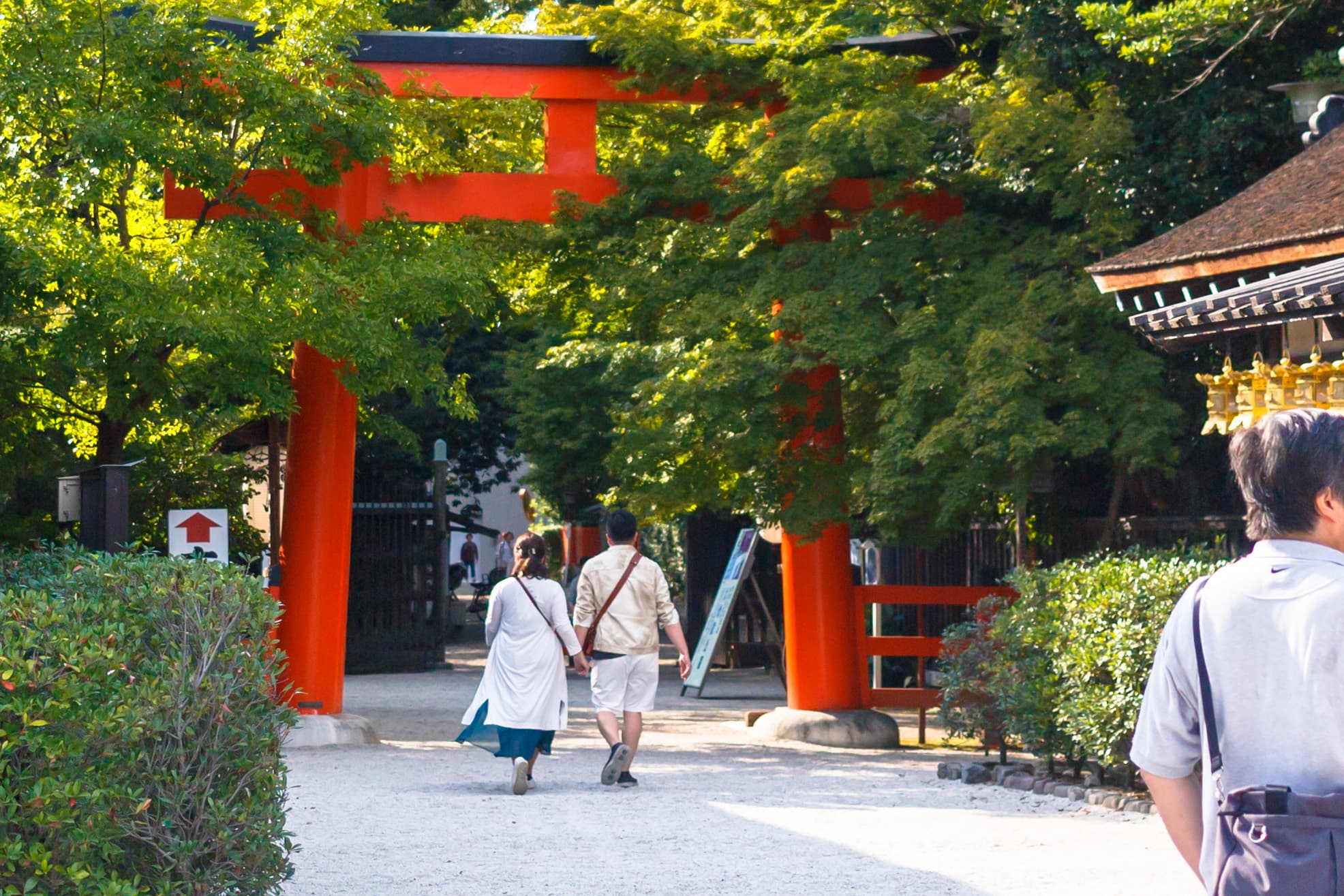
Shimogamo Shrine
A major Kamo shrine where wooded setting, ritual continuity, and old Kyoto sacred memory remain unusually strong.
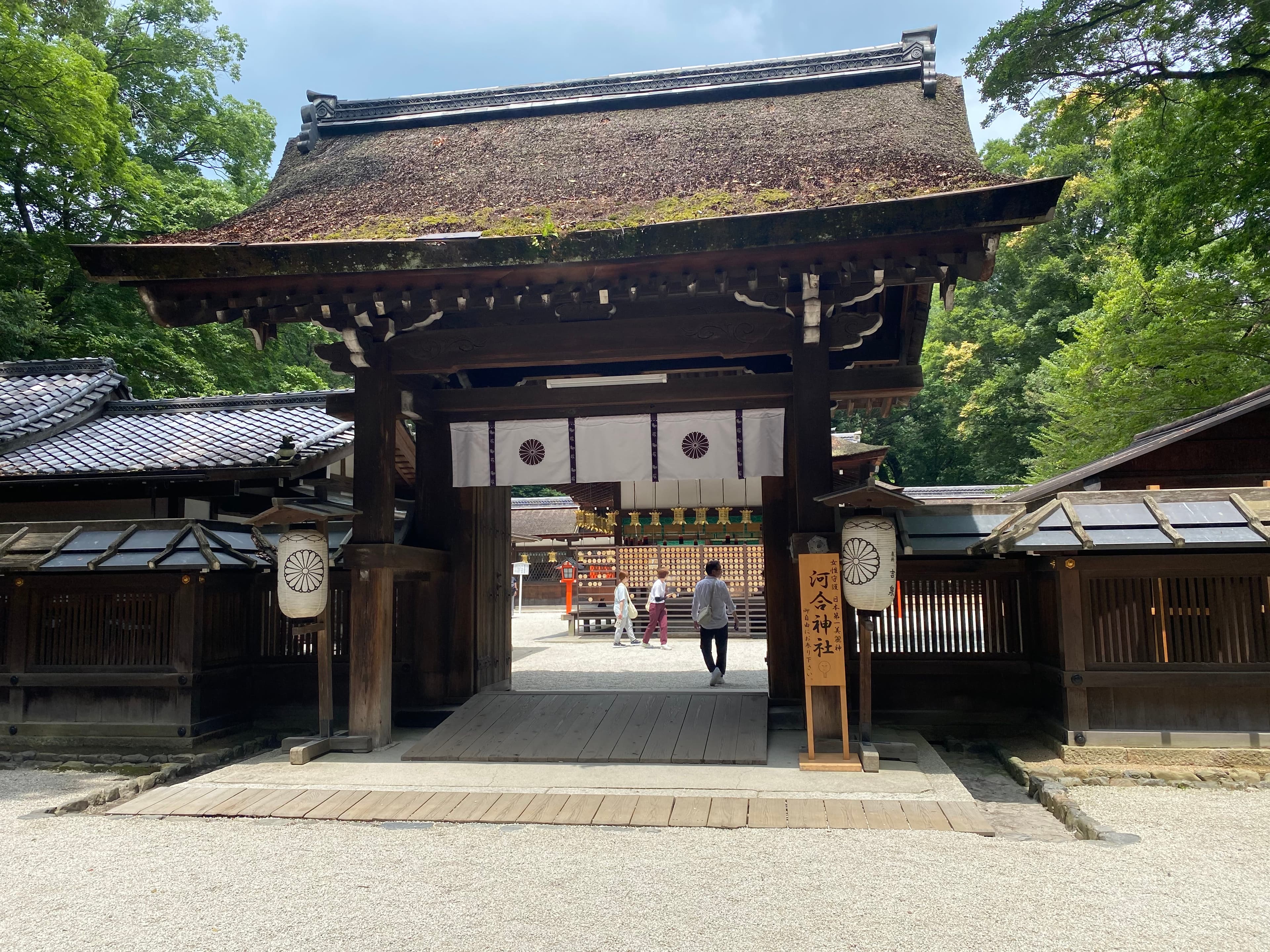
Kawai Shrine, Shimogamo Shrine
A branch shrine where prayers for beauty and protection still remain part of Shimogamo's living sacred network.
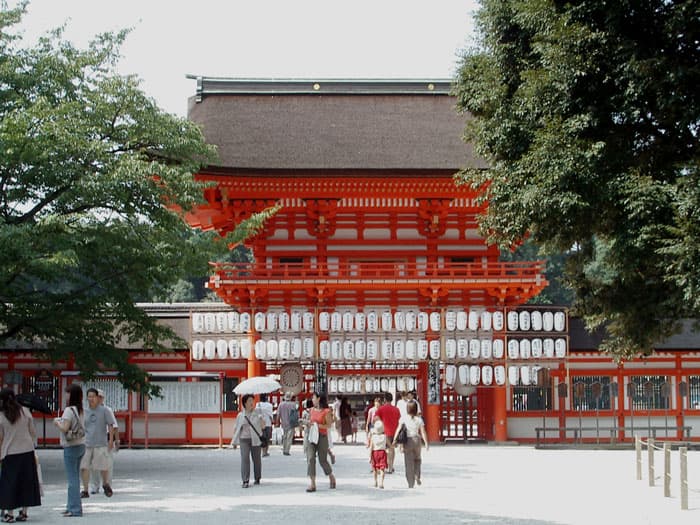
Inoue Shrine (Mitarai Shrine), Shimogamo Shrine
A purification shrine where water, health prayer, and seasonal rites still remain intensely alive.
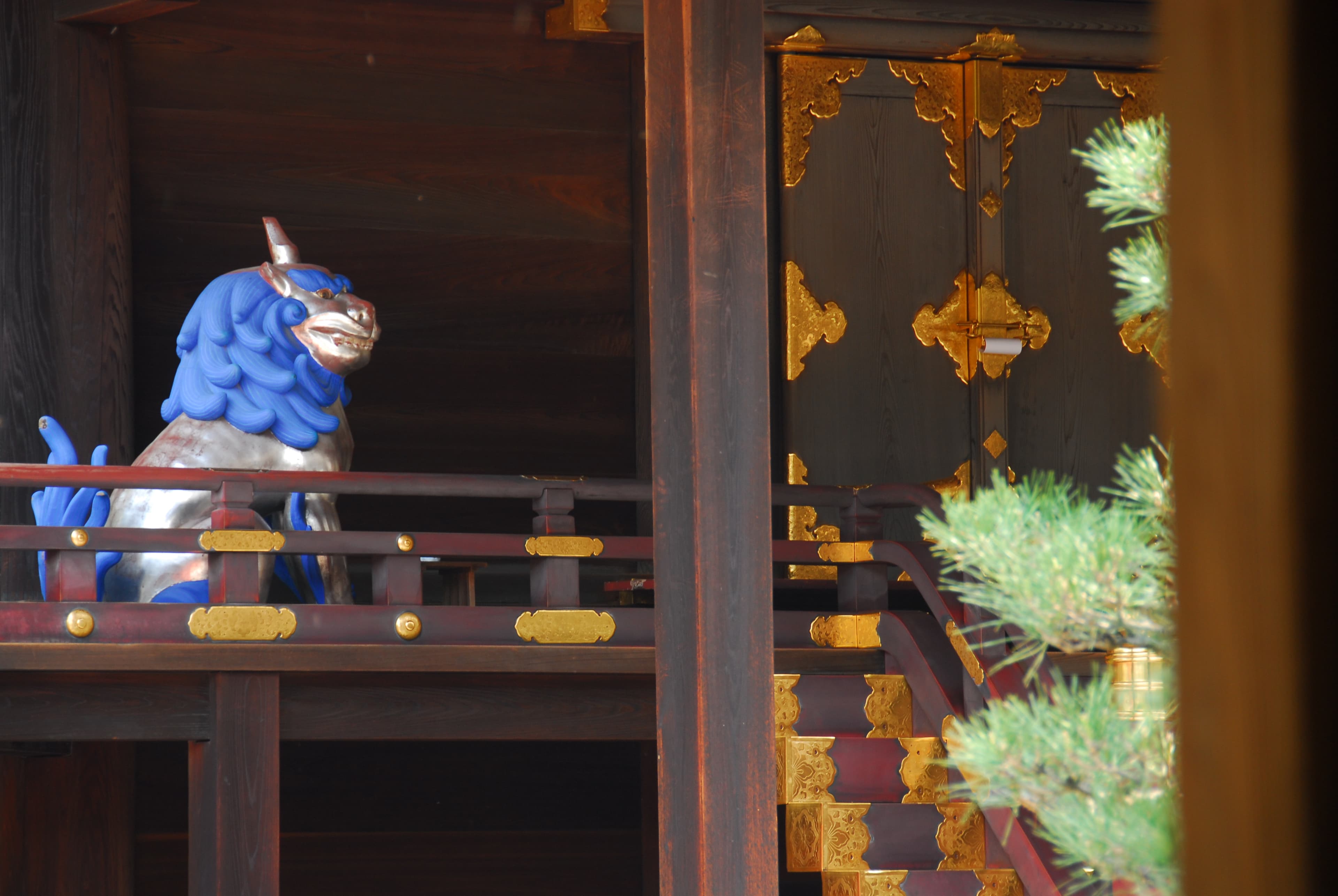
West Main Shrine, Shimogamo Shrine
One of Shimogamo's innermost sanctuaries, where the older Kamo divine line still anchors the shrine's sacred center.
Mitarai Pond, Shimogamo Shrine
A spring-fed pond where purification still means wading into living water, not just remembering an old custom.
Aioi Shrine, Shimogamo Shrine
A smaller shrine where Shimogamo's living sacred life still gathers around prayers for union and harmony.
Renri no Sakaki, Shimogamo Shrine
A joined sakaki tree where Shimogamo's matchmaking faith still gathers around living wood rather than symbol alone.
Practical notes
What this trip asks of the traveler
Links
Reference links and sources
Direct reference links for this entry, with supporting source material below.
- UNESCO entryPrimary authority source for the Ancient Kyoto serial property and its religious monuments.
- Wikipedia entryWikipedia article for Shimogamo Shrine.
- Shimogamo Shrine (Q701620)Entity anchor for Shimogamo Shrine as a Shinto shrine and Ancient Kyoto world-heritage component.
- Historic Monuments of Ancient Kyoto (Kyoto, Uji and Otsu Cities) (Property 688)Primary authority source for the Ancient Kyoto serial property and its religious monuments.
- Historic Monuments of Ancient Kyoto - MapsComponent map source identifying Kamomioya-jinja within the property.
- Category:Shimogamo-jinjaVisual context for Shimogamo Shrine, its gates, and its wooded sacred setting.
- Shimogamo ShrineWikipedia article for Shimogamo Shrine.
- Official website of Shimogamo ShrineOfficial website for Shimogamo Shrine.
- Kawai Shrine (Shimogamo Shrine Keidai-Sessha) (Q135068711)Entity anchor for Kawai Shrine as a branch shrine within the Shimogamo sacred precinct.
- File:Kyoto Shimogamo-jinja Kawai-jinja 04.jpgVisual anchor for Kawai Shrine within the Shimogamo Shrine precinct.
- Beauty PrayerOfficial Shimogamo Shrine page describing Kawai Shrine as a branch shrine long revered as a protector of women and a place of beauty prayer devoted to Tamayorihime.
- Purification ShrineOfficial Shimogamo Shrine page describing Inoue Shrine (Mitarai Shrine), its purification role, the surrounding Mitarai Pond, and the shrine's associated summer rites.
- About Shimogamo ShrineOfficial Shimogamo Shrine page naming the enshrined deities of the west and east main halls and describing the shrine's sacred continuity.
- Special Viewing InformationOfficial Shimogamo Shrine page explaining that the Main Shrine remains a sacred space for solemn public rituals and ceremonies.
- MarriageOfficial Shimogamo Shrine page describing Aioi Shrine, its enshrined deity, its matchmaking faith, and the linked Renri no Sakaki sacred tree.
Keep exploring