Living sacred site
Aioi Shrine, Shimogamo Shrine
Aioi Shrine, Shimogamo Shrine matters because its well-known matchmaking devotion is still carried by a living auxiliary shrine rather than by sentiment or folklore alone.
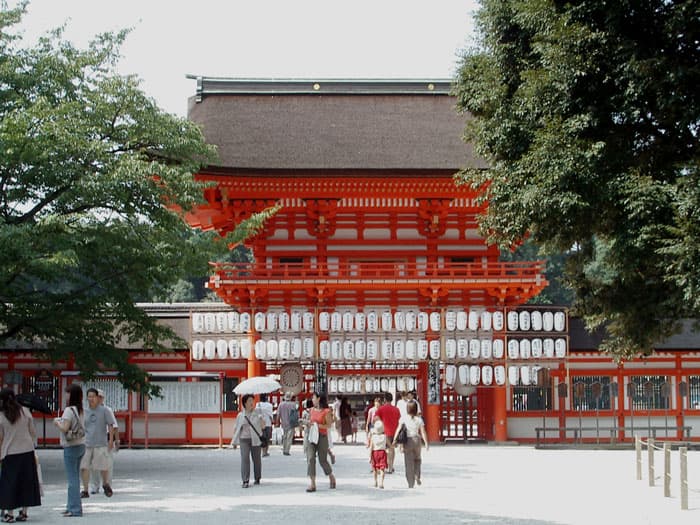
Visitor essentials
What stands out
Scope note
Keep in view
Keep Aioi Shrine framed as a living auxiliary shrine of matchmaking prayer, not just as a romantic Kyoto landmark.
At a glance
Before you visit
A smaller shrine where Shimogamo's living sacred life still gathers around prayers for union and harmony
Why it matters
UNESCO frames Historic Monuments of Ancient Kyoto (Kyoto, Uji and Otsu Cities) as a sacred monument world where Buddhist temples, Shinto shrines, and historic precincts preserve the religious heart of Kyoto, Uji, and Otsu, and the supporting site sources keep Aioi Shrine, Shimogamo Shrine legible as an auxiliary shrine within the sacred monument world of Ancient Kyoto.
That matters because Aioi Shrine, Shimogamo Shrine is strongest as the auxiliary shrine where matchmaking and relational blessings are still sought within the wider Shimogamo precinct rather than only the famous love shrine beside a photogenic sacred tree.
Respect notes
Visiting notes
Story and context
History and sacred context
Sources
- Official websitePrimary visitor-facing site for current access and institutional context.
- UNESCO entryPrimary authority source for the Ancient Kyoto serial property and its religious monuments.
- Wikipedia entryWikipedia article for Shimogamo Shrine.
- Historic Monuments of Ancient Kyoto (Kyoto, Uji and Otsu Cities) (Property 688)Primary authority source for the Ancient Kyoto serial property and its religious monuments.
- Historic Monuments of Ancient Kyoto - MapsComponent map source identifying Kamomioya-jinja within the Ancient Kyoto property.
- Shimogamo Shrine (Q701620)Parent entity anchor for Shimogamo Shrine as an Ancient Kyoto world-heritage component, with listed parts including the East Main Shrine, West Main Shrine, and Kawai Shrine.
- Category:Shimogamo-jinjaVisual context for Shimogamo Shrine, its main sanctuaries, branch shrines, gates, and sacred grove.
- MarriageOfficial Shimogamo Shrine page describing Aioi Shrine, its enshrined deity, its matchmaking faith, and the linked Renri no Sakaki sacred tree.
- Shimogamo ShrineWikipedia article for Shimogamo Shrine.
Nearby places
Nearby sacred places in Japan
Inoue Shrine (Mitarai Shrine), Shimogamo Shrine
A purification shrine where water, health prayer, and seasonal rites still remain intensely alive.
Mitarai Pond, Shimogamo Shrine
A spring-fed pond where purification still means wading into living water, not just remembering an old custom.
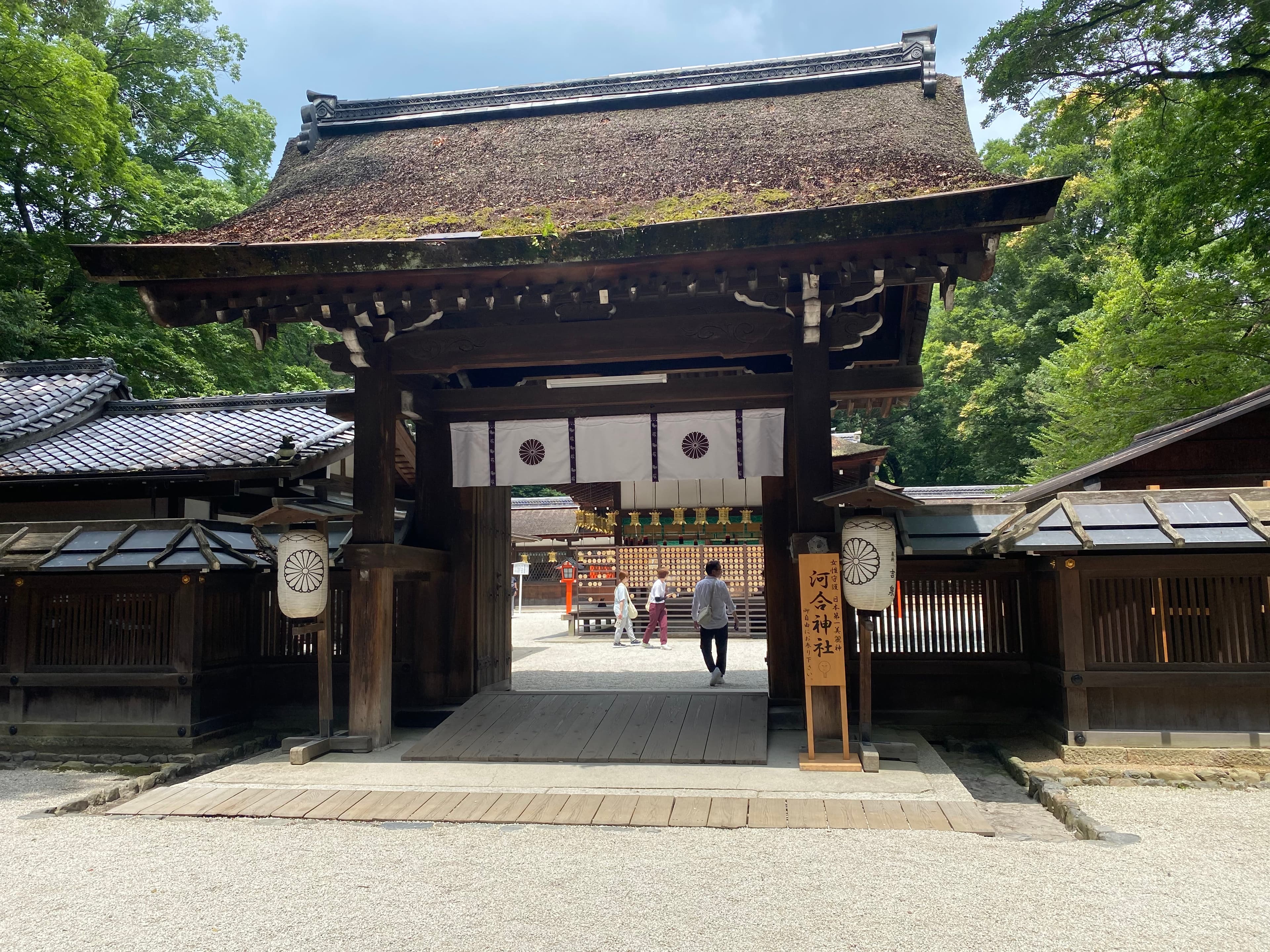
Kawai Shrine, Shimogamo Shrine
A branch shrine where prayers for beauty and protection still remain part of Shimogamo's living sacred network.
Renri no Sakaki, Shimogamo Shrine
A joined sakaki tree where Shimogamo's matchmaking faith still gathers around living wood rather than symbol alone.
On the same route
Places on the same route
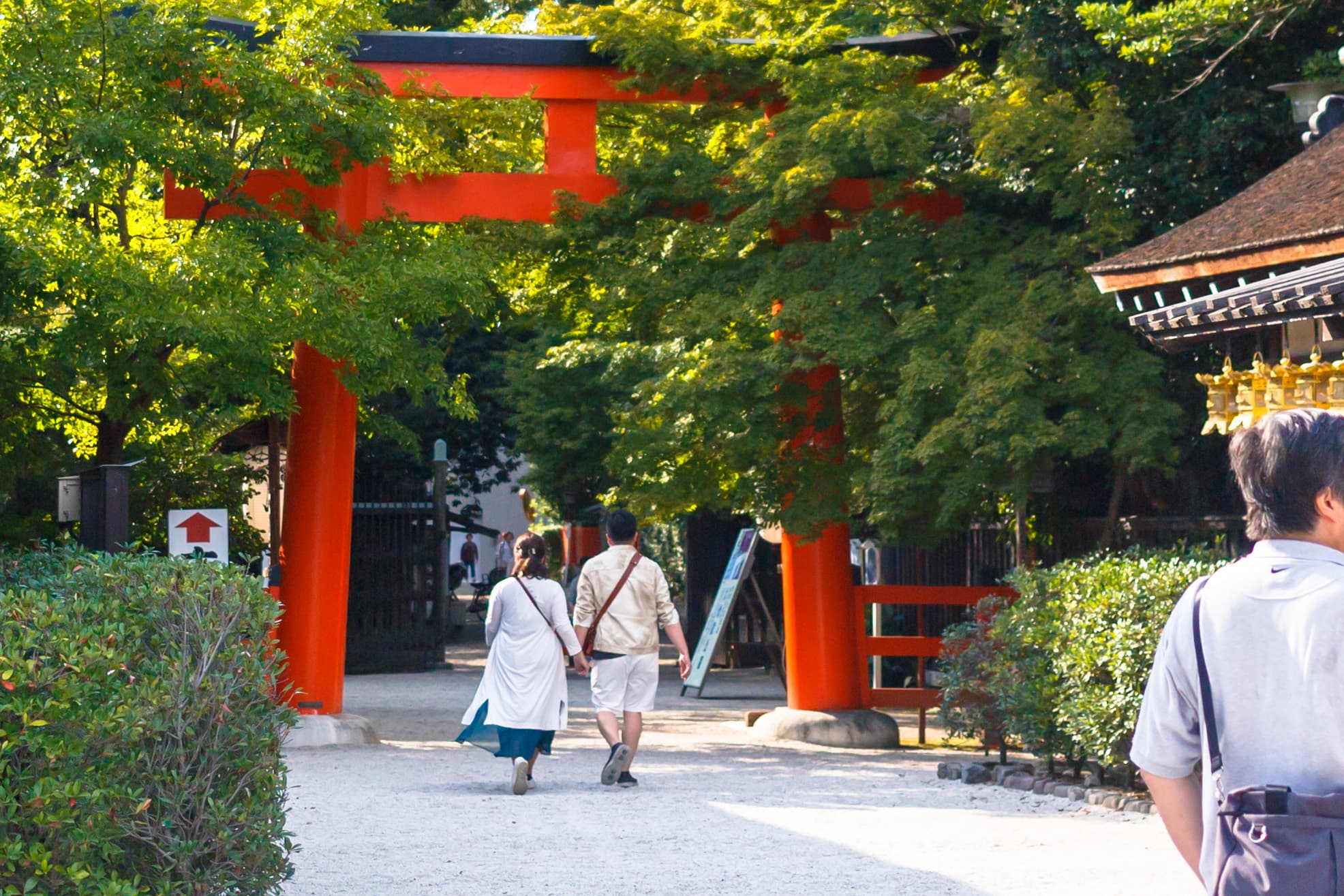
Shimogamo Shrine
A major Kamo shrine where wooded setting, ritual continuity, and old Kyoto sacred memory remain unusually strong.
Kawai Shrine, Shimogamo Shrine
A branch shrine where prayers for beauty and protection still remain part of Shimogamo's living sacred network.
Inoue Shrine (Mitarai Shrine), Shimogamo Shrine
A purification shrine where water, health prayer, and seasonal rites still remain intensely alive.
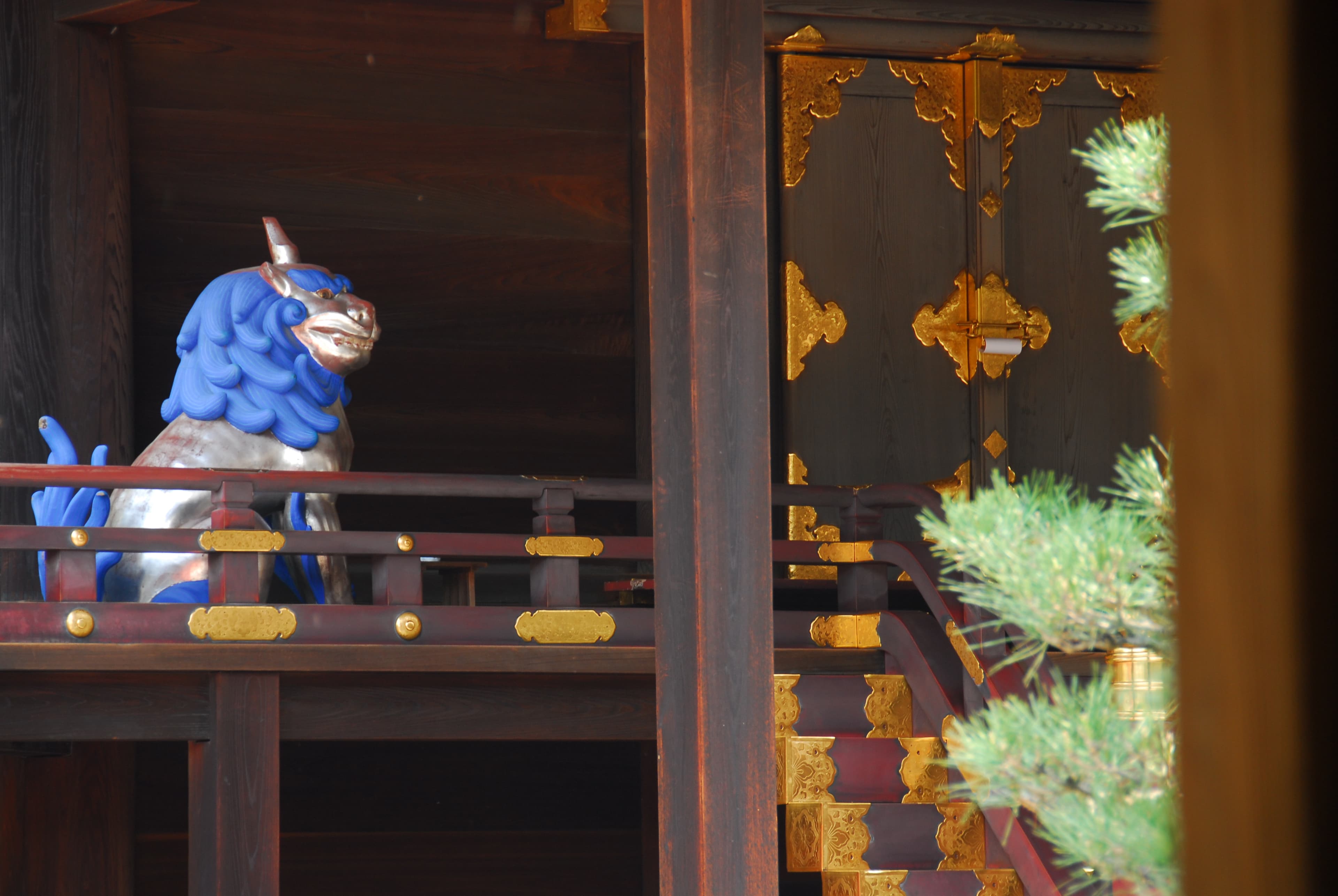
West Main Shrine, Shimogamo Shrine
One of Shimogamo's innermost sanctuaries, where the older Kamo divine line still anchors the shrine's sacred center.
Related journeys
Related journeys
Keep exploring