Living sacred site
East Main Shrine, Shimogamo Shrine
East Main Shrine, Shimogamo Shrine matters because the shrine's sacred center still depends on a living sanctuary of Tamayorihime no Mikoto rather than on historical renown alone.

Visitor essentials
What stands out
Scope note
Keep in view
Keep the East Main Shrine framed as a living sanctuary of Tamayorihime no Mikoto, not just as the paired national-treasure hall beside the west sanctuary.
At a glance
Before you visit
A paired inner sanctuary where Tamayorihime no Mikoto still shapes the sacred balance at Shimogamo's core
Why it matters
UNESCO frames Historic Monuments of Ancient Kyoto (Kyoto, Uji and Otsu Cities) as a sacred monument world where Buddhist temples, Shinto shrines, and historic precincts preserve the religious heart of Kyoto, Uji, and Otsu, and the supporting site sources keep East Main Shrine, Shimogamo Shrine legible as a main sanctuary within the sacred monument world of Ancient Kyoto.
That matters because East Main Shrine, Shimogamo Shrine is strongest as the east main sanctuary where Tamayorihime no Mikoto remains enshrined within Shimogamo Shrine's inner sacred precinct rather than only the matching hall beside the West Main Shrine.
Respect notes
Visiting notes
Story and context
History and sacred context
Sources
- Official websitePrimary visitor-facing site for current access and institutional context.
- UNESCO entryPrimary authority source for the Ancient Kyoto serial property and its religious monuments.
- Wikipedia entryWikipedia article for Shimogamo Shrine.
- Historic Monuments of Ancient Kyoto (Kyoto, Uji and Otsu Cities) (Property 688)Primary authority source for the Ancient Kyoto serial property and its religious monuments.
- Historic Monuments of Ancient Kyoto - MapsComponent map source identifying Kamomioya-jinja within the Ancient Kyoto property.
- Shimogamo Shrine (Q701620)Parent entity anchor for Shimogamo Shrine as an Ancient Kyoto world-heritage component, with listed parts including the East Main Shrine, West Main Shrine, and Kawai Shrine.
- Category:Shimogamo-jinjaVisual context for Shimogamo Shrine, its main sanctuaries, branch shrines, gates, and sacred grove.
- About Shimogamo ShrineOfficial Shimogamo Shrine page naming the enshrined deities of the west and east main halls and describing the shrine's sacred continuity.
- Special Viewing InformationOfficial Shimogamo Shrine page explaining that the Main Shrine remains a sacred space for solemn public rituals and ceremonies.
- Shimogamo ShrineWikipedia article for Shimogamo Shrine.
Nearby places
Nearby sacred places in Japan
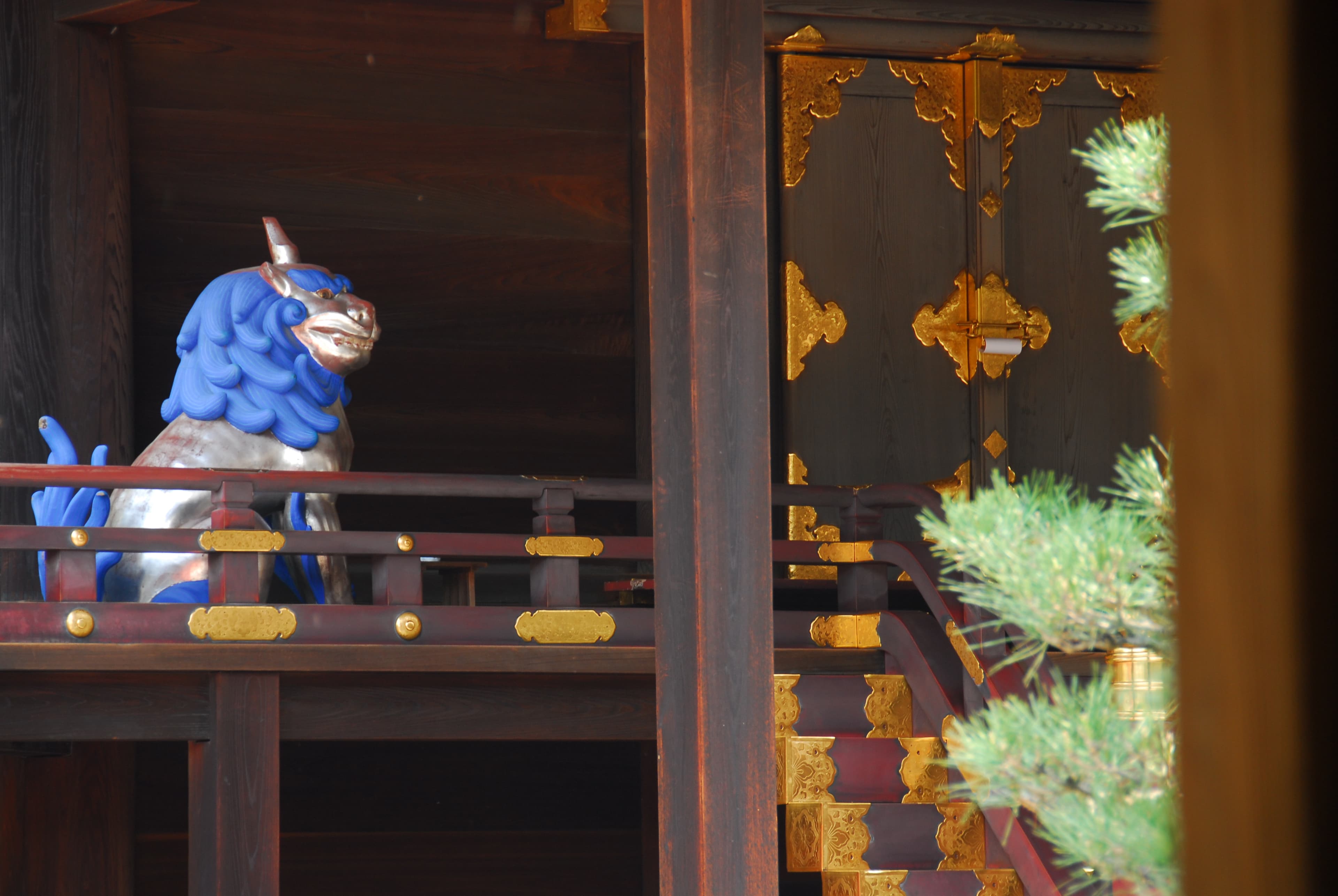
West Main Shrine, Shimogamo Shrine
One of Shimogamo's innermost sanctuaries, where the older Kamo divine line still anchors the shrine's sacred center.
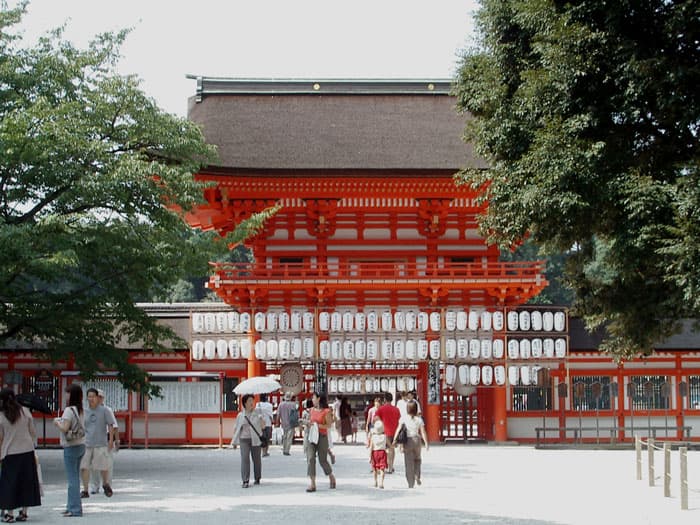
Aioi Shrine, Shimogamo Shrine
A smaller shrine where Shimogamo's living sacred life still gathers around prayers for union and harmony.
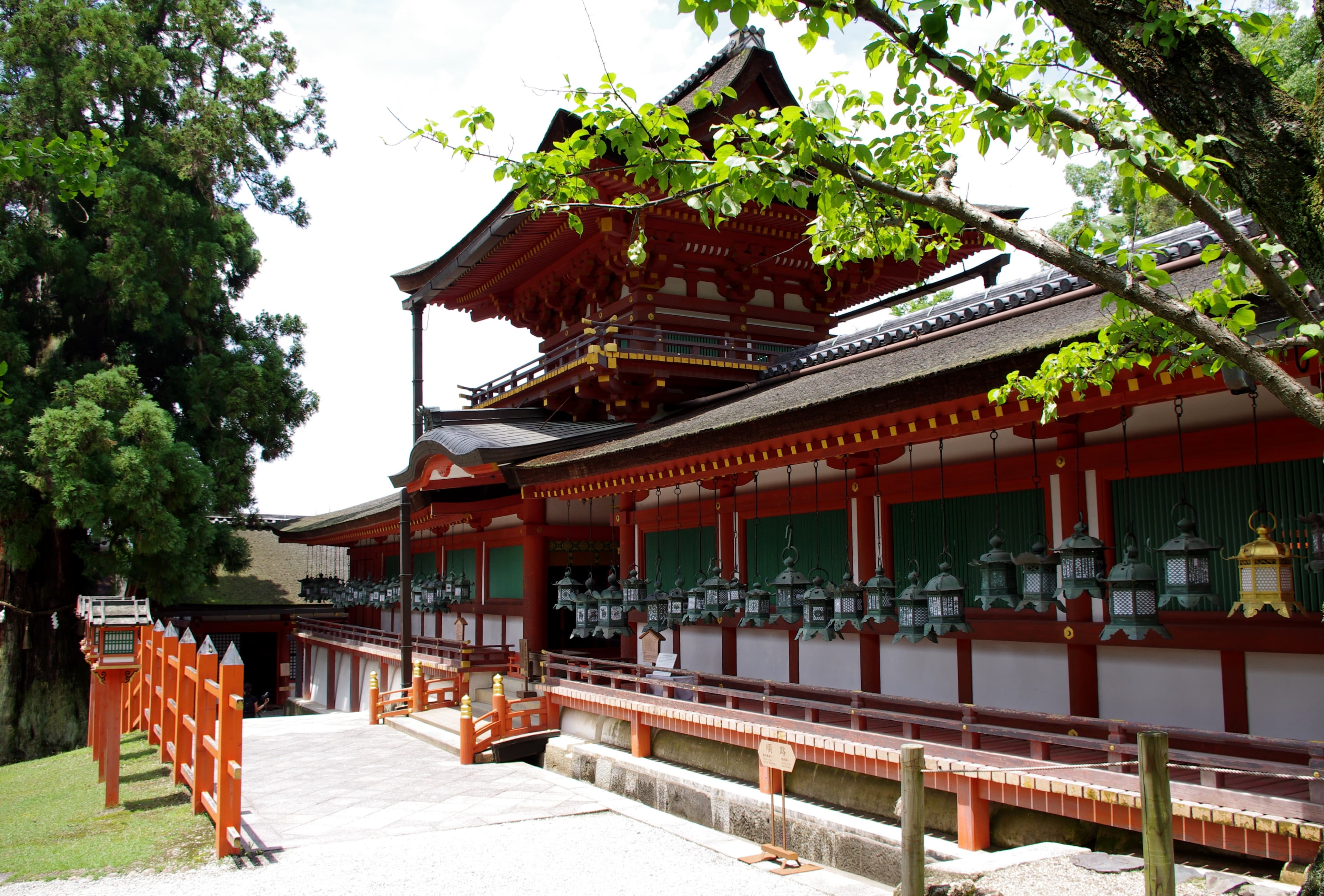
Chumon Gate, Kasuga-taisha
A middle gate whose open wings still shape how Kasuga-taisha's innermost rites are approached.
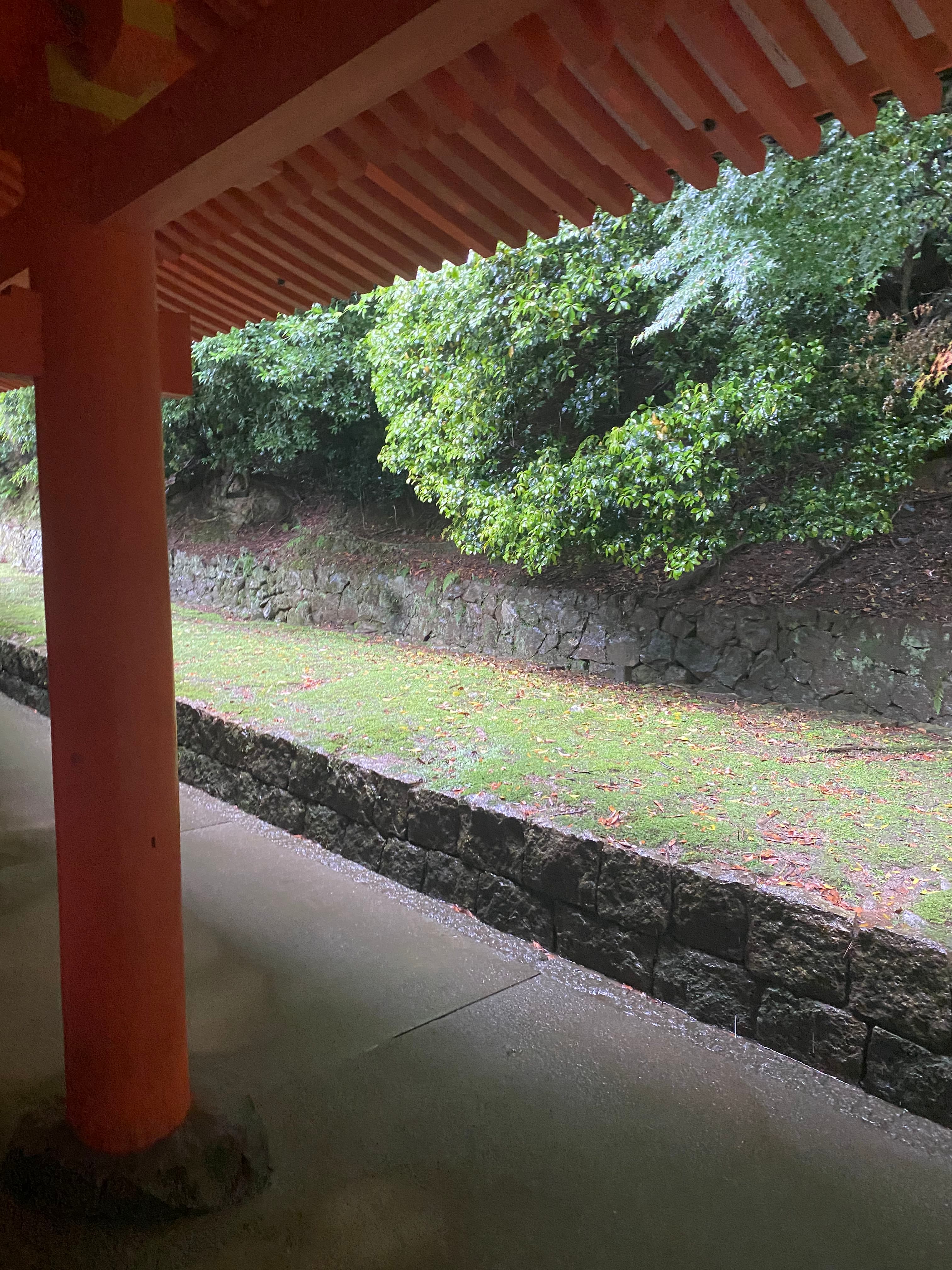
East Cloister, Kasuga-taisha
An eastern passage that keeps Kasuga-taisha's cloister ring active instead of merely symmetrical.
Regional journeys
Journeys in Japan
Keep exploring