Living sacred site
East Cloister, Kasuga-taisha
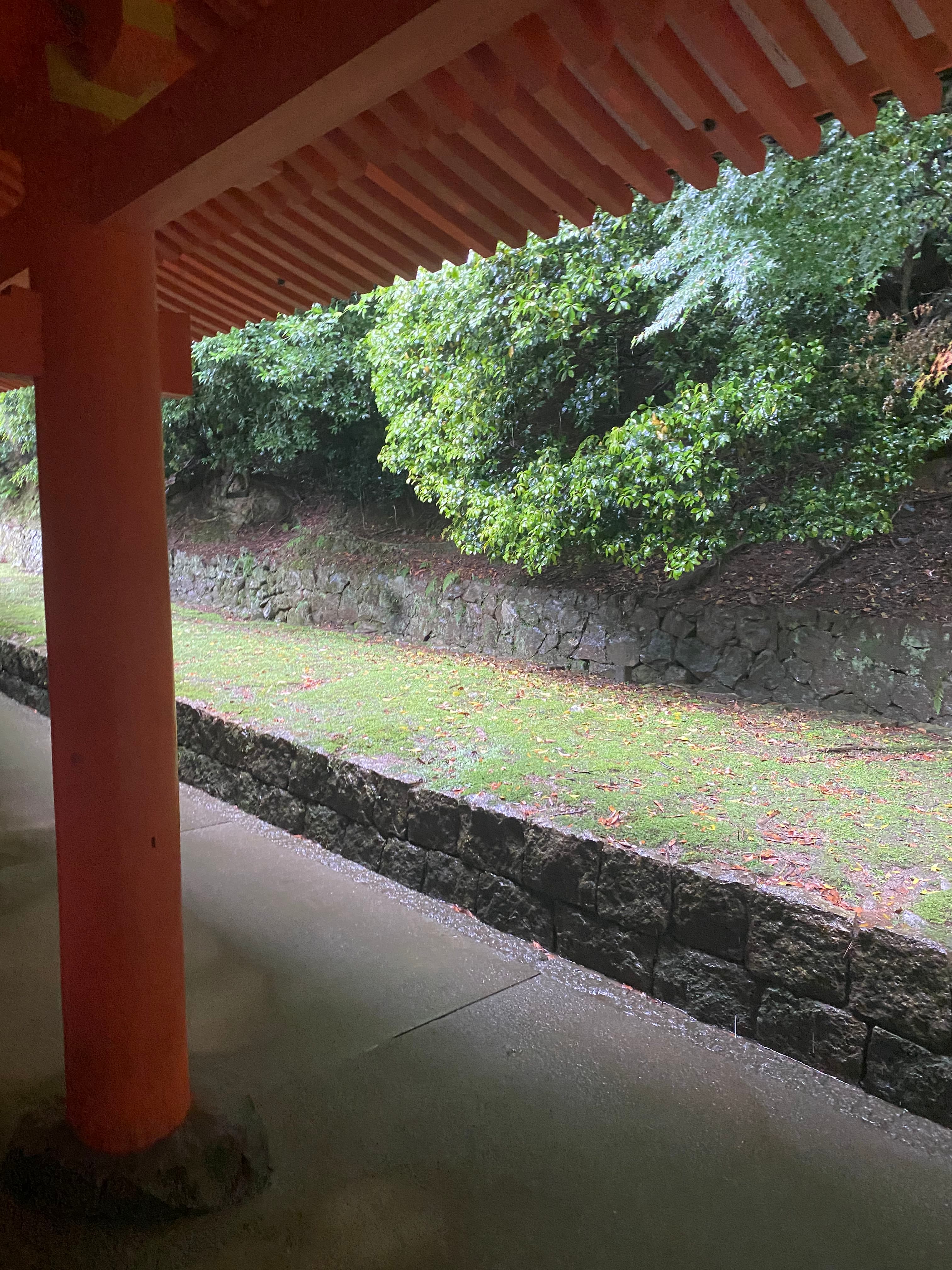
East Cloister, Kasuga-taisha matters because the shrine's inner circulation still relies on an east-side passage that links approach, enclosure, and the sanctuary edge into one lived sacred route.
Visitor essentials
What stands out
Scope note
Keep in view
Keep the East Cloister framed as active sacred passage, not just as architectural balance for the west side.
At a glance
Before you visit
An eastern passage that keeps Kasuga-taisha's cloister ring active instead of merely symmetrical
Why it matters
UNESCO frames Historic Monuments of Ancient Nara as a living Shinto inner precinct where lantern-lined cloisters, gate sequences, and an intentionally uneven enclosure still shape formal movement around Kasuga-taisha's sanctuary core, and the supporting site sources keep East Cloister, Kasuga-taisha legible as a cloister within the living Kasuga cloister ring within Ancient Nara.
That matters because East Cloister, Kasuga-taisha is strongest as the east-side cloister arm that still carries sacred circulation between Kasuga's front approach and the open-veranda edge of the inner sanctuary rather than only a side corridor opposite the west cloister.
Respect notes
Visiting notes
Story and context
History and sacred context
Sources
- Official websitePrimary visitor-facing site for current access and institutional context.
- UNESCO entryPrimary authority source for Ancient Nara as a sacred urban landscape of Buddhist temples, a Shinto shrine, and a sacred forest.
- Wikipedia entryWikipedia article for Kasuga-taisha.
- Historic Monuments of Ancient Nara (Property 870)Primary authority source for Ancient Nara as a sacred urban landscape of Buddhist temples, a Shinto shrine, and a sacred forest.
- Kasuga-taisha (Q714559)Entity anchor for Kasuga-taisha as a Shinto shrine and component of the Ancient Nara world-heritage property.
- Category:Kasuga-taishaVisual context for the Kasuga-taisha shrine precinct, its halls, gates, cloisters, lanterns, and approaches.
- Category:Cloisters of Kasuga-taishaVisual context for the Kasuga-taisha cloisters, including their north, south, east, and west precinct structures.
- Main Sanctuary (in the Cloisters)Official Kasuga Taisha guidance page describing the inner cloisters, their lengths and connections, and the wider sacred layout around the Main Sanctuary.
- Category:East Cloister of Kasuga-taishaVisual context for the east cloister of Kasuga-taisha.
- East CloisterOfficial Kasuga Taisha component page naming the east cloister within the inner precinct guidance.
- Kasuga-taishaWikipedia article for Kasuga-taisha.
Nearby places
Nearby sacred places in Japan
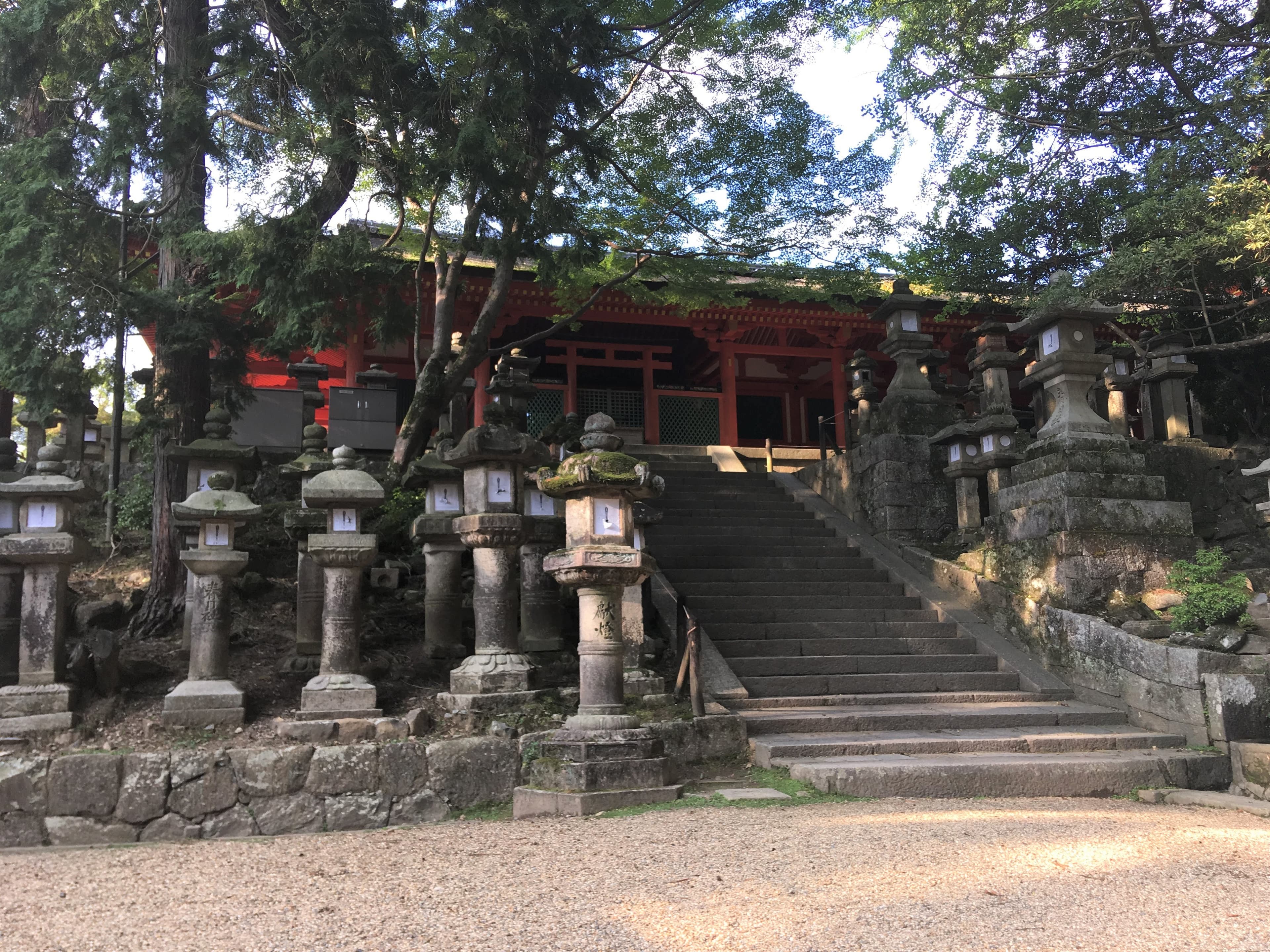
Enomoto Shrine, Kasuga-taisha
A subsidiary shrine that keeps Kasuga-taisha's sacred landscape wider than its main sanctuary alone.
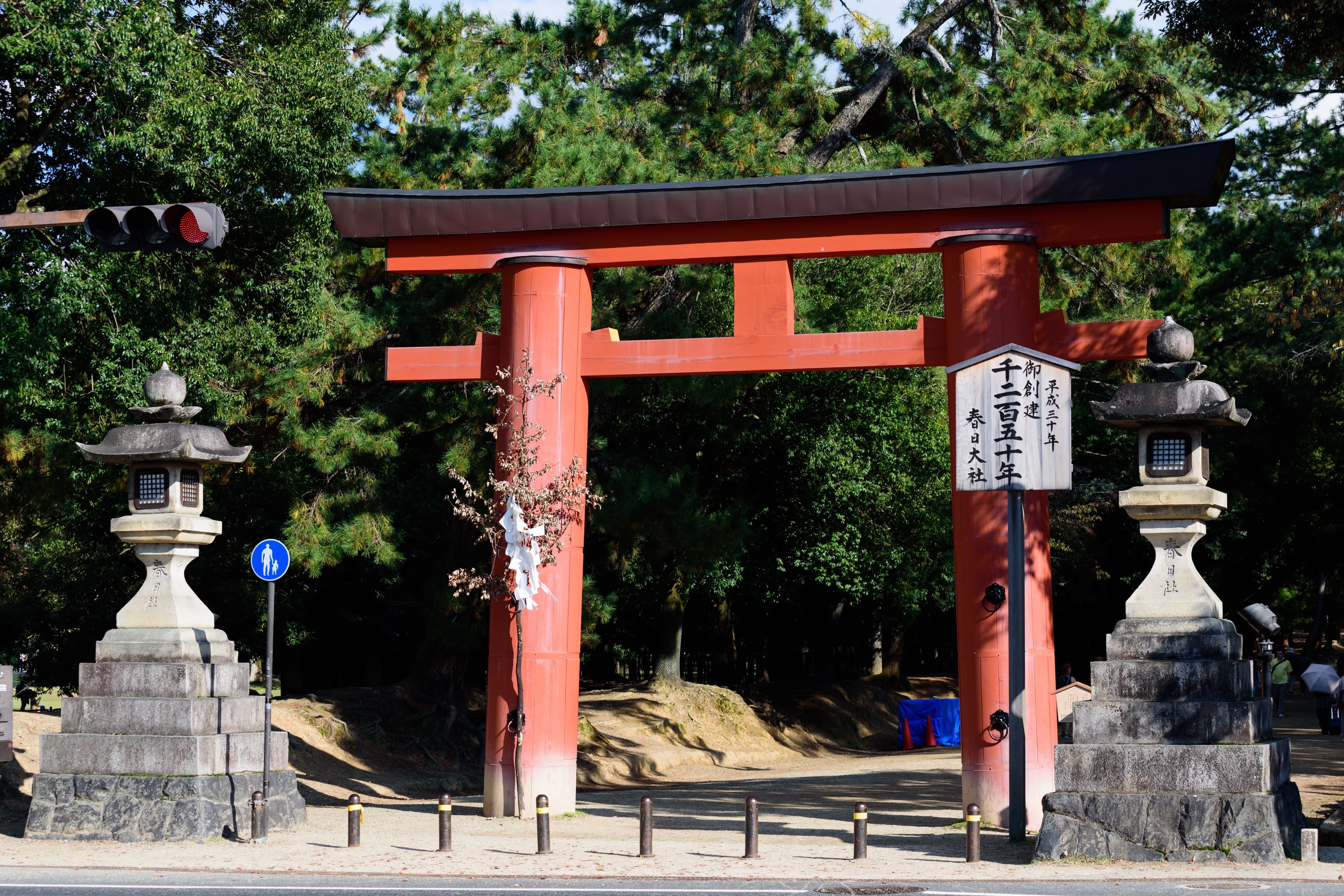
First Torii of Kasuga-taisha
An outer torii that still begins the sacred transition long before the sanctuary halls come into view.
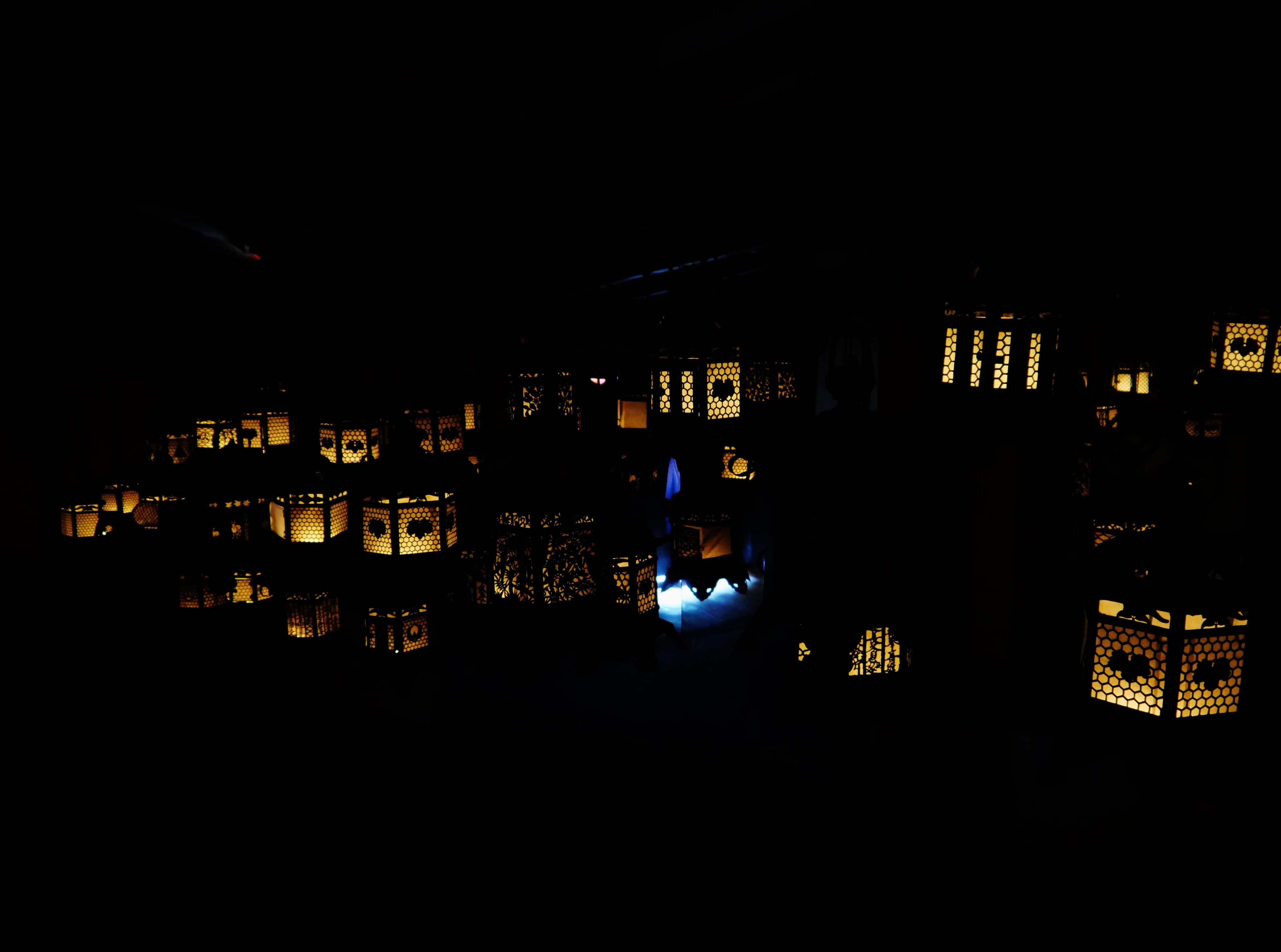
Fujinami-no-ya Hall, Kasuga-taisha
A lantern hall where Kasuga-taisha turns bronze light into one of its strongest inner-precinct devotional experiences.
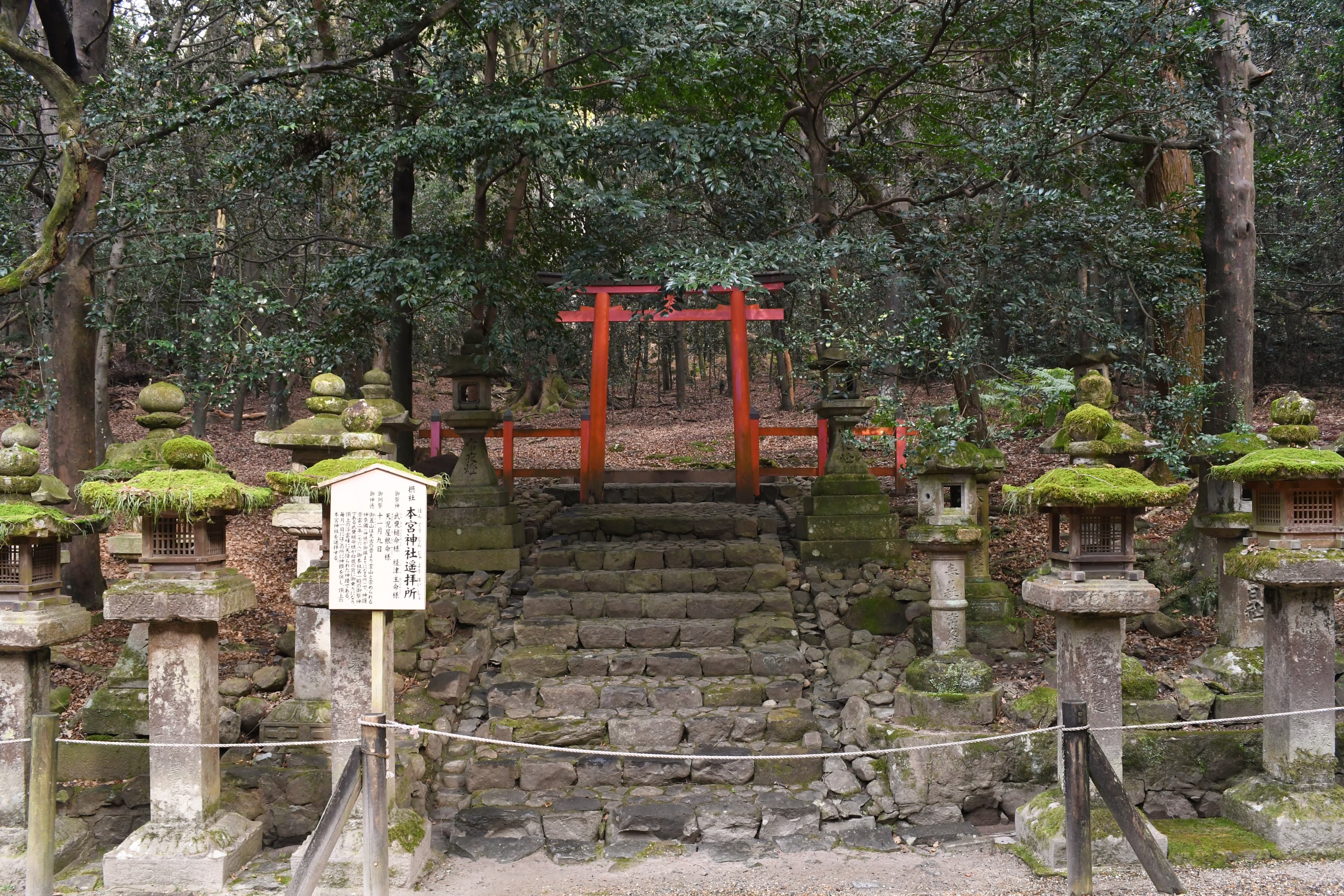
Hongu Shrine Yohaisho, Kasuga-taisha
A veneration point that shows Kasuga-taisha's sacred field extends beyond the buildings at its core.
Keep exploring