Living sacred site
Fujinami-no-ya Hall, Kasuga-taisha
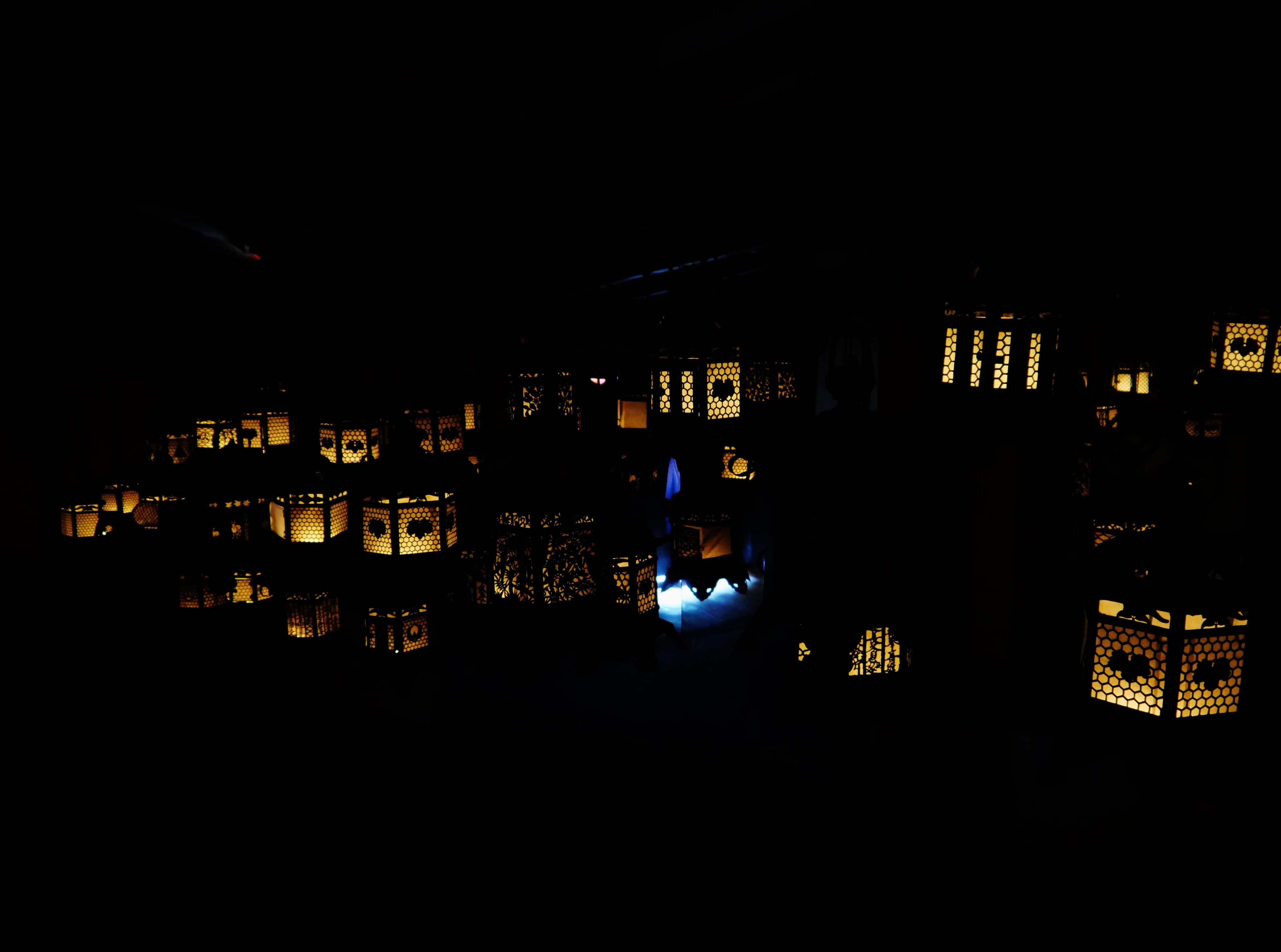
Fujinami-no-ya Hall, Kasuga-taisha matters because it keeps the shrine's famous lantern world concentrated into an interior devotional atmosphere rather than scattering it only across the cloisters.
Visitor essentials
What stands out
Scope note
Keep in view
Keep Fujinami-no-ya framed as a living lantern hall, not just as a photogenic lantern room.
At a glance
Before you visit
A lantern hall where Kasuga-taisha turns bronze light into one of its strongest inner-precinct devotional experiences
Why it matters
UNESCO frames Historic Monuments of Ancient Nara as a living Shinto inner precinct where sacred storage, lantern halls, ritual stairs, and revered trees still shape Kasuga-taisha's ceremonial world, and the supporting site sources keep Fujinami-no-ya Hall, Kasuga-taisha legible as a hall within the living Kasuga inner precinct within Ancient Nara.
That matters because Fujinami-no-ya Hall, Kasuga-taisha is strongest as the lantern hall on the north side of the cloisters where flickering bronze lamps still shape Kasuga's devotional atmosphere rather than only the hall with many hanging lanterns.
Respect notes
Visiting notes
Story and context
History and sacred context
Sources
- Official websitePrimary visitor-facing site for current access and institutional context.
- UNESCO entryPrimary authority source for Ancient Nara as a sacred urban landscape of Buddhist temples, a Shinto shrine, and a sacred forest.
- Wikipedia entryWikipedia article for Kasuga-taisha.
- Historic Monuments of Ancient Nara (Property 870)Primary authority source for Ancient Nara as a sacred urban landscape of Buddhist temples, a Shinto shrine, and a sacred forest.
- Kasuga-taisha (Q714559)Entity anchor for Kasuga-taisha as a Shinto shrine and component of the Ancient Nara world-heritage property.
- Category:Kasuga-taishaVisual context for the Kasuga-taisha shrine precinct, its halls, gates, cloisters, lanterns, and approaches.
- Category:Main Sanctuary of Kasuga-taishaVisual context for the Main Sanctuary precinct of Kasuga-taisha and its inner auxiliary shrines, trees, and ceremonial spaces.
- Category:Cloisters of Kasuga-taishaVisual context for the Kasuga-taisha cloisters, including their north, south, east, and west precinct structures.
- Main Sanctuary (in the Cloisters)Official Kasuga Taisha guidance page for the inner cloister precinct, including the treasure house, Nejiro steps, Fujinami-no-ya, sacred trees, and auxiliary shrines.
- Category:Fujinami-no-ya of Kasuga-taishaVisual context for Fujinami-no-ya as the lantern hall within the Main Sanctuary precinct of Kasuga-taisha.
- Fujinami-no-ya HallOfficial Kasuga Taisha page describing Fujinami-no-ya as a former priestly office now open to visitors and filled with lit hanging lanterns.
- Kasuga-taishaWikipedia article for Kasuga-taisha.
Nearby places
Nearby sacred places in Japan
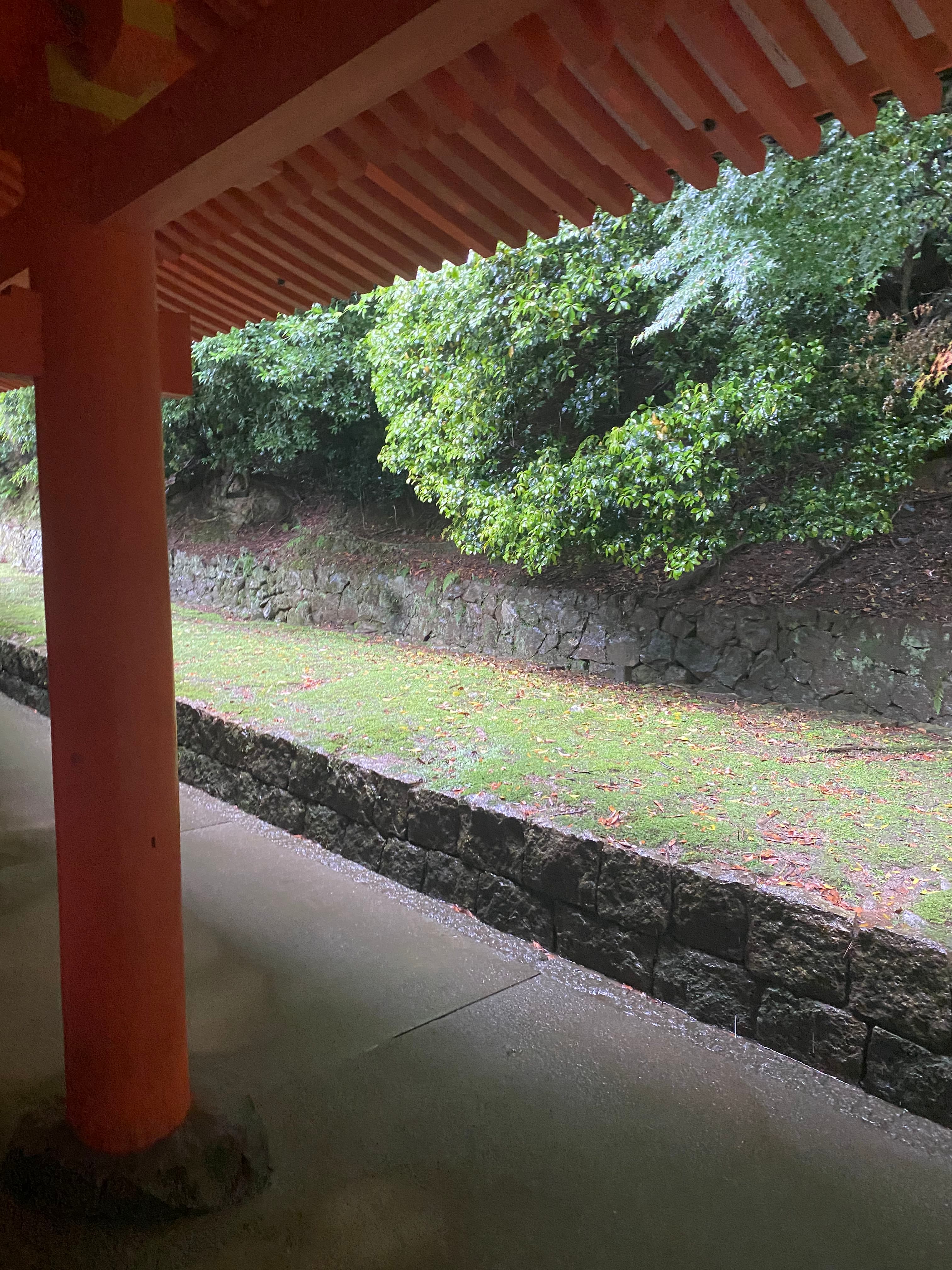
East Cloister, Kasuga-taisha
An eastern passage that keeps Kasuga-taisha's cloister ring active instead of merely symmetrical.
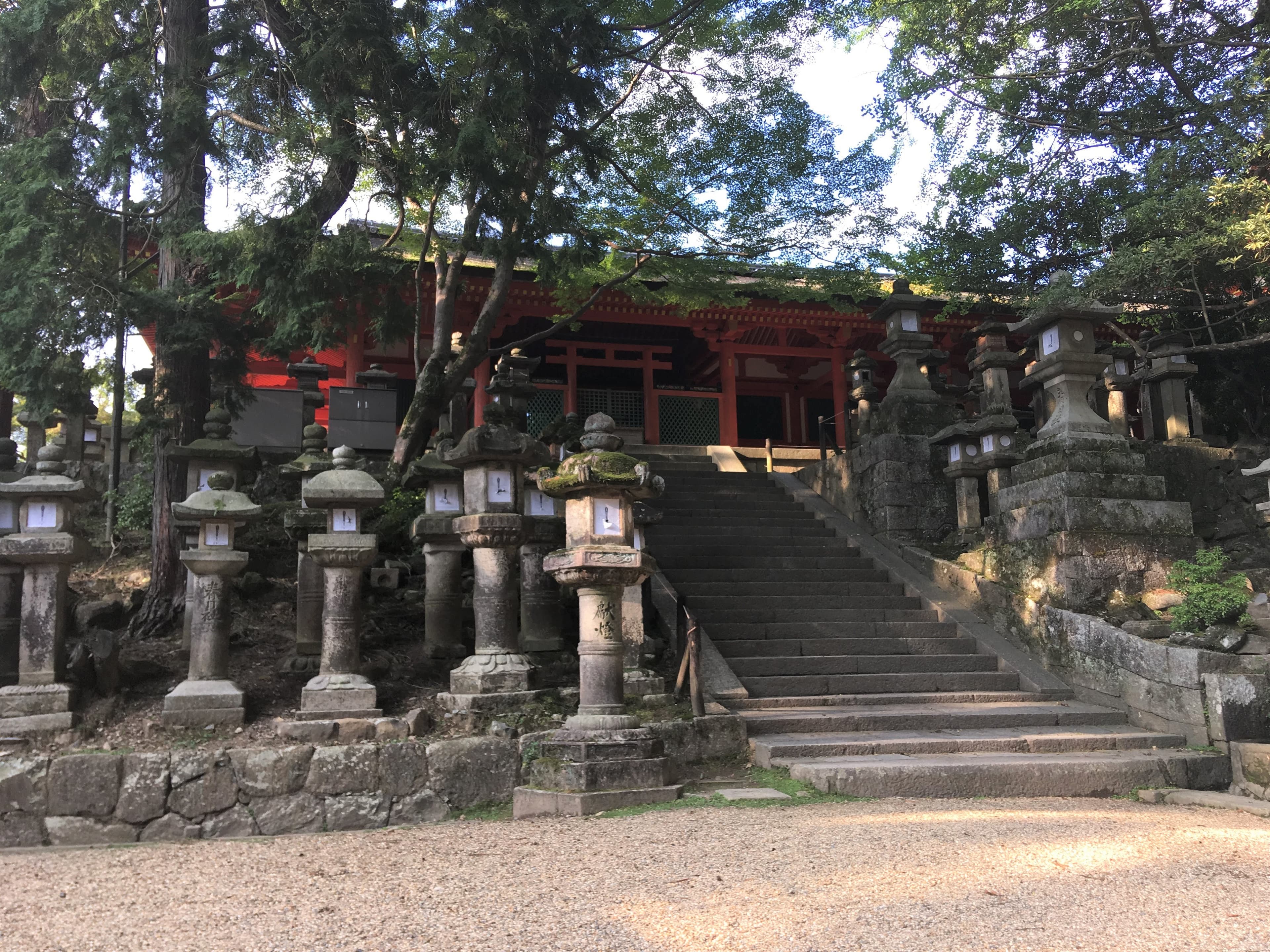
Enomoto Shrine, Kasuga-taisha
A subsidiary shrine that keeps Kasuga-taisha's sacred landscape wider than its main sanctuary alone.
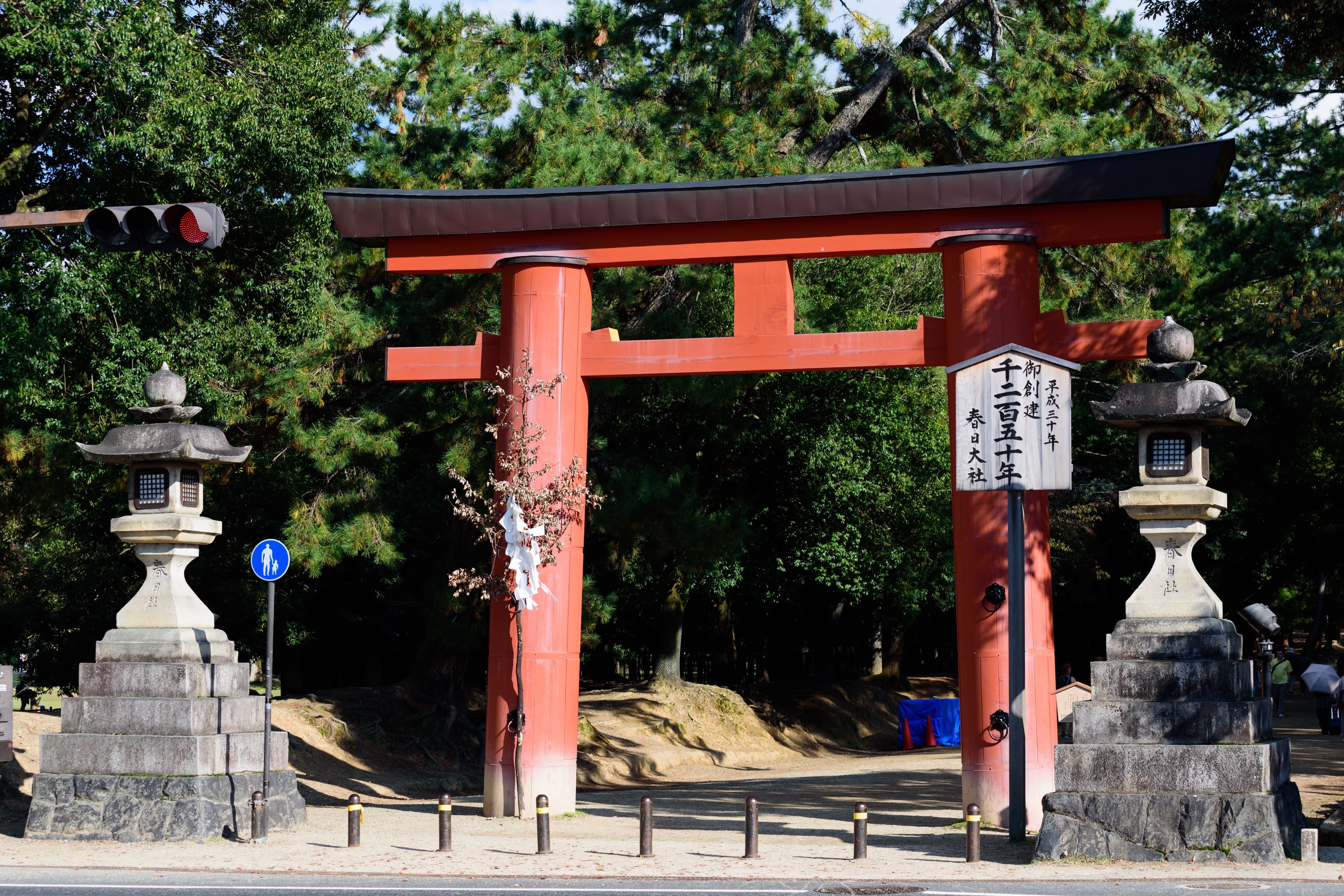
First Torii of Kasuga-taisha
An outer torii that still begins the sacred transition long before the sanctuary halls come into view.

Heiden and Buden, Kasuga-taisha
A paired hall where offerings and courtly performance still keep Kasuga-taisha's inner court alive.
Regional journeys
Journeys in Japan
Kiyomizu-dera Hall Temple Precinct
A Kiyomizu-dera subroute through the temple's major halls that reads the precinct structurally rather than through the broader mountain-stage and gate sequence alone.
Horyu-ji Temple Sequence
A Horyu-ji route through pagoda, hall, and image-centered stops that reads the precinct as a layered early Buddhist complex rather than as a single famous building.
Keep exploring