Living sacred site
Heiden and Buden, Kasuga-taisha
Heiden and Buden, Kasuga-taisha matter because the shrine's ritual life still depends on more than sanctuaries and gates alone, with offerings and ceremonial arts meeting here.

Visitor essentials
What stands out
Scope note
Keep in view
Keep Heiden and Buden framed as active ceremonial space, not just as a long hall behind Nanmon.
At a glance
Before you visit
A paired hall where offerings and courtly performance still keep Kasuga-taisha's inner court alive
Why it matters
UNESCO frames Historic Monuments of Ancient Nara as a living Shinto inner precinct where offering halls, ritual water, auxiliary shrines, ceremonial courts, and sacred trees still shape Kasuga-taisha's sacred geography, and the supporting site sources keep Heiden and Buden, Kasuga-taisha legible as a ceremonial hall within the living Kasuga inner precinct within Ancient Nara.
That matters because Heiden and Buden, Kasuga-taisha is strongest as the paired offering-and-dance hall where imperial gifts and court performance still enter Kasuga's inner court rather than only the long hall behind the south gate.
Respect notes
Visiting notes
Story and context
History and sacred context
Sources
- Official websitePrimary visitor-facing site for current access and institutional context.
- UNESCO entryPrimary authority source for Ancient Nara as a sacred urban landscape of Buddhist temples, a Shinto shrine, and a sacred forest.
- Wikipedia entryWikipedia article for Kasuga-taisha.
- Historic Monuments of Ancient Nara (Property 870)Primary authority source for Ancient Nara as a sacred urban landscape of Buddhist temples, a Shinto shrine, and a sacred forest.
- Kasuga-taisha (Q714559)Entity anchor for Kasuga-taisha as a Shinto shrine and component of the Ancient Nara world-heritage property.
- Category:Kasuga-taishaVisual context for the Kasuga-taisha shrine precinct, its halls, gates, cloisters, lanterns, and approaches.
- Category:Main Sanctuary of Kasuga-taishaVisual context for the Main Sanctuary precinct of Kasuga-taisha and its inner auxiliary shrines, trees, and ceremonial spaces.
- Category:West Cloister of Kasuga-taishaVisual context for the west cloister zone of Kasuga-taisha, including gates and the ritual stream.
- Category:Heiden of Kasuga-taishaVisual context for the Heiden and Buden hall at Kasuga-taisha.
- Heiden and BudenOfficial Kasuga Taisha page describing Heiden as the place for imperial offerings and Buden as the hall for court music and dance.
- Kasuga-taishaWikipedia article for Kasuga-taisha.
Nearby places
Nearby sacred places in Japan
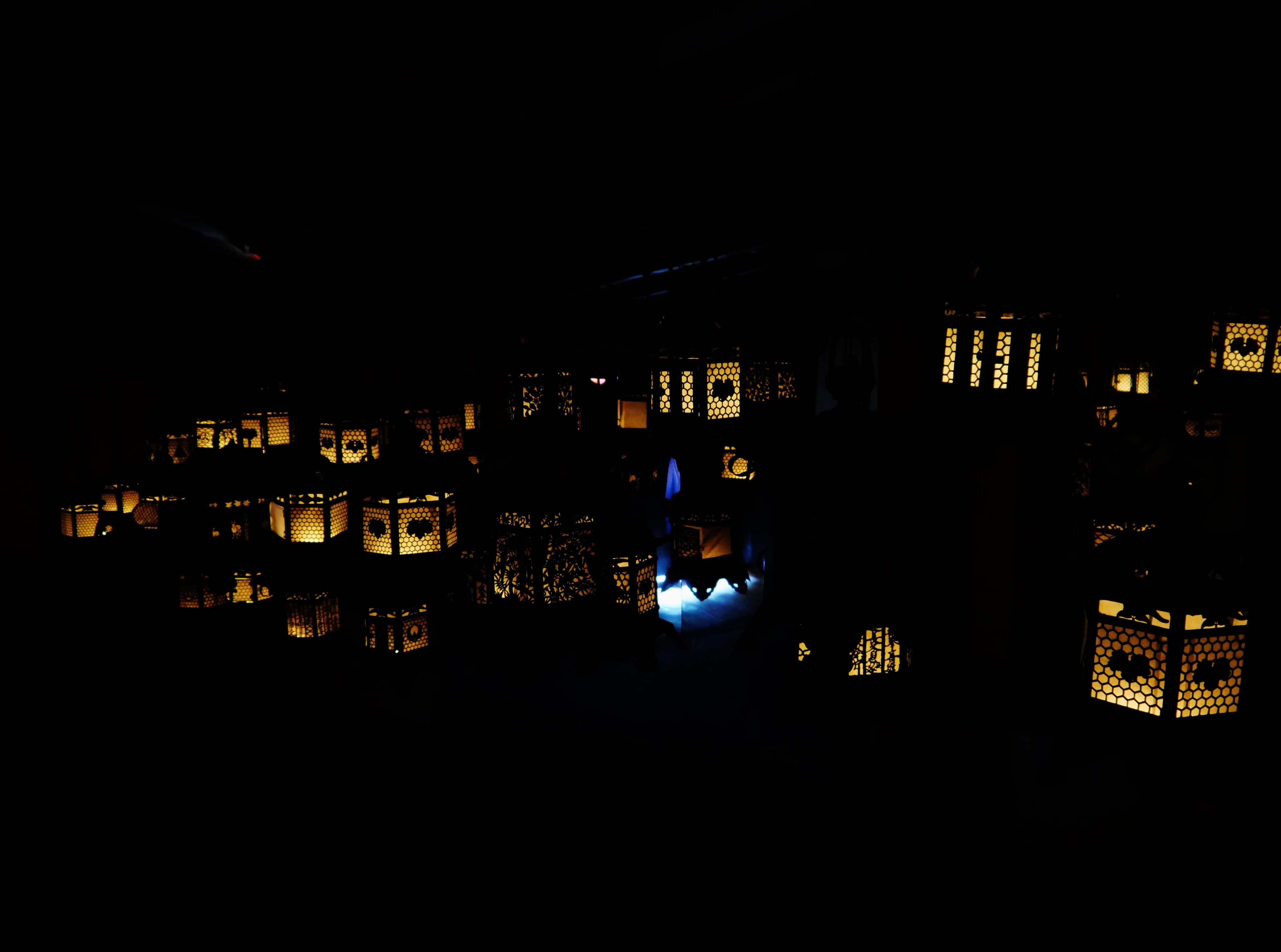
Fujinami-no-ya Hall, Kasuga-taisha
A lantern hall where Kasuga-taisha turns bronze light into one of its strongest inner-precinct devotional experiences.
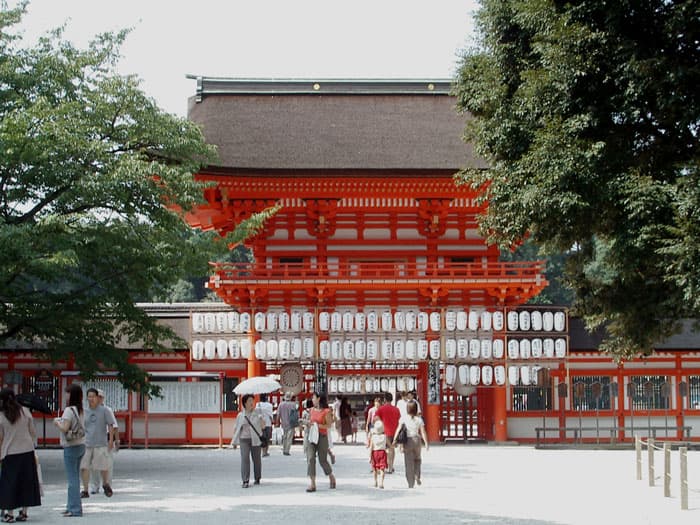
Aioi Shrine, Shimogamo Shrine
A smaller shrine where Shimogamo's living sacred life still gathers around prayers for union and harmony.
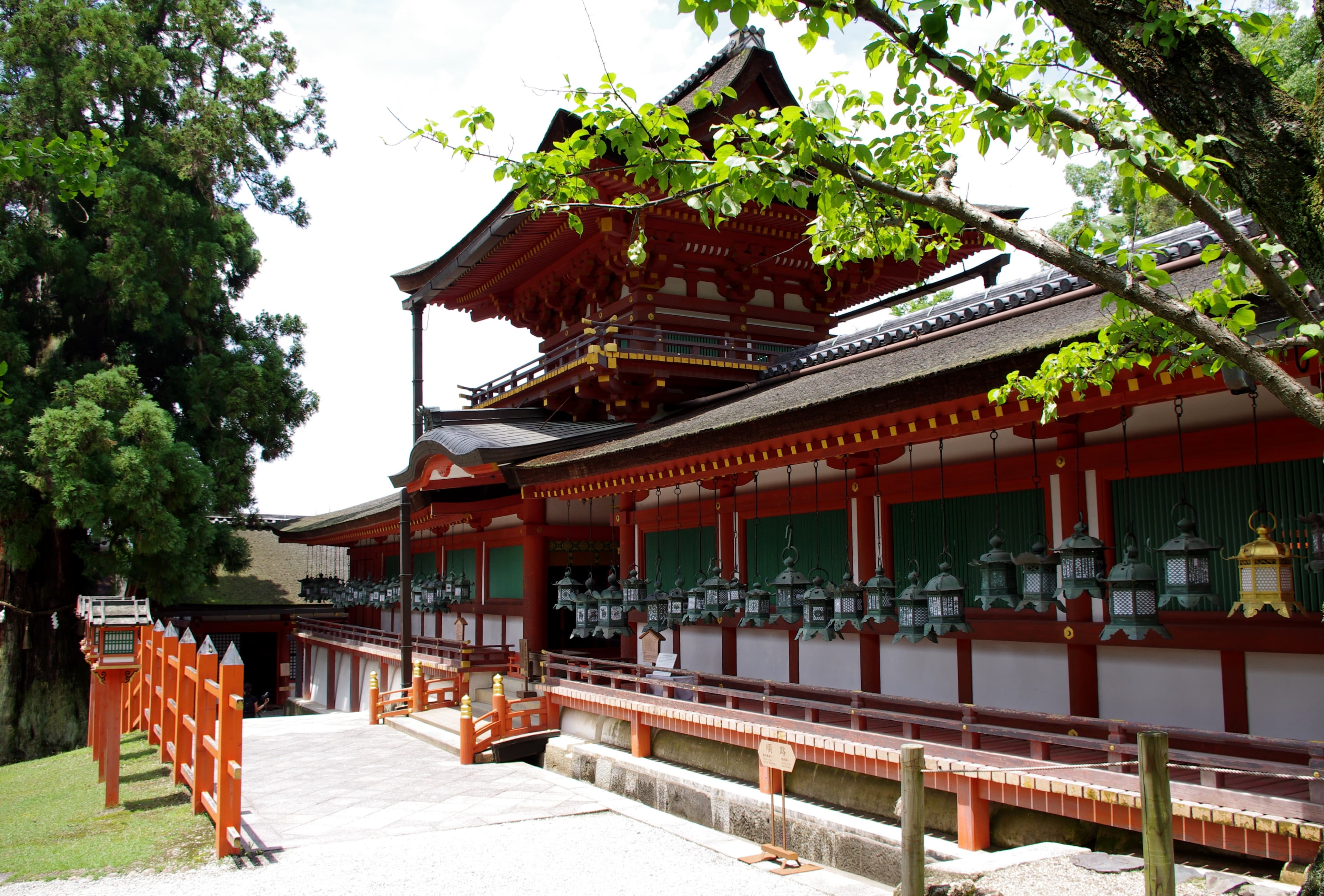
Chumon Gate, Kasuga-taisha
A middle gate whose open wings still shape how Kasuga-taisha's innermost rites are approached.
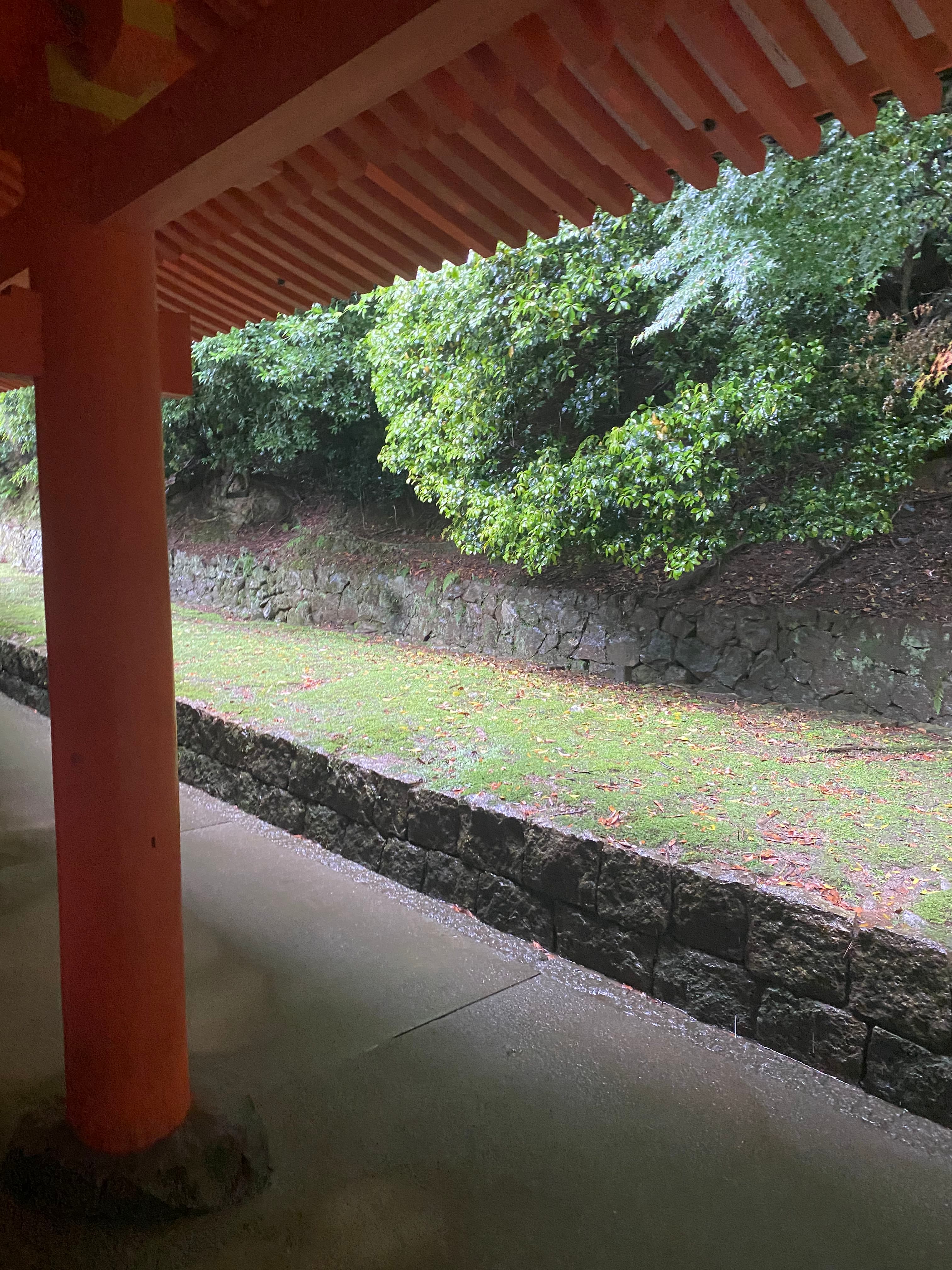
East Cloister, Kasuga-taisha
An eastern passage that keeps Kasuga-taisha's cloister ring active instead of merely symmetrical.
Keep exploring