Living sacred site
Chumon Gate, Kasuga-taisha
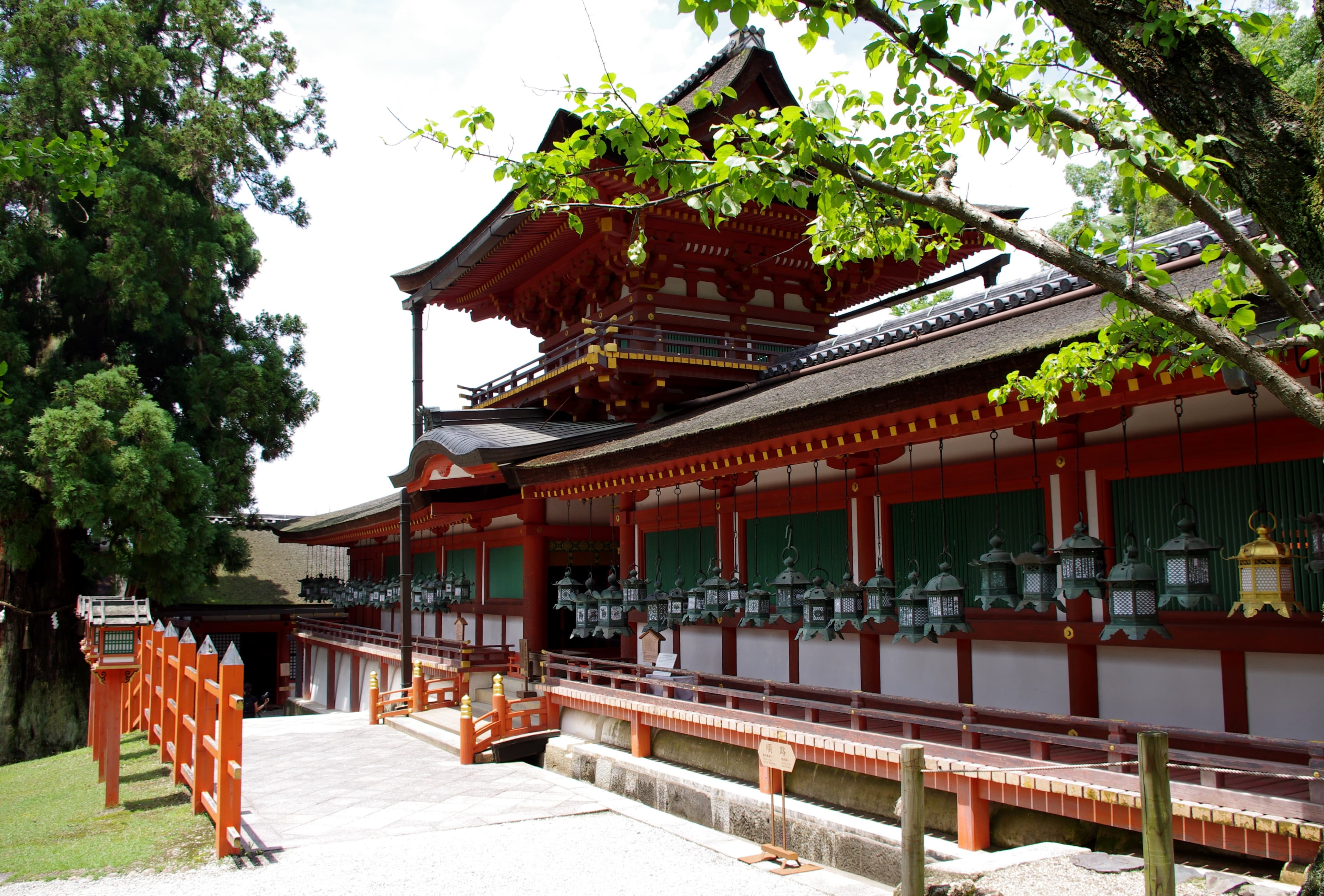
Chumon Gate, Kasuga-taisha matters because it still structures the lived ceremonial threshold of the Main Sanctuary rather than serving only as an ornamental gate.
Visitor essentials
What stands out
Scope note
Keep in view
Keep the Chumon framed as an active ritual threshold joined to the Oro veranda, not just as a gate facade.
At a glance
Before you visit
A middle gate whose open wings still shape how Kasuga-taisha's innermost rites are approached
Why it matters
UNESCO frames Historic Monuments of Ancient Nara as a sacred monument world where Buddhist temples, a major Shinto shrine, and a sacred forest still shape the religious geography of Nara, and the supporting site sources keep Chumon Gate, Kasuga-taisha legible as a gate within the sacred monument world of Ancient Nara.
That matters because Chumon Gate, Kasuga-taisha is strongest as the two-storied middle gate that fronts the Main Sanctuary and anchors the open veranda where priests gather for rites rather than only the ornate gate in front of the main sanctuary.
Respect notes
Visiting notes
Story and context
History and sacred context
Sources
- Official websitePrimary visitor-facing site for current access and institutional context.
- UNESCO entryPrimary authority source for Ancient Nara as a sacred urban landscape of Buddhist temples, a Shinto shrine, and a sacred forest.
- Wikipedia entryWikipedia article for Kasuga-taisha.
- Historic Monuments of Ancient Nara (Property 870)Primary authority source for Ancient Nara as a sacred urban landscape of Buddhist temples, a Shinto shrine, and a sacred forest.
- Kasuga-taisha (Q714559)Entity anchor for Kasuga-taisha as a Shinto shrine and component of the Ancient Nara world-heritage property.
- Category:Kasuga-taishaVisual context for the Kasuga-taisha shrine precinct, its halls, gates, cloisters, lanterns, and approaches.
- Category:Chumon gate of Kasuga-taishaVisual context for the Chumon gate at the Main Sanctuary of Kasuga-taisha.
- Main Sanctuary (in the Cloisters)Official Kasuga Taisha page describing the Chumon and the Oro open veranda in front of the Main Sanctuary.
- Kasuga-taishaWikipedia article for Kasuga-taisha.
Nearby places
Nearby sacred places in Japan
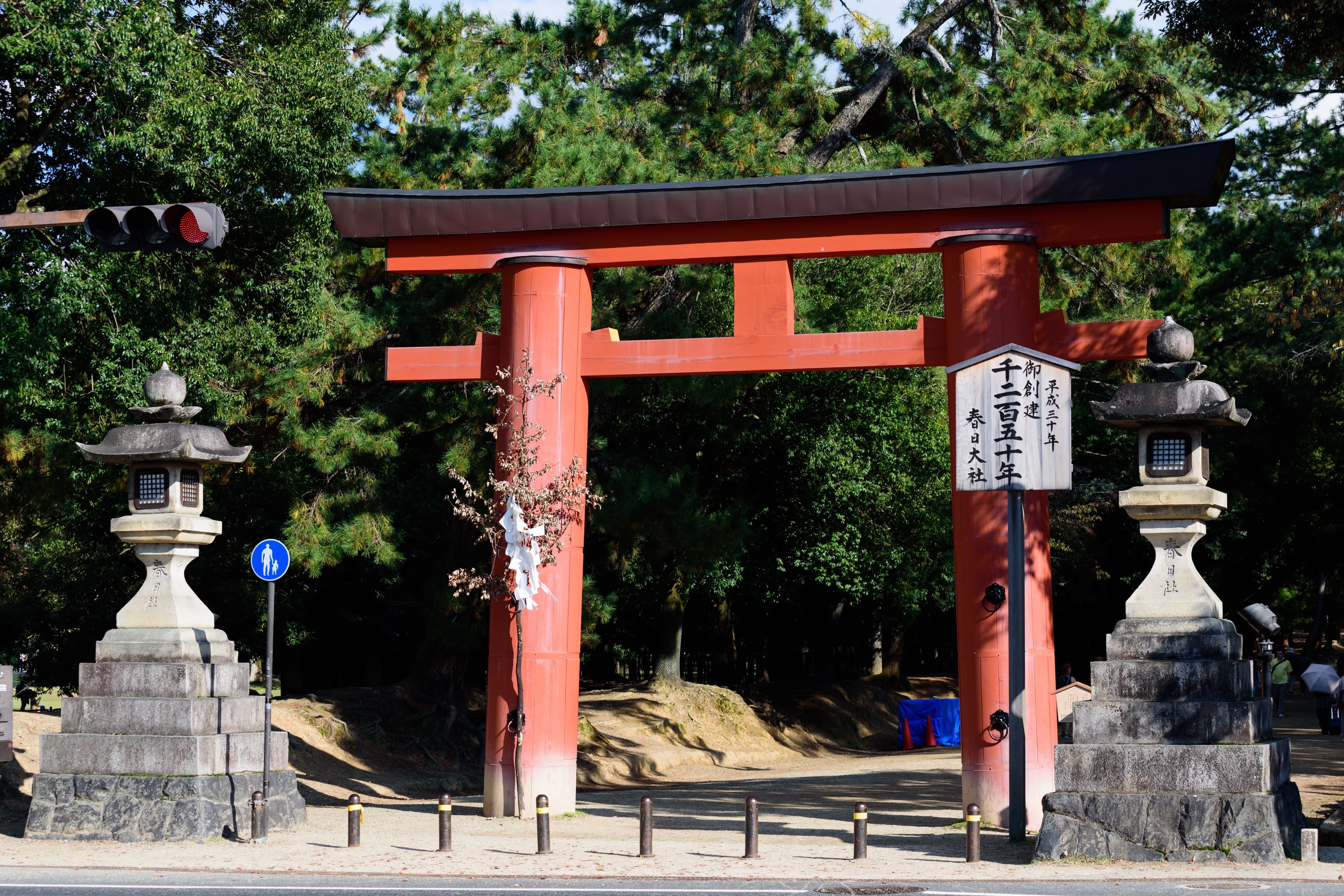
First Torii of Kasuga-taisha
An outer torii that still begins the sacred transition long before the sanctuary halls come into view.
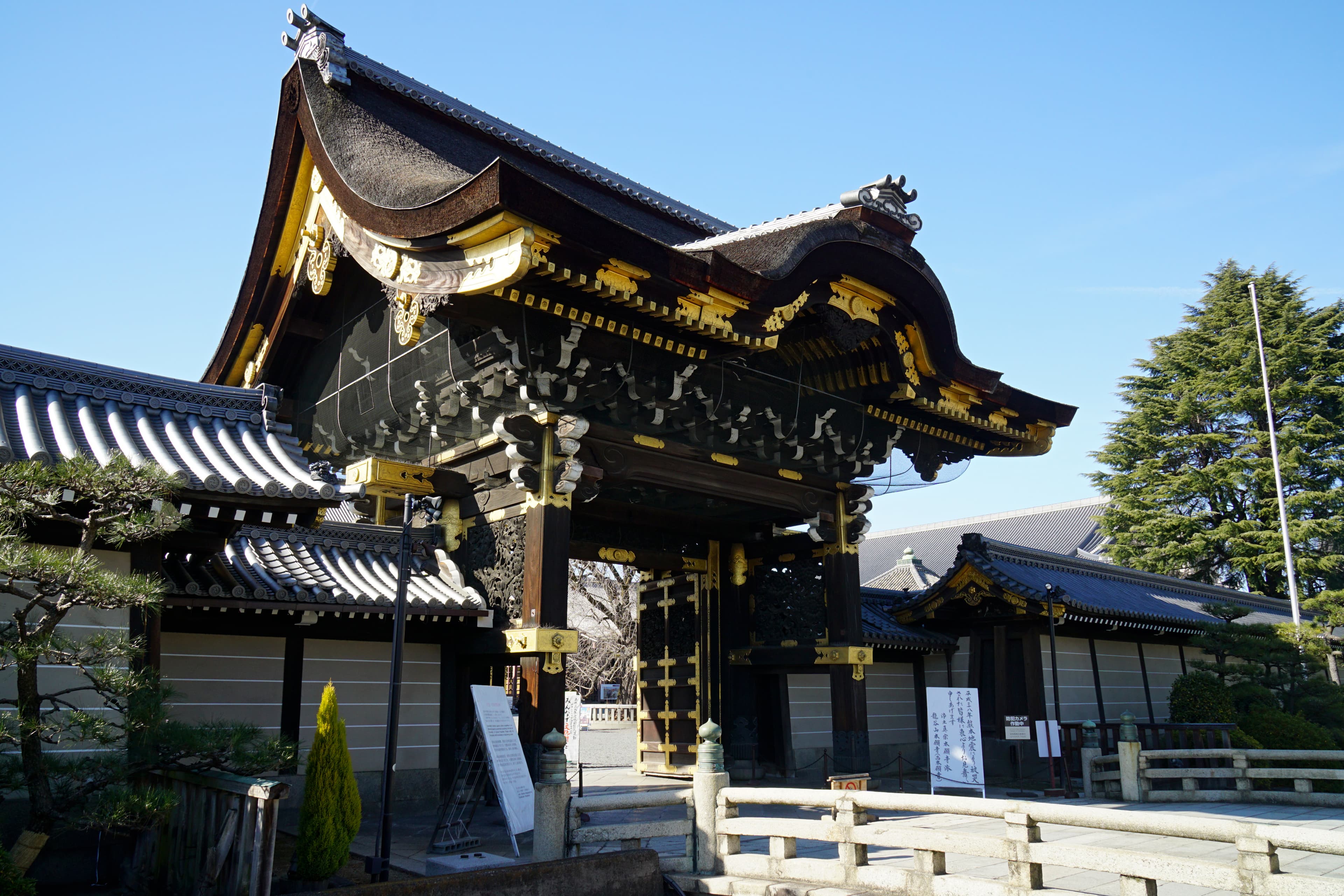
Amidadō-mon, Nishi Hongan-ji
The gate to Nishi Hongan-ji's Amida hall, where approach still carries visitors into the doctrinal center of the precinct.
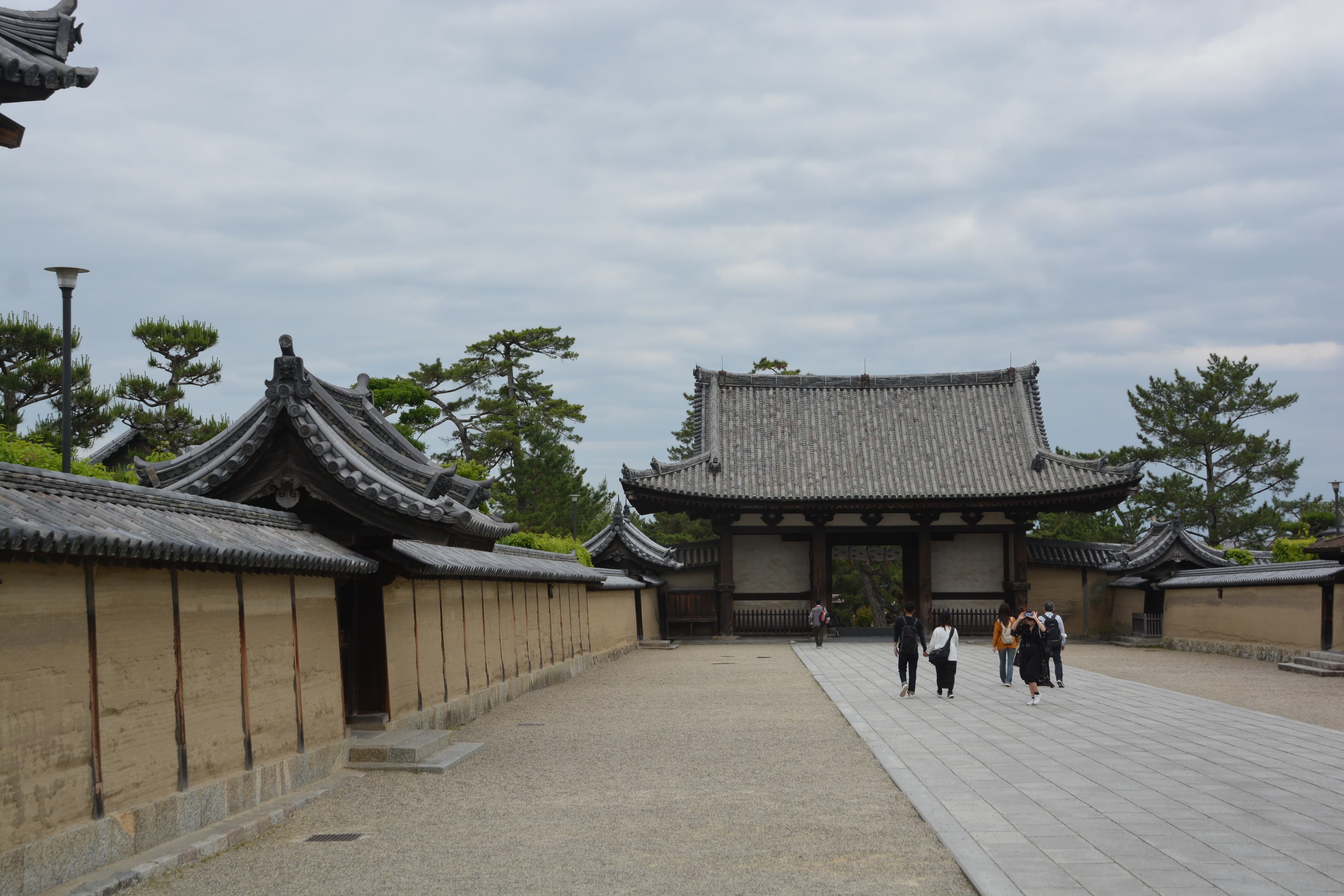
East Gate, Horyu-ji
A gate at Horyu-ji where passage between the Western and Eastern precincts becomes a sacred transition.
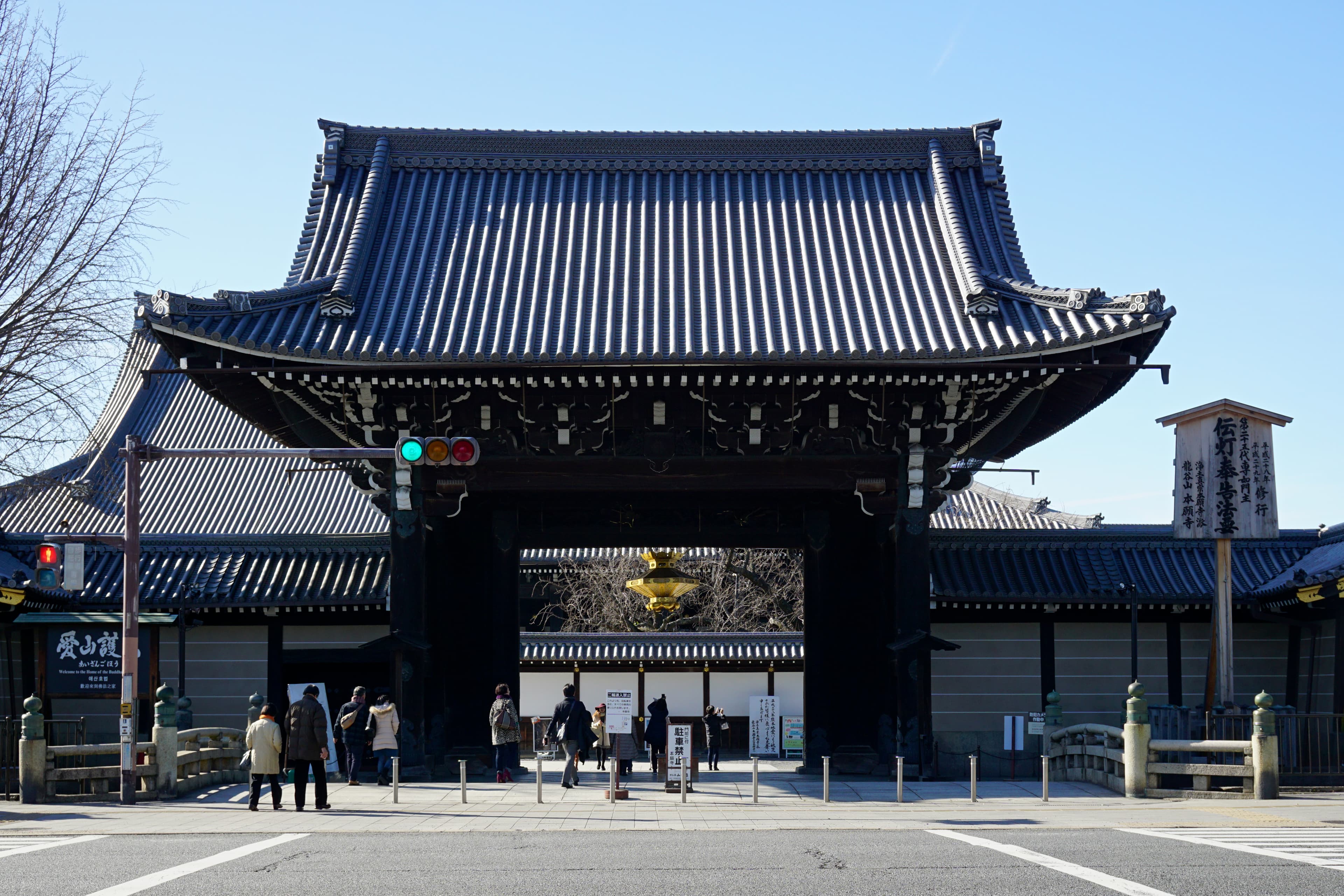
Goeidō-mon, Nishi Hongan-ji
The gate to Shinran's hall, where city approach still gives way to the living ritual center of Nishi Hongan-ji.
Regional journeys
Journeys in Japan
Nishi Hongan-ji Main Halls Circuit
A precinct route through the main halls and gates of Nishi Hongan-ji that reads the temple as a living Pure Land head temple rather than as a set of Kyoto treasures viewed in isolation.
Kiyomizu-dera Temple Precinct
A fuller Kiyomizu-dera route through hall, shrine, gate, pagoda, and waterfall that reads the mountain precinct as a layered sacred environment rather than as one famous stage alone.
Keep exploring