Living sacred site
Jishu Shrine, Kiyomizu-dera
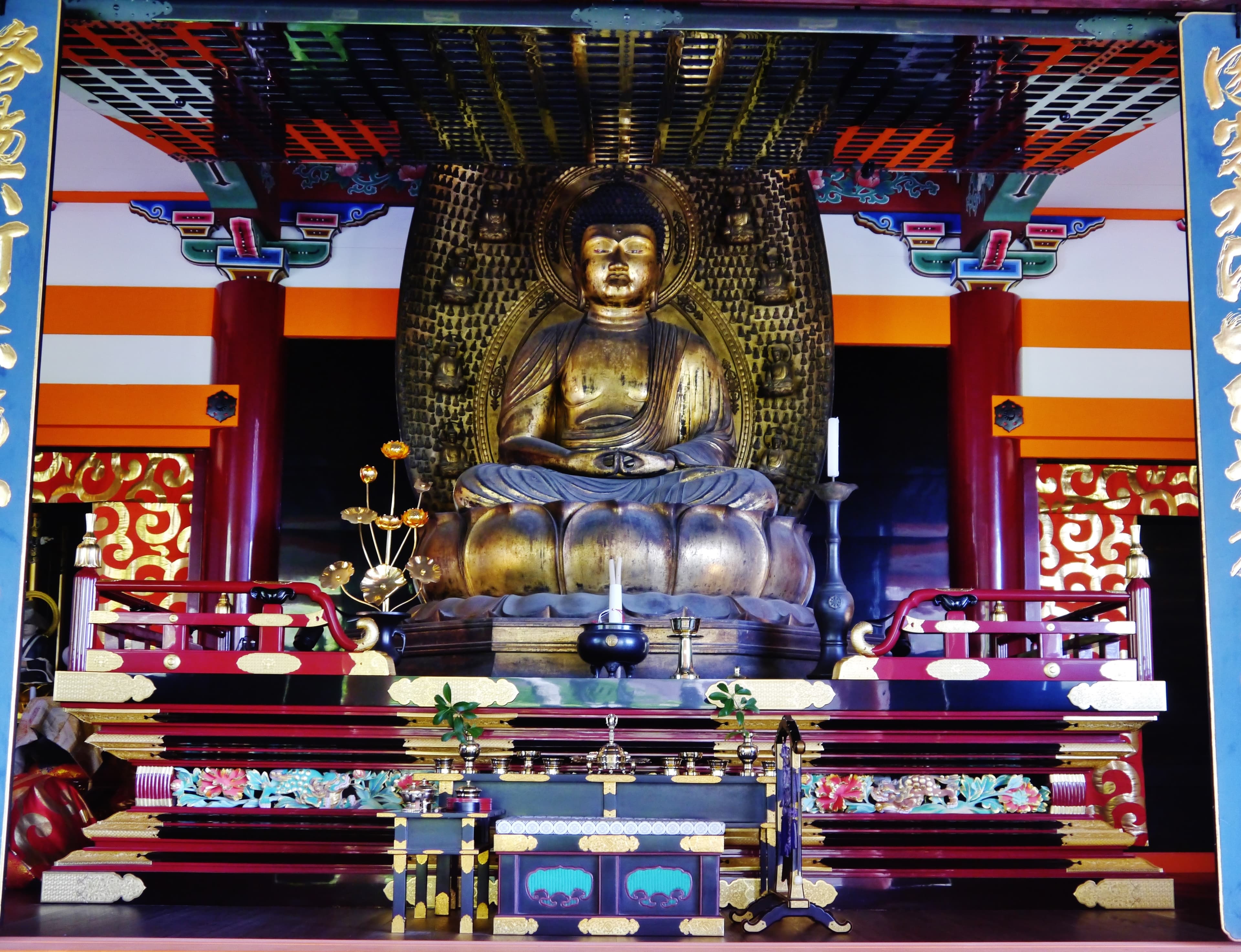
Jishu Shrine, Kiyomizu-dera matters because it keeps the precinct legible as a layered sacred landscape rather than as a single-tradition temple circuit alone.
Visitor essentials
What stands out
Scope note
Keep in view
Keep Jishu Shrine framed as a living shrine within a mixed sacred precinct, not just as a side shrine on the route.
At a glance
Before you visit
A shrine inside Kiyomizu-dera's grounds where layered kami worship still survives beneath the precinct's more famous Buddhist image
Why it matters
UNESCO frames Historic Monuments of Ancient Kyoto (Kyoto, Uji and Otsu Cities) as a living sacred precinct where temple halls, pagodas, sacred water, and an interwoven shrine remain part of Kiyomizu-dera's active religious world, and the supporting site sources keep Jishu Shrine, Kiyomizu-dera legible as a shrine within the living Kiyomizu precinct within Ancient Kyoto.
That matters because Jishu Shrine, Kiyomizu-dera is strongest as the shrine within the Kiyomizu precinct where kami worship still remains woven into the temple's larger sacred hillside world rather than only a secondary stop beside the temple halls.
Respect notes
Visiting notes
Story and context
History and sacred context
Sources
- Official websitePrimary visitor-facing site for current access and institutional context.
- UNESCO entryPrimary authority source for the Ancient Kyoto serial property and its religious monuments.
- Wikipedia entryWikipedia article for Kiyomizu-dera Temple.
- Historic Monuments of Ancient Kyoto (Kyoto, Uji and Otsu Cities) (Property 688)Primary authority source for the Ancient Kyoto serial property and its religious monuments.
- Historic Monuments of Ancient Kyoto - MapsComponent map source identifying Kiyomizu-dera within the Ancient Kyoto property.
- Kiyomizu-dera Temple (Q221716)Parent entity anchor for Kiyomizu-dera as a Buddhist temple, pilgrimage site, and Ancient Kyoto world-heritage component.
- Category:Kiyomizu-deraVisual context for Kiyomizu-dera, its halls, pagodas, shrine, and wider hillside precinct.
- VisitOfficial Kiyomizu-dera ground map and component guide describing Jishu Shrine within the precinct and its continuing sacred role.
- Kiyomizu-dera TempleWikipedia article for Kiyomizu-dera Temple.
Nearby places
Nearby sacred places in Japan
Shimogamo Shrine
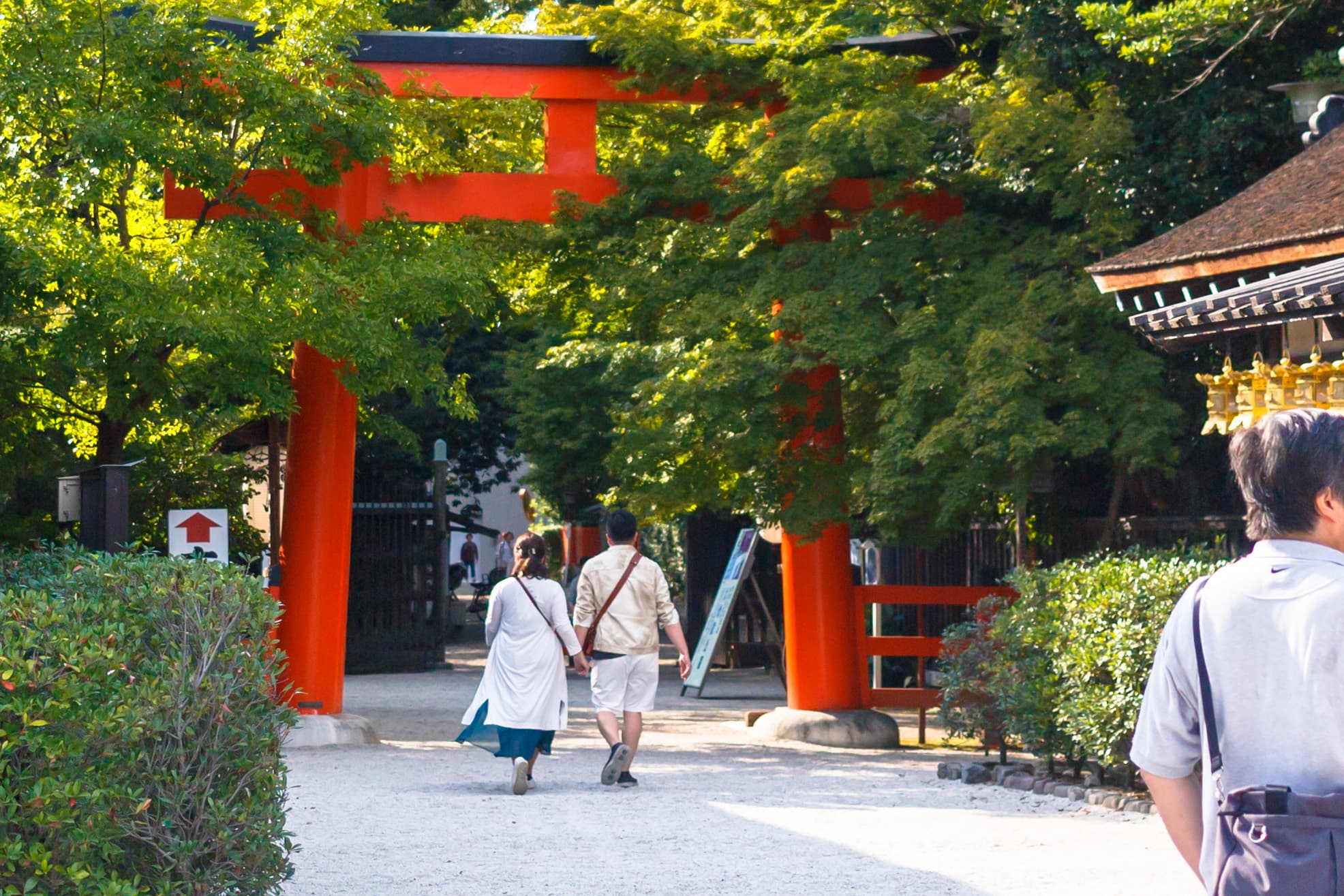
A major Kamo shrine where wooded setting, ritual continuity, and old Kyoto sacred memory remain unusually strong.
Kiyomizu-dera
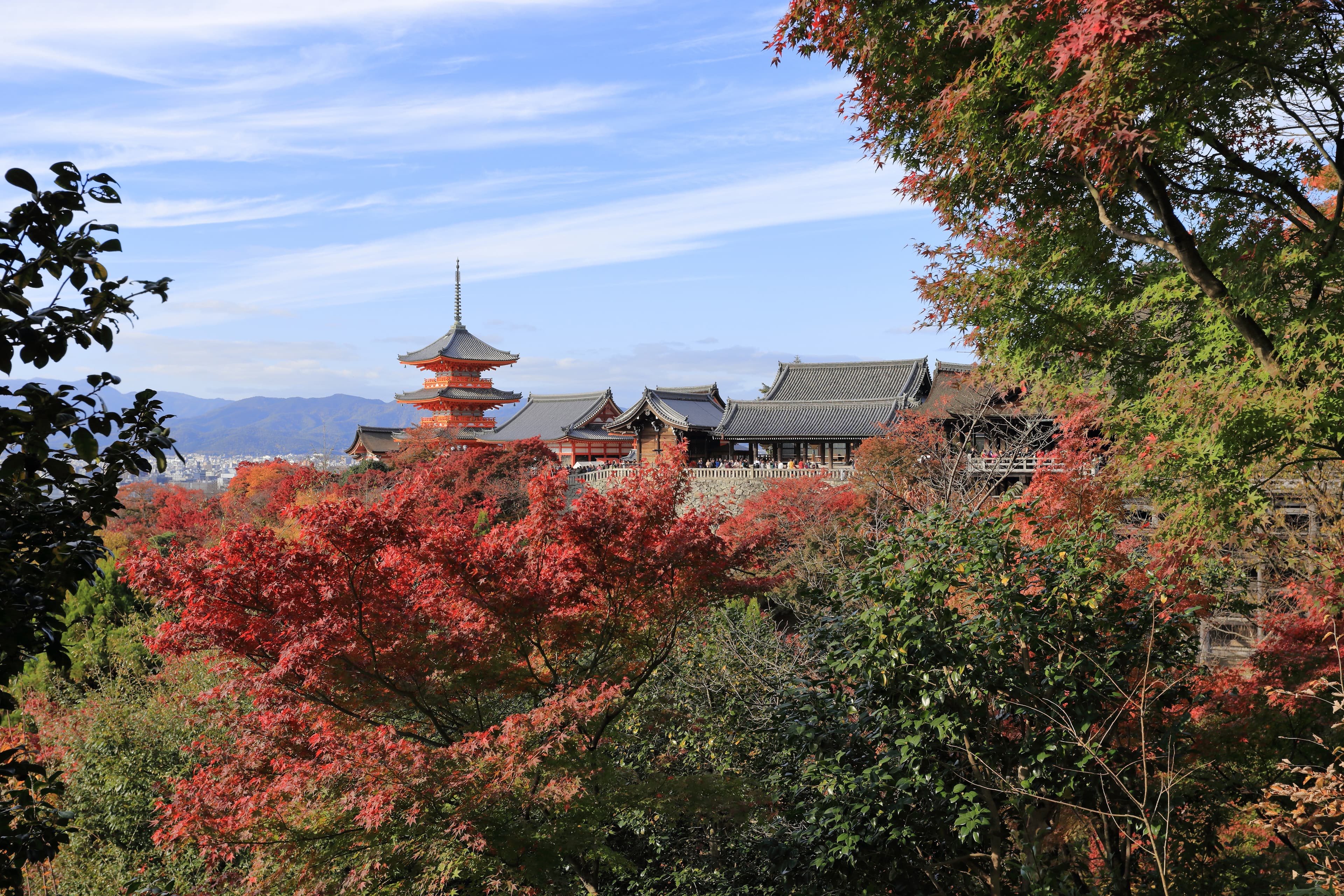
A temple where ritual awareness, world-heritage context, and calmer crowd guidance all need to coexist.
Koyasu Pagoda, Kiyomizu-dera
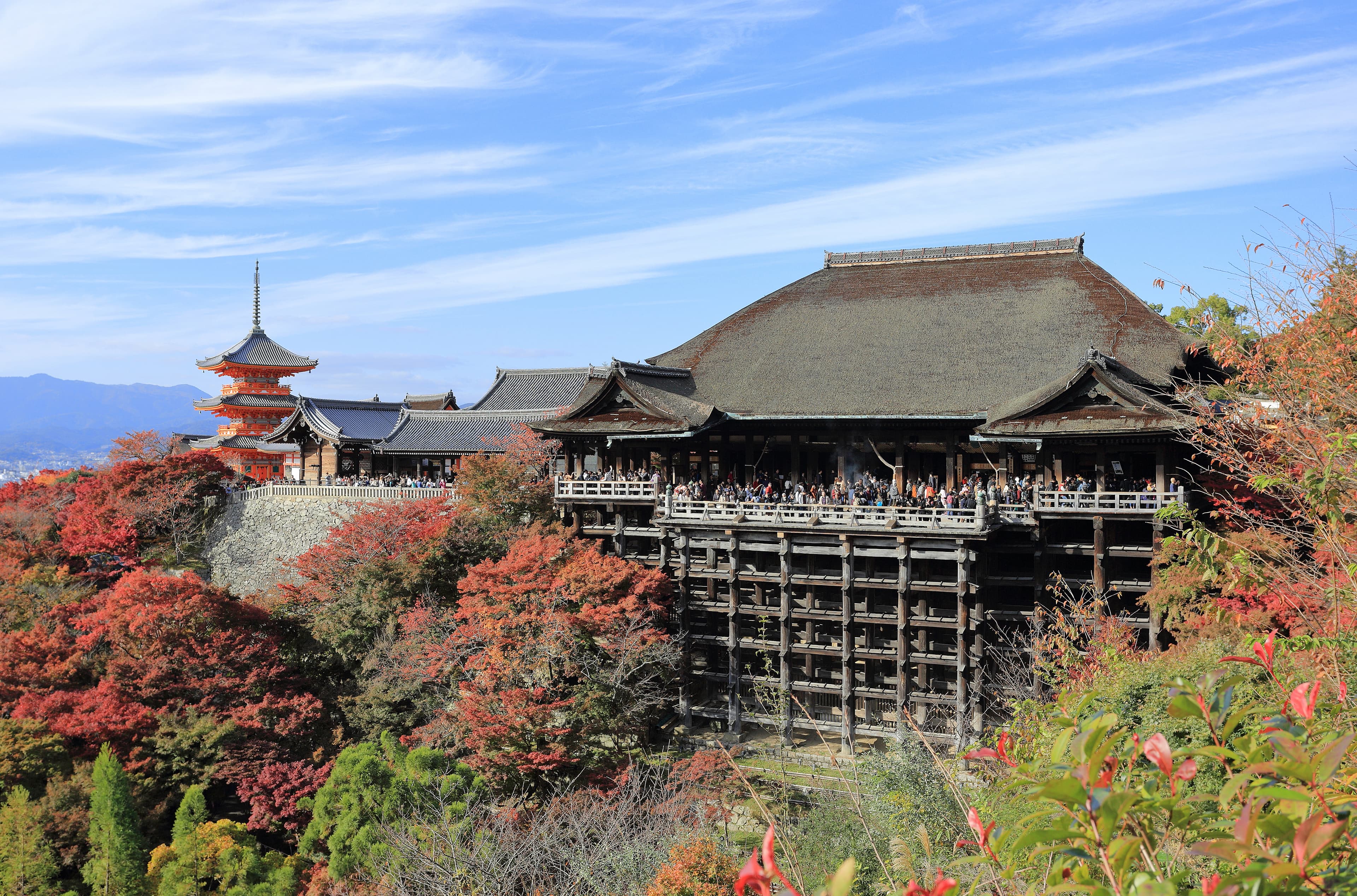
A quieter Kiyomizu pagoda where prayer for safe childbirth still keeps the hillside precinct unmistakably devotional.
.jpg&w=3840&q=75)
Main Hall, Kiyomizu-dera
Kiyomizu-dera's main hall, where the famous stage still serves a living Kannon sanctuary.
On the same route
Places on the same route
Kiyomizu-dera
A temple where ritual awareness, world-heritage context, and calmer crowd guidance all need to coexist.
.jpg&w=3840&q=75)
Zuigu-do Hall, Kiyomizu-dera
A quieter Kiyomizu hall where hidden worship and embodied ritual still shape the visit.
Main Hall, Kiyomizu-dera
Kiyomizu-dera's main hall, where the famous stage still serves a living Kannon sanctuary.
Koyasu Pagoda, Kiyomizu-dera
A quieter Kiyomizu pagoda where prayer for safe childbirth still keeps the hillside precinct unmistakably devotional.
Related journeys
Related journeys
Keep exploring