Living sacred site
Haiden, Ujigami Jinja
Haiden, Ujigami Jinja matters because one of Japan's oldest surviving worship halls still receives living prayer and ritual instead of standing as architecture alone.
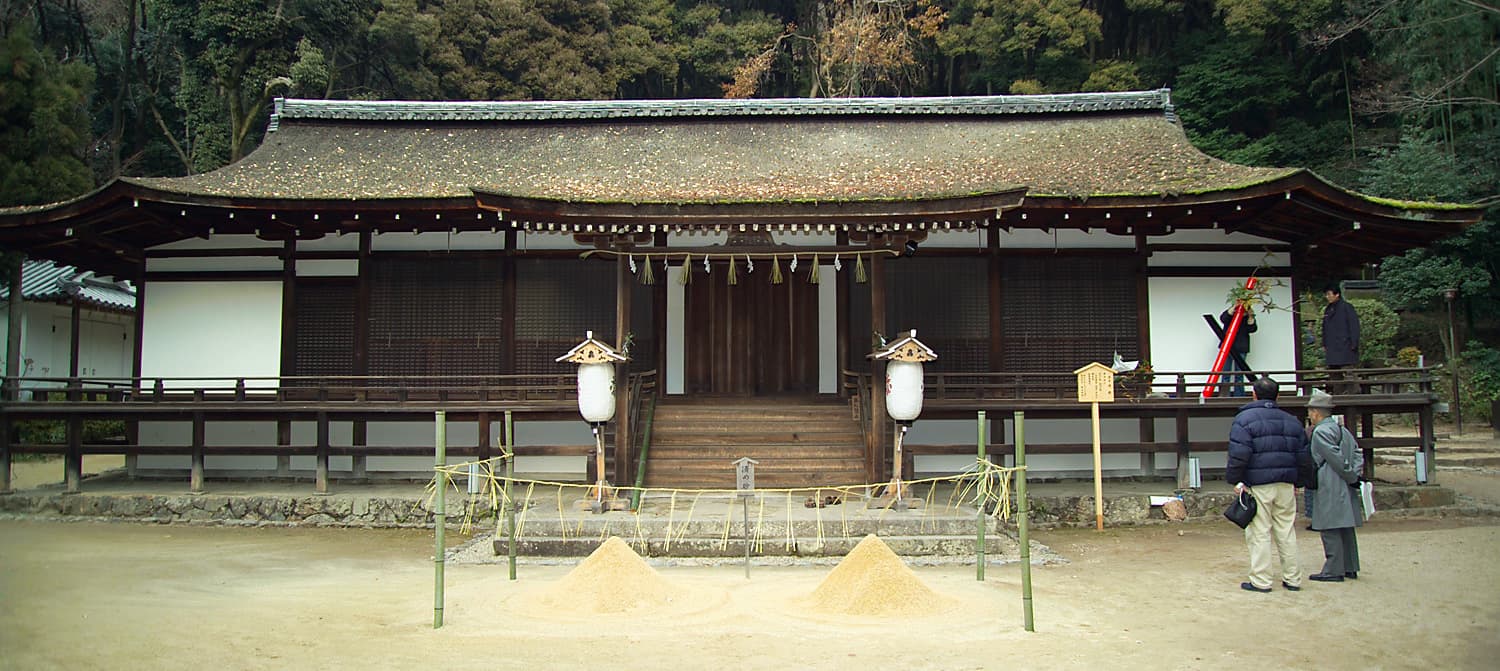
Visitor essentials
What stands out
Scope note
Keep in view
Keep the haiden framed as an active place of prayer, not just as a preserved historic hall.
At a glance
Before you visit
A national-treasure haiden that still works as Ujigami Shrine's active place of prayer
Why it matters
UNESCO frames Historic Monuments of Ancient Kyoto (Kyoto, Uji and Otsu Cities) as a sacred Uji cluster where Buddhist temple architecture and Shinto shrine buildings remain in close relationship within the wider Ancient Kyoto world, and the supporting site sources keep Haiden, Ujigami Jinja legible as a worship hall within Uji's sacred monuments within Ancient Kyoto.
That matters because Haiden, Ujigami Jinja is strongest as the haiden where prayer, reception, and formal rites still unfold before Ujigami Shrine's honden rather than only the old worship hall in front of the honden.
Respect notes
Visiting notes
Story and context
History and sacred context
Sources
- Official websitePrimary visitor-facing site for current access and institutional context.
- UNESCO entryPrimary authority source for the Ancient Kyoto serial property and its religious monuments in Kyoto, Uji, and Otsu.
- Wikipedia entryWikipedia article for Haiden, Ujigami Jinja.
- Historic Monuments of Ancient Kyoto (Kyoto, Uji and Otsu Cities) (Property 688)Primary authority source for the Ancient Kyoto serial property and its religious monuments in Kyoto, Uji, and Otsu.
- Historic Monuments of Ancient Kyoto - MapsComponent map source identifying Byōdō-in and Ujigami-jinja within the Ancient Kyoto property.
- Byōdō-in Temple (Q61094)Parent entity anchor for Byōdō-in as a Buddhist temple and component of the Ancient Kyoto world-heritage property.
- Category:Byōdō-inVisual context for Byōdō-in, its pond, Phoenix Hall, and related temple buildings in Uji.
- Ujigami Shrine (Q583589)Parent entity anchor for Ujigami Shrine as a Shinto shrine and component of the Ancient Kyoto world-heritage property.
- Category:Ujigami JinjaVisual context for Ujigami Shrine and its buildings in Uji.
- Haiden, Ujigami Jinja (Q107020563)Entity anchor for the haiden of Ujigami Shrine as a National Treasure and part of the Ancient Kyoto property.
- Category:Haiden, Ujigami JinjaVisual context for the haiden of Ujigami Shrine.
- Gokitō ni TsuiteOfficial Ujigami Shrine page describing prayers performed in the haiden and the shrine's continuing ritual use.
- Sanpai no GoannaiOfficial Ujigami Shrine visitor page confirming current worship access and shrine use.
- Haiden, Ujigami JinjaWikipedia article for Haiden, Ujigami Jinja.
Nearby places
Nearby sacred places in Japan
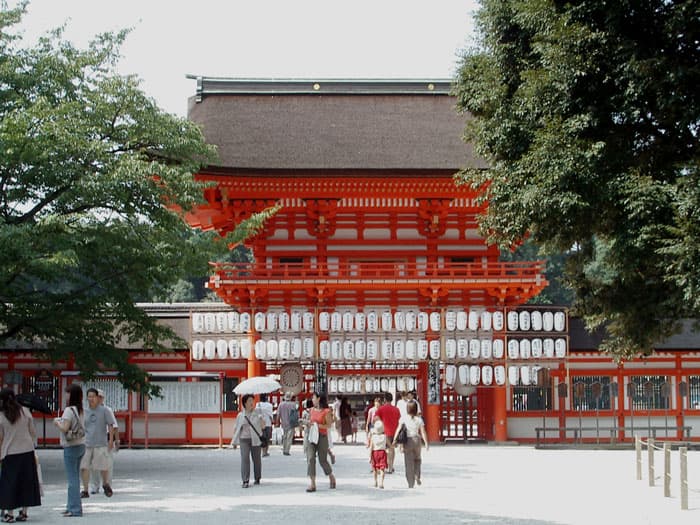
Aioi Shrine, Shimogamo Shrine
A smaller shrine where Shimogamo's living sacred life still gathers around prayers for union and harmony.
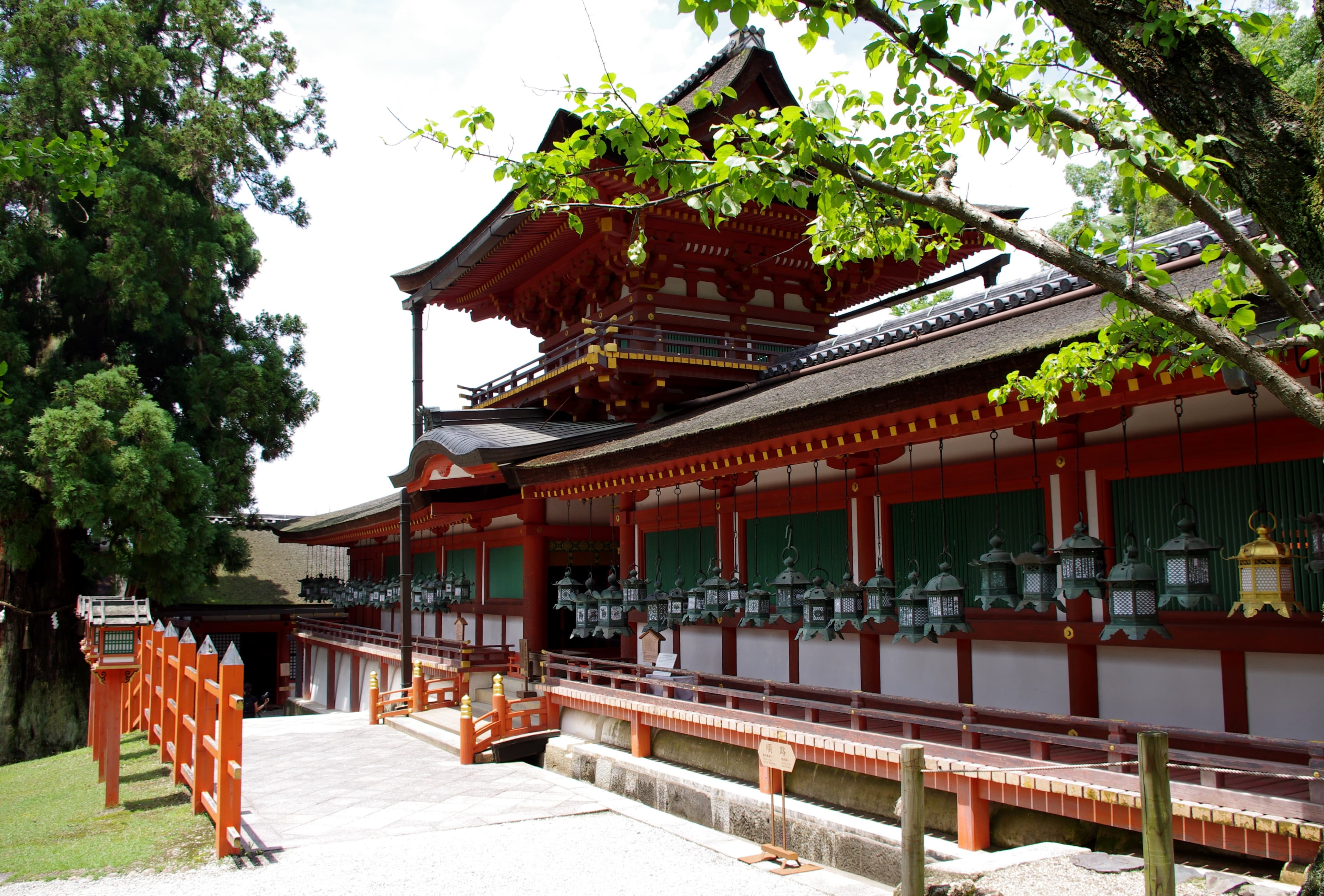
Chumon Gate, Kasuga-taisha
A middle gate whose open wings still shape how Kasuga-taisha's innermost rites are approached.
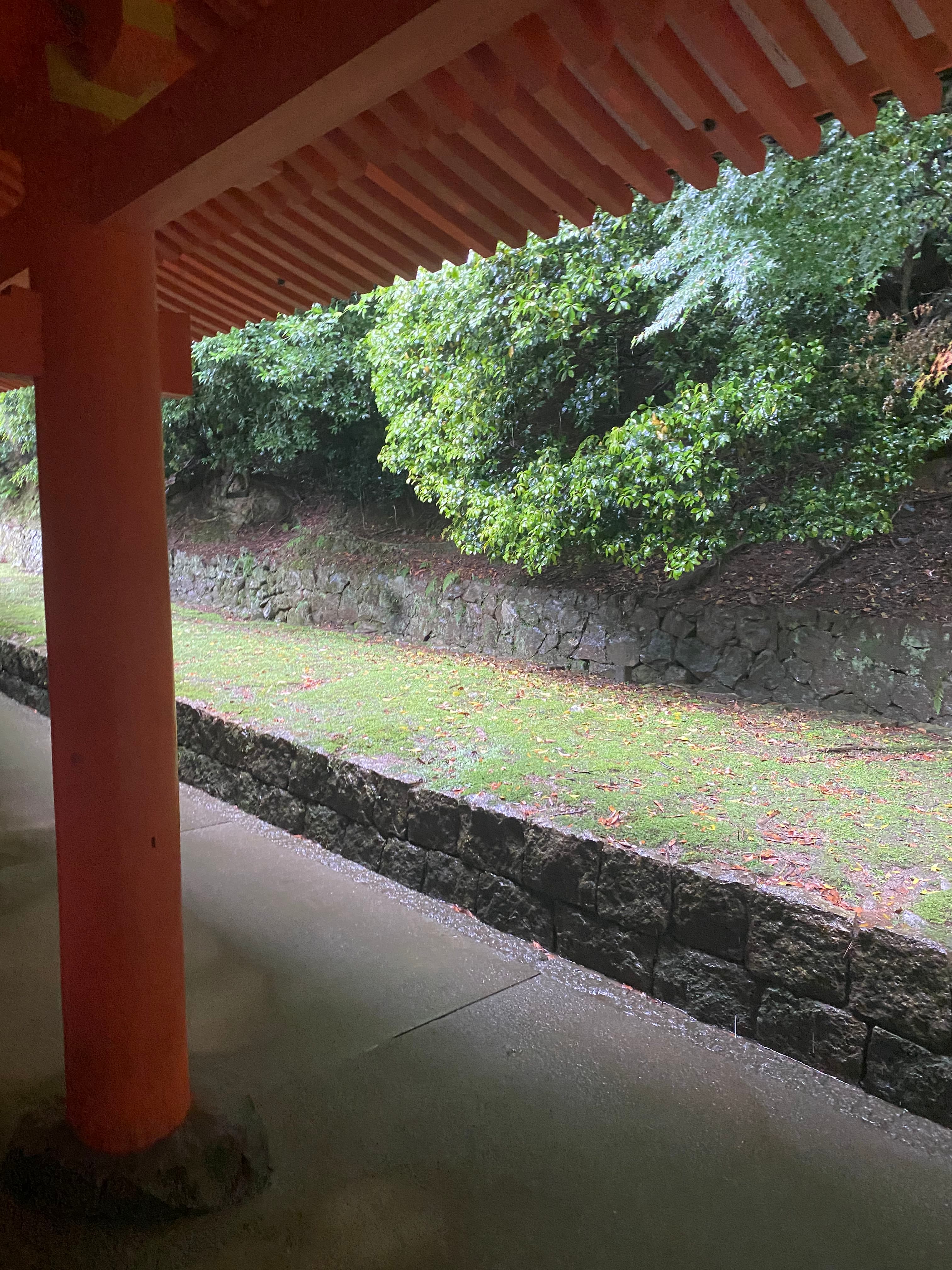
East Cloister, Kasuga-taisha
An eastern passage that keeps Kasuga-taisha's cloister ring active instead of merely symmetrical.

East Main Shrine, Shimogamo Shrine
A paired inner sanctuary where Tamayorihime no Mikoto still shapes the sacred balance at Shimogamo's core.
Keep exploring