Tradition
Greek Catholic Christianity
This tradition should keep Eastern liturgy, village church life, and layered jurisdictional history visible without flattening Greek Catholic sites into either generic Catholicism or generic Orthodoxy.
Quick explainer
How to use this tradition lens
This short explainer tells users what the tradition foregrounds, how it feels on the ground, and when that lens is most useful.
Core concepts
This page teaches the lens, then points to the places.
Greek Catholic sites on this project often look architecturally close to Orthodox ones because they share an Eastern liturgical world of icon screens, timber churches, and village ritual life. The distinction matters because sources like the Șurdești church record a specifically Greek Catholic identity even inside a wider UNESCO sacred-building tradition.
That means this label works best when we need to preserve a real confessional layer instead of smoothing it away. Ieud Hill Church, for example, still carries a documented Greek Catholic history even though later Orthodox continuity also matters there.
Places
Major places connected to Greek Catholic Christianity
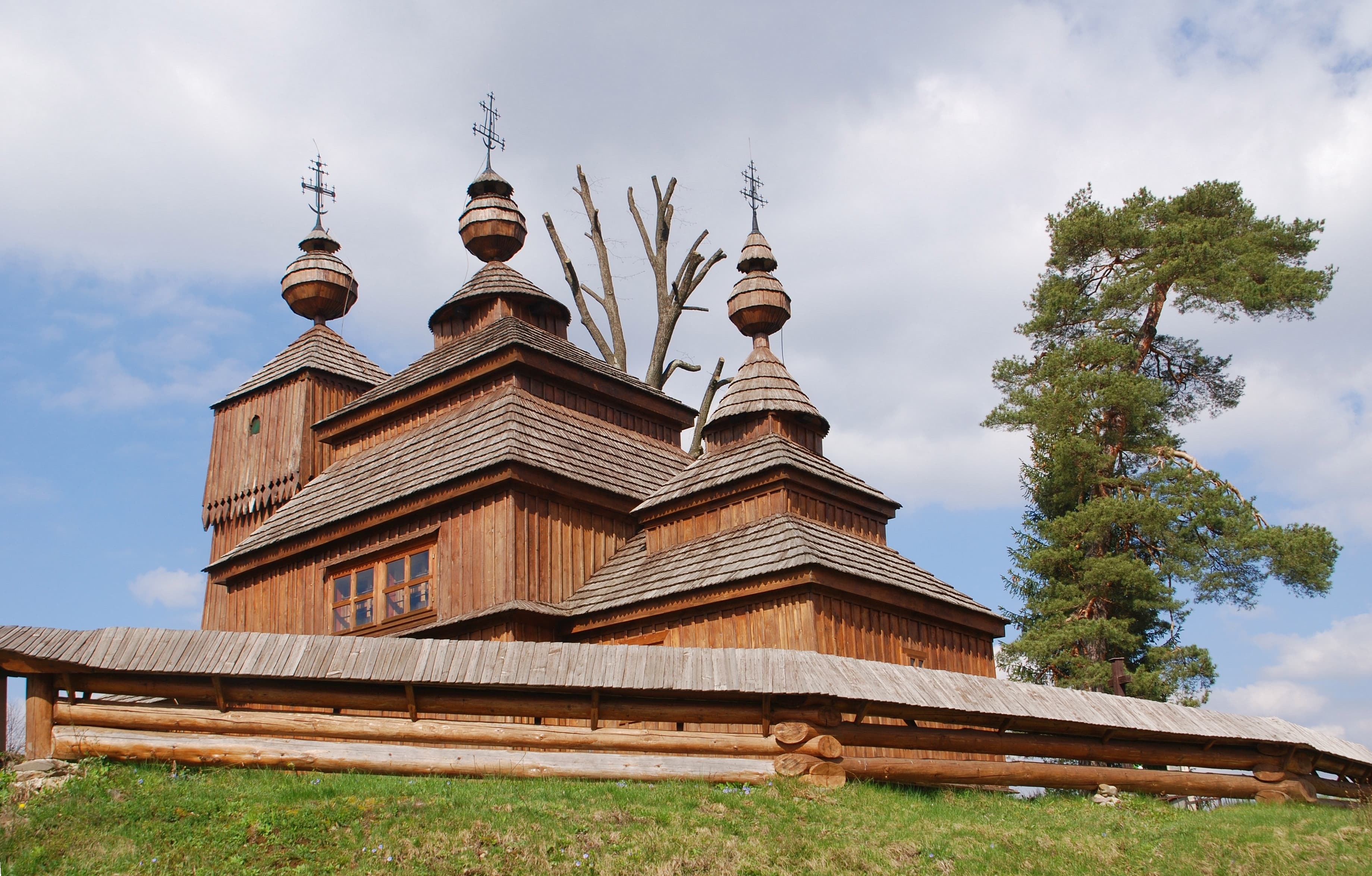
Church of Saint Nicolas, Bodružal
A Greek Catholic wooden church whose vertical roof composition and icon-filled interior still hold village worship and Carpathian sacred form together.
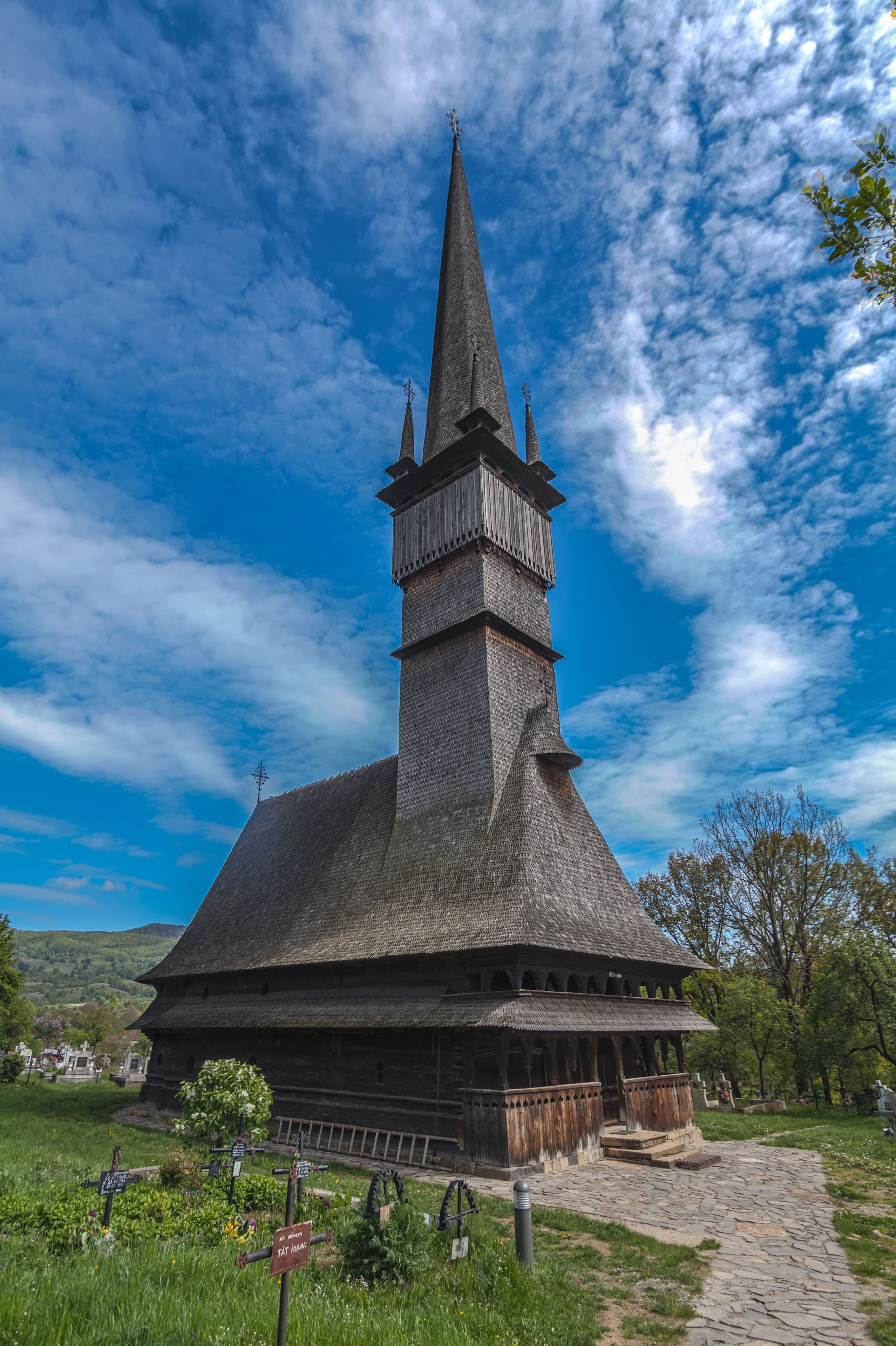
Church of the Archangels Michael and Gabriel, Șurdești
A soaring wooden church in Șurdești where Greek Catholic identity and extraordinary timber height still shape the sacred experience of the place.
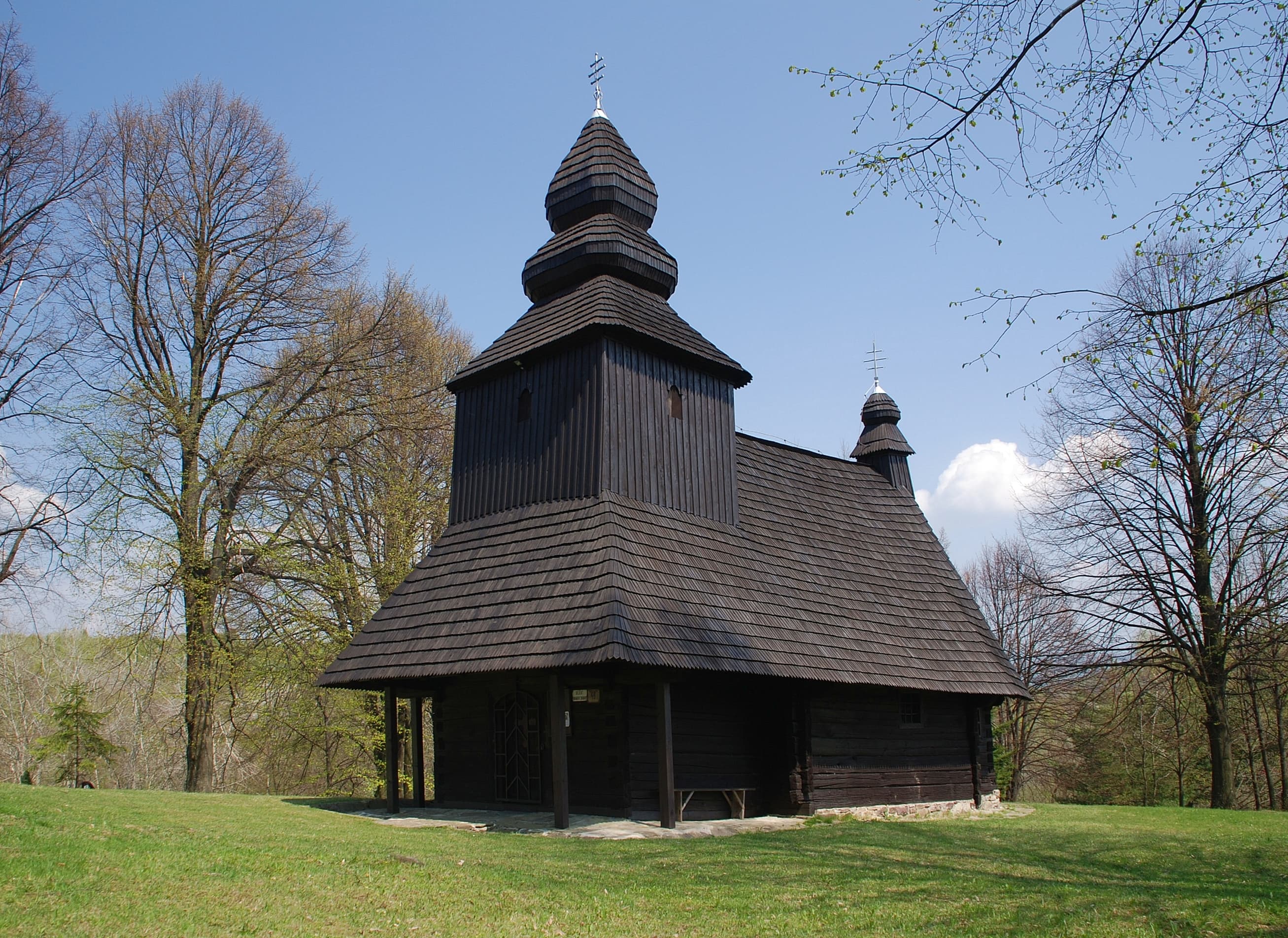
Church of the Transfer of the Relics of St. Nicholas, Ruská Bystrá
A Greek Catholic wooden church whose layered roofline and Carpathian village setting still feel like an active eastern-rite sanctuary.
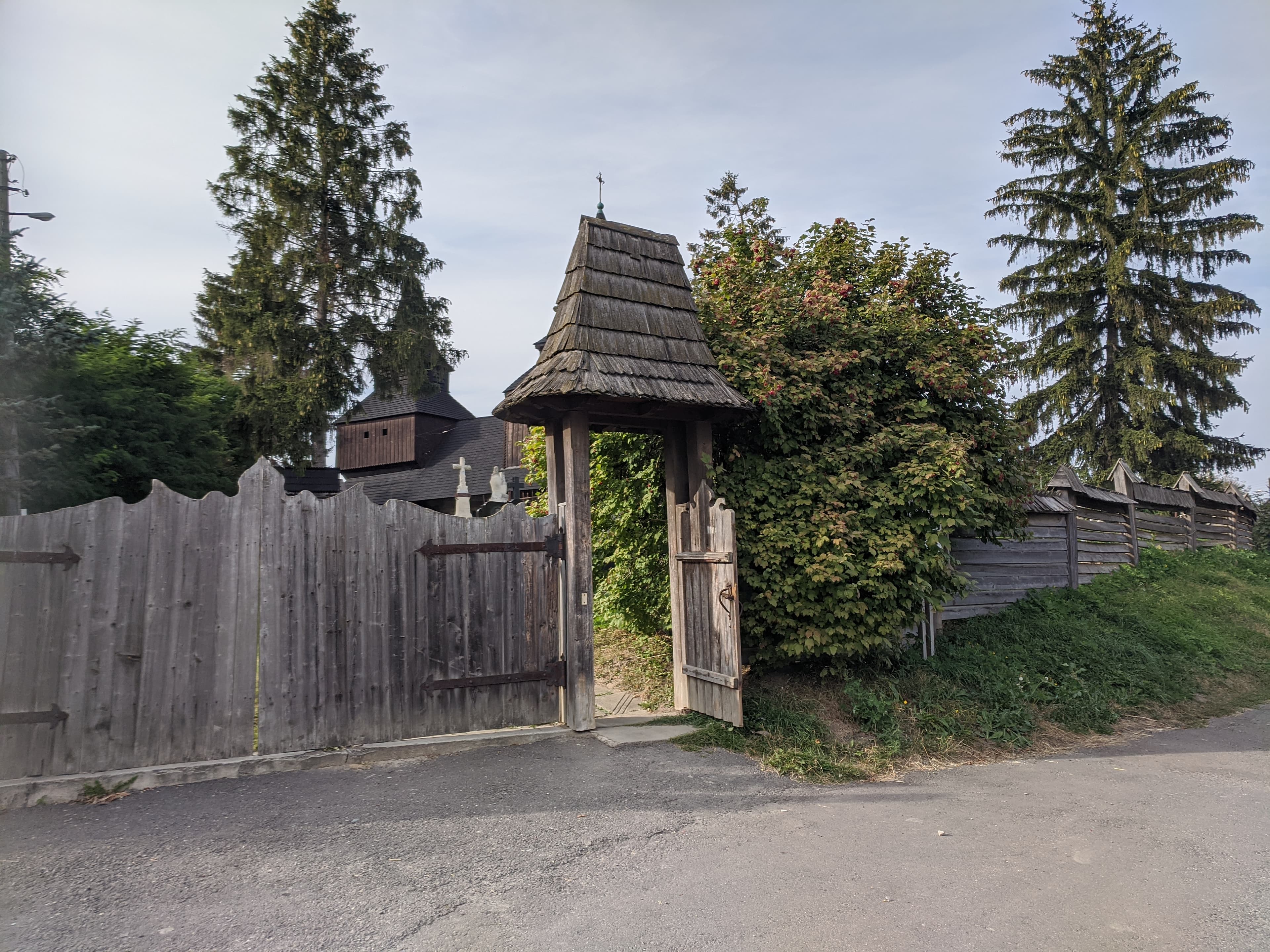
Tserkva of the Descent of the Holy Spirit, Rohatyn
A famed painted timber church whose sacred charge remains vivid even though UNESCO now counts it among the museum-kept Carpathian components.
Sacred geographies
Where this tradition clusters most strongly right now
These region links turn the belief lens back into geography when the next step should be spatial rather than purely conceptual.
Patterns
Site-type lanes that recur across this tradition
This gives the tradition page a stronger browse structure than a single flat place list.
Respect and evidence
How this tradition page handles access, myth, and historical framing
Best by constraint
Use the tradition through practical constraints, not just belief labels
These shortcuts are the first pass at long-tail planning questions like mythology, archaeology, season, car-light access, and first-time fit.
FAQ
Questions this tradition hub should answer quickly
Keep exploring
Continue through the regions and place clusters that express this tradition
Links
Reference links and sources
Direct reference links for this entry, with supporting source material below.
- UNESCO entryAuthority source for the Maramureș wooden churches as a sacred timber-building tradition shared across multiple confessional histories.
- Wikipedia entryWikipedia article for Church of the Archangels Michael and Gabriel.
- Wooden Churches of Maramureș (Property 904)Authority source for the Maramureș wooden churches as a sacred timber-building tradition shared across multiple confessional histories.
- Church of the Archangels Michael and Gabriel (Q1147877)Entity anchor for the UNESCO church at Șurdești, identified in linked Commons data as Greek Catholic.
- Category:Greek Catholic wooden church in Șurdești, MaramureșVisual and structured context for the UNESCO wooden church in Șurdești as a Greek Catholic church.
- Ieud Hill Church (Q12722321)Entity anchor showing the layered Greek Catholic and Orthodox history of Ieud Hill Church.
- Category:Uphill wooden church of the Nativity of Mary in Ieud, MaramureșVisual and structured context for Ieud Hill Church and its layered confessional history.
- Church of the Archangels Michael and GabrielWikipedia article for Church of the Archangels Michael and Gabriel.