Region
Eastern Europe
A sacred-travel region of Orthodox urban church ensembles, monastery precincts, and wooden liturgical traditions shaped by borders, rivers, and long continuity.
Quick explainer
How to use this regional lens
This short explainer tells users what makes the region distinct, who it suits, and how to move through it.
Regional character
A sacred geography with its own travel rhythm
Eastern Europe is especially strong for sacred travel when its churches are read as full ensembles rather than isolated monuments. Wikidata treats Eastern Europe as a real regional frame, and UNESCO's Pskov property shows how Orthodox churches, monastic compounds, walls, vegetation, and river or street settings can still work together as one sacred environment.
The region is also shaped by a wider tradition of timber liturgical building. UNESCO's Wooden Tserkvas property makes clear that Eastern Christian sacred architecture here was often built in wood, bounded by fences and graveyards, and carried by Orthodox and Greek Catholic communities across mountain borderlands.
Featured places
Sacred places in Eastern Europe

Dormition Cathedral, Kyiv Pechersk Lavra
A cathedral in the Kyiv sacred ensemble where its dominant scale and central liturgical role gather the monastery's sacred life around one principal church.
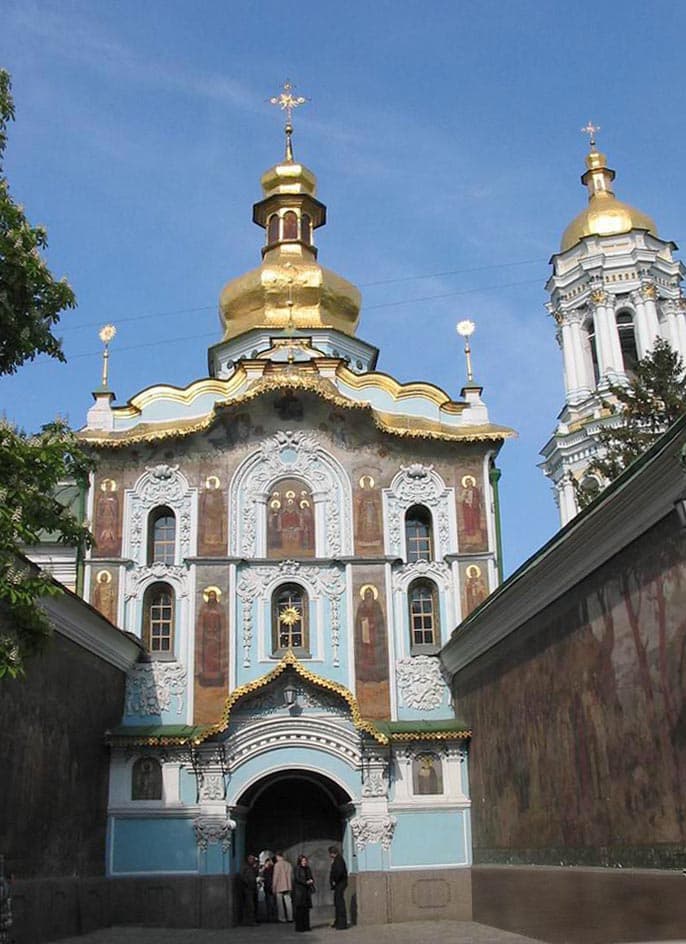
Gate Church of the Trinity, Kyiv Pechersk Lavra
A gate church in the Kyiv sacred ensemble where threshold, passage, and prayer are fused in one building at the monastery's ritual entry point.
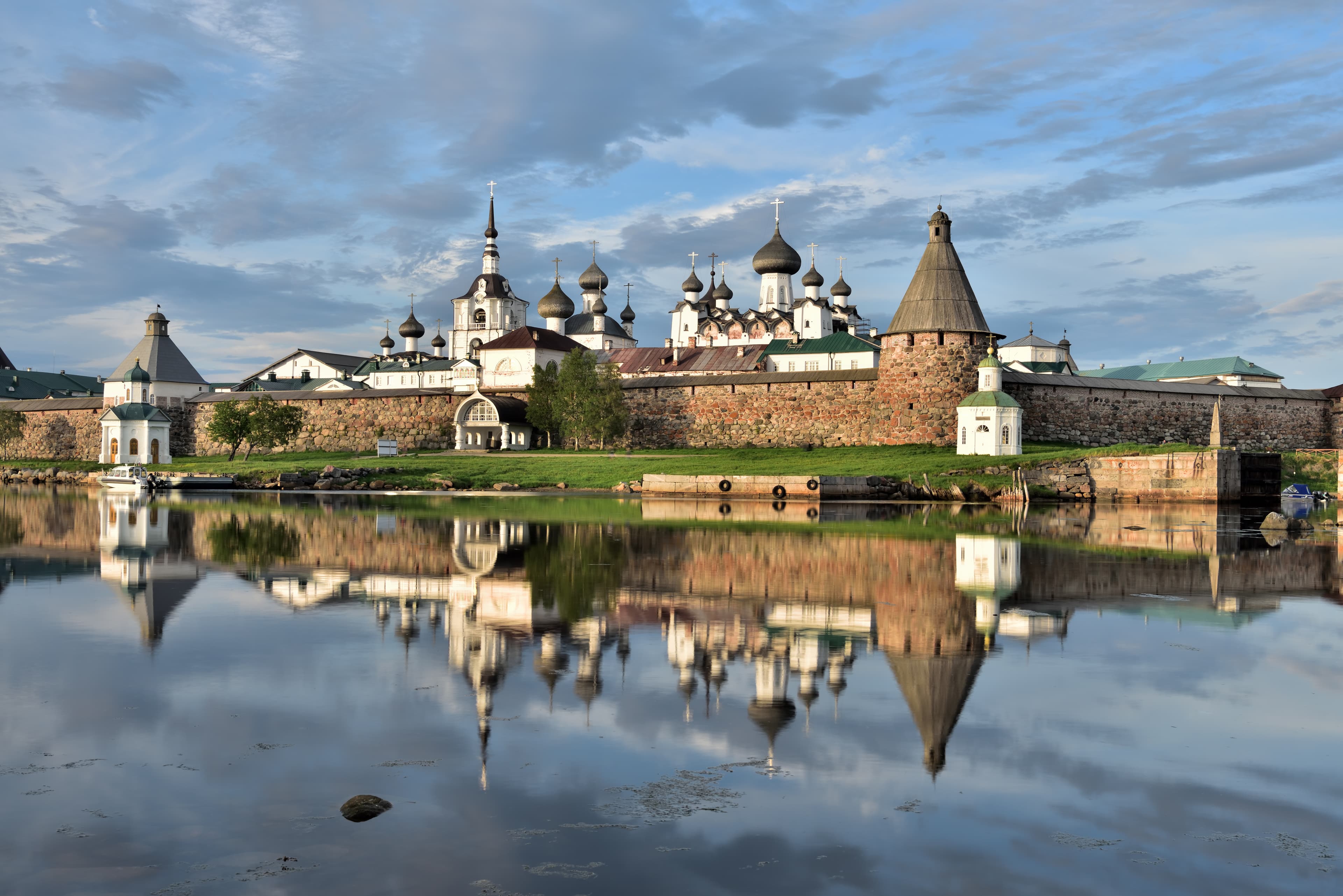
Solovetsky Monastery
A northern monastery whose walls, harbor, cathedral, and island setting still hold together as one Orthodox ensemble.
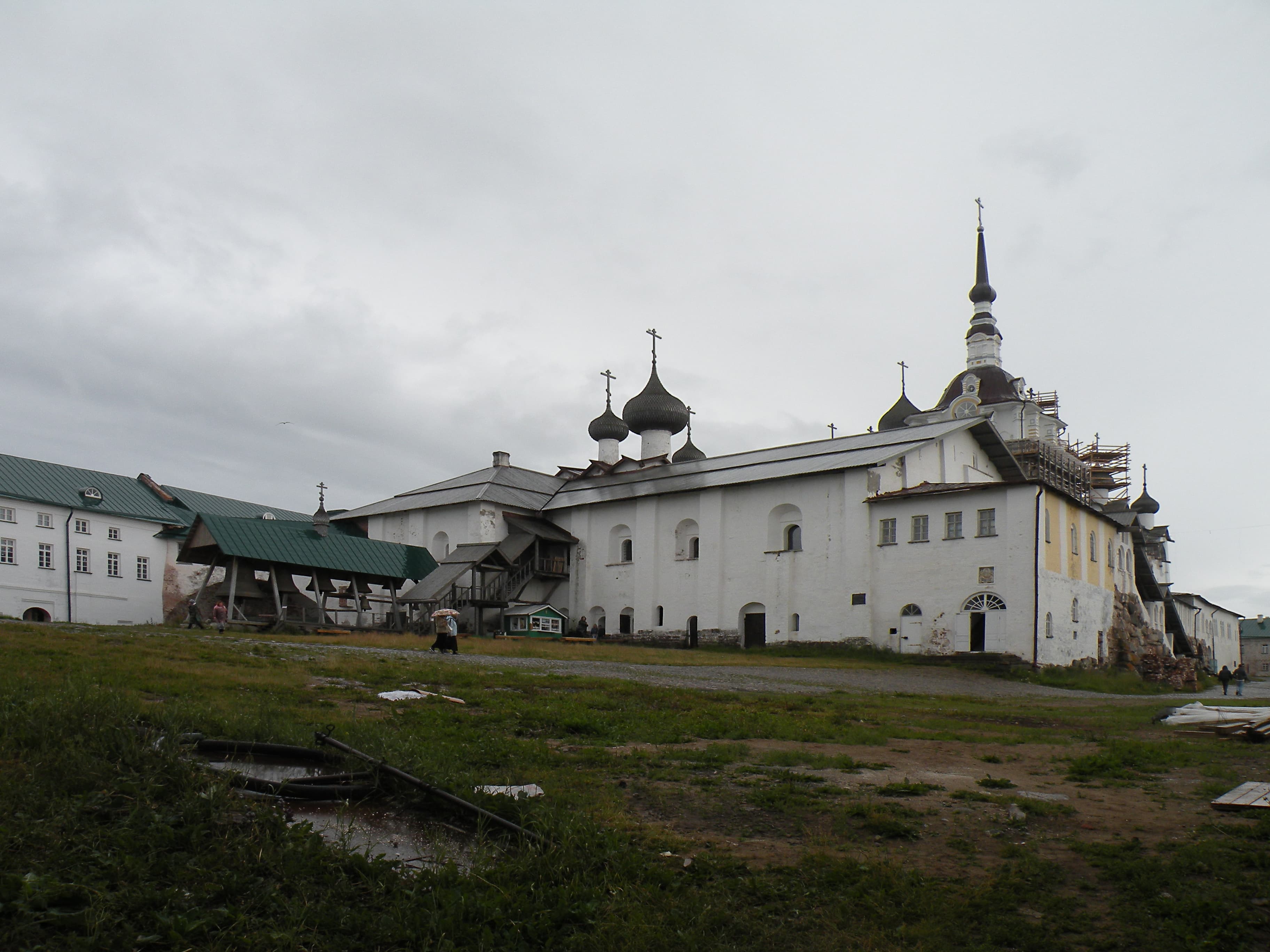
Assumption Church, Solovetsky Monastery
A church in the Solovetsky monastic ensemble where church, refectory, and communal monastic life remain visibly joined in one sacred domestic structure.
.jpg&w=3840&q=75)
Church of the Saviour at Berestove
A church in the Kyiv sacred ensemble where its separate position keeps the UNESCO property legible as more than one enclosed monastery core.
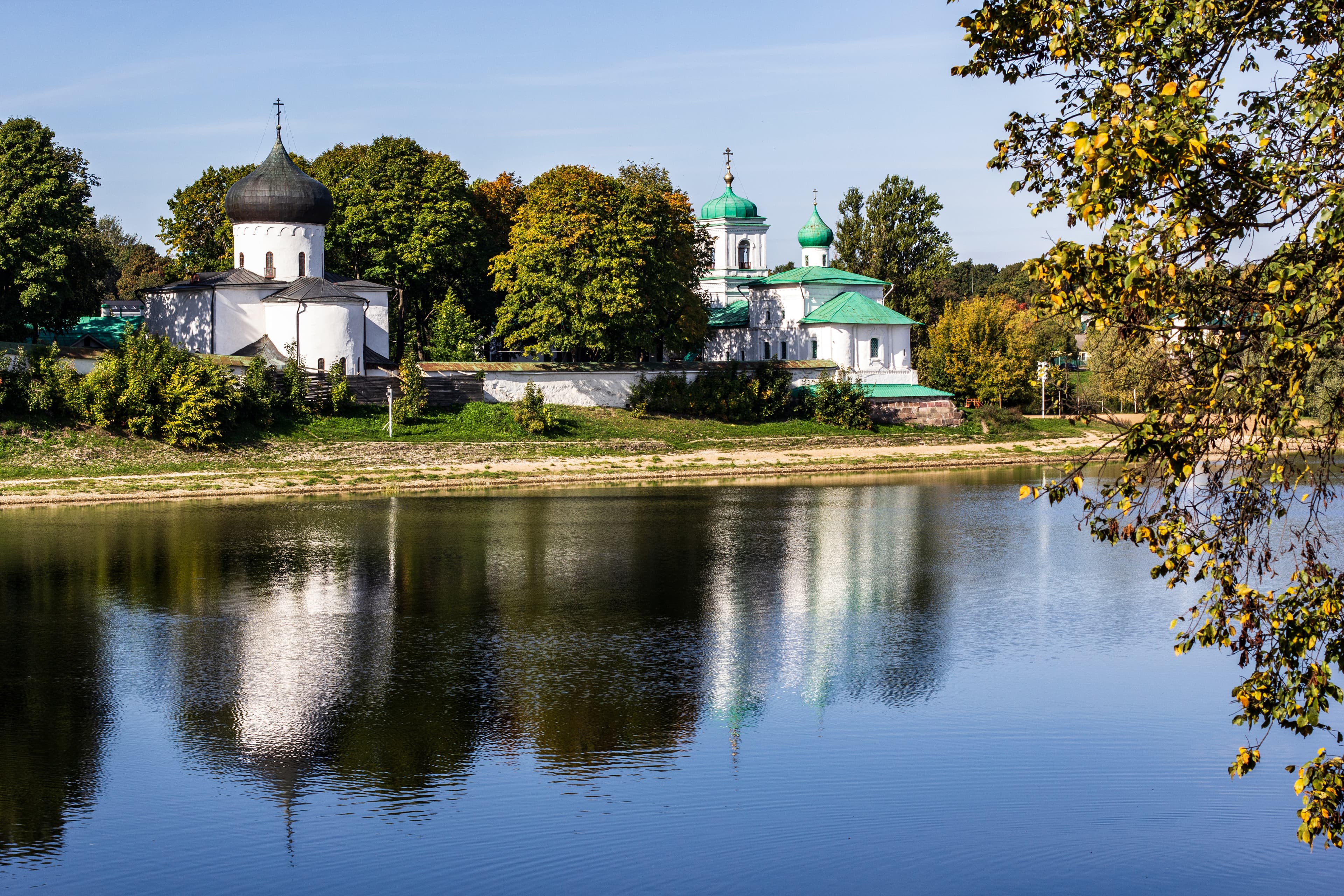
Mirozhsky Monastery
A riverside monastery where enclosure, church, and open bank still give the Pskov school a clear spatial identity.
Lesser-known places
Keep the region broader than the headline anchors
These pages widen the regional field beyond the most obvious route stops.
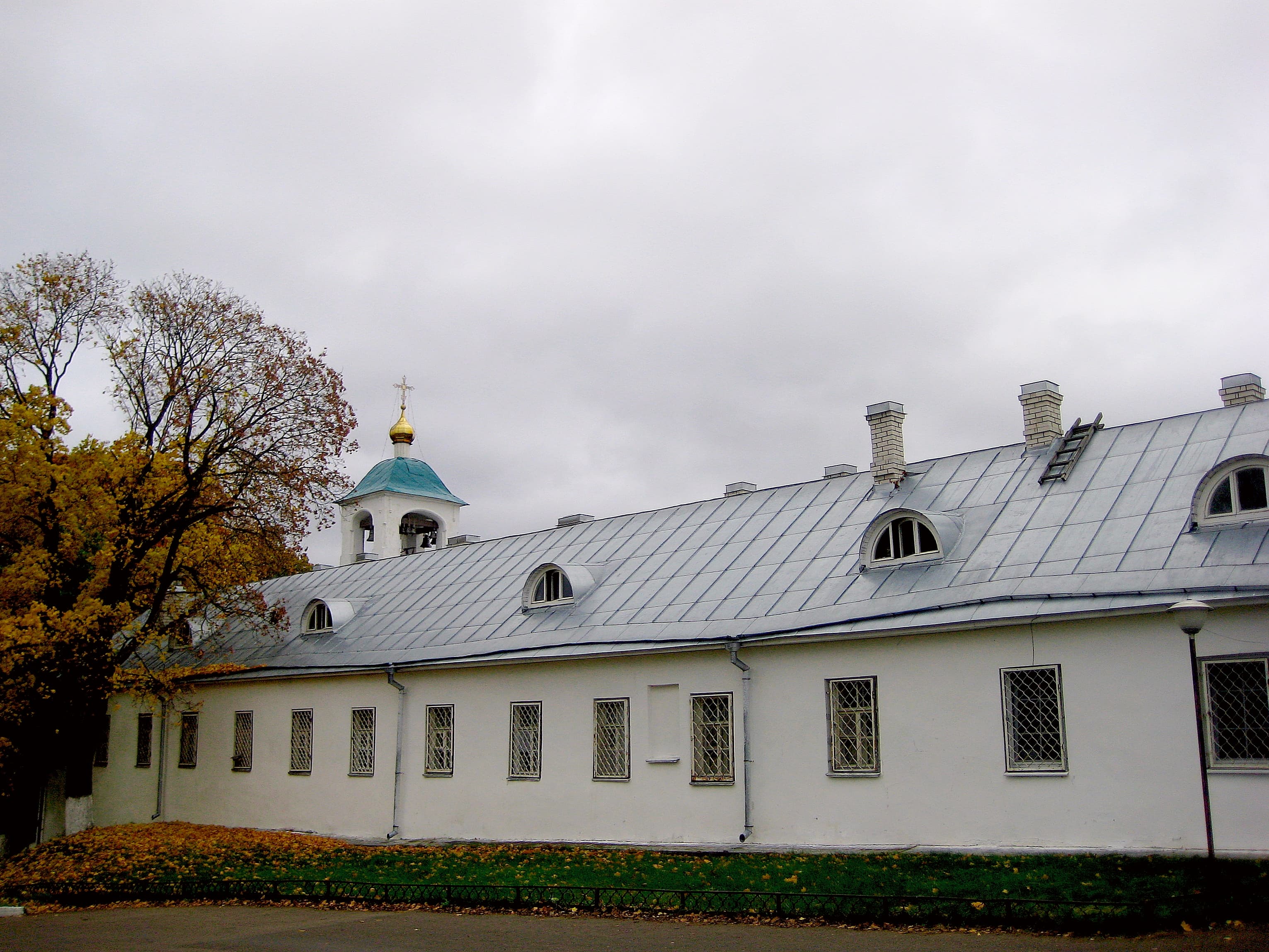
Churches of the Pskov School of Architecture
A church and monastery ensemble in Pskov where compact churches, monasteries, walls, and river-edge settings still read together as one local Orthodox sacred language.
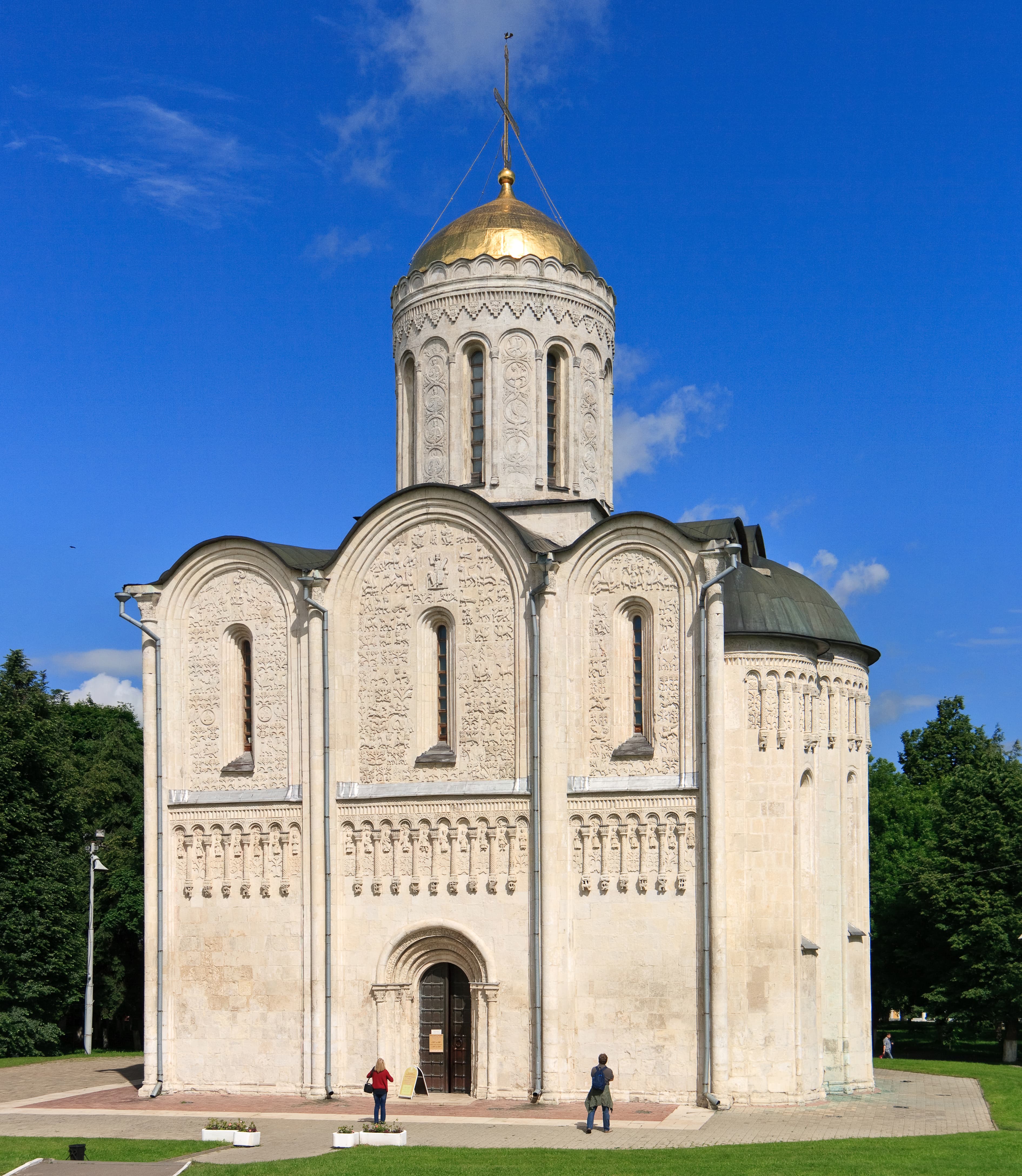
Cathedral of Saint Demetrius, Vladimir
A royal cathedral in Vladimir whose carved white-stone walls and surviving frescoes still hold princely Orthodox ambition in concentrated form.

Church of Saints Boris and Gleb, Kideksha
A small white-limestone church whose quiet plainness marks one of the earliest sacred starting points of the Vladimir-Suzdal tradition.
Planning signals
Seasonality, access, and site-type patterns
These quick signals make the regional planning shape explicit without forcing a full itinerary yet.
Best by constraint
Use the region through practical constraints, not just one flat place list
These shortcuts are the first pass at long-tail planning questions like mythology, archaeology, season, car-light access, and first-time fit.
FAQ
Questions this regional hub should answer quickly
Keep exploring
Continue through the strongest relationships inside this region
Links
Reference links and sources
Direct reference links for this entry, with supporting source material below.
- UNESCO entryAuthority source for the Pskov school and its integration of sacred monuments into surrounding urban and natural environments.
- Wikipedia entryWikipedia article for Eastern Europe.
- Eastern Europe (Q27468)Entity anchor for Eastern Europe as a geographic and cultural region.
- Churches of the Pskov School of Architecture (Property 1523)Authority source for the Pskov school and its integration of sacred monuments into surrounding urban and natural environments.
- Wooden Tserkvas of the Carpathian Region in Poland and Ukraine (Property 1424)Authority source for Eastern Christian wooden church traditions across the region.
- Category:Mirozhsky Monastery, PskovVisual context for monastery enclosure, river setting, and sacred ensemble in Pskov.
- Category:Church of Saint Basil of Caesarea on the HillVisual context for one of the Pskov churches and its city setting.
- Eastern EuropeWikipedia article for Eastern Europe.