Historical sanctuary
Churches of the Pskov School of Architecture
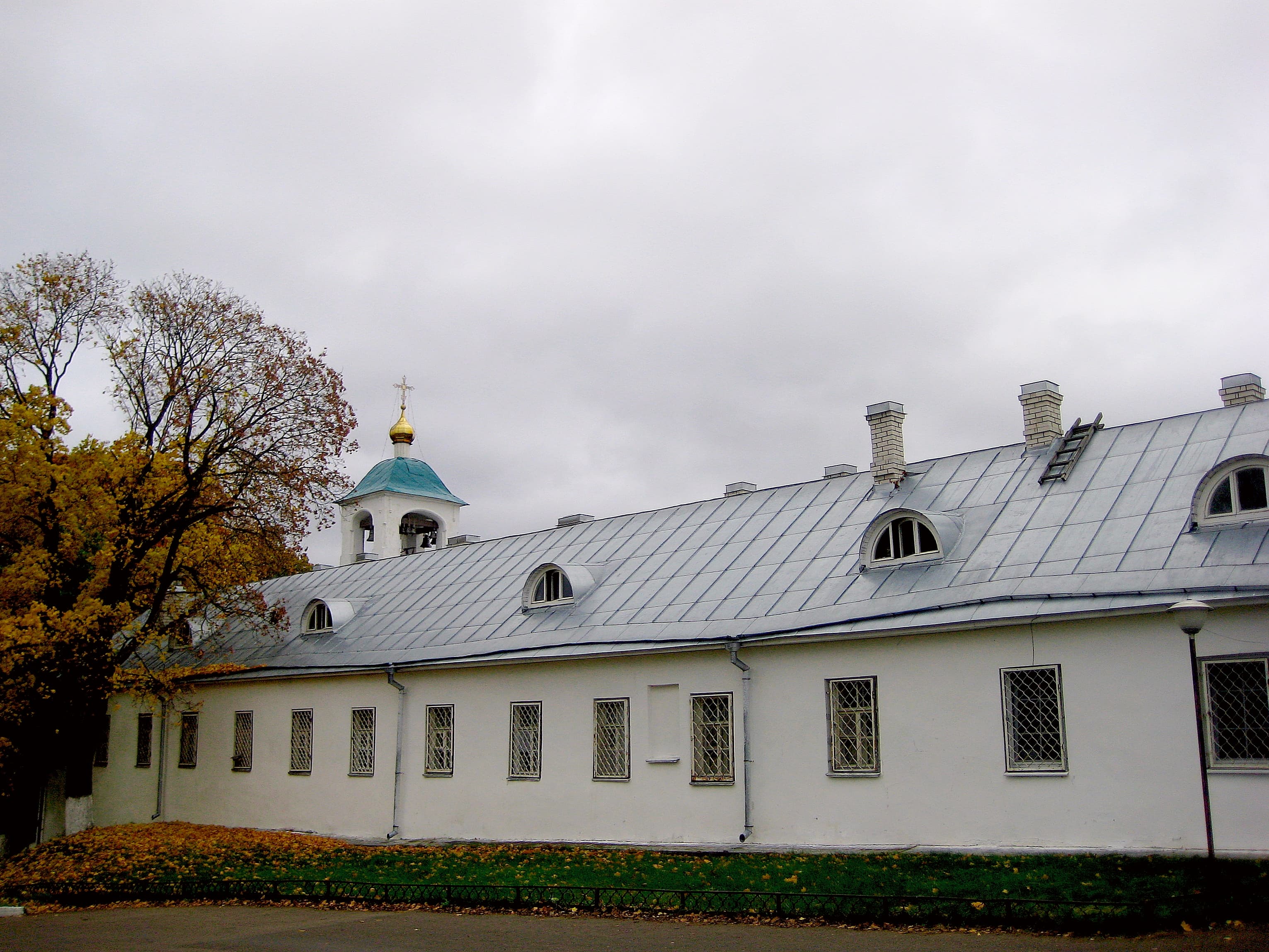
Churches of the Pskov School of Architecture gathers Pskov's churches and monasteries into one sacred urban landscape, where modest scale, local building habits, and close ties to walls, vegetation, and riverbanks matter as much as any single facade.
Visitor essentials
What stands out
Scope note
Keep in view
Treat Pskov as a sacred urban landscape with its own Orthodox architectural language, not just as a label for a few small medieval churches.
At a glance
Before you visit
A church and monastery ensemble in Pskov where compact churches, monasteries, walls, and river-edge settings still read together as one local Orthodox sacred language
Why it matters
UNESCO frames Pskov as a serial Orthodox landscape, and the component sources show that parish churches, monasteries, and their river-edge settings are meant to be read as one local sacred language.
That matters because the property is strongest as an urban and monastic whole rather than as a generic architectural label applied to a handful of buildings.
Respect notes
Visiting notes
Story and context
History and sacred context
Sources
- Official websitePrimary visitor-facing site for current access and institutional context.
- UNESCO entryPrimary authority source for the Pskov serial property and its local sacred architectural language.
- Wikipedia entryWikipedia article for Churches of the Pskov School of Architecture.
- Churches of the Pskov School of Architecture (Property 1523)Primary authority source for the Pskov serial property and its local sacred architectural language.
- Mirozhsky Monastery (Q3320377)Entity anchor for one of the monastic ensemble components within the Pskov property.
- Snetogorsky Monastery, Pskov (Q4425586)Entity anchor for one of the monastic ensemble components within the Pskov property.
- Saint Nicholas church so Usokhi (Q4504849)Entity anchor for one of the parish church components within the Pskov property.
- Category:Mirozhsky Monastery, PskovVisual context for one of the monastic ensemble components and its riverside setting.
- Category:Saint Nicholas church so UsokhiVisual context for one of the parish church components within the Pskov property.
- Churches of the Pskov School of ArchitectureWikipedia article for Churches of the Pskov School of Architecture.
- Pskov and Pskov Region Historical and Cultural SightsOfficial Pskov regional portal presenting the UNESCO-listed monuments of Pskov, including the Mirozhsky Monastery and the wider ensemble of Pskov churches recognized as World Heritage.
Nearby places
Nearby sacred places in Eastern Europe
%252001.jpg&w=3840&q=75)
Church of the Epiphany, Yaroslavl
A church in the Yaroslavl sacred ensemble where richly ornamented brickwork and urban prominence keep it legible as one of the chief sacred markers of the historic center.

Church of the Transfiguration on Ilyina Street
A church in the Novgorod sacred ensemble where its compact form and fresco reputation keep one urban parish church central within the Novgorod sacred ensemble.
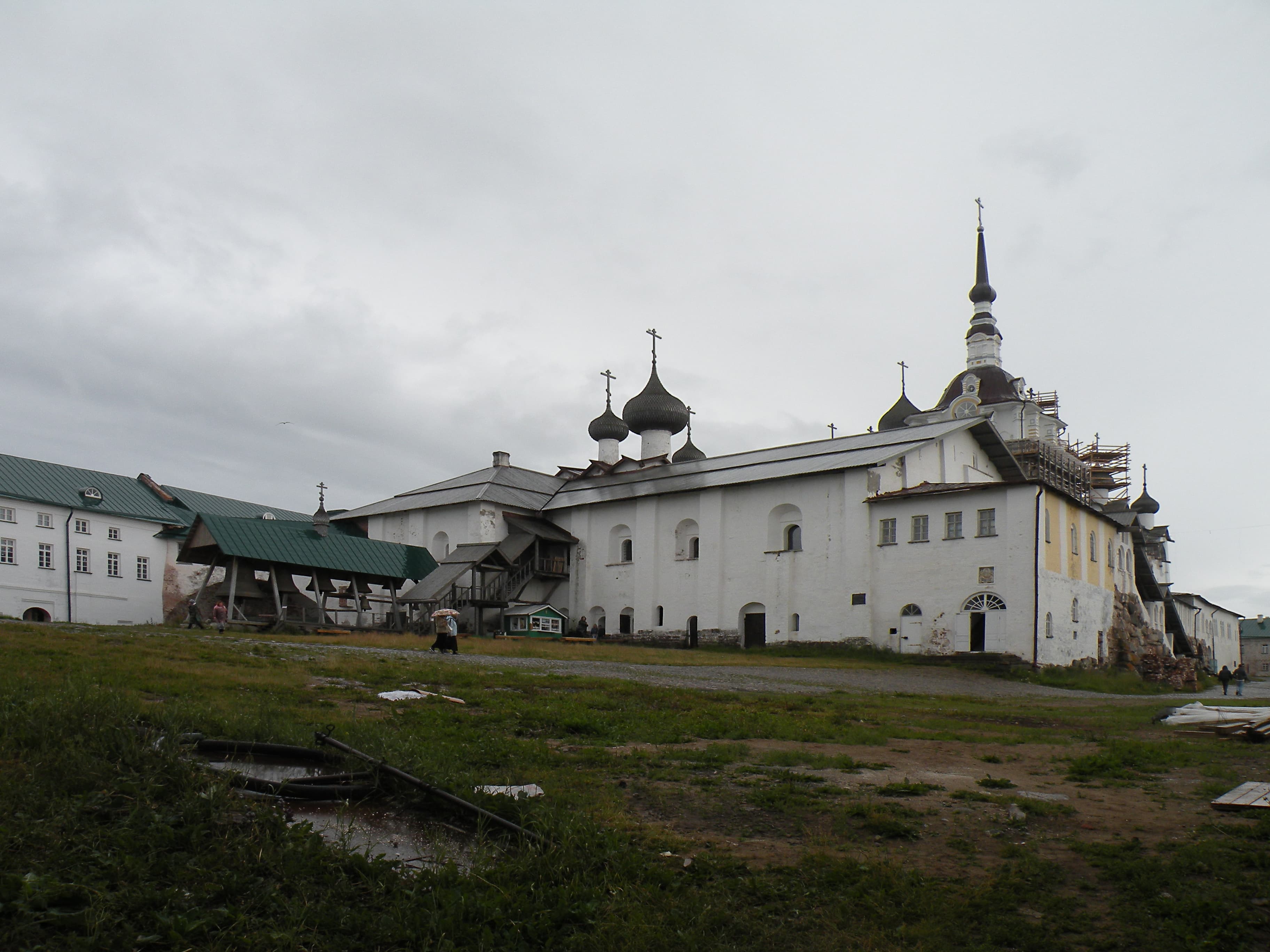
Assumption Church, Solovetsky Monastery
A church in the Solovetsky monastic ensemble where church, refectory, and communal monastic life remain visibly joined in one sacred domestic structure.
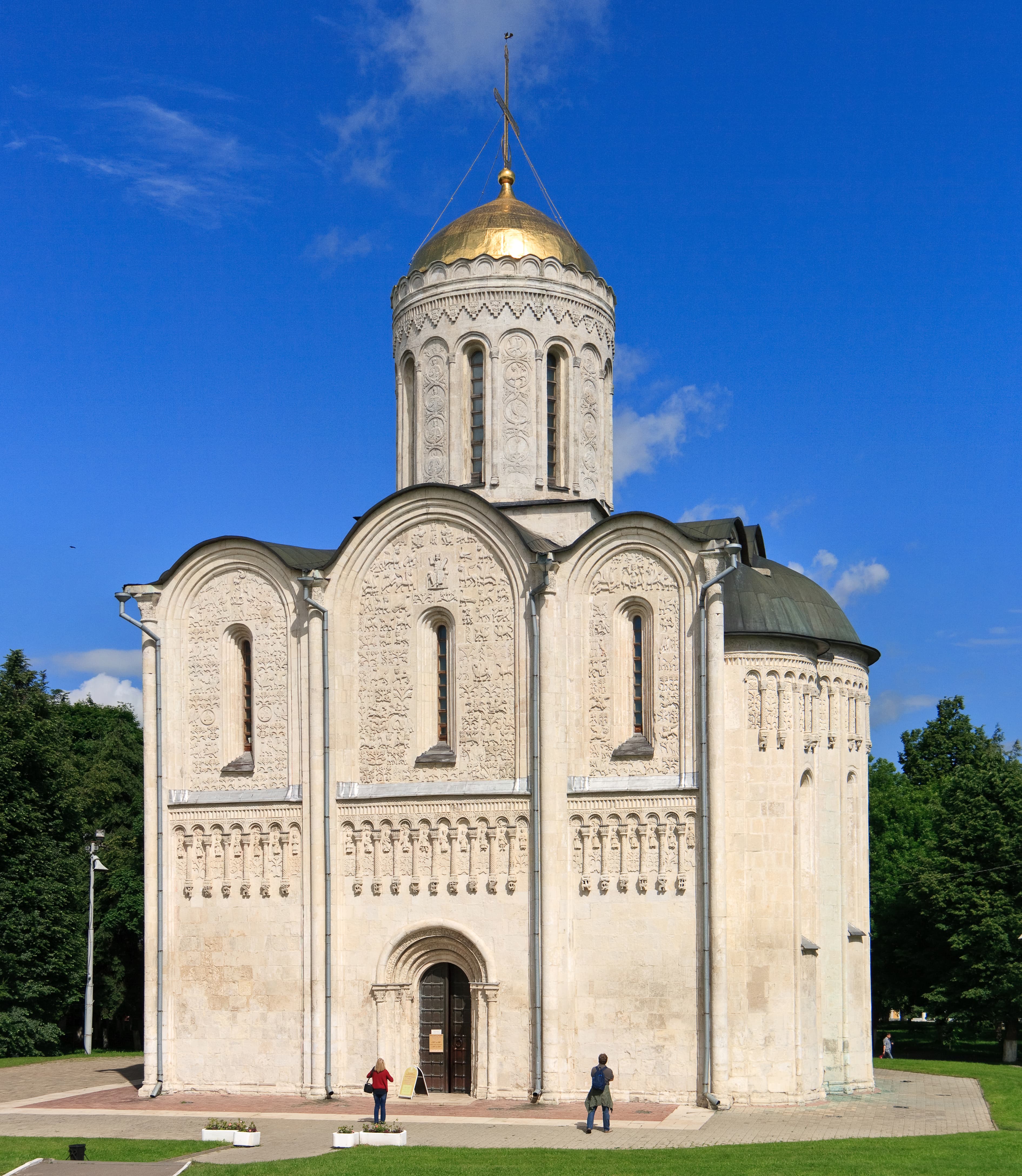
Cathedral of Saint Demetrius, Vladimir
A royal cathedral in Vladimir whose carved white-stone walls and surviving frescoes still hold princely Orthodox ambition in concentrated form.
Same tradition elsewhere
Eastern Orthodox Christianity sacred sites beyond Eastern Europe
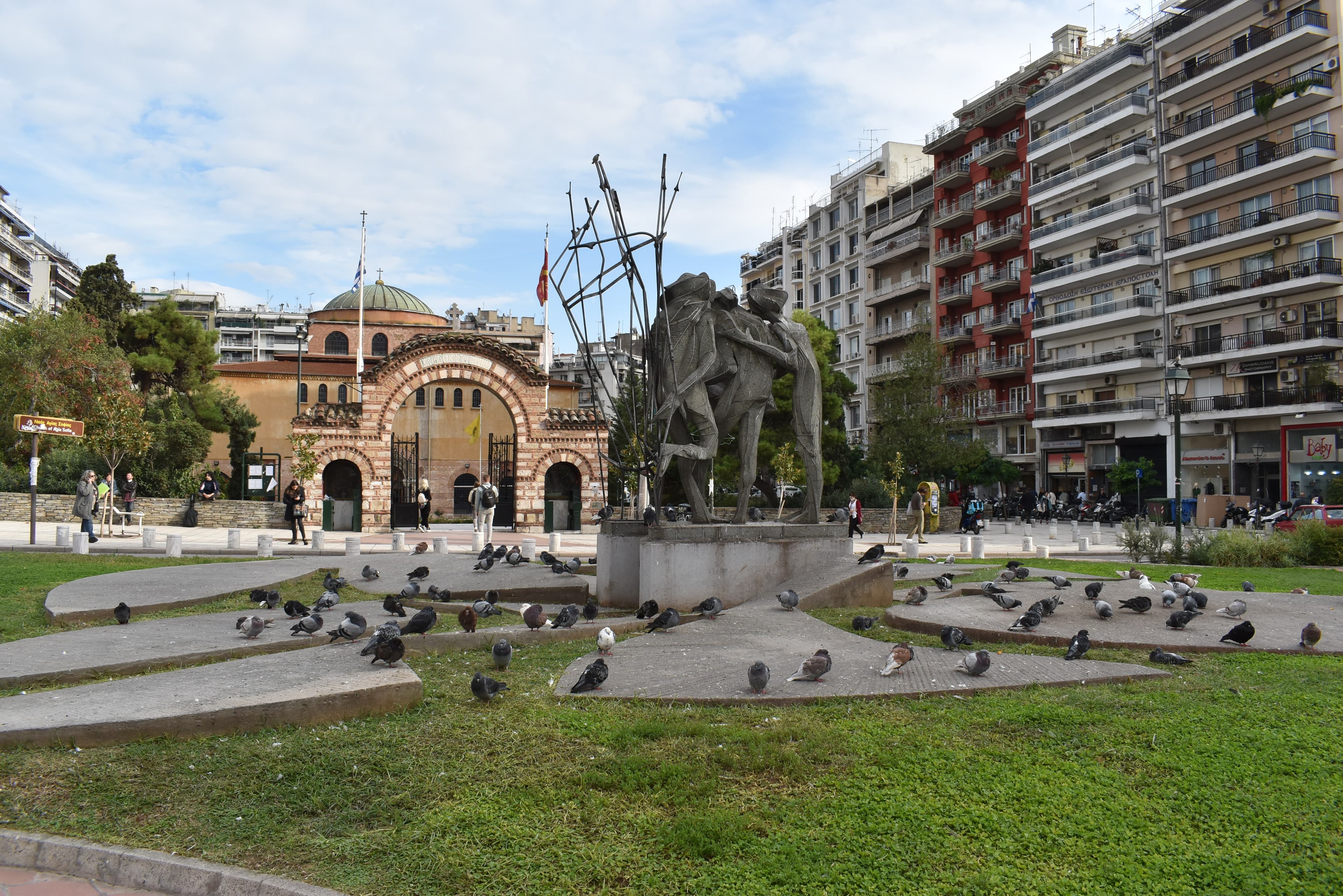
Paleochristian and Byzantine Monuments of Thessaloniki
A sacred urban landscape in Thessaloniki where basilicas, domed churches, and a surviving monastery still hold the city together as one Byzantine Christian world.
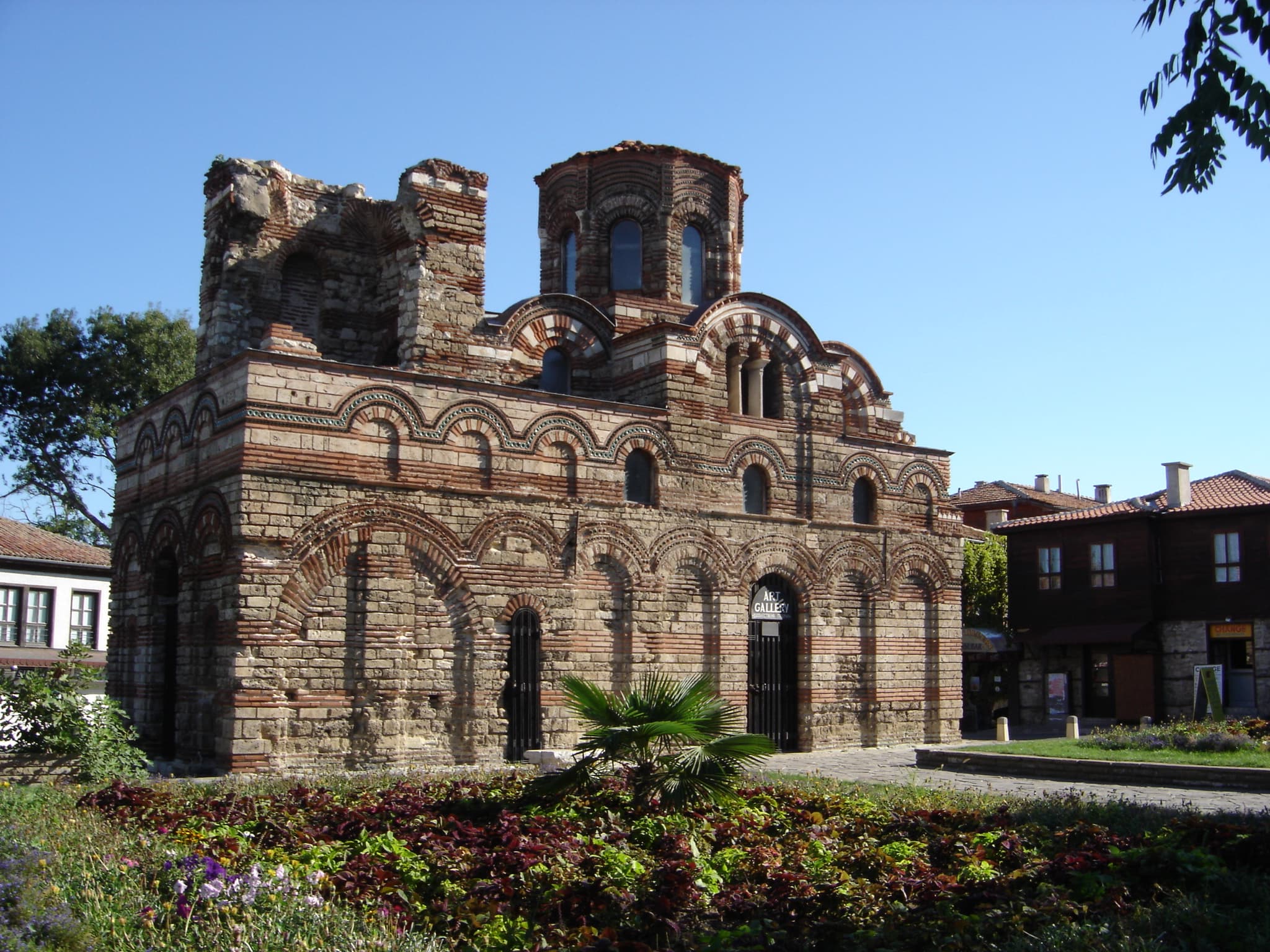
Ancient City of Nessebar
A sacred city in the Nessebar sacred ensemble where multiple church ruins and standing sanctuaries still read together as one long spiritual center rather than isolated monuments.
Keep exploring