Tradition
Eastern Orthodox Christianity
Liturgy, monastic continuity, painted interiors, and sacred landscape give this tradition its strongest sacred character.
Quick explainer
How to use this tradition lens
This short explainer tells users what the tradition foregrounds, how it feels on the ground, and when that lens is most useful.
Core concepts
This page teaches the lens, then points to the places.
Eastern Orthodox Christianity deserves its own lens here because sites like Mount Athos, Meteora, Rila, and Studenica are not simply churches with historical value. Their sacred meaning depends on monastic life, liturgical continuity, and landscapes shaped for prayer, retreat, and pilgrimage.
That means pages in this tradition should lead with spiritual rule, sacred atmosphere, and devotional movement before talking about architectural style or visual spectacle.
Places
Major places connected to Eastern Orthodox Christianity

Dormition Cathedral, Kyiv Pechersk Lavra
A cathedral in the Kyiv sacred ensemble where its dominant scale and central liturgical role gather the monastery's sacred life around one principal church.
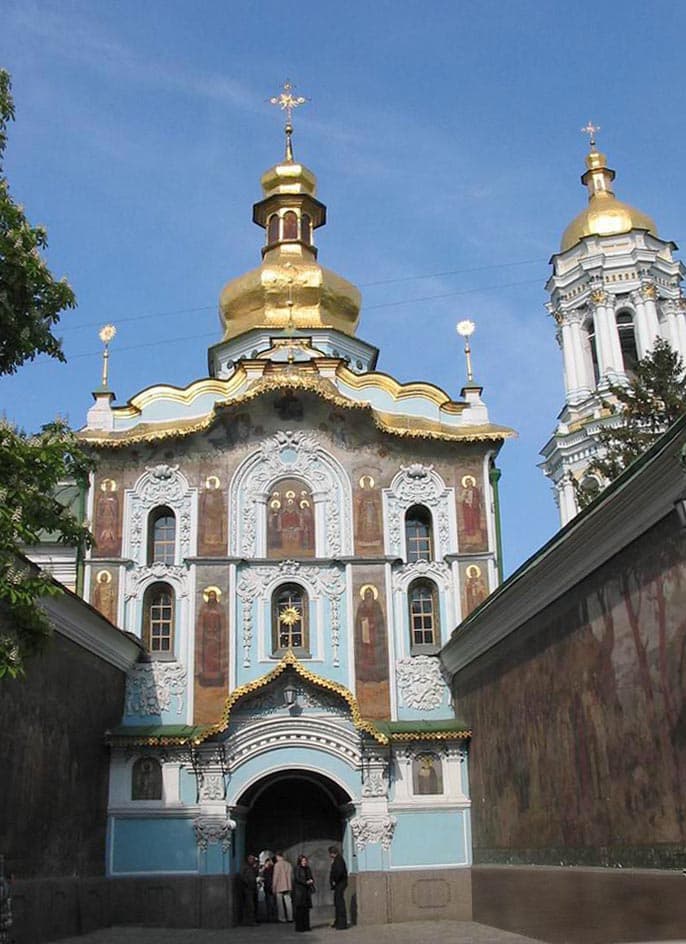
Gate Church of the Trinity, Kyiv Pechersk Lavra
A gate church in the Kyiv sacred ensemble where threshold, passage, and prayer are fused in one building at the monastery's ritual entry point.
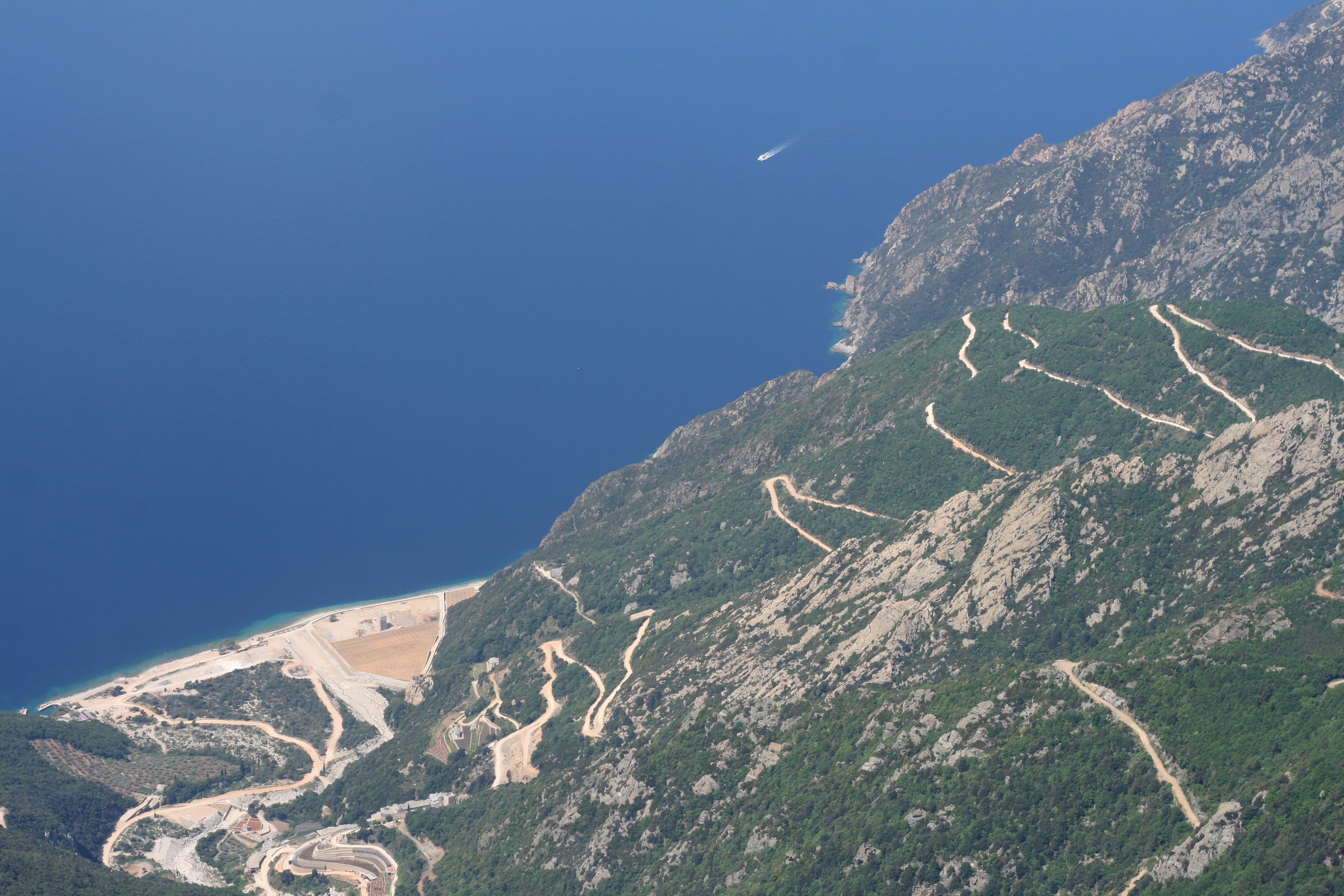
Mount Athos Viewpoints
A place where boundaries, reverence, and restricted access are part of the meaning instead of treated like friction.
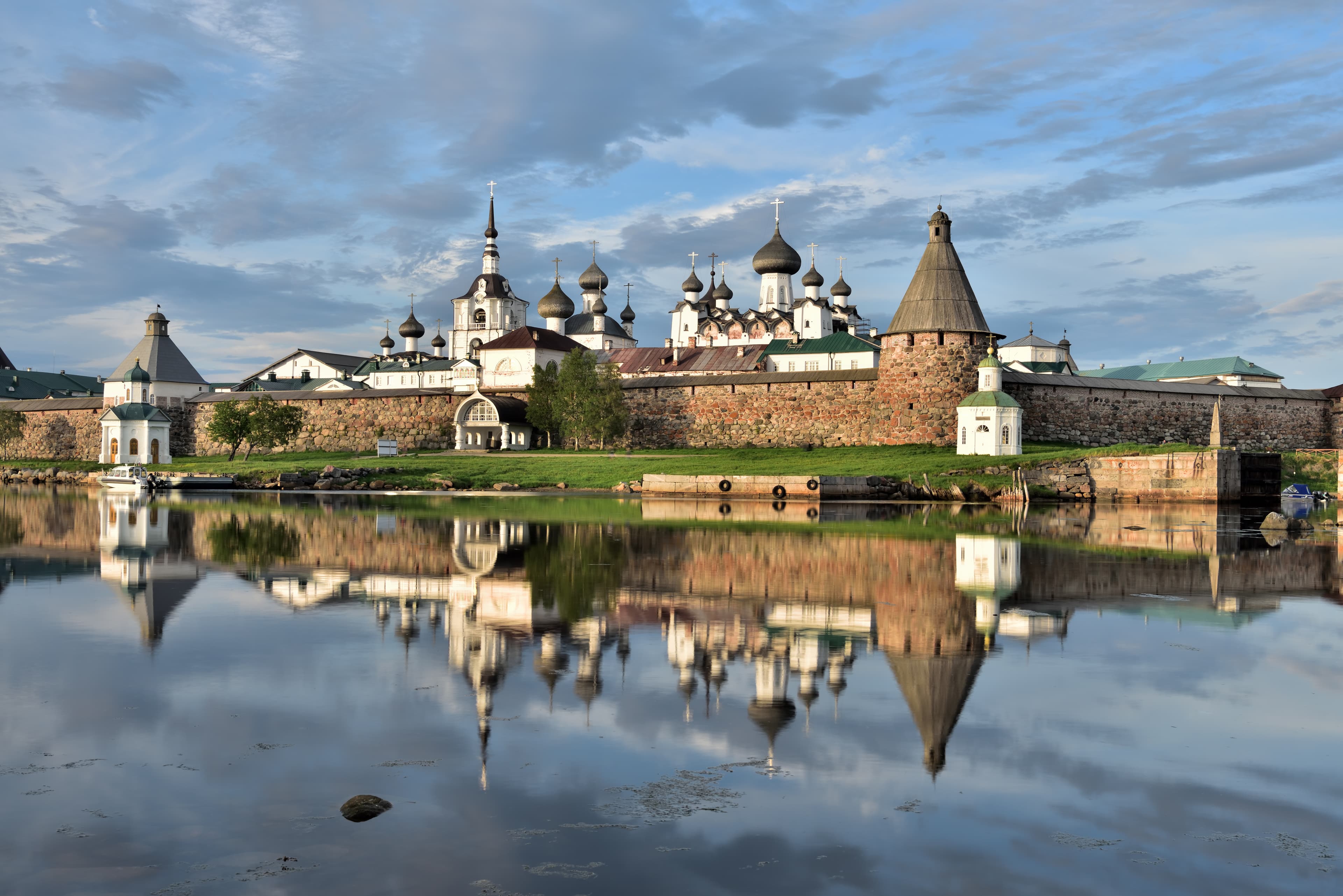
Solovetsky Monastery
A monastery ensemble in the Solovetsky monastic ensemble where cathedral, churches, bell tower, walls, and harbor setting still read as one complete Orthodox monastic world.
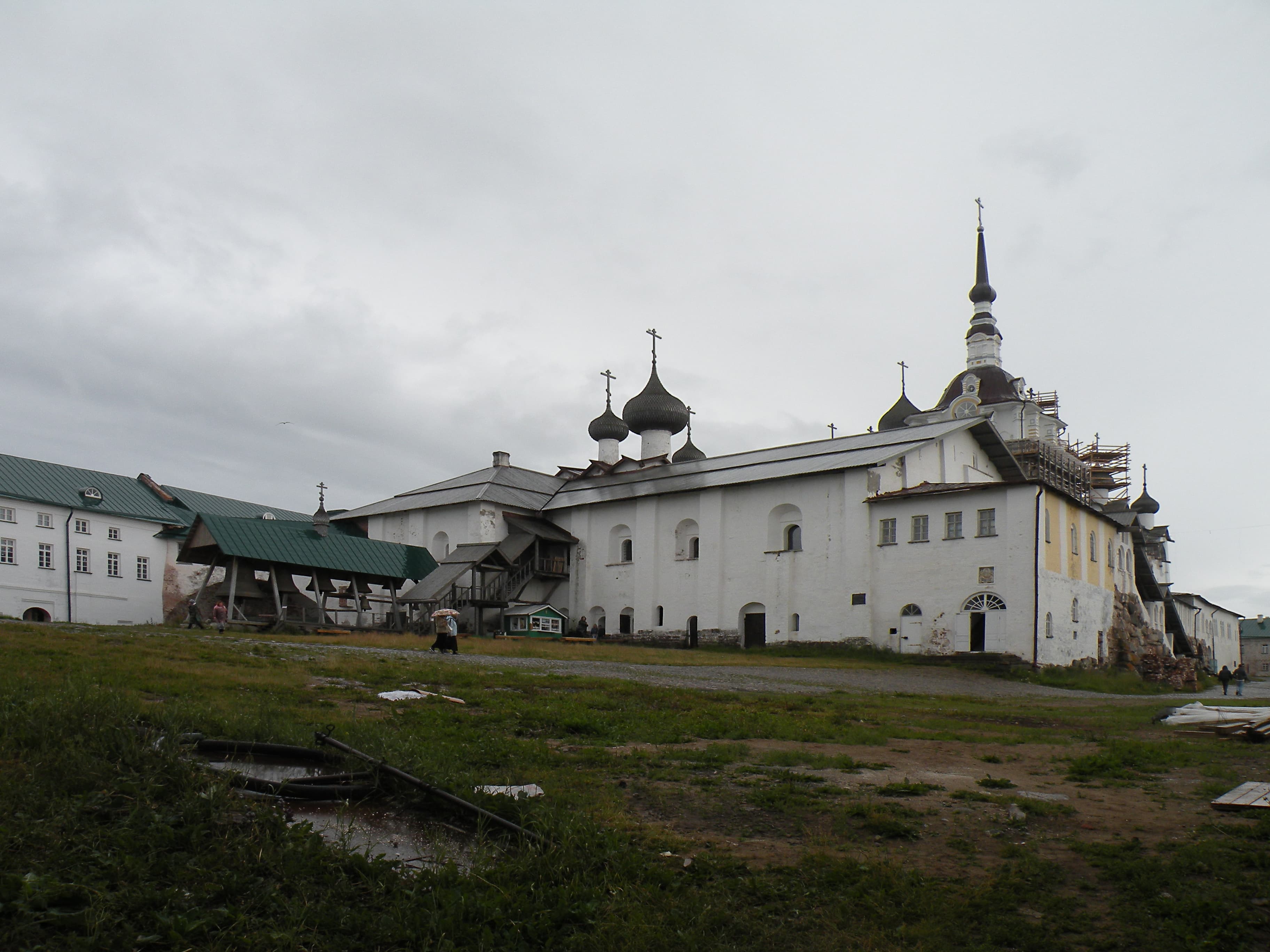
Assumption Church, Solovetsky Monastery
A church in the Solovetsky monastic ensemble where church, refectory, and communal monastic life remain visibly joined in one sacred domestic structure.
.jpg&w=3840&q=75)
Church of the Saviour at Berestove
A church in the Kyiv sacred ensemble where its separate position keeps the UNESCO property legible as more than one enclosed monastery core.
Lesser-known places
Keep the tradition broader than the headline anchors
These pages widen the tradition lens beyond the strongest-known flagship places.
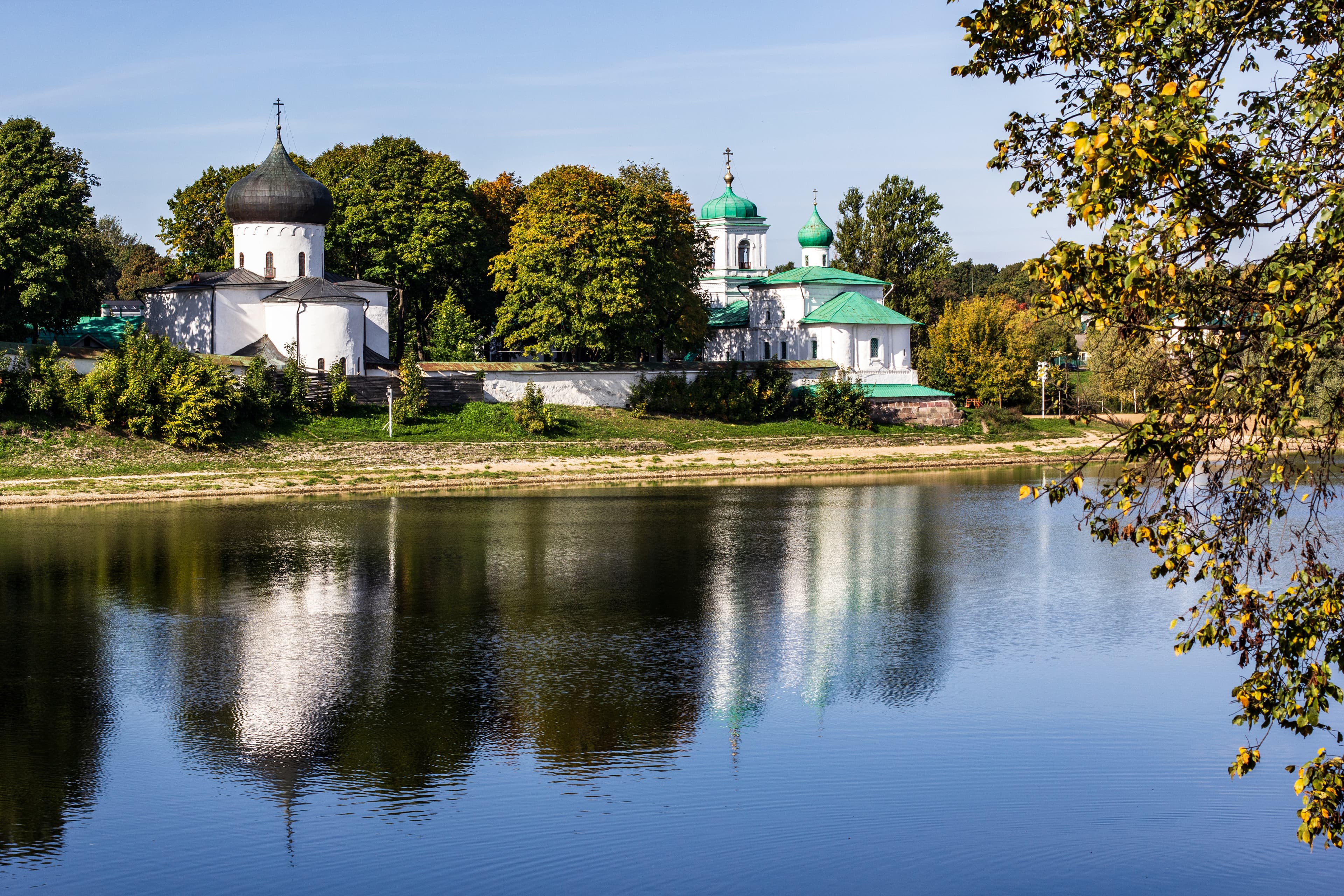
Mirozhsky Monastery
A riverside Orthodox monastery in Pskov where monastic enclosure, cathedral, and open landscape still read as one sacred composition.

The Historic Centre (Chorá) with the Monastery of Saint-John the Theologian and the Cave of the Apocalypse on the Island of Pátmos
A monastery, revelation cave, and hilltop settlement on Patmos that still read as one pilgrimage island landscape.
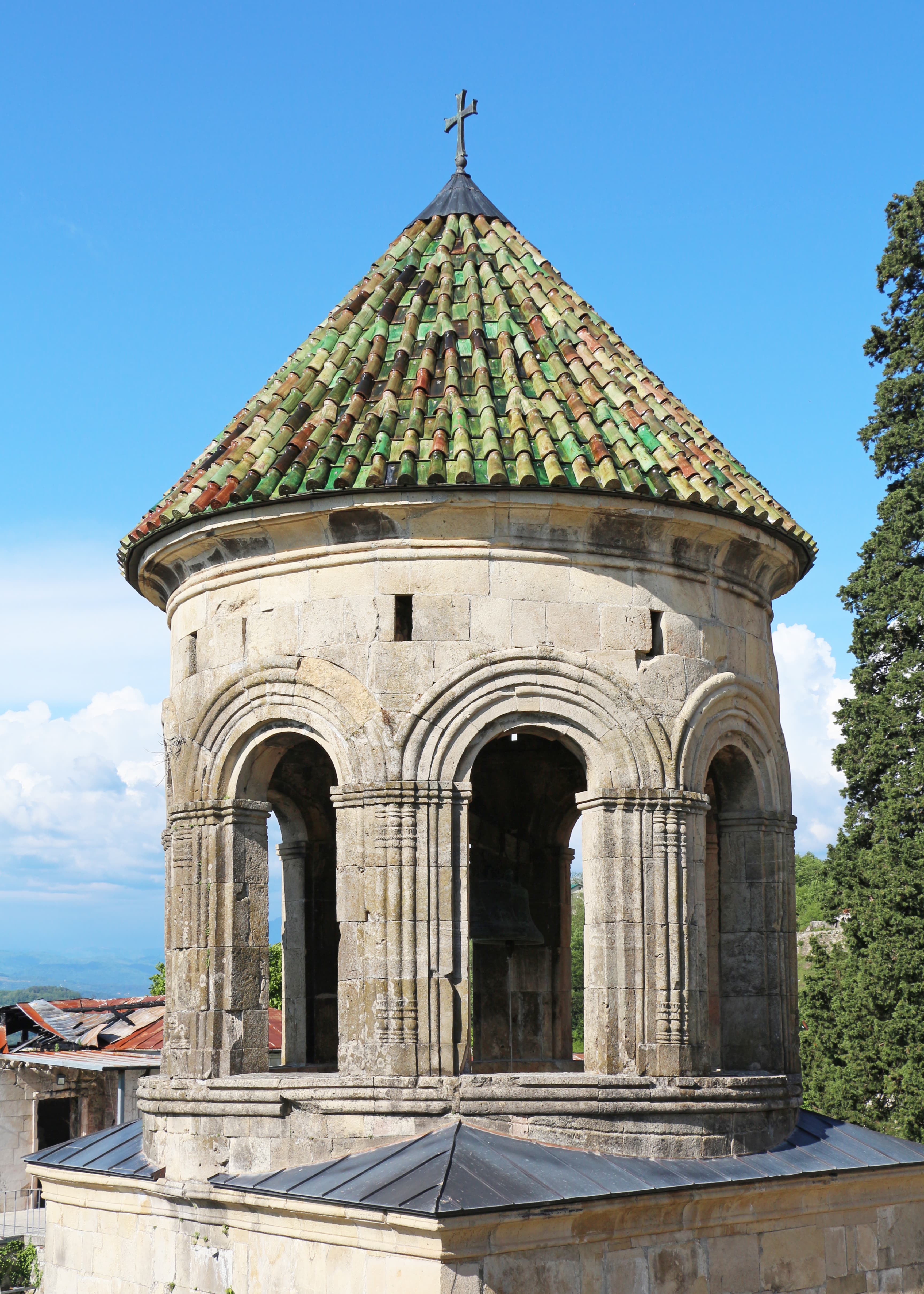
Belfry, Gelati Monastery
A belfry in the Gelati monastic world where one vertical tower binds timekeeping, monastic rhythm, and the spatial order of the monastery together.
Sacred geographies
Where this tradition clusters most strongly right now
These region links turn the belief lens back into geography when the next step should be spatial rather than purely conceptual.
Patterns
Site-type lanes that recur across this tradition
This gives the tradition page a stronger browse structure than a single flat place list.
Respect and evidence
How this tradition page handles access, myth, and historical framing
Best by constraint
Use the tradition through practical constraints, not just belief labels
These shortcuts are the first pass at long-tail planning questions like mythology, archaeology, season, car-light access, and first-time fit.
FAQ
Questions this tradition hub should answer quickly
Keep exploring
Continue through the regions and place clusters that express this tradition
Links
Reference links and sources
Direct reference links for this entry, with supporting source material below.
- UNESCO entryAuthority source for Mount Athos as a living Orthodox monastic territory.
- Wikipedia entryWikipedia article for Eastern Orthodoxy.
- Eastern Orthodoxy (Q3333484)Tradition anchor for Eastern Orthodox Christianity as a distinct Christian denominational family.
- Mount Athos (Property 454)Authority source for Mount Athos as a living Orthodox monastic territory.
- Meteora (Property 455)Authority source for Meteora as a monastic Orthodox landscape.
- Rila Monastery (Property 216)Authority source for Rila Monastery as a major Orthodox sacred complex.
- Studenica Monastery (Property 389)Authority source for Studenica as a Serbian Orthodox monastery.
- Boyana Church (Property 42)Authority source for Boyana Church and its Orthodox medieval frescoes.
- Monastery of Horezu (Property 597)Authority source for Horezu as a Wallachian Orthodox monastic complex.
- Category:Mount AthosVisual context for the monastic peninsula and its mountain setting.
- Category:MeteoraVisual context for Orthodox monasteries on the Meteora pillars.
- Category:Rila MonasteryVisual context for Rila's monastery buildings, frescoes, and mountain setting.
- Category:Studenica MonasteryVisual context for Studenica's churches, frescoes, and enclosed monastery grounds.
- Eastern OrthodoxyWikipedia article for Eastern Orthodoxy.