Region
Caucasus
A sacred-travel region of monasteries, cathedral complexes, mountain valleys, and early Christian traditions that still shape local religious identity.
Quick explainer
How to use this regional lens
This short explainer tells users what makes the region distinct, who it suits, and how to move through it.
Regional character
A sacred geography with its own travel rhythm
The Caucasus is one of the strongest sacred-travel regions for Christian architecture because Armenia and Georgia preserve monasteries, cathedral ensembles, and sacred towns that were central to the early spread and development of Christianity in the region.
That gives the region a distinctive rhythm. The most meaningful visits often depend on reading monastery, cathedral, valley, and settlement together rather than treating each church as a detached monument.
Featured places
Sacred places in Caucasus
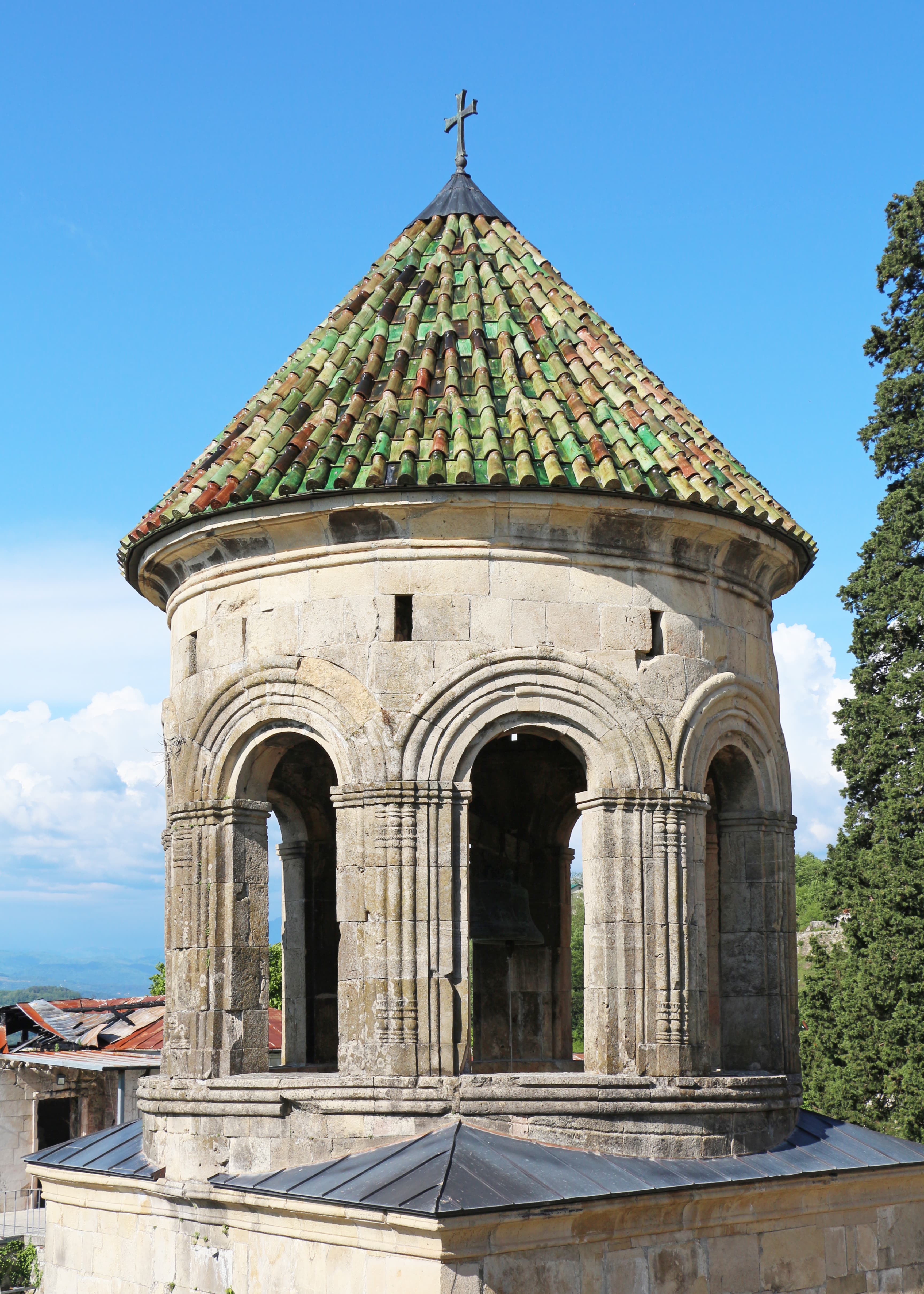
Belfry, Gelati Monastery
A belfry in the Gelati monastic world where one vertical tower binds timekeeping, monastic rhythm, and the spatial order of the monastery together.
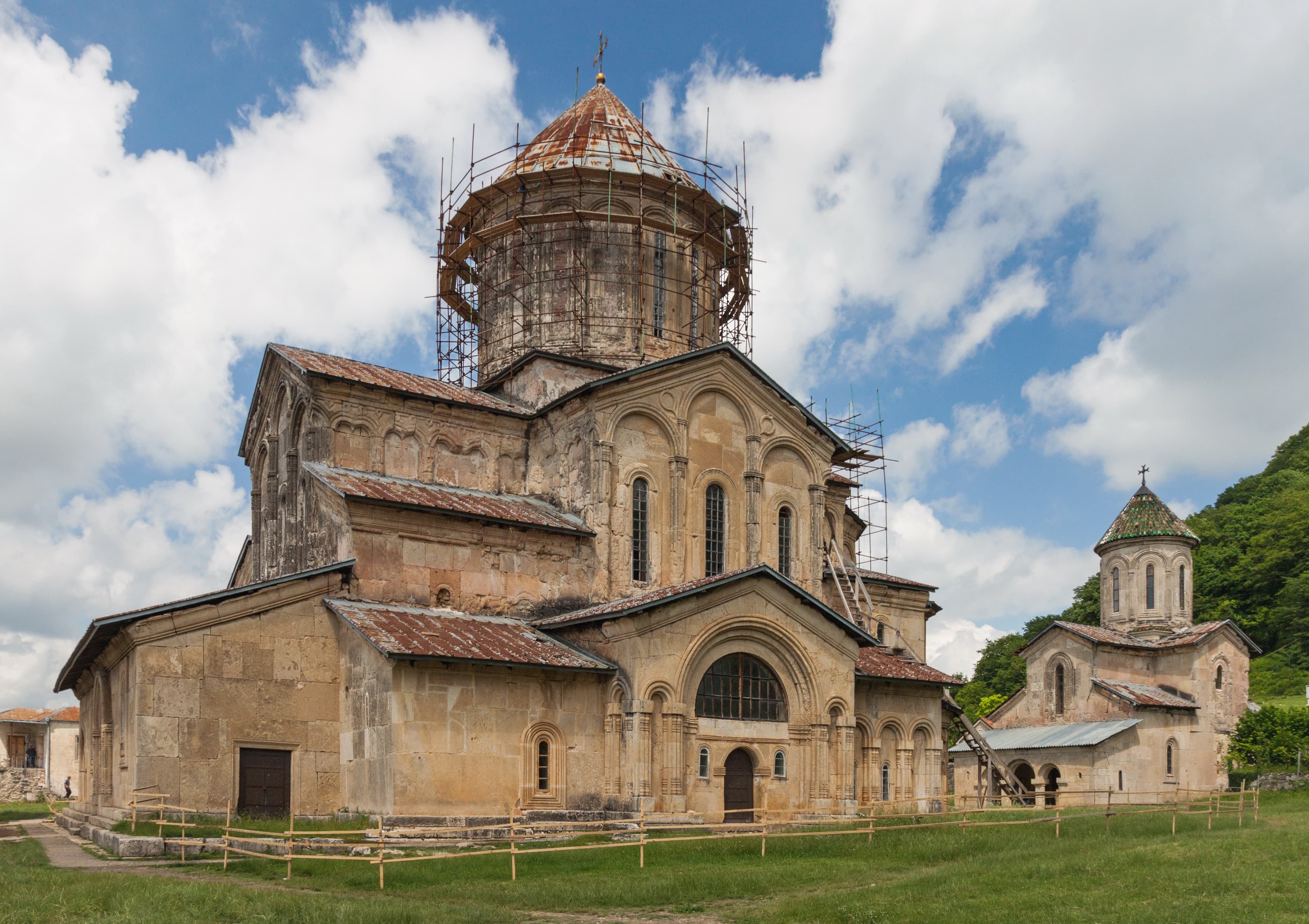
Cathedral of the Nativity of the Virgin, Gelati Monastery
A cathedral in the Gelati monastic world where cathedral scale, Marian dedication, and sacred image program still define the heart of Gelati's living monastic world.
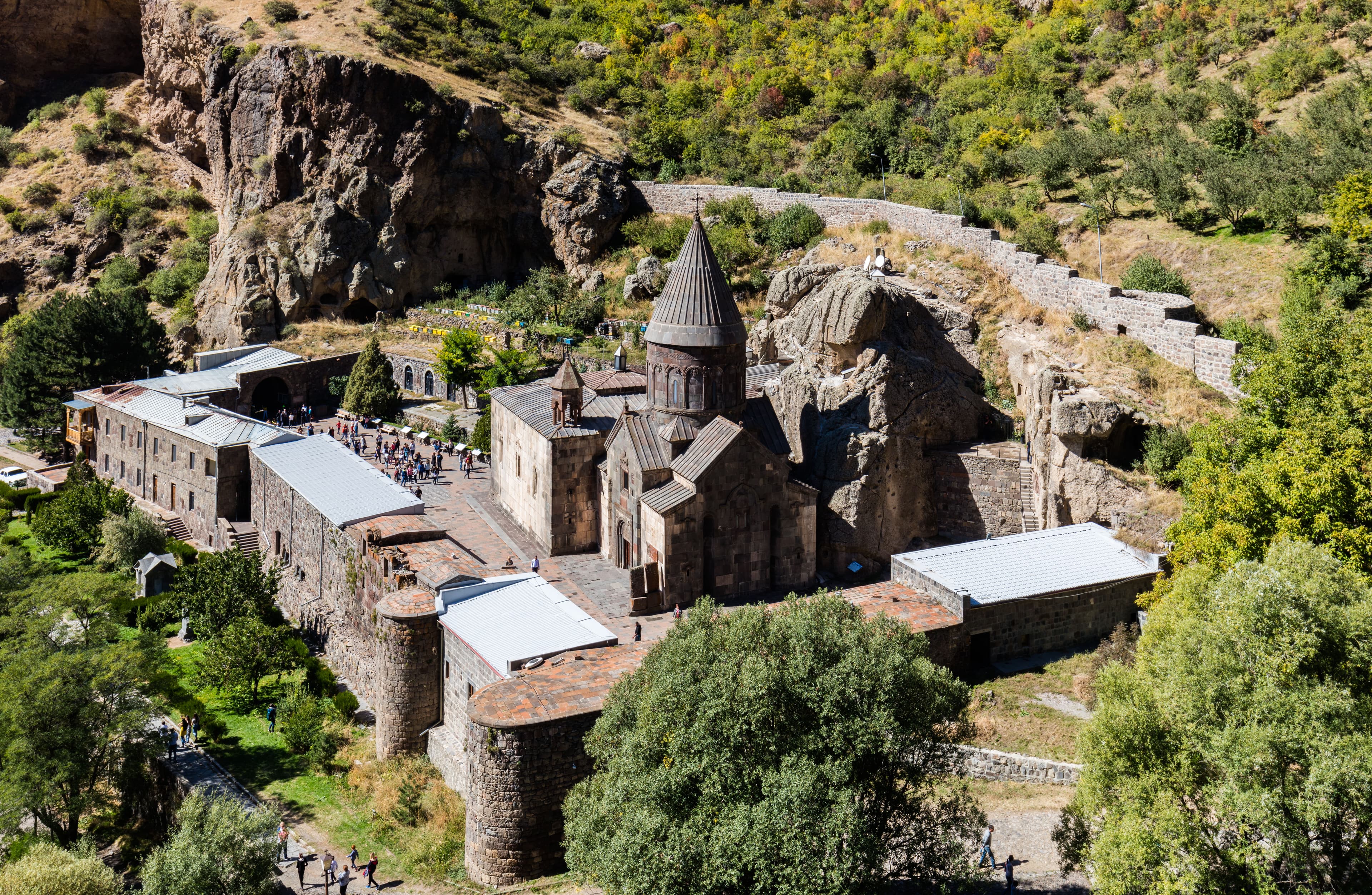
Geghard Monastery
A monastery cut into rock and set inside a steep valley, where sacred enclosure and landscape feel inseparable.
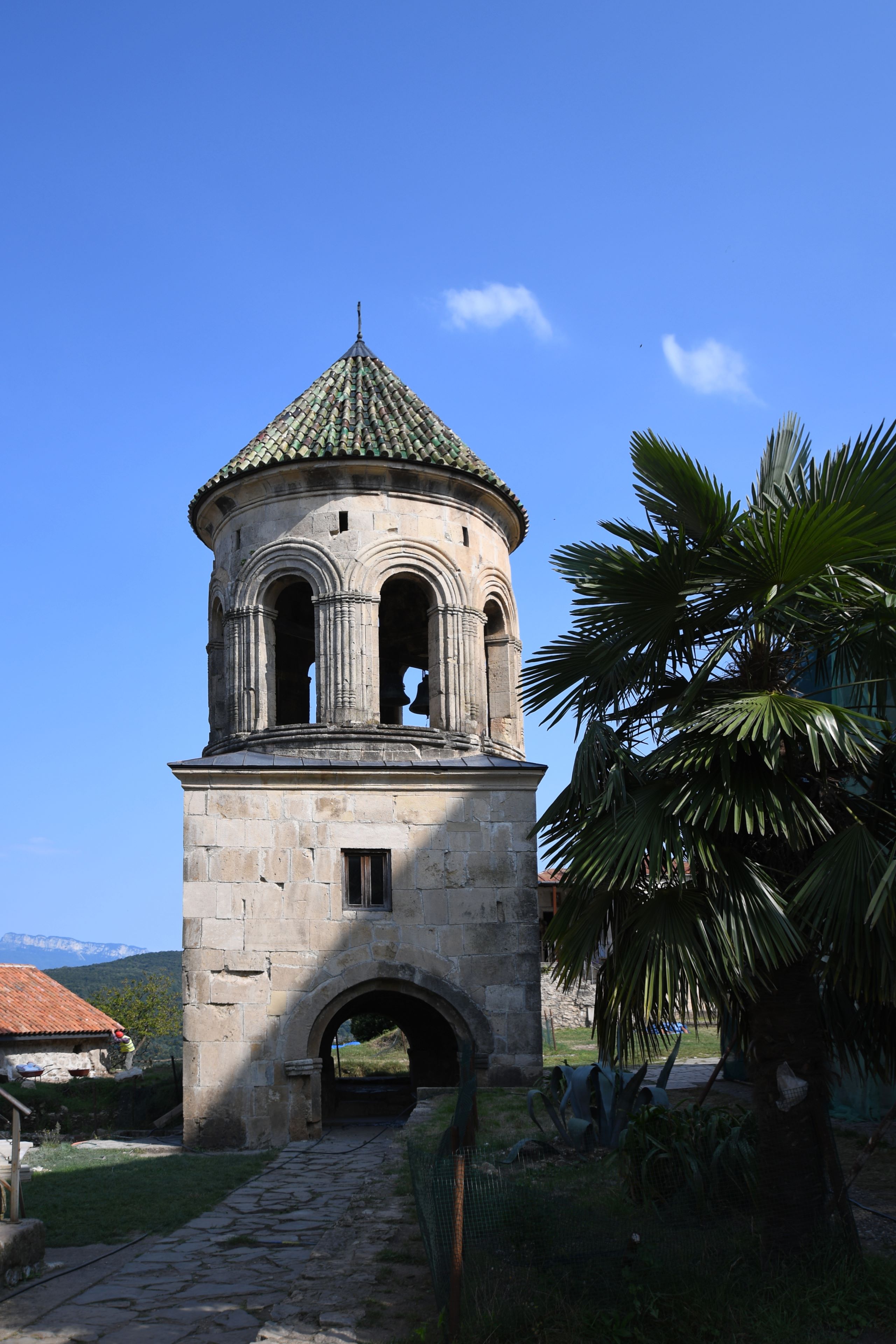
Gelati Monastery
A major Georgian monastery where liturgy, learning, and the memory of a medieval golden age remain joined.
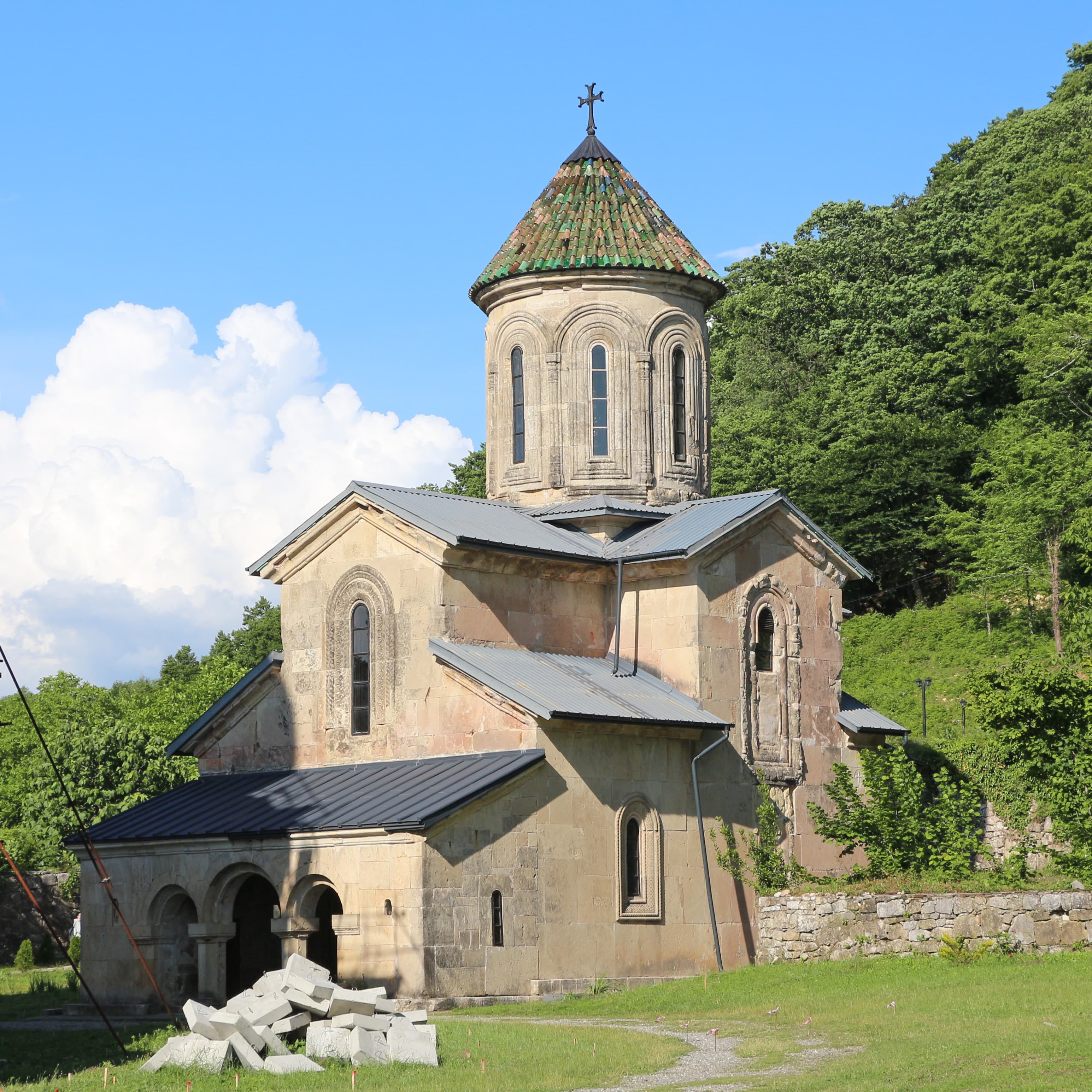
Saint George Church, Gelati Monastery
A church in the Gelati monastic world where a secondary church still widens Gelati's sacred range beyond the main cathedral and keeps the monastery visibly multi-church in character.
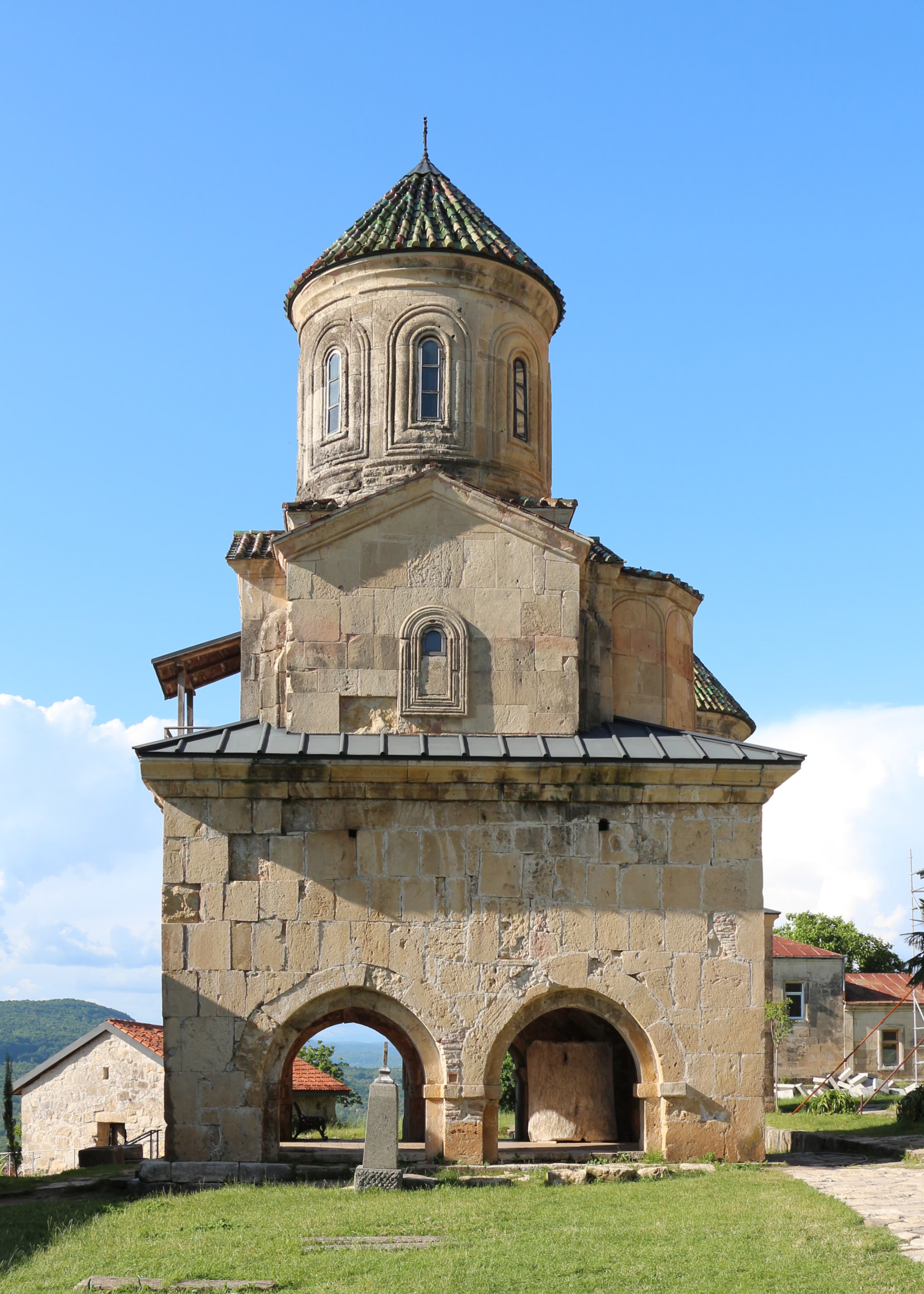
St. Nicholas Church, Gelati Monastery
A church in the Gelati monastic world where one smaller church still keeps Gelati's layered liturgical life visible within the wider monastery.
Planning signals
Seasonality, access, and site-type patterns
These quick signals make the regional planning shape explicit without forcing a full itinerary yet.
Best by constraint
Use the region through practical constraints, not just one flat place list
These shortcuts are the first pass at long-tail planning questions like mythology, archaeology, season, car-light access, and first-time fit.
FAQ
Questions this regional hub should answer quickly
Keep exploring
Continue through the strongest relationships inside this region
Links
Reference links and sources
Direct reference links for this entry, with supporting source material below.
- UNESCO entryAuthority source for Geghard and its upper valley setting.
- Wikipedia entryWikipedia article for Caucasus.
- Caucasus (Q18869)Entity anchor for the Caucasus as a geographic and cultural region.
- Armenian Apostolic Church (Q683724)Tradition reference for Armenian Apostolic sacred sites in the region.
- Eastern Orthodoxy (Q3333484)Tradition reference for Georgian Orthodox sites in the region.
- Monastery of Geghard and the Upper Azat Valley (Property 960)Authority source for Geghard and its upper valley setting.
- Cathedral and Churches of Echmiatsin and the Archaeological Site of Zvartnots (Property 1011)Authority source for Armenia's cathedral and church ensemble at Echmiatsin and Zvartnots.
- Monasteries of Haghpat and Sanahin (Property 777)Authority source for the paired Armenian monastic complexes of Haghpat and Sanahin.
- Gelati Monastery (Property 710)Authority source for Gelati Monastery as a major Georgian Orthodox complex.
- Historical Monuments of Mtskheta (Property 708)Authority source for the sacred Christian monuments of Mtskheta.
- CaucasusWikipedia article for Caucasus.