Historical sanctuary
Church of Saints Boris and Gleb, Kideksha
The Church of Saints Boris and Gleb matters because UNESCO describes it as the first church in Russia built in the white limestone style that later defined Vladimir architecture, while Wikidata and Commons keep the specific Kideksha church anchored to place.

Visitor essentials
What stands out
Scope note
Keep in view
Keep the church's primacy visible; its importance lies in sacred beginnings as much as in what survives materially.
At a glance
Before you visit
A small white-limestone church whose quiet plainness marks one of the earliest sacred starting points of the Vladimir-Suzdal tradition
Why it matters
UNESCO says the Church of Sts Boris and Gleb at Kideksha was the first church in Russia to be built in white limestone, the style that came to characterize the 12th-century architecture of Vladimir.
That matters here because the church's sacred force comes from beginnings as much as from grandeur. Its plain form carries the early devotional and architectural roots of the whole Vladimir-Suzdal school.
Respect notes
Visiting notes
Story and context
History and sacred context
Sources
- Official websitePrimary visitor-facing site for current access and institutional context.
- UNESCO entryPrimary authority source for the White Monuments serial property and the founding sacred role of the Kideksha church.
- Wikipedia entryWikipedia article for Church of Boris and Gleb.
- White Monuments of Vladimir and Suzdal (Property 633)Primary authority source for the White Monuments serial property and the founding sacred role of the Kideksha church.
- White Monuments of Vladimir and Suzdal - MapsOfficial component table listing the Church of Sts Boris and Gleb as component 633-008.
- Church of Boris and Gleb (Q2419297)Entity anchor for the Eastern Orthodox church in Kideksha, component of the UNESCO property.
- Category:Saints Boris and Gleb Church (Kideksha)Visual context for the church exterior, interior, and its setting in Kideksha.
- Church of Boris and GlebWikipedia article for Church of Boris and Gleb.
- KidekshaOfficial museum-reserve page for Kideksha, centered on the Church of Saints Boris and Gleb and its place in the White Monuments of Vladimir and Suzdal.
Nearby places
Nearby sacred places in Eastern Europe
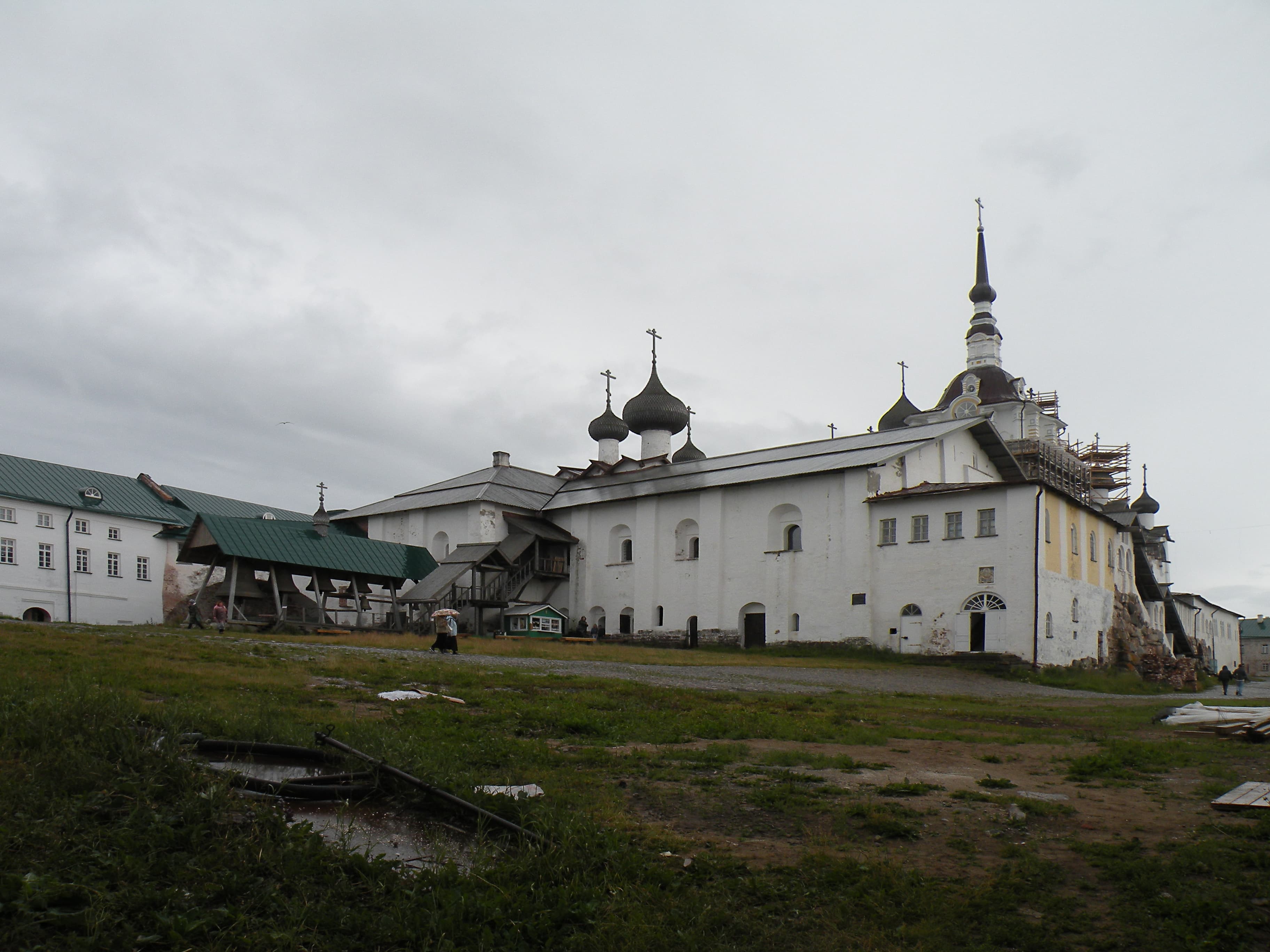
Assumption Church, Solovetsky Monastery
A church in the Solovetsky monastic ensemble where church, refectory, and communal monastic life remain visibly joined in one sacred domestic structure.
%252001.jpg&w=3840&q=75)
Church of the Epiphany, Yaroslavl
A church in the Yaroslavl sacred ensemble where richly ornamented brickwork and urban prominence keep it legible as one of the chief sacred markers of the historic center.
.jpg&w=3840&q=75)
Church of the Saviour at Berestove
A church in the Kyiv sacred ensemble where its separate position keeps the UNESCO property legible as more than one enclosed monastery core.

Church of the Transfiguration on Ilyina Street
A church in the Novgorod sacred ensemble where its compact form and fresco reputation keep one urban parish church central within the Novgorod sacred ensemble.
Same tradition elsewhere
Eastern Orthodox Christianity sacred sites beyond Eastern Europe
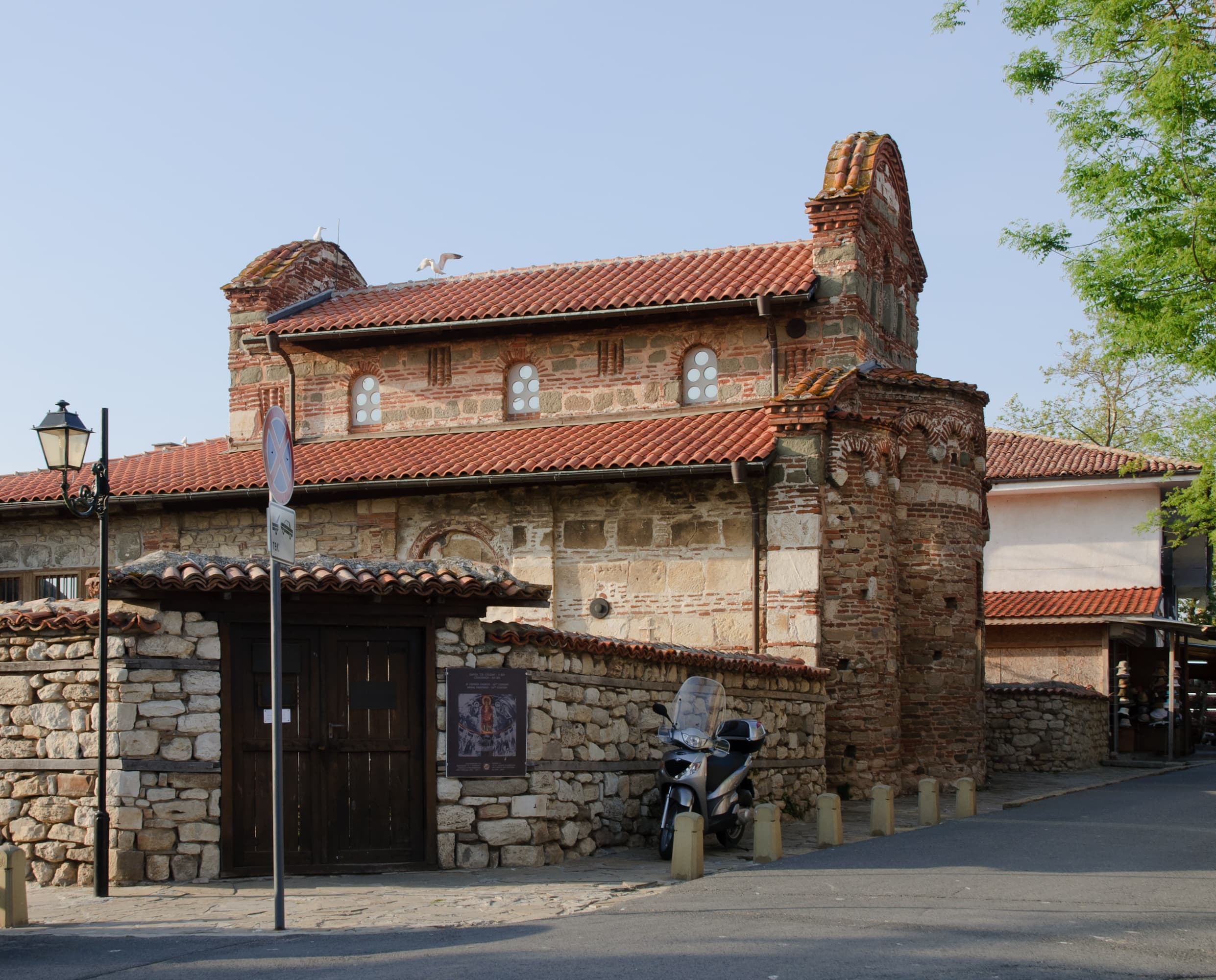
Church of Saint Stephen, Nesebar
A church in the Nessebar sacred ensemble where exterior modesty and fresco-rich interior keep it one of the most complete sacred interiors in the city.
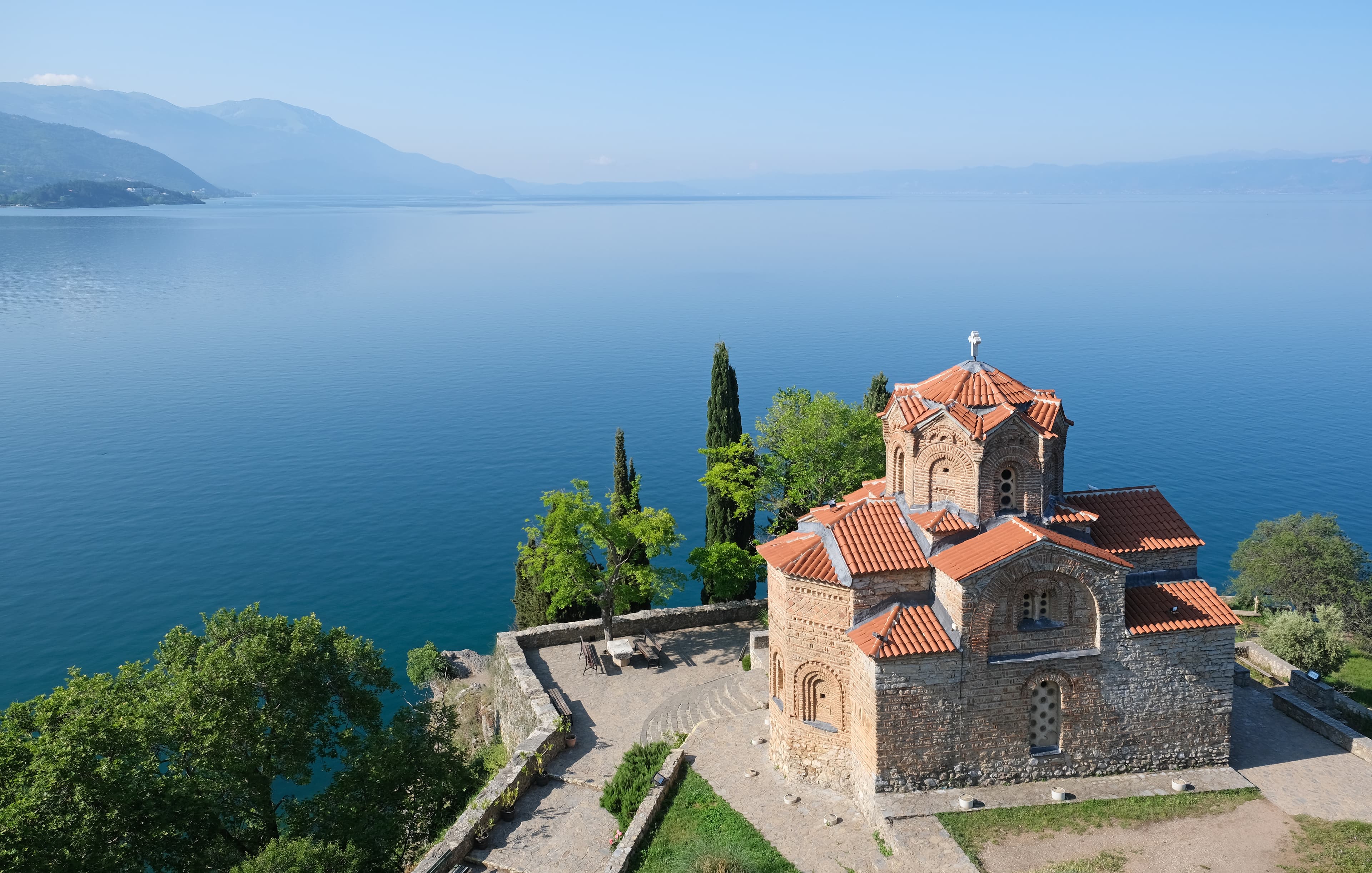
Church of St. John at Kaneo
A church in the sacred and cultural landscape of Ohrid where the church, the rock above the lake, and the long shoreline gaze still make the site feel devotional rather than merely scenic.
Keep exploring