Living sacred site
Injisha, Shimogamo Shrine
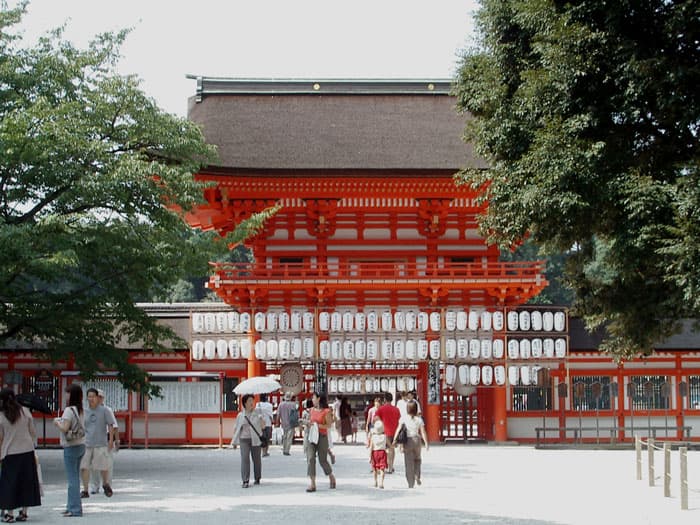
Injisha, Shimogamo Shrine matters because it preserves a living devotional focus on contracts and seals rather than letting those concerns sit outside the shrine's sacred world.
Visitor essentials
What stands out
Scope note
Keep in view
Keep Injisha framed as a living auxiliary shrine of contract prayer, not just as an unusual shrine theme.
At a glance
Before you visit
A smaller shrine where agreements, seals, and successful conclusions still remain matters of prayer
Why it matters
UNESCO frames Historic Monuments of Ancient Kyoto (Kyoto, Uji and Otsu Cities) as a living Shinto precinct where auxiliary shrines, sacred trees, and purification waters still shape the older Kamo sacred world, and the supporting site sources keep Injisha, Shimogamo Shrine legible as an auxiliary shrine within the living Shimogamo sacred precinct within Ancient Kyoto.
That matters because Injisha, Shimogamo Shrine is strongest as the smaller shrine where seals and contracts are still treated as sacred matters under divine protection rather than only a quirky contract shrine inside the grounds.
Respect notes
Visiting notes
Story and context
History and sacred context
Sources
- Official websitePrimary visitor-facing site for current access and institutional context.
- UNESCO entryPrimary authority source for the Ancient Kyoto serial property and its religious monuments.
- Wikipedia entryWikipedia article for Shimogamo Shrine.
- Historic Monuments of Ancient Kyoto (Kyoto, Uji and Otsu Cities) (Property 688)Primary authority source for the Ancient Kyoto serial property and its religious monuments.
- Historic Monuments of Ancient Kyoto - MapsComponent map source identifying Kamomioya-jinja within the Ancient Kyoto property.
- Shimogamo Shrine (Q701620)Parent entity anchor for Shimogamo Shrine as an Ancient Kyoto world-heritage component, with listed parts including the East Main Shrine, West Main Shrine, and Kawai Shrine.
- Category:Shimogamo-jinjaVisual context for Shimogamo Shrine, its main sanctuaries, branch shrines, gates, sacred grove, and water features.
- Contract ShrineOfficial Shimogamo Shrine page describing Injisha as a shrine of seals and contracts whose deity is approached for important agreements and successful conclusions.
- Shimogamo ShrineWikipedia article for Shimogamo Shrine.
Nearby places
Nearby sacred places in Japan
Aioi Shrine, Shimogamo Shrine
A smaller shrine where Shimogamo's living sacred life still gathers around prayers for union and harmony.
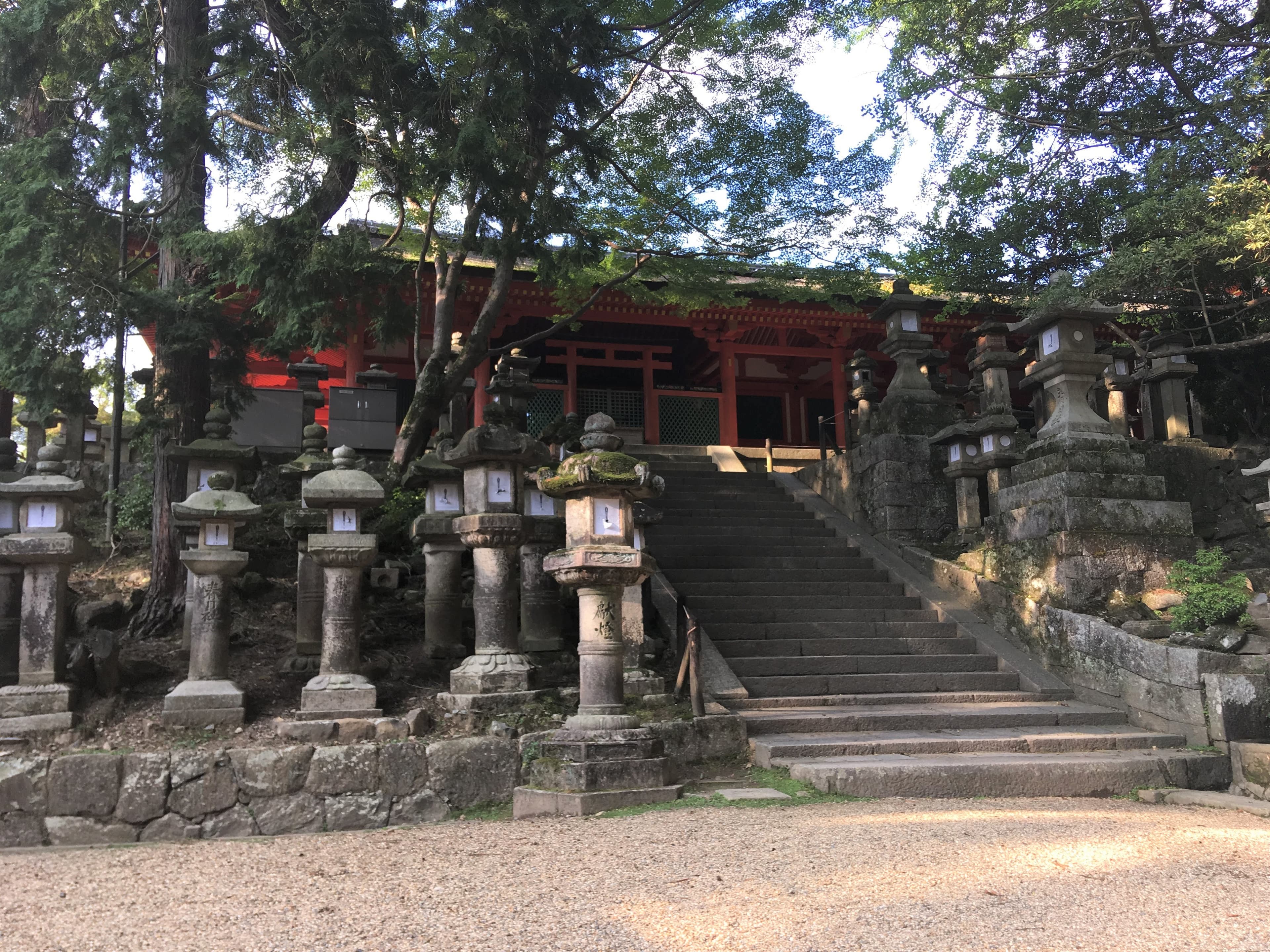
Enomoto Shrine, Kasuga-taisha
A subsidiary shrine that keeps Kasuga-taisha's sacred landscape wider than its main sanctuary alone.
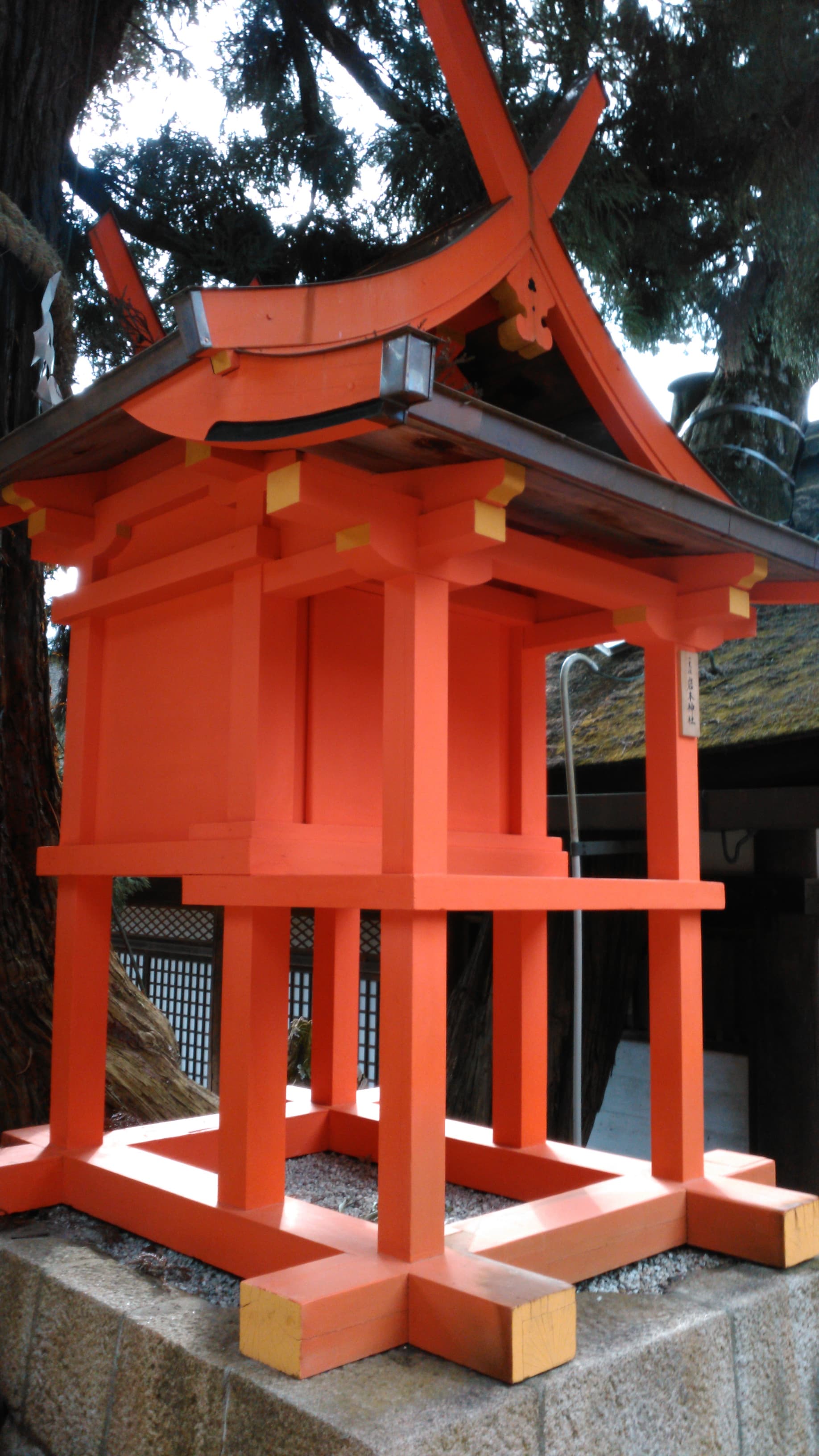
Iwamoto Jinja Shrine, Kasuga-taisha
A cedar-root shrine where Kasuga-taisha keeps older Sumiyoshi devotion alive within the inner precinct.
Kotosha, Shimogamo Shrine
A seven-shrine cluster where zodiac devotion still remains one of Shimogamo's living prayer traditions.
Regional journeys
Journeys in Japan
Keep exploring