Living sacred site
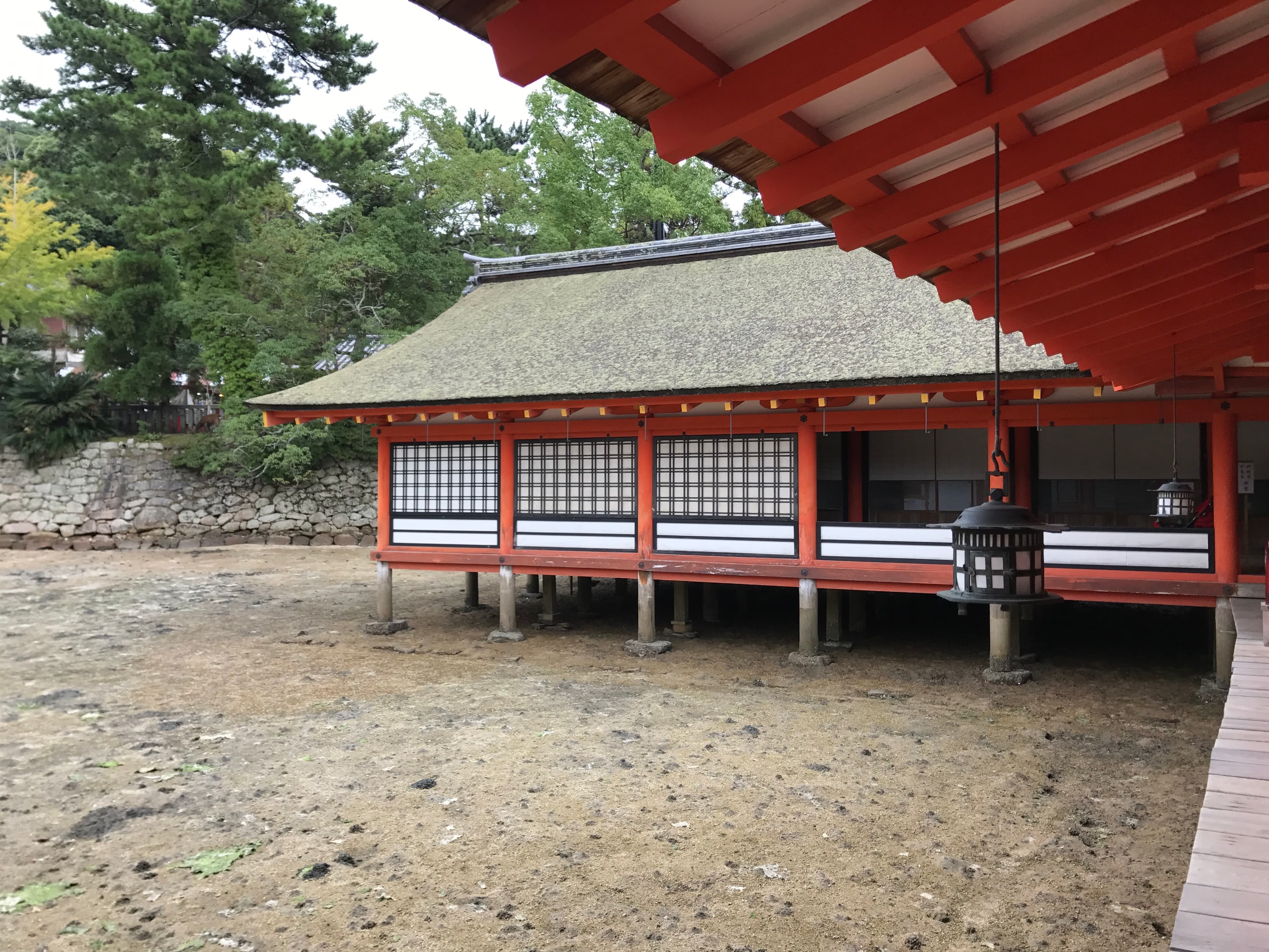
Asazaya, Itsukushima Shrine
Asazaya, Itsukushima Shrine matters because the shrine's sacred route depends on more than its famous thresholds and sanctuaries alone.
Visitor essentials
What stands out
Scope note
Keep in view
Keep Asazaya framed as part of the living inner shrine sequence, not as an anonymous side structure.
At a glance
Before you visit
A quieter hall at Itsukushima that still belongs to the shrine's sacred route, not just to its background architecture
Why it matters
UNESCO frames Itsukushima Shinto Shrine as a living Shinto precinct where subsidiary halls and shrines still articulate the inner sequence of approach, offering, and worship within one shrine-sea landscape, and the supporting site sources keep Asazaya, Itsukushima Shrine legible as a hall within the living tidal shrine precinct on Miyajima.
That matters because Asazaya, Itsukushima Shrine is strongest as the hall that marks a quieter station within Itsukushima's approach sequence rather than only a minor side building on the way through the precinct.
Respect notes
Visiting notes
Story and context
History and sacred context
Sources
- Official websitePrimary visitor-facing site for current access and institutional context.
- UNESCO entryPrimary authority source for the Itsukushima world-heritage property, its holy Shinto setting, and its integration of shrine, sea, and mountain.
- Wikipedia entryWikipedia article for Itsukushima Shrine.
- Itsukushima Shinto Shrine (Property 776)Primary authority source for the Itsukushima world-heritage property, its holy Shinto setting, and its integration of shrine, sea, and mountain.
- RouteOfficial English route page naming Asazaya, Main Shrine, Daikoku Shrine, and other components within the shrine's living visit sequence.
- Itsukushima Shrine (Q191763)Parent entity anchor for Itsukushima Shrine as a Shinto shrine, world-heritage site, and sacred landscape on Miyajima.
- Category:Itsukushima Shinto ShrineVisual context for the wider Itsukushima Shrine precinct and its named architectural components.
- Category:Asazaya, Itsukushima Shinto ShrineVisual context for Asazaya as a named hall within the Itsukushima Shrine precinct.
- Itsukushima ShrineWikipedia article for Itsukushima Shrine.
Nearby places
Nearby sacred places in Japan
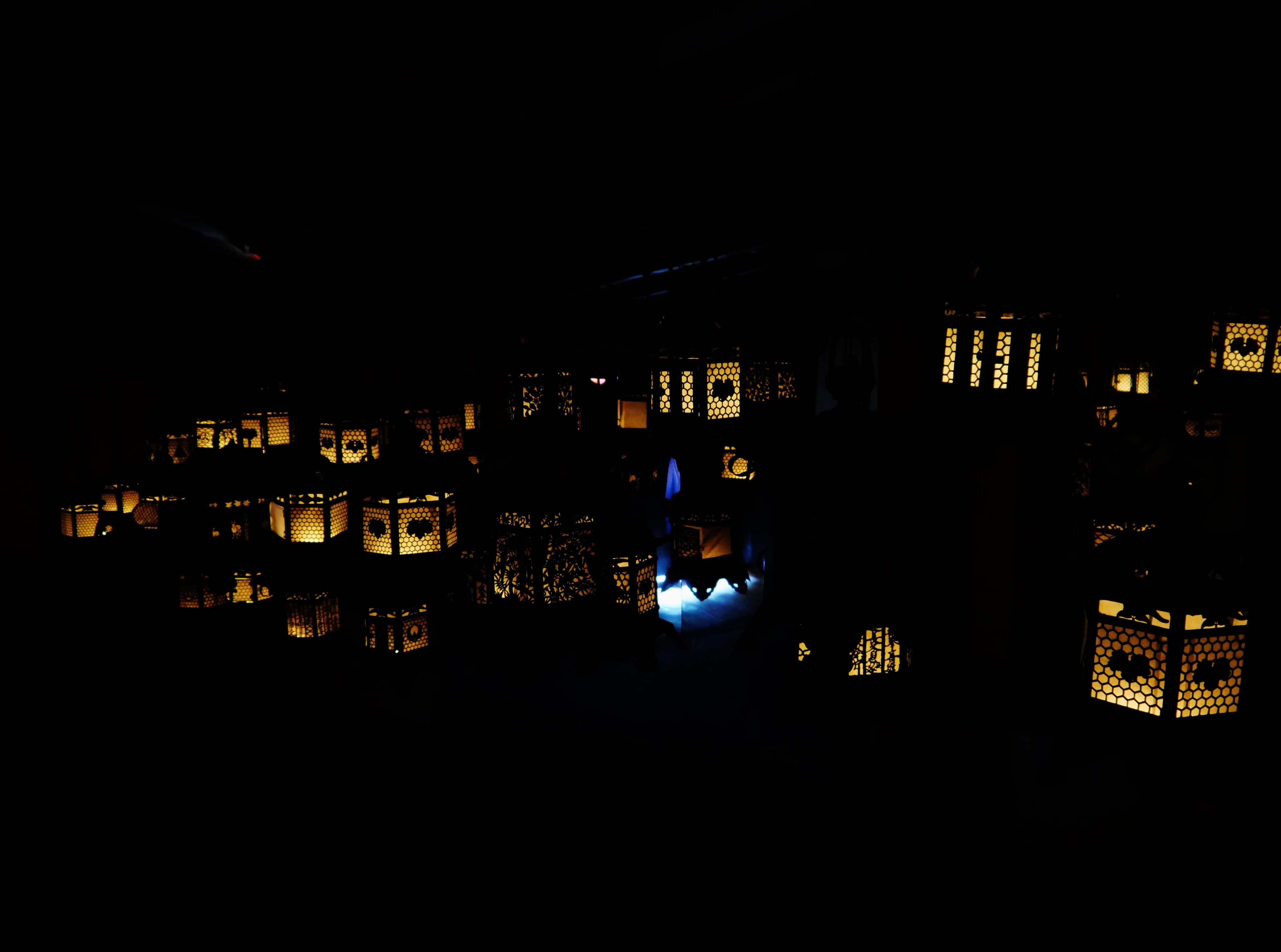
Fujinami-no-ya Hall, Kasuga-taisha
A lantern hall where Kasuga-taisha turns bronze light into one of its strongest inner-precinct devotional experiences.
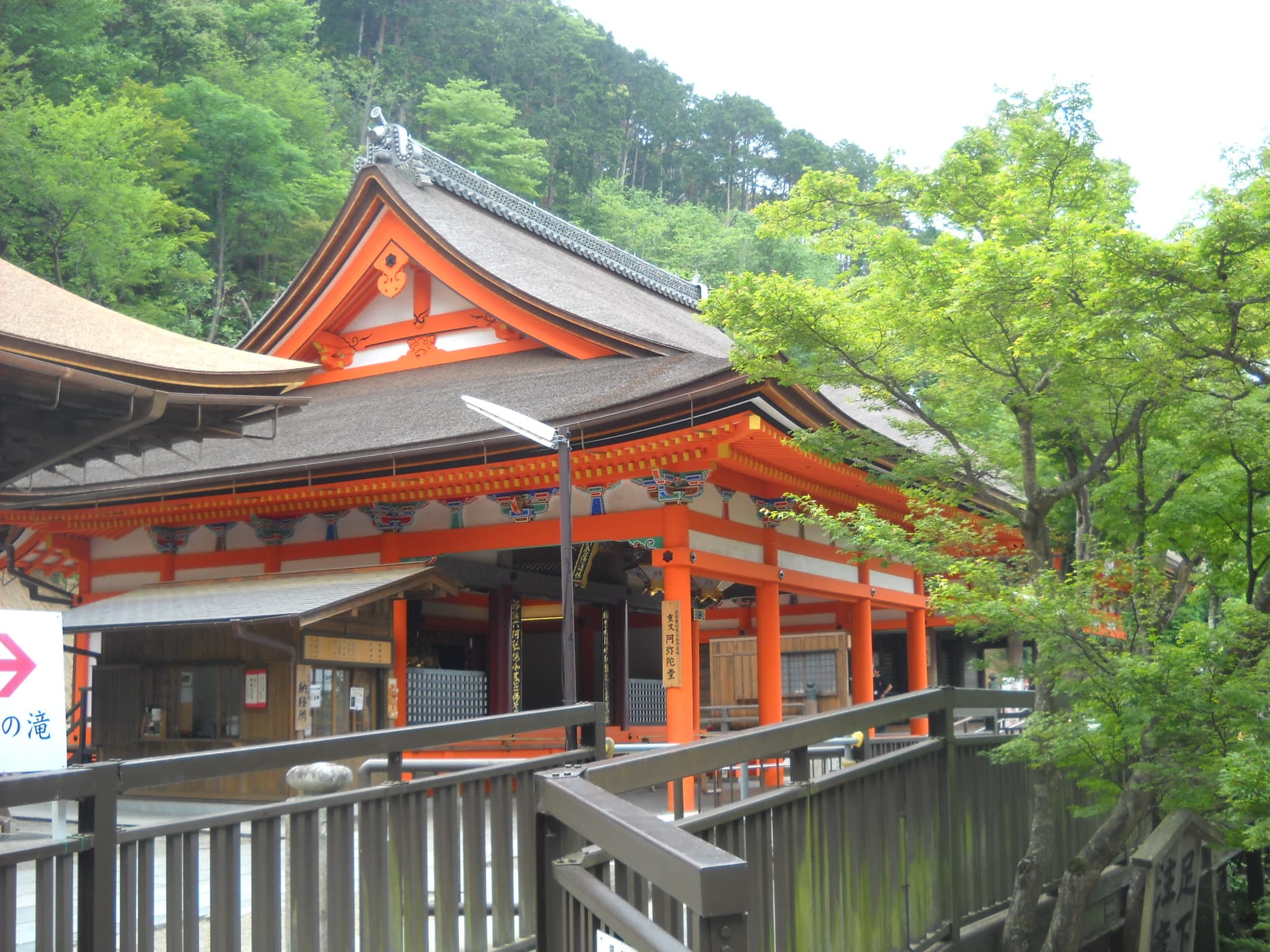
Amida-do Hall, Kiyomizu-dera
A Kiyomizu hall where Amida devotion still keeps the precinct broader than its most famous landmarks.
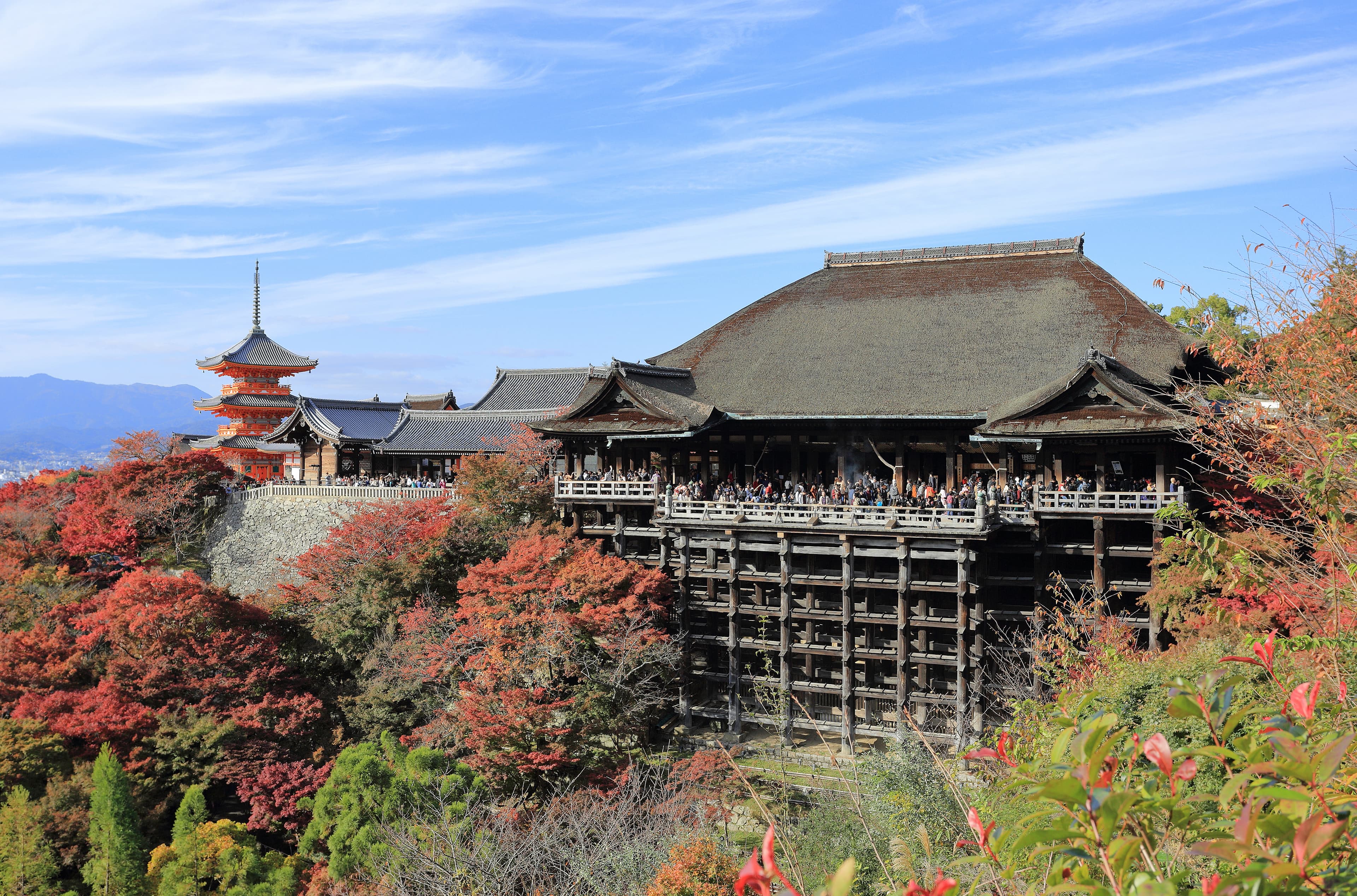
Okuno-in Hall, Kiyomizu-dera
An inner Kiyomizu hall that turns the famous view back toward the main stage into part of the sacred precinct.
Shaka-do Hall, Kiyomizu-dera
A quieter Kiyomizu hall that keeps the precinct from collapsing into a single-stage temple story.
Regional journeys
Journeys in Japan
Kiyomizu-dera Hall Temple Precinct
A Kiyomizu-dera subroute through the temple's major halls that reads the precinct structurally rather than through the broader mountain-stage and gate sequence alone.
Kiyomizu-dera Temple Precinct
A fuller Kiyomizu-dera route through hall, shrine, gate, pagoda, and waterfall that reads the mountain precinct as a layered sacred environment rather than as one famous stage alone.
Keep exploring