Living sacred site
Okuno-in Hall, Kiyomizu-dera
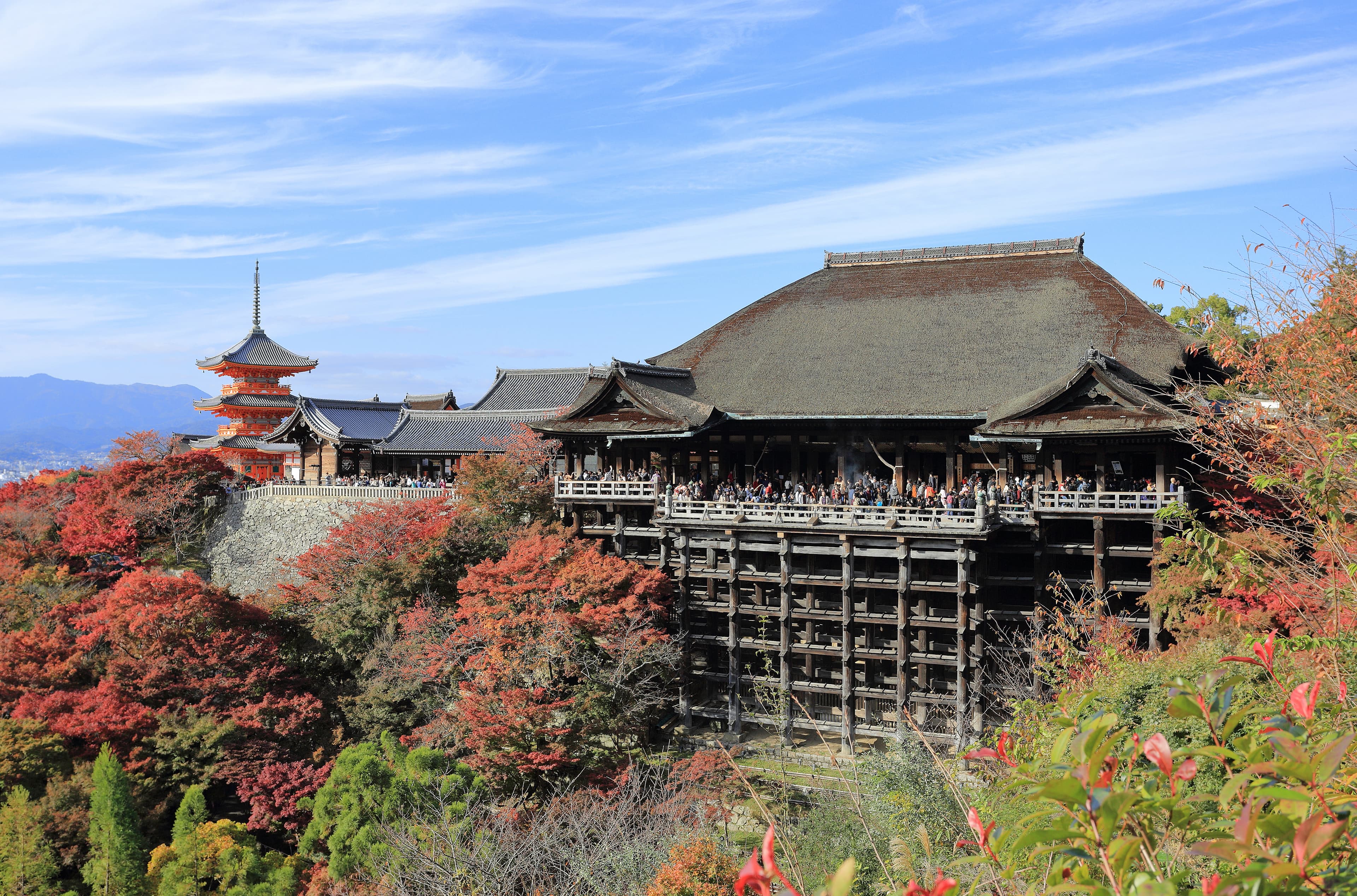
Okuno-in Hall, Kiyomizu-dera matters because it extends the temple's sacred terrain beyond the main hall and keeps the lower waterfall zone tied to active precinct life.
Visitor essentials
What stands out
Scope note
Keep in view
Keep the Okuno-in framed as an inner hall within the living precinct, not just as a viewpoint.
At a glance
Before you visit
An inner Kiyomizu hall that turns the famous view back toward the main stage into part of the sacred precinct
Why it matters
UNESCO frames Historic Monuments of Ancient Kyoto (Kyoto, Uji and Otsu Cities) as a living Buddhist precinct where halls, gates, sacred water, and Pure Land-facing views remain part of Kiyomizu-dera's active Kannon world, and the supporting site sources keep Okuno-in Hall, Kiyomizu-dera legible as a hall within the living Kiyomizu precinct within Ancient Kyoto.
That matters because Okuno-in Hall, Kiyomizu-dera is strongest as the inner hall above Otowa Waterfall where a second stage extends Kiyomizu-dera's sacred landscape beyond the main hall rather than only the photo spot with the good view of the main hall.
Respect notes
Visiting notes
Story and context
History and sacred context
Sources
- Official websitePrimary visitor-facing site for current access and institutional context.
- UNESCO entryPrimary authority source for the Ancient Kyoto serial property and its religious monuments.
- Wikipedia entryWikipedia article for Kiyomizu-dera Temple.
- Historic Monuments of Ancient Kyoto (Kyoto, Uji and Otsu Cities) (Property 688)Primary authority source for the Ancient Kyoto serial property and its religious monuments.
- Historic Monuments of Ancient Kyoto - MapsComponent map source identifying Kiyomizu-dera within the Ancient Kyoto property.
- Kiyomizu-dera Temple (Q221716)Parent entity anchor for Kiyomizu-dera as a Buddhist temple, pilgrimage site, and Ancient Kyoto world-heritage component.
- Category:Kiyomizu-deraVisual context for Kiyomizu-dera, its halls, gates, and wider hillside precinct.
- Category:Okunoin, Kiyomizu-deraVisual context for Okuno-in Hall and its relation to the Main Hall and lower precinct.
- VisitOfficial Kiyomizu-dera ground map and component guide describing Okuno-in Hall, its 1633 rebuilding, and its position directly above Otowa Waterfall.
- Kiyomizu-dera TempleWikipedia article for Kiyomizu-dera Temple.
Nearby places
Nearby sacred places in Japan
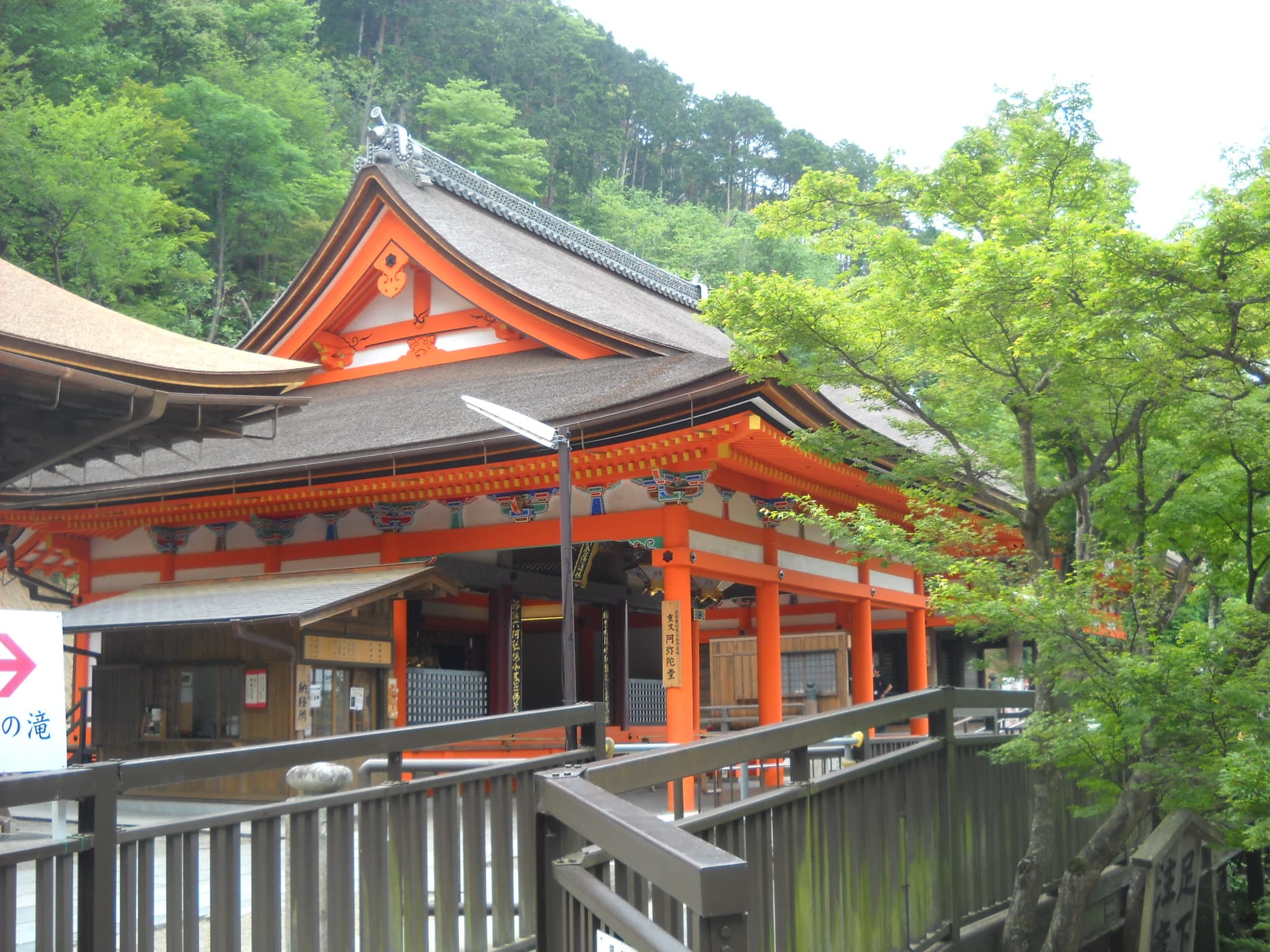
Amida-do Hall, Kiyomizu-dera
A Kiyomizu hall where Amida devotion still keeps the precinct broader than its most famous landmarks.
Shaka-do Hall, Kiyomizu-dera
A quieter Kiyomizu hall that keeps the precinct from collapsing into a single-stage temple story.
.jpg&w=3840&q=75)
Zuigu-do Hall, Kiyomizu-dera
A quieter Kiyomizu hall where hidden worship and embodied ritual still shape the visit.
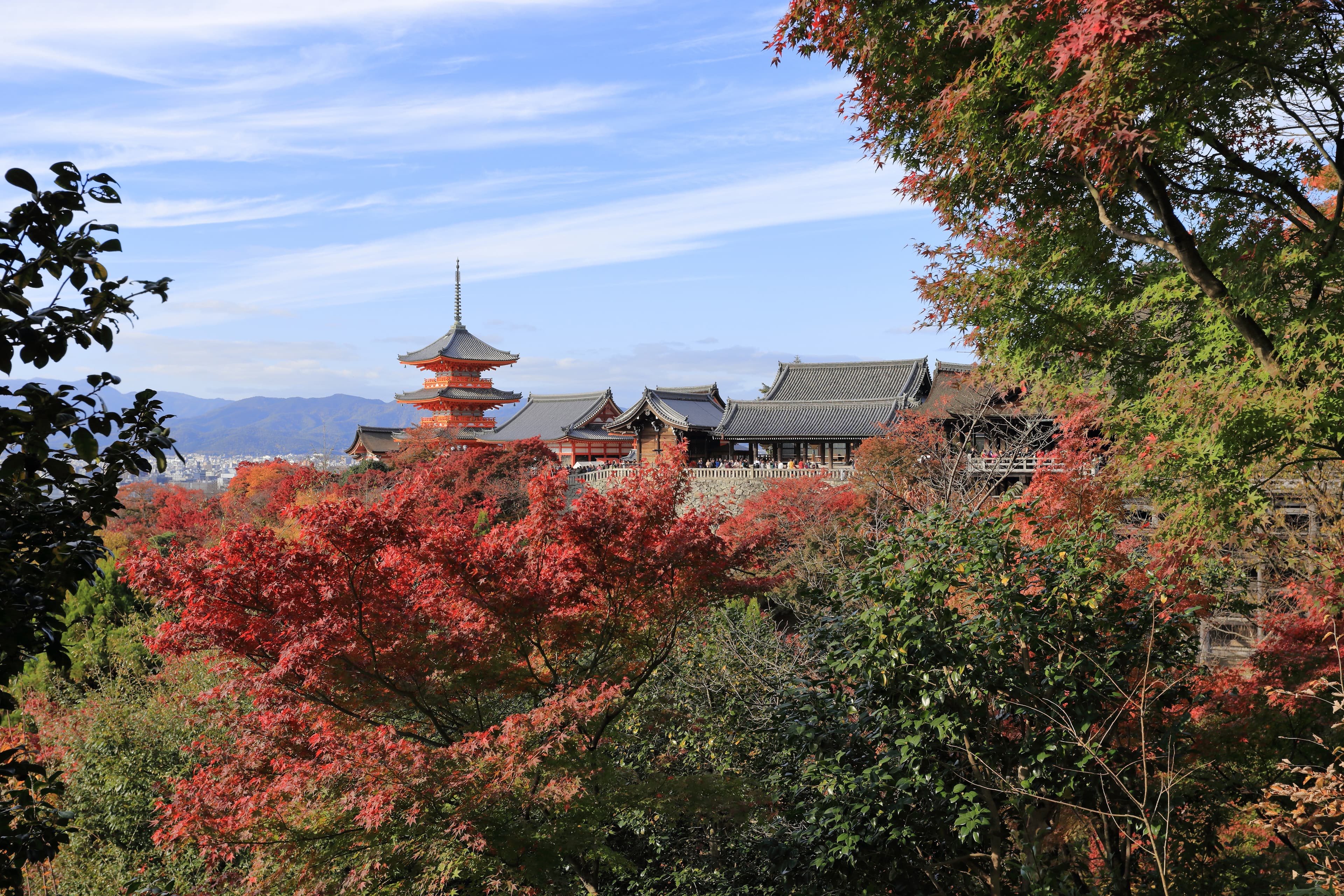
Kiyomizu-dera
A temple where ritual awareness, world-heritage context, and calmer crowd guidance all need to coexist.
On the same route
Places on the same route
Kiyomizu-dera
A temple where ritual awareness, world-heritage context, and calmer crowd guidance all need to coexist.
Zuigu-do Hall, Kiyomizu-dera
A quieter Kiyomizu hall where hidden worship and embodied ritual still shape the visit.
.jpg&w=3840&q=75)
Main Hall, Kiyomizu-dera
Kiyomizu-dera's main hall, where the famous stage still serves a living Kannon sanctuary.
Amida-do Hall, Kiyomizu-dera
A Kiyomizu hall where Amida devotion still keeps the precinct broader than its most famous landmarks.
Related journeys
Related journeys
Keep exploring