Region
Korea
A strong sacred-travel region for mountain monasteries, ritual continuity, and carefully structured ceremonial spaces.
Quick explainer
How to use this regional lens
This short explainer tells users what makes the region distinct, who it suits, and how to move through it.
Regional character
A sacred geography with its own travel rhythm
Korea works especially well as a sacred-travel region because places like Haeinsa, Bulguksa, and Tongdosa keep Buddhist religious life visible within temple compounds that still depend on mountain setting, monastic rhythm, and carefully ordered movement.
The region is also distinct because Jongmyo and the Korean seowon add a different sacred register: formal ancestral rites, veneration of scholars, axial space, and ritual continuity rooted in Confucian practice rather than monastic retreat.
Featured places
Sacred places in Korea

Beopjusa Temple
A Korean mountain monastery where large wooden halls, broad courts, and living Buddhist practice still work together as one precinct.

Bongjeongsa Temple
A Korean mountain monastery where wooden halls, quiet courts, and living Buddhist use still hold together as one temple world.
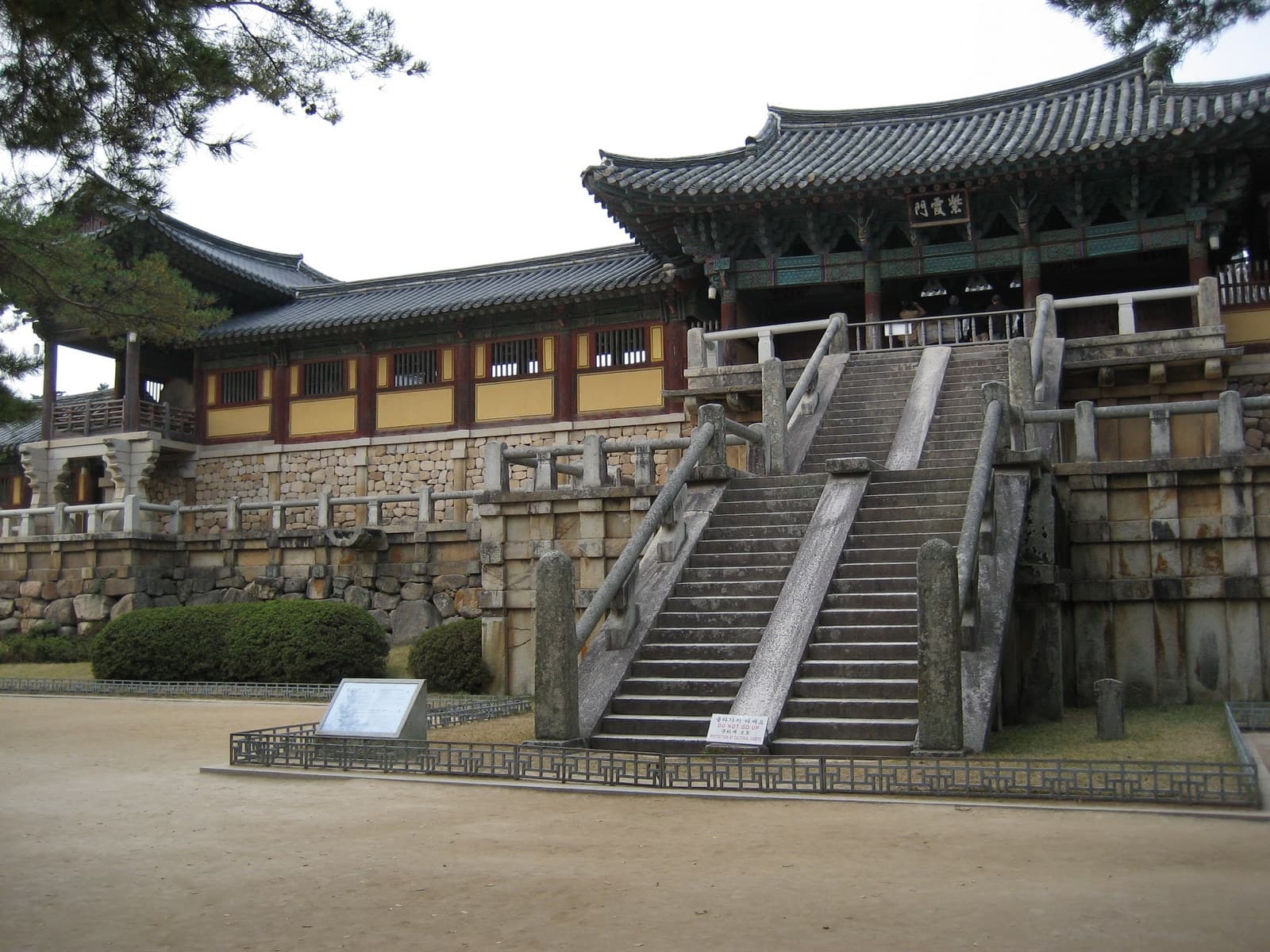
Bulguksa Temple
A Buddhist temple of terraces, bridges, pagodas, and halls arranged to give material form to a Buddhist ideal world.
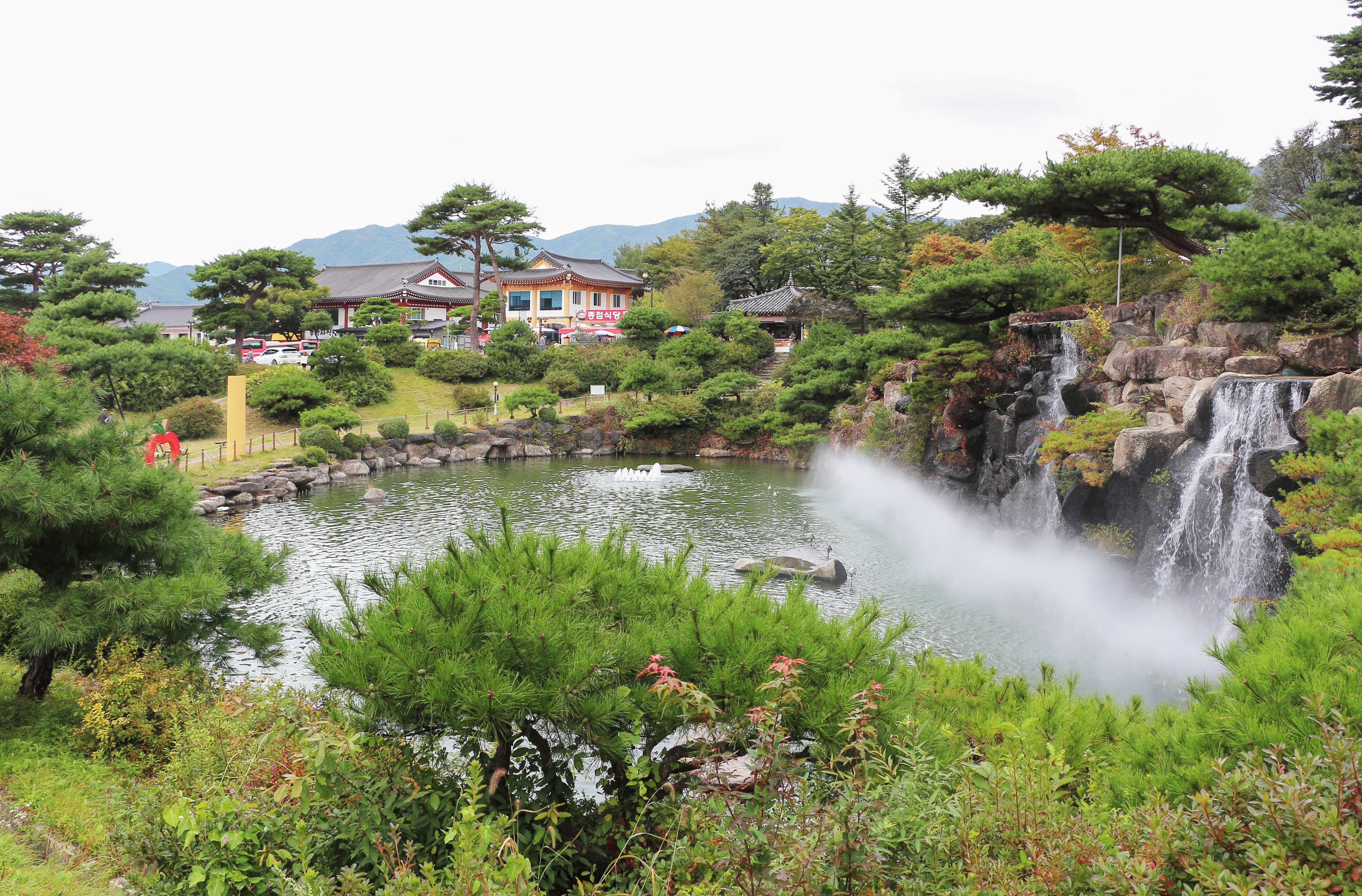
Buseoksa Temple
A Korean mountain monastery where terraces, halls, and long views still shape the approach to an active Buddhist site.

Daeheungsa Temple
A Korean mountain monastery where deep precincts, halls, and a wooded valley setting still support living Buddhist practice.
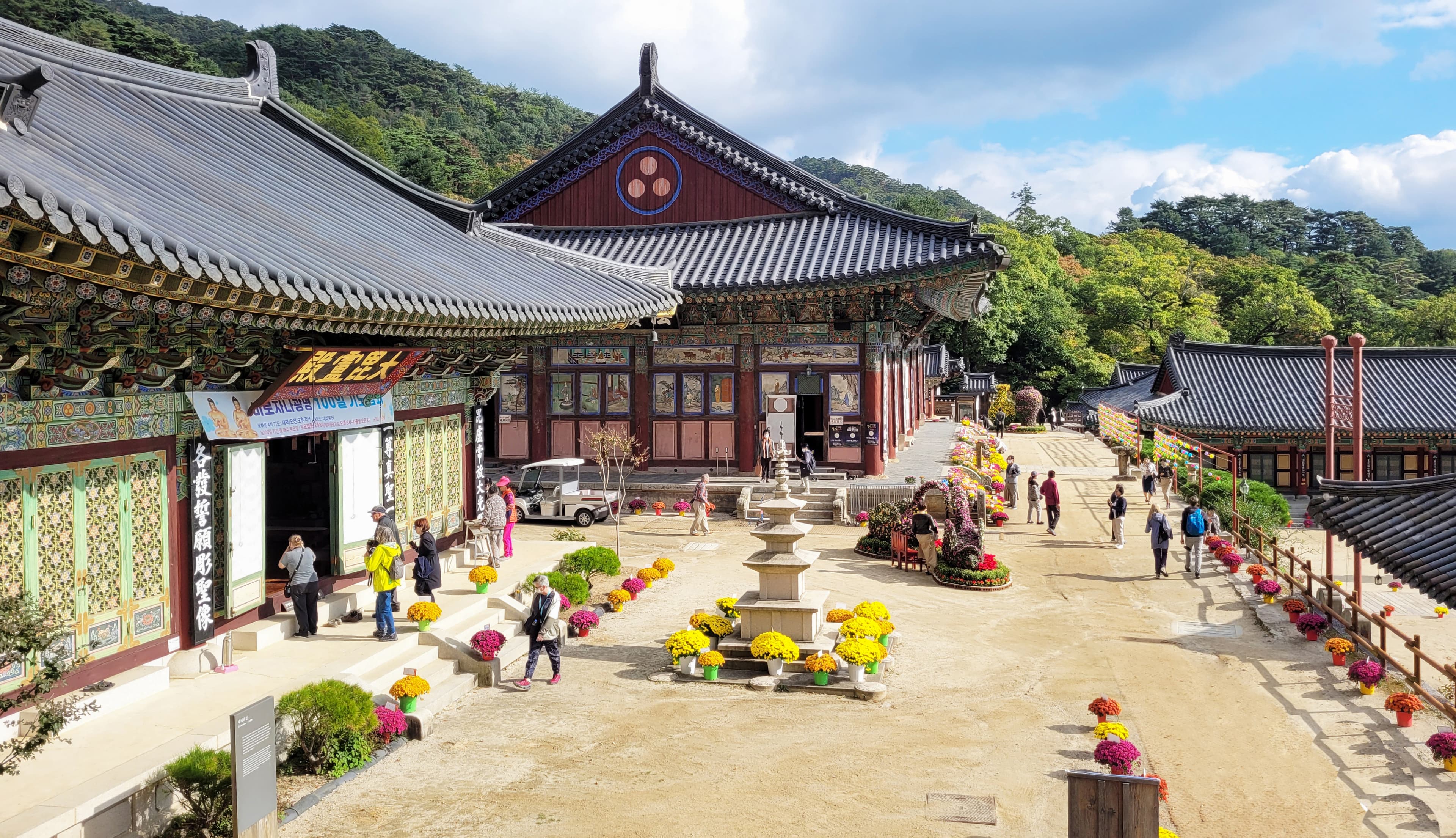
Haeinsa Temple
A mountain temple where living monastic practice and the immense authority of the Tripitaka Koreana still define the sacred atmosphere.
Lesser-known places
Keep the region broader than the headline anchors
These pages widen the regional field beyond the most obvious route stops.

Magoksa Temple
A mountain temple whose halls, courtyards, and wooded setting keep Korean Buddhist monastic space legible at full scale.
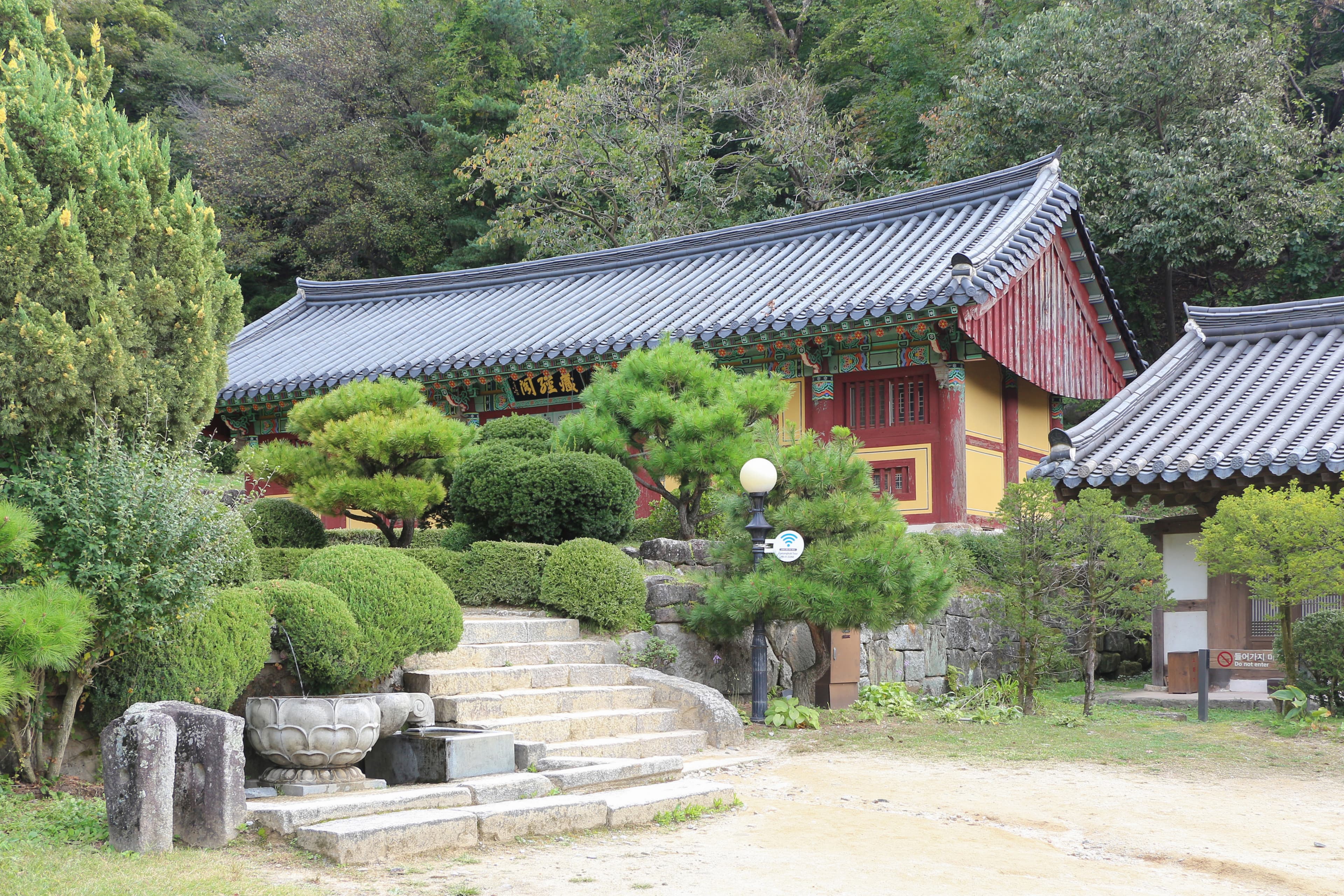
Sansa, Buddhist Mountain Monasteries in Korea
A serial ensemble of living mountain monasteries where seven Korean Buddhist precincts still show one tradition in active form.

Seonamsa Temple
A Korean mountain monastery where halls, gates, and wooded paths still form one living Buddhist environment.
Planning signals
Seasonality, access, and site-type patterns
These quick signals make the regional planning shape explicit without forcing a full itinerary yet.
Best by constraint
Use the region through practical constraints, not just one flat place list
These shortcuts are the first pass at long-tail planning questions like mythology, archaeology, season, car-light access, and first-time fit.
FAQ
Questions this regional hub should answer quickly
Keep exploring
Continue through the strongest relationships inside this region
Links
Reference links and sources
Direct reference links for this entry, with supporting source material below.
- UNESCO entryAuthority source for Haeinsa as a representative Korean Buddhist sacred site.
- Wikipedia entryWikipedia article for Korea.
- Korea (Q18097)Entity anchor for Korea as the broader cultural region in East Asia.
- Haeinsa Temple Janggyeong Panjeon, the Depositories for the Tripitaka Koreana Woodblocks (Property 737)Authority source for Haeinsa as a representative Korean Buddhist sacred site.
- Seokguram Grotto and Bulguksa Temple (Property 736)Authority source for one of Korea's key Buddhist sacred complexes.
- Sansa, Buddhist Mountain Monasteries in Korea (Property 1562)Authority source for Korea's living Buddhist mountain-monastery tradition.
- Jongmyo Shrine (Property 738)Authority source for Korea's preserved royal Confucian ritual tradition.
- Seowon, Korean Neo-Confucian Academies (Property 1498)Authority source for Korea's Neo-Confucian academies as sacred educational and commemorative landscapes.
- KoreaWikipedia article for Korea.