Living sacred site
Magoksa Temple
Magoksa Temple is one of Korea's UNESCO-listed Buddhist mountain monasteries, best understood as a living monastic setting where halls, courts, and the surrounding terrain remain part of the same sacred rhythm.

Visitor essentials
What stands out
Scope note
Keep in view
Keep the temple's living monastic character visible rather than treating it as a still but inactive heritage enclosure.
At a glance
Before you visit
A Korean mountain monastery where halls, pagoda, and wooded setting still form one living Buddhist environment
Why it matters
UNESCO identifies Magoksa as one of the seven monasteries in the Sansa serial property and describes these monasteries as sacred places that have survived as living centres of faith and daily religious practice.
That matters because Magoksa is not simply a preserved temple compound. It is a living mountain monastery whose courts, halls, and setting still support Buddhist religious life.
Respect notes
Visiting notes
Story and context
History and sacred context
UNESCO is especially useful here because it preserves the spatial logic of Korea's mountain monasteries while still allowing Magoksa to be read as one living sacred place within that tradition.
Korea Heritage Service's live Sansa World Heritage page is strong enough to anchor Magoksa directly because the official heritage authority explicitly names Magoksa among the seven living Buddhist mountain monasteries and explains their continuing role as sacred centers of faith and monastic practice.
Sources
- Official websitePrimary visitor-facing site for current access and institutional context.
- UNESCO entryPrimary authority source for Magoksa as one of Korea's living Buddhist mountain monasteries.
- Wikipedia entryWikipedia article for Magoksa.
- Magoksa (Q624128)Entity anchor for Magoksa as a Buddhist temple and component of the Sansa serial property.
- Sansa, Buddhist Mountain Monasteries in Korea (Property 1562)Primary authority source for Magoksa as one of Korea's living Buddhist mountain monasteries.
- Category:MagoksaVisual context for Magoksa's halls, pagoda, and mountain-monastery setting.
- Sansa, Buddhist Mountain Monasteries in KoreaOfficial Korean heritage authority World Heritage page that explicitly names Magoksa as one of the seven living Buddhist mountain monasteries in the Sansa serial property.
- MagoksaWikipedia article for Magoksa.
Nearby places
Nearby sacred places in Korea

Beopjusa Temple
A Korean mountain monastery where large wooden halls, courtyards, and living Buddhist practice still work together as one precinct.

Bongjeongsa Temple
A Korean mountain monastery where wooden halls, quiet courts, and living Buddhist use still hold together as one temple world.
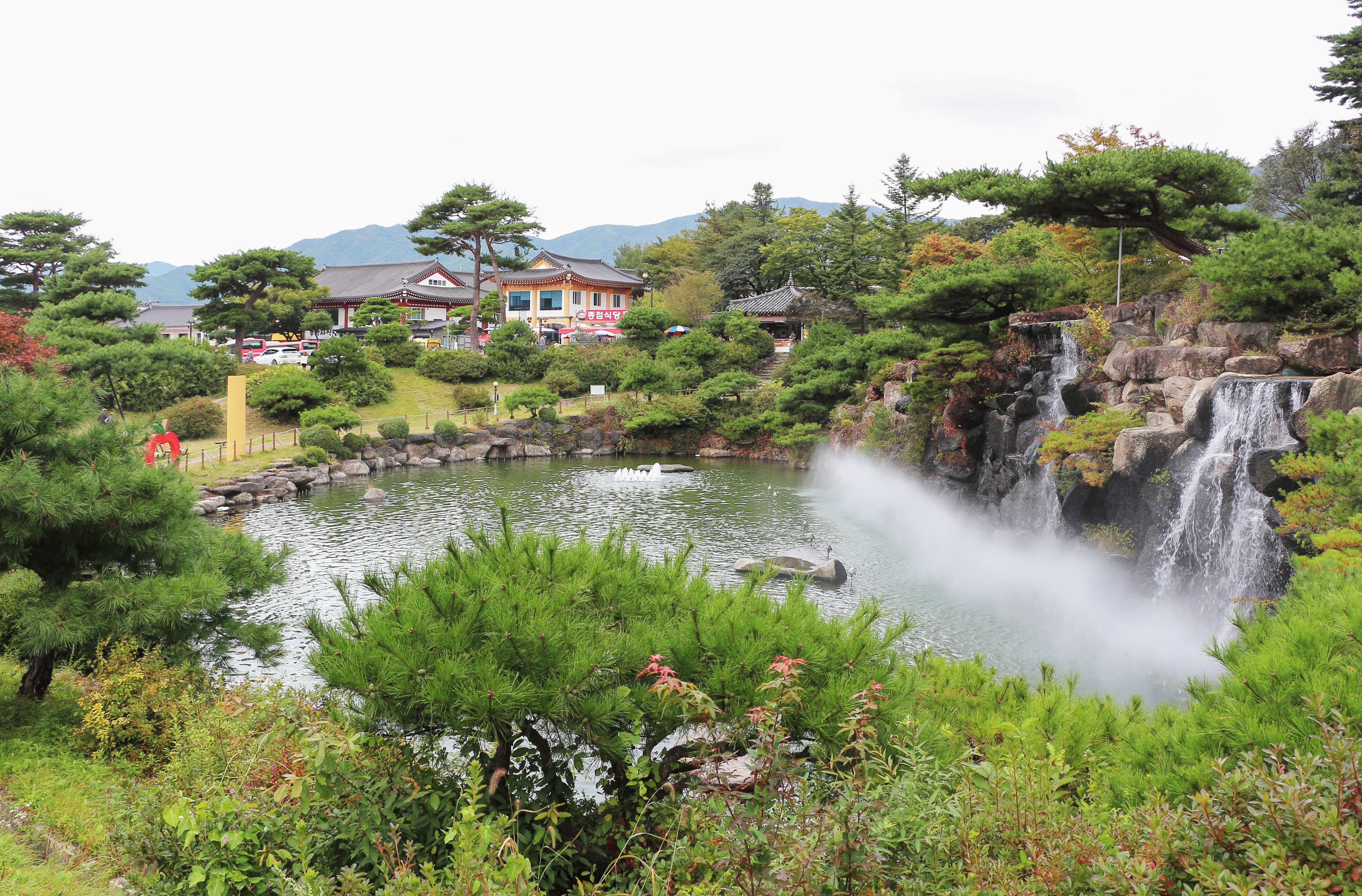
Buseoksa Temple
A Korean mountain monastery where terraces, halls, and expansive setting still support a living Buddhist atmosphere.

Daeheungsa Temple
A Korean mountain monastery where deep precincts, halls, and a wooded valley setting still support living Buddhist practice.
Keep exploring