Historical sanctuary

Sümela Monastery

Trabzon Province, Turkey · Eastern Orthodox Christianity · Cliff monastery sanctuary

Sümela Monastery matters here because official Turkish sources still frame it first as a monastery founded for the Virgin Mary, with cave church, chapels, and holy spring preserving the sacred logic of the site even after its conversion to museum use.
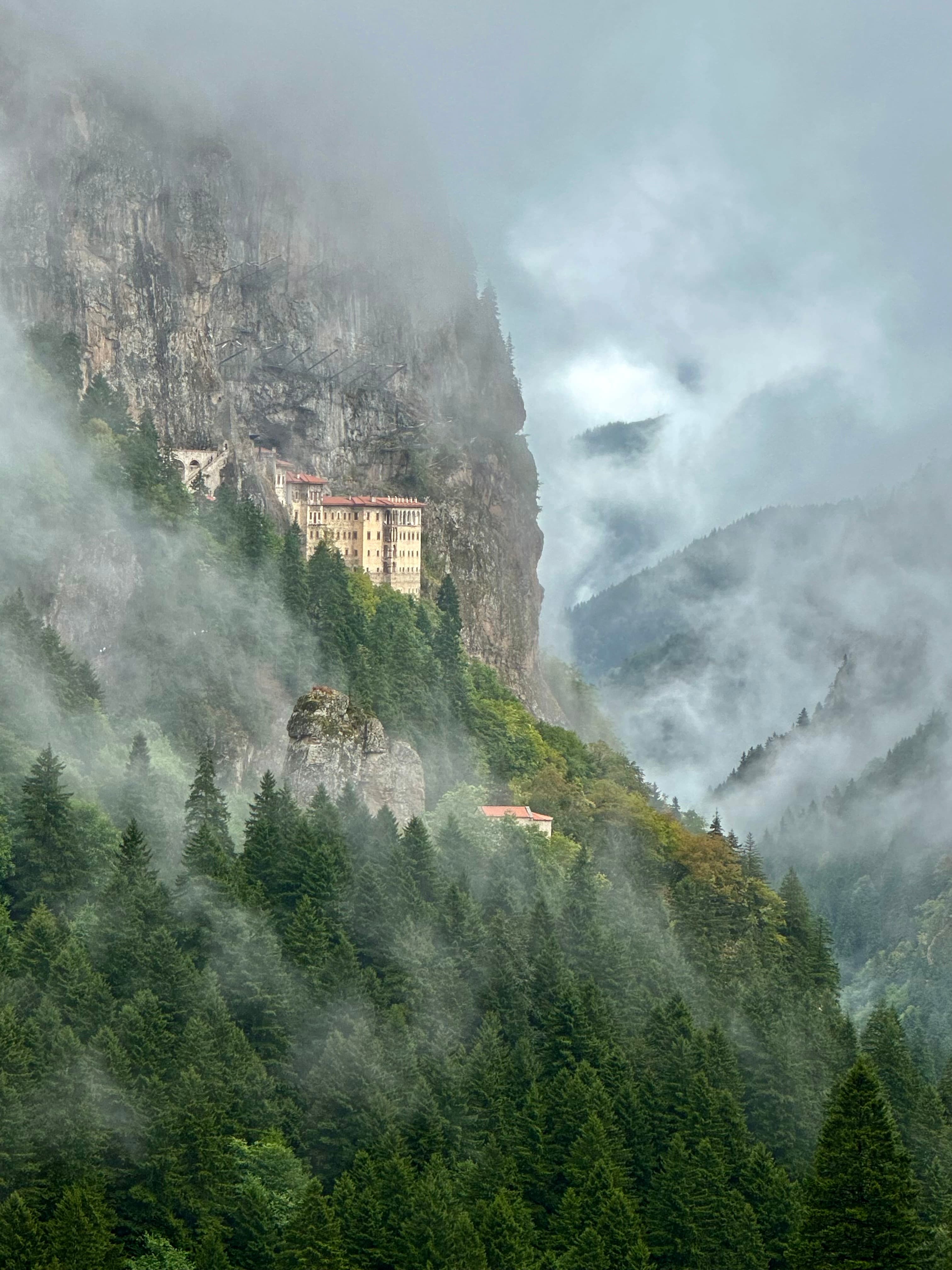
Sümela Monastery on the cliffside in Trabzon Province, Turkey.
Photo by MoosagSourceCC0 1.0
GeographyAsia · Turkey · West and Central Asia
TraditionEastern Orthodox Christianity
EvidenceHistorical sacred site
SeasonLate spring through early autumn
AccessManaged heritage and pilgrimage access

Visitor essentials

LocationTrabzon Province, Turkey
Best seasonLate spring through early autumn
AccessManaged heritage and pilgrimage access
OrientationA cliffside Virgin Mary monastery where cave church, chapels, holy spring, and long monastic memory still shape the place even under museum stewardship.
Official informationCurrent visitor information
Route valueBest used inside West and Central Asia rather than as a disconnected stop.

What stands out

UNESCO and the official government site help widen that frame by keeping the longer monastic history and the site's cliff-built sacred setting visible, while Wikidata simply anchors the monastery entity itself.

Scope note

Keep in view

Do not flatten Sümela into a cliff-photo icon; the cave church and Marian monastic framing are the real core.

At a glance

Before you visit

A cliffside Virgin Mary monastery where cave church, chapels, holy spring, and long monastic memory still shape the place even under museum stewardship

What it isSümela Monastery matters here because official Turkish sources still frame it first as a monastery founded for the Virgin Mary, with cave church, chapels, and holy spring preserving the sacred logic of the site even after its conversion to museum use.
Why it mattersThe official Turkish Museums page says Sümela was founded for the Virgin Mary and remains one of the most important monasteries in Anatolia, keeping the monastery's sacred dedication visible rather than burying it under scenic tourism.
ContextThe official Turkish Museums page is the strongest source here because it preserves the monastery's Marian dedication, cave church, holy spring, and later museum status in one account.
Visiting todayCheck current hours and seasonal access before visiting, because the site is managed as a monumental museum with controlled visitor entry.
Best time to goBest season is Late spring through early autumn.
How it fits a routeUse West and Central Asia as the main regional frame for this stop rather than treating it as a standalone destination cut off from the surrounding sacred geography.

Why it matters

The official Turkish Museums page says Sümela was founded for the Virgin Mary and remains one of the most important monasteries in Anatolia, keeping the monastery's sacred dedication visible rather than burying it under scenic tourism.

That sacred framing deepens because the same official page describes a cave church at the center of the complex, multiple chapels, and an ayazma or holy spring, which together make the site legible as more than a striking façade on a cliff.

UNESCO's Tentative List description helps keep the long religious life of the complex in view by describing Sümela as a monastic complex built into the rock cliffs of the Altındere Valley and developed across many centuries.

Respect notes

Treat Sümela first as a former monastic sanctuary of the Virgin Mary rather than as only a dramatic heritage overlook.
Keep cave church, chapels, and holy spring visible here so the site's devotional structure stays clearer than its postcard façade alone.

Visiting notes

A slower visit matters because Sümela unfolds through approach, cave church, painted chapels, and water features rather than through one panoramic viewpoint.
The official visitor pages should shape trip planning, because current access operates through seasonal hours, ticketing, and managed museum entry.

Story and context

History and sacred context

The official Turkish Museums page is the strongest source here because it preserves the monastery's Marian dedication, cave church, holy spring, and later museum status in one account.

Sources

  • Official websiteOfficial sitePrimary visitor-facing site for current access and institutional context.
  • UNESCO entryUNESCO World Heritage CentreOfficial UNESCO Tentative List entry for the cliff-built monastic complex in the Altındere Valley.
  • Wikipedia entryWikipediaWikipedia article for Sümela Monastery.
  1. Sümela ManastırıT.C. İletişim Başkanlığı · Official siteOfficial government site dedicated to Sümela Monastery, its history, architecture, and visitor information.Accessed 2026-04-24
  2. Trabzon Sümela MonasteryOfficial Turkish Museums · Official siteOfficial museum page describing the monastery's dedication to the Virgin Mary, cave church, chapels, holy spring, and current managed access.Accessed 2026-04-24
  3. Sümela Monastery (The Monastery of Virgin Mary)UNESCO World Heritage Centre · Heritage authorityOfficial UNESCO Tentative List entry for the cliff-built monastic complex in the Altındere Valley.Accessed 2026-04-24
  4. Sümela Monastery (Q1419157)Wikidata · Entity referenceEntity anchor for Sümela Monastery in Trabzon Province.Accessed 2026-04-24
  5. Sümela MonasteryWikipedia · Entity referenceWikipedia article for Sümela Monastery.Accessed 2026-04-25

Same tradition elsewhere

Eastern Orthodox Christianity sacred sites beyond West and Central Asia
Keep exploring

Explore more