Region
West and Central Asia
A strong sacred-travel region for Friday mosques, Ottoman mosque complexes, Sufi shrine ensembles, Armenian monastic sites, and monumental pilgrimage architecture.
Quick explainer
How to use this regional lens
This short explainer tells users what makes the region distinct, who it suits, and how to move through it.
Regional character
A sacred geography with its own travel rhythm
West and Central Asia is especially strong for sacred travel because sites like Selimiye, Divrigi, Ardabil, Isfahan, Turkistan, and the Armenian monastic ensembles of Iran show several sacred forms at once: congregational mosques, imperial social complexes, Sufi shrine ensembles, mausolea, and Christian monasteries that remained important long after their construction.
That gives the region a distinct rhythm. Many of its most meaningful places are understood through thresholds, courts, domes, shrine routes, monastic enclosure, and prayer or pilgrimage use rather than through one distant skyline alone, so slower movement and stronger ritual literacy usually lead to better visits.
Featured places
Sacred places in West and Central Asia
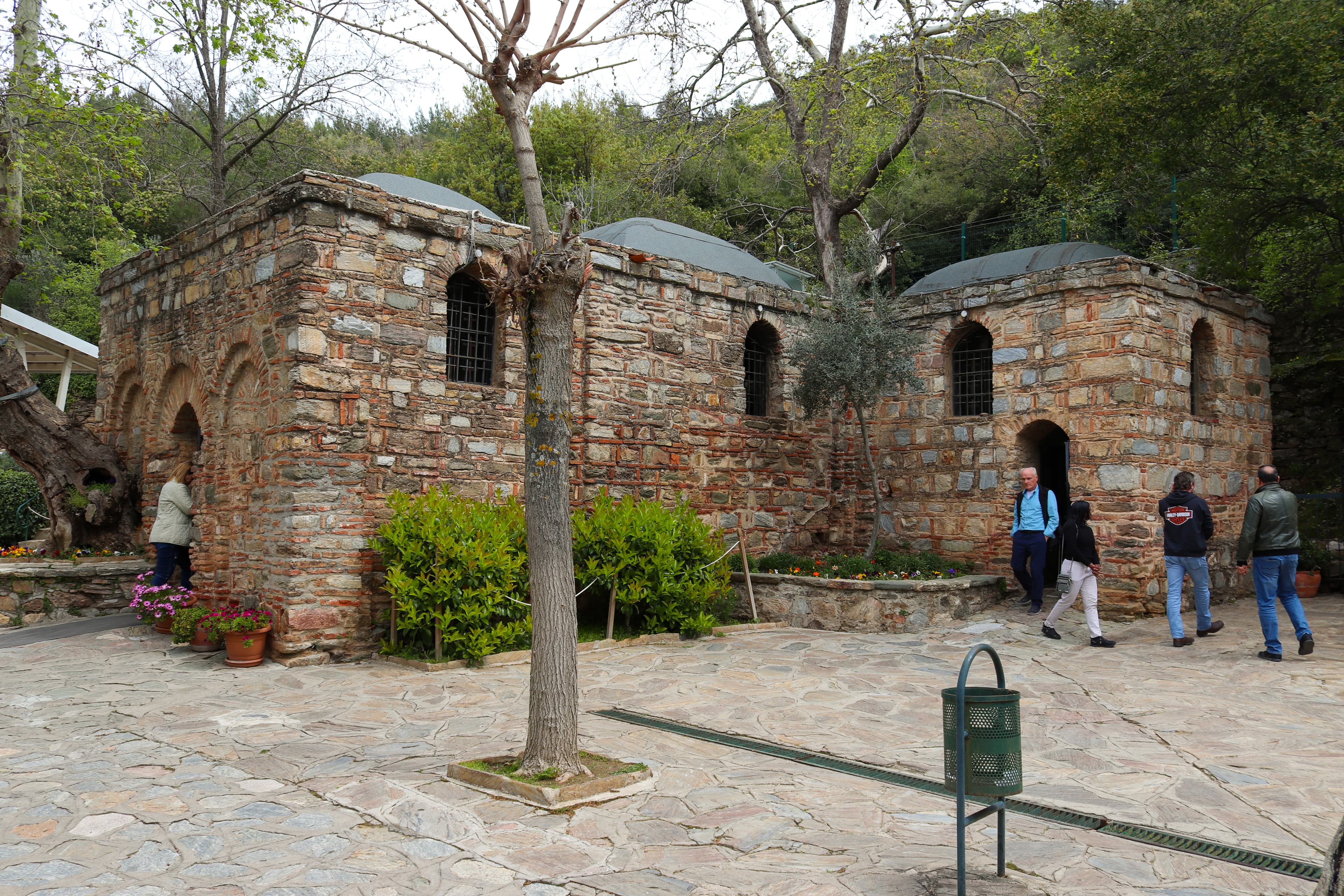
House of the Virgin Mary
A hillside shrine above Ephesus where Christian pilgrimage, August liturgy, and Muslim reverence still keep a small house alive as a major sacred destination.
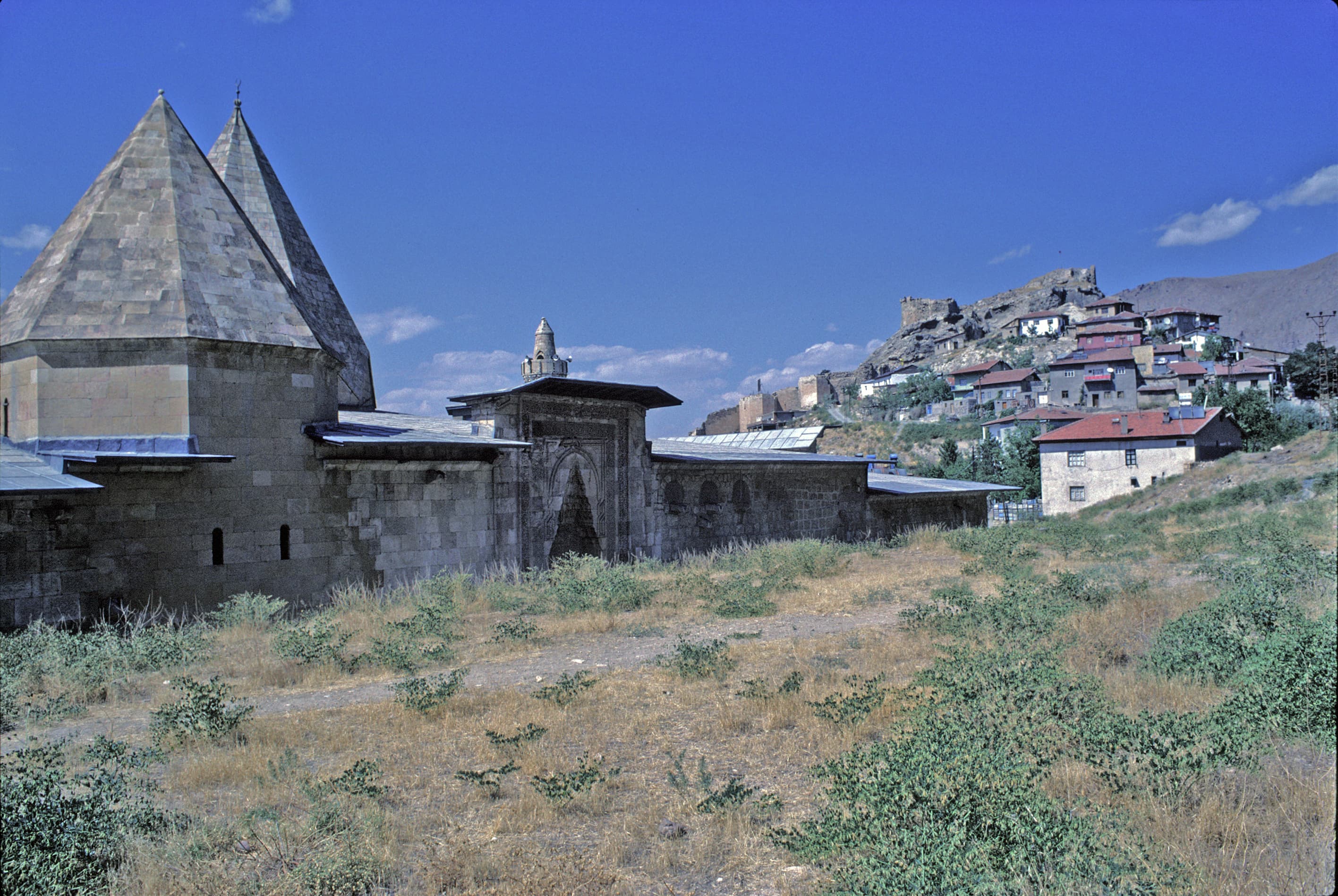
Divrigi Great Mosque and Hospital
A stone-carved mosque and adjoining hospital whose portals and vaults make sacred architecture feel almost sculpted from the mountain itself.
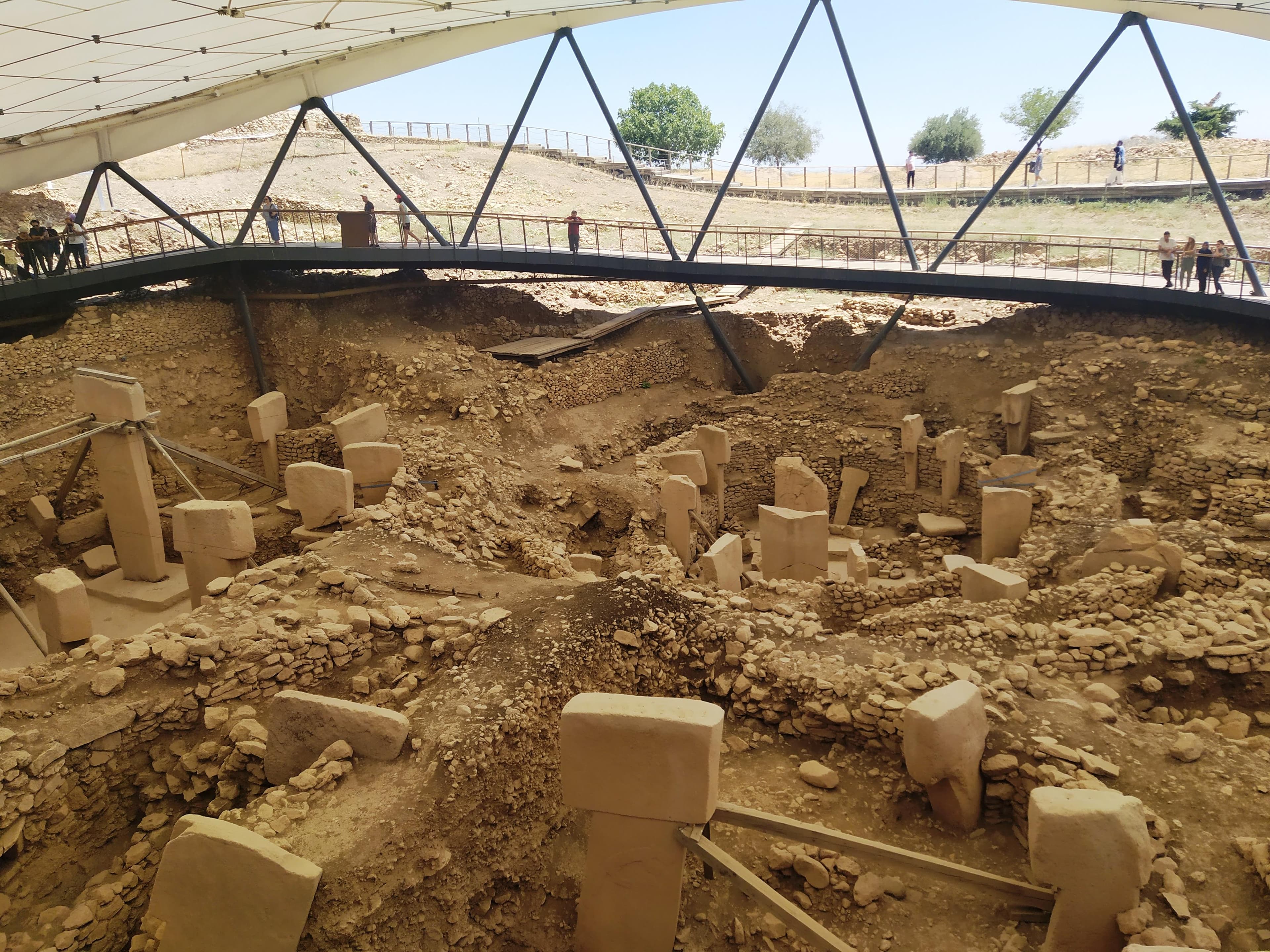
Göbekli Tepe
A Neolithic ritual site where carved pillars and circular enclosures still point toward communal sacred use without inviting wild certainty about belief.
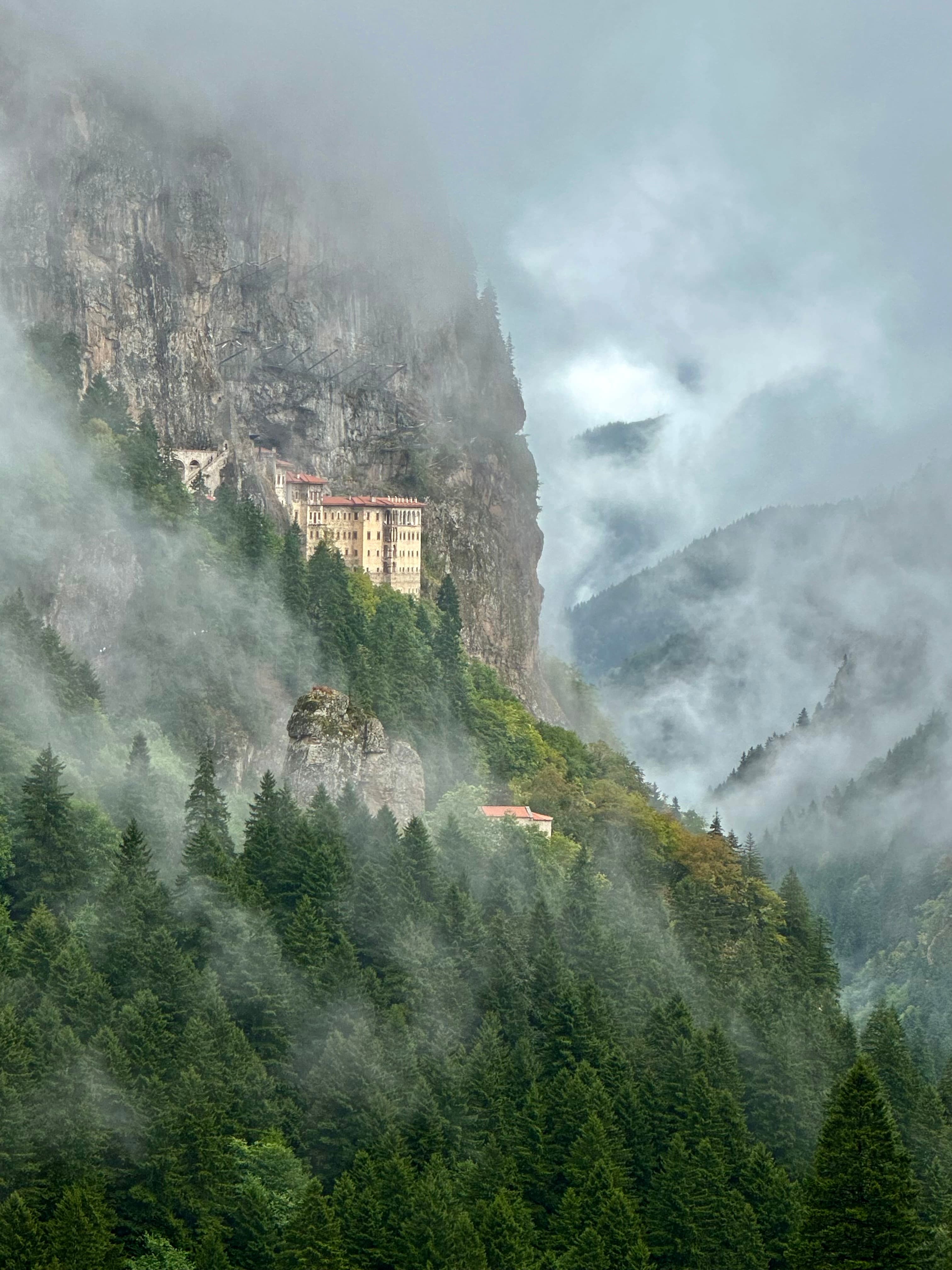
Sümela Monastery
A cliffside Virgin Mary monastery where cave church, chapels, holy spring, and long monastic memory still shape the place even under museum stewardship.
Planning signals
Seasonality, access, and site-type patterns
These quick signals make the regional planning shape explicit without forcing a full itinerary yet.
Best by constraint
Use the region through practical constraints, not just one flat place list
These shortcuts are the first pass at long-tail planning questions like mythology, archaeology, season, car-light access, and first-time fit.
FAQ
Questions this regional hub should answer quickly
Keep exploring
Continue through the strongest relationships inside this region
Links
Reference links and sources
Direct reference links for this entry, with supporting source material below.
- UNESCO entryAuthority source for an Ottoman mosque complex that joins worship, education, and civic functions.
- Wikipedia entryWikipedia article for West Asia.
- West Asia (Q27293)Entity anchor for West Asia as a regional frame spanning part of this sacred-site cluster.
- Central Asia (Q27275)Entity anchor for Central Asia as the eastern part of this sacred-site cluster.
- Selimiye Mosque and its Social Complex (Property 1366)Authority source for an Ottoman mosque complex that joins worship, education, and civic functions.
- Great Mosque and Hospital of Divrigi (Property 358)Authority source for Divrigi's stone-carved mosque and adjoining hospital.
- Masjed-e Jame of Isfahan (Property 1397)Authority source for the Friday mosque of Isfahan as a major reference point for later Islamic mosque design.
- Sheikh Safi al-din Khanegah and Shrine Ensemble in Ardabil (Property 1345)Authority source for Ardabil as a Sufi shrine ensemble and continuing pilgrimage center.
- Mausoleum of Khoja Ahmed Yasawi (Property 1103)Authority source for the Timurid mausoleum of the Sufi master Khoja Ahmed Yasawi.
- Armenian Monastic Ensembles of Iran (Property 1262)Authority source for the Armenian Christian monastic ensembles of Saint Thaddeus, Saint Stepanos, and Dzordzor in north-western Iran.
- West AsiaWikipedia article for West Asia.