Historical sanctuary

Göbekli Tepe

Sanliurfa Province, Turkey · Prehistoric religion · Prehistoric ritual complex

Göbekli Tepe matters here as a carefully framed historical sacred site because UNESCO and the official Turkish Museums page both preserve ritual use and communal gathering at the center of the site's meaning.
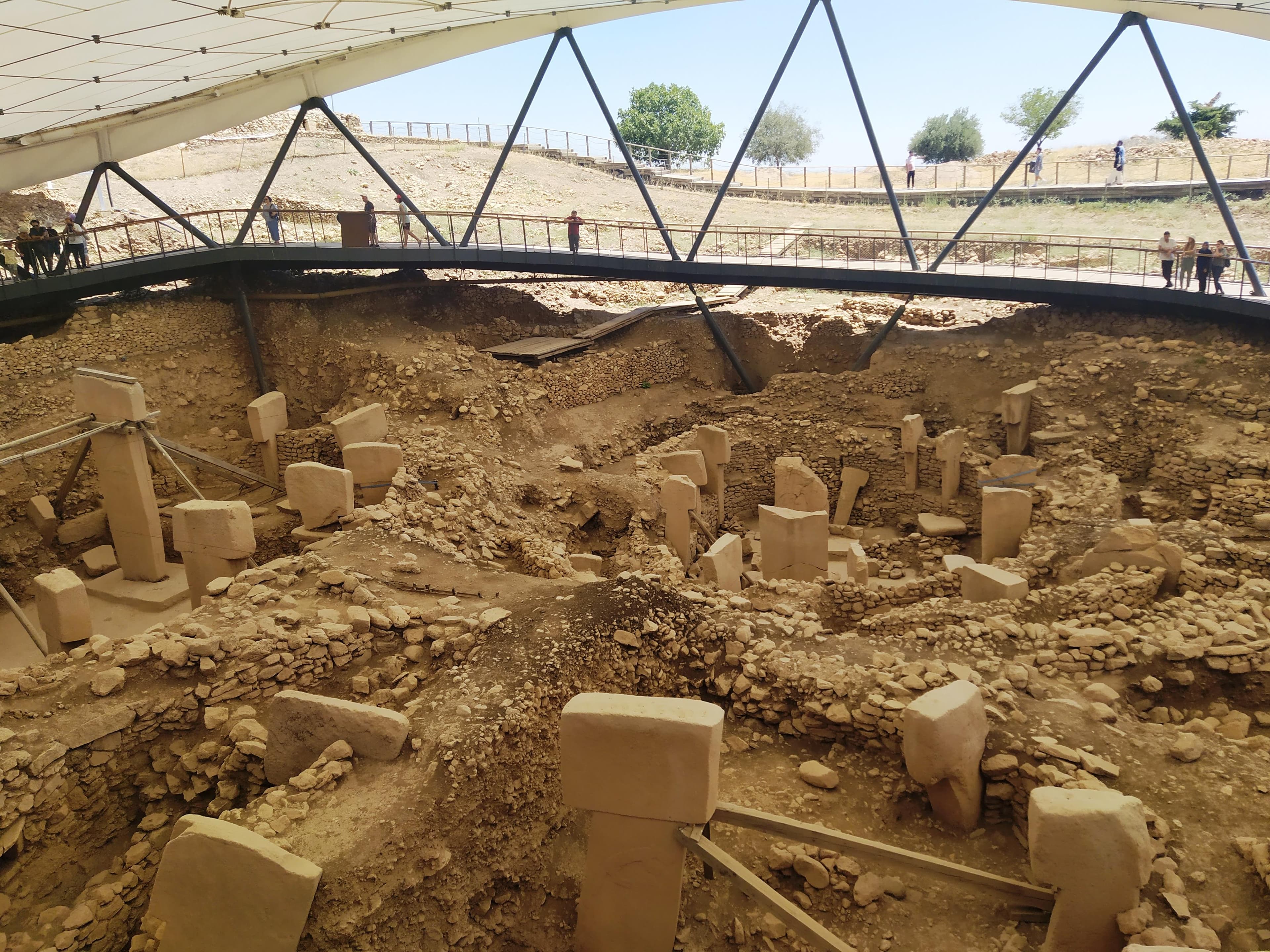
Excavated ritual enclosures at Göbekli Tepe in Şanlıurfa Province, Turkey.
Photo by Radosław BotevSourceCC BY 3.0 PL
GeographyAsia · Turkey · West and Central Asia
TraditionPrehistoric religion
EvidenceHistorical sacred site
SeasonSpring and autumn
AccessManaged archaeological-site access

Visitor essentials

LocationSanliurfa Province, Turkey
Best seasonSpring and autumn
AccessManaged archaeological-site access
OrientationA Neolithic hill sanctuary where massive T-pillars, communal enclosures, and official ritual interpretation make sacred intent central rather than speculative decoration.
Official informationCurrent visitor information
Route valueBest used inside West and Central Asia rather than as a disconnected stop.

What stands out

The official Turkish Museums page is useful because it translates that significance into a present visitor framework without dropping the gathering-center interpretation, while Wikidata simply anchors the entity itself.

Scope note

Keep in view

Keep the page measured: ritual importance is strongly source-backed, but exact belief and cosmology are not fully recoverable.

At a glance

Before you visit

A Neolithic hill sanctuary where massive T-pillars, communal enclosures, and official ritual interpretation make sacred intent central rather than speculative decoration

What it isGöbekli Tepe matters here as a carefully framed historical sacred site because UNESCO and the official Turkish Museums page both preserve ritual use and communal gathering at the center of the site's meaning.
Why it mattersUNESCO says the monumental structures at Göbekli Tepe were probably used in connection with social events and rituals, and that the carved pillars offer insight into the beliefs of the communities living in Upper Mesopotamia about 11,500 years ago.
ContextUNESCO is the strongest source here because it keeps ritual use, symbolic carving, and the communities' beliefs in one careful official synthesis.
Visiting todayCheck current seasonal hours before visiting, because the site operates with managed archaeological access and shifting box-office times.
Best time to goBest season is Spring and autumn.
How it fits a routeUse West and Central Asia as the main regional frame for this stop rather than treating it as a standalone destination cut off from the surrounding sacred geography.

Why it matters

UNESCO says the monumental structures at Göbekli Tepe were probably used in connection with social events and rituals, and that the carved pillars offer insight into the beliefs of the communities living in Upper Mesopotamia about 11,500 years ago.

That matters here because the sacred reading is not just later romantic projection: UNESCO preserves ritual interpretation inside the site's official world-heritage description.

The official Turkish Museums page strengthens that framing by presenting Göbekli Tepe as a regional gathering center whose monumental structures and symbolism reveal social and moral development beyond mere subsistence survival.

Respect notes

Do not overclaim exact doctrine or myth. The official sources support ritual and belief language, but not a fully knowable prehistoric theology.
Treat the site as a designed ritual complex rather than as only the world's oldest curiosity, because the sacred force lies in the communal enclosures and carved pillars together.

Visiting notes

A slower visit matters because enclosure form, pillar imagery, and the elevated plateau setting explain the site's ritual atmosphere better than a quick photo stop.
Use the official current site information before planning, because the Turkish Museums page publishes seasonal hours, ticketing, and visitor facilities for the archaeological site.

Story and context

History and sacred context

UNESCO is the strongest source here because it keeps ritual use, symbolic carving, and the communities' beliefs in one careful official synthesis.

Sources

  • Official websiteOfficial sitePrimary visitor-facing site for current access and institutional context.
  • UNESCO entryUNESCO World Heritage CentrePrimary authority source for Göbekli Tepe as a monumental ritual site with carved pillars reflecting the beliefs of Upper Mesopotamian communities.
  • Wikipedia entryWikipediaWikipedia article for Göbekli Tepe.
  1. Göbekli Tepe (Property 1572)UNESCO World Heritage Centre · Heritage authorityPrimary authority source for Göbekli Tepe as a monumental ritual site with carved pillars reflecting the beliefs of Upper Mesopotamian communities.Accessed 2026-04-24
  2. Şanlıurfa GöbeklitepeOfficial Turkish Museums · Official siteOfficial site page describing Göbekli Tepe as a regional gathering center and providing current managed-access details.Accessed 2026-04-24
  3. Göbekli Tepe (Q214944)Wikidata · Entity referenceEntity anchor for the Neolithic archaeological site of Göbekli Tepe in Türkiye.Accessed 2026-04-24
  4. Göbekli TepeWikipedia · Entity referenceWikipedia article for Göbekli Tepe.Accessed 2026-04-25

Keep exploring

Explore more