Living sacred site
Dambulla Cave Temple
Dambulla is one of the strongest living Buddhist cave-shrine sites in South Asia, and its sacred force comes from the continuity of ritual use as much as from its preservation.

Visitor essentials
What stands out
Scope note
Keep in view
The caves should be read as an active ritual sequence, not just as a collection of preserved interiors.
At a glance
Before you visit
A living Buddhist cave-shrine complex where ritual movement is shaped by painting, sculpture, and the interior sequence of the caves
Why it matters
UNESCO describes the Rangiri Dambulla Cave Temple as a living Buddhist site focused on five cave shrines, with continuous monastic and ritual use stretching back more than two millennia.
That continuity matters because Dambulla is not only historically significant; it remains a shrine complex whose spatial sequence still guides devotees from one ritual setting to the next.
Respect notes
Visiting notes
Story and context
History and sacred context
Sources
- Official websitePrimary visitor-facing site for current access and institutional context.
- UNESCO entryPrimary authority source for Dambulla's living ritual significance and cave-shrine structure.
- Wikipedia entryWikipedia article for Dambulla cave temple.
- Dambulla cave temple (Q45690)Entity anchor for the Dambulla cave temple as a Buddhist world-heritage site.
- Rangiri Dambulla Cave Temple (Property 561)Primary authority source for Dambulla's living ritual significance and cave-shrine structure.
- Dambulla Cave TempleOfficial heritage-management page for the living Dambulla cave-temple complex, maintained by the Sri Lankan government body responsible for cultural heritage sites.
- Category:Dambulla cave templeVisual context for the cave interiors, murals, statues, and shrine sequence.
- Dambulla cave templeWikipedia article for Dambulla cave temple.
Nearby places
Nearby sacred places in South Asia
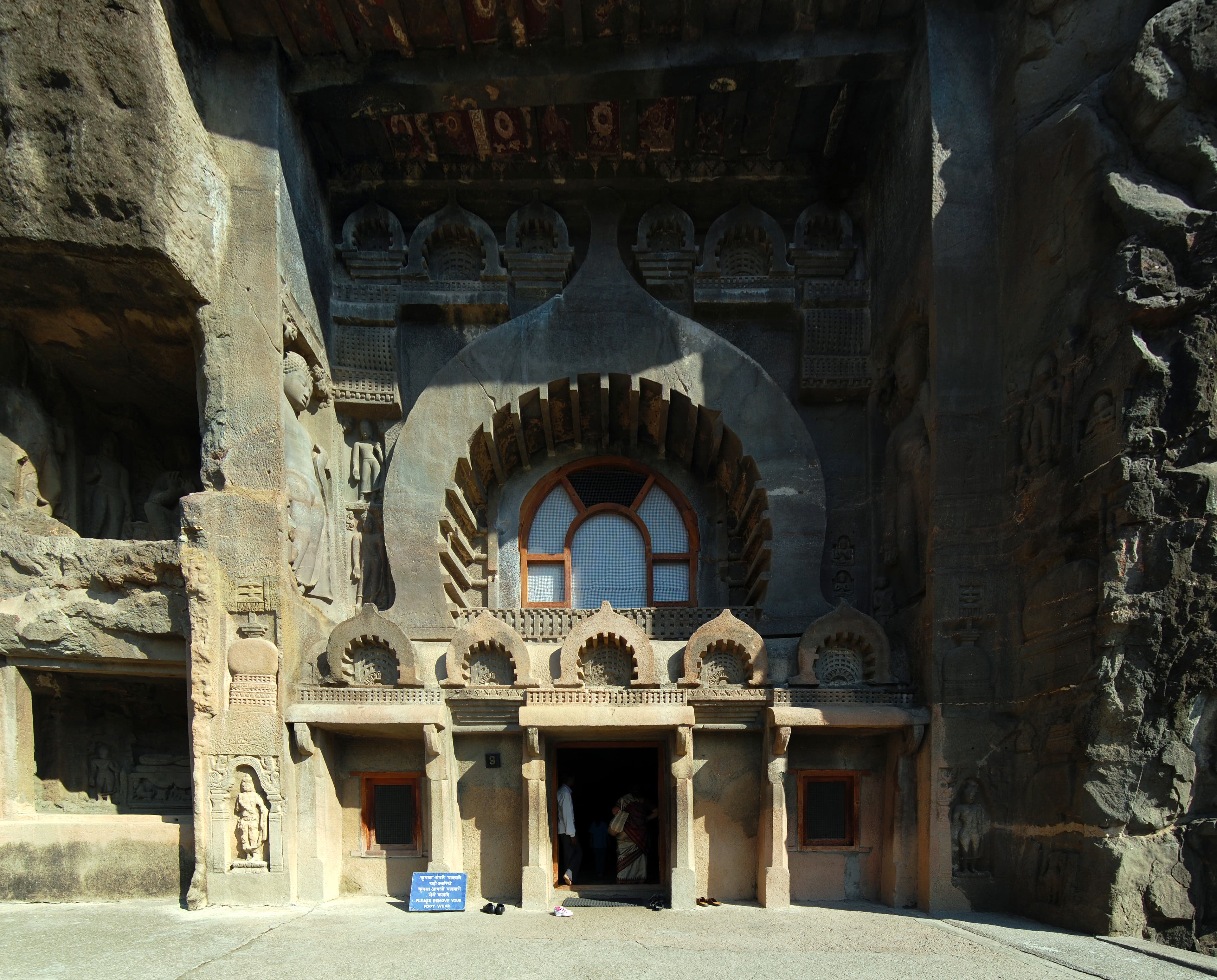
Ajanta Caves
A cliffside Buddhist cave complex where painting, monastic architecture, and river-valley setting all shape the encounter.
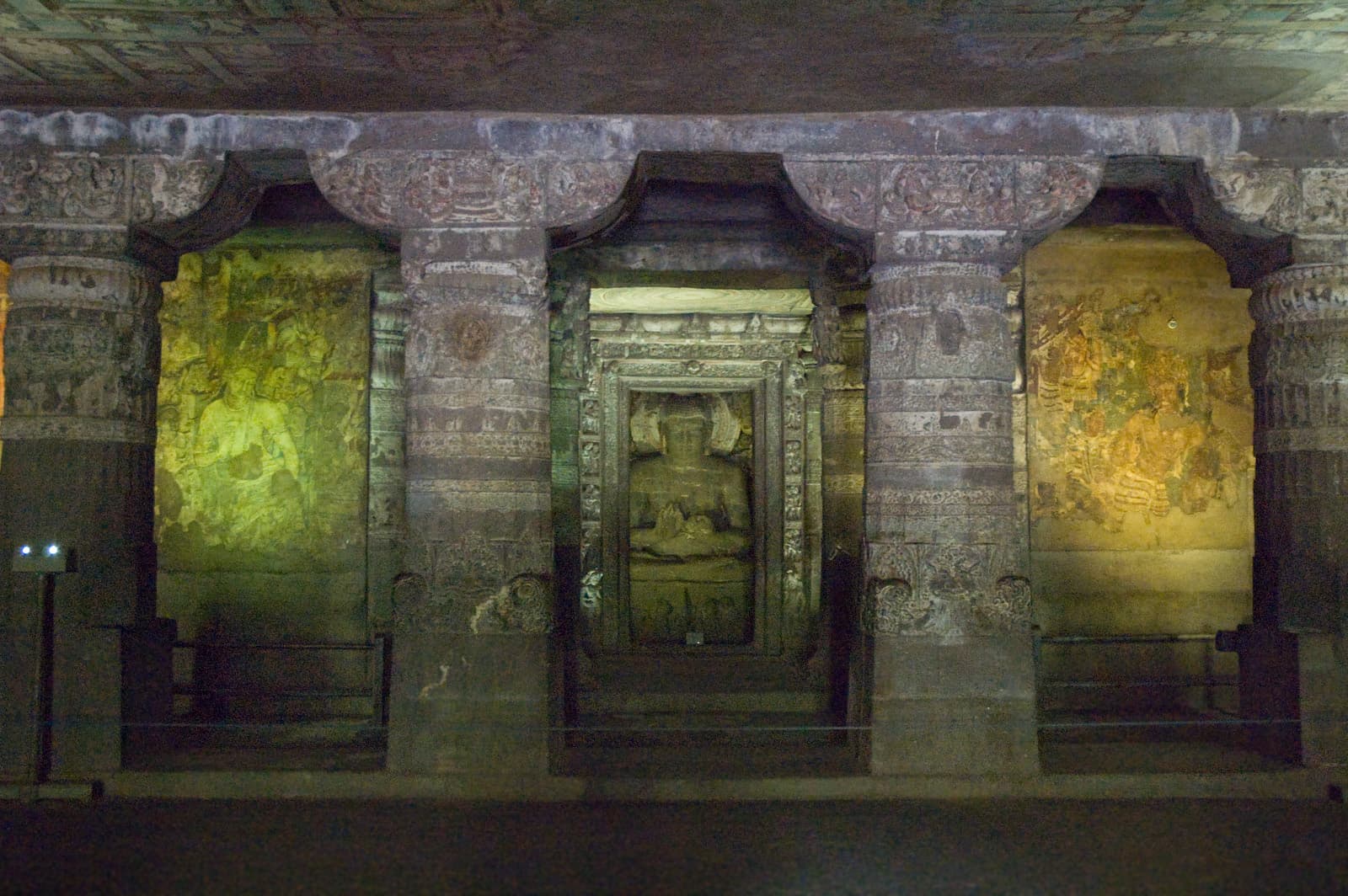
Cave 1, Ajanta
A monastery cave in the Ajanta cliff sanctuary where shrine hall, monastic space, and mural program still hold together as one concentrated Buddhist devotional environment.
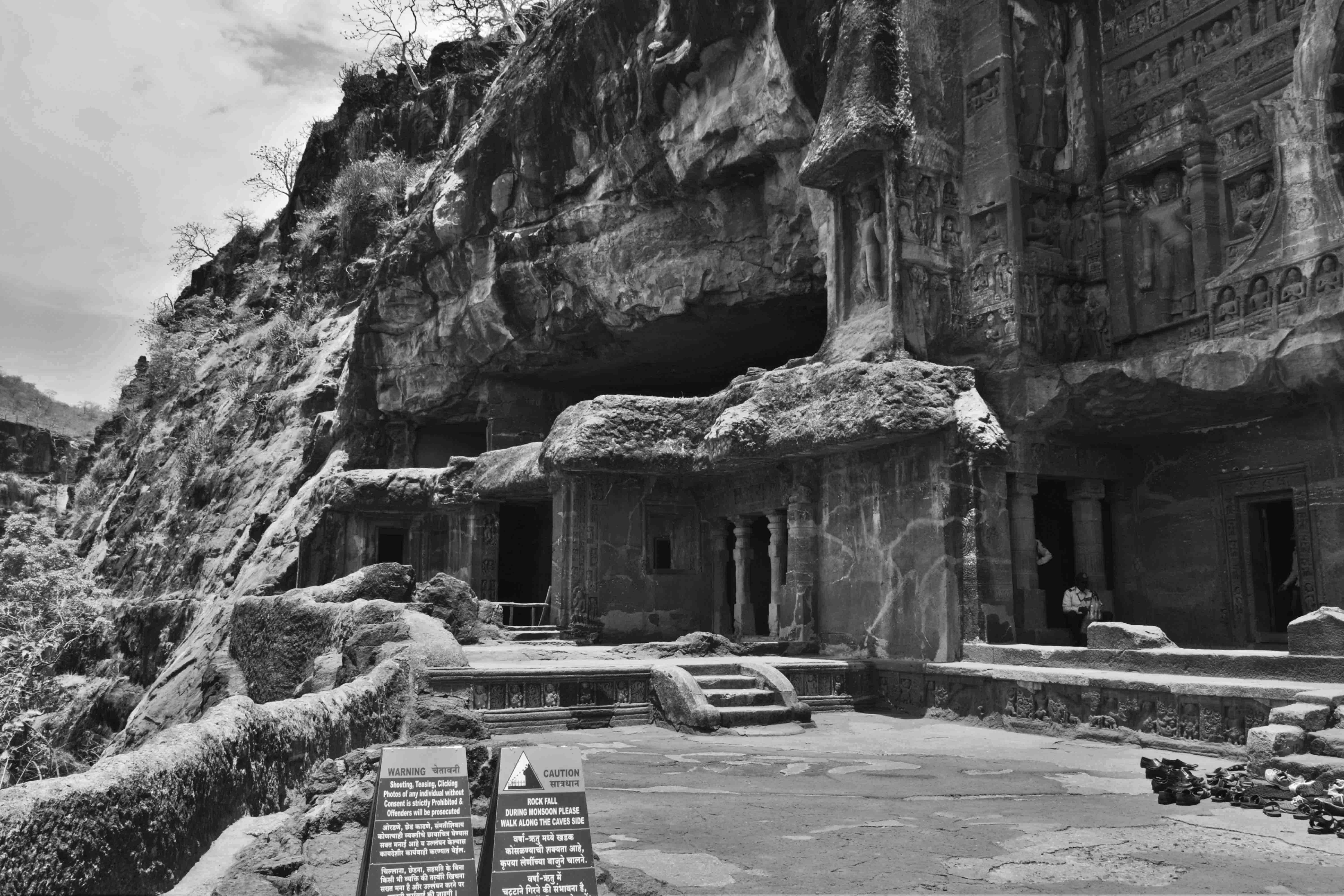
Cave 10, Ajanta
A chaitya hall in the Ajanta cliff sanctuary where the apsidal hall and stupa axis preserve one of Ajanta's clearest early Buddhist worship spaces.
.jpg&w=3840&q=75)
Cave 11, Ajanta
A monastery cave in the Ajanta cliff sanctuary where shrine room, cells, and interior proportions keep the cave legible as a lived religious space rather than a minor recess between larger monuments.
Regional journeys
Journeys in South Asia
Ajanta Painted Vihara Circuit
A cliffside Buddhist route that reads Ajanta through its major painted monastery caves rather than treating the site as one viewpoint plus a few famous murals.
Ajanta Chaitya Hall Route
An Ajanta route that reads the cliff sanctuary through its chaitya halls rather than only through painted monastery caves.
Keep exploring