Journey
Ajanta Chaitya Hall Route
An Ajanta route that reads the cliff sanctuary through its chaitya halls rather than only through painted monastery caves.
Why take this route
A journey that already carries its own rhythm.
Ajanta is not only a painted monastery complex. UNESCO and ASI both keep the site legible as a Buddhist cliff sanctuary of both viharas and chaityagrihas, and the selected caves make that chaitya-hall layer visible as a real sacred sequence from early congregational worship space to later, more sculpturally elaborate ceremonial halls.
A strong change in sacred register matters here. Cave 9 preserves the earlier austere chaitya form, Cave 19 intensifies facade sculpture and nave drama, and Cave 26 carries the sequence into one of Ajanta's fullest later chaitya experiences, where stupa hall, reliefs, and parinirvana imagery all gather along a single ceremonial axis.
Route logic
Turn the route into a planning spine
These signals make the trip shape explicit before you dive into the individual stops.
Stops
The route sequence
Each stop is designed to deepen the next.
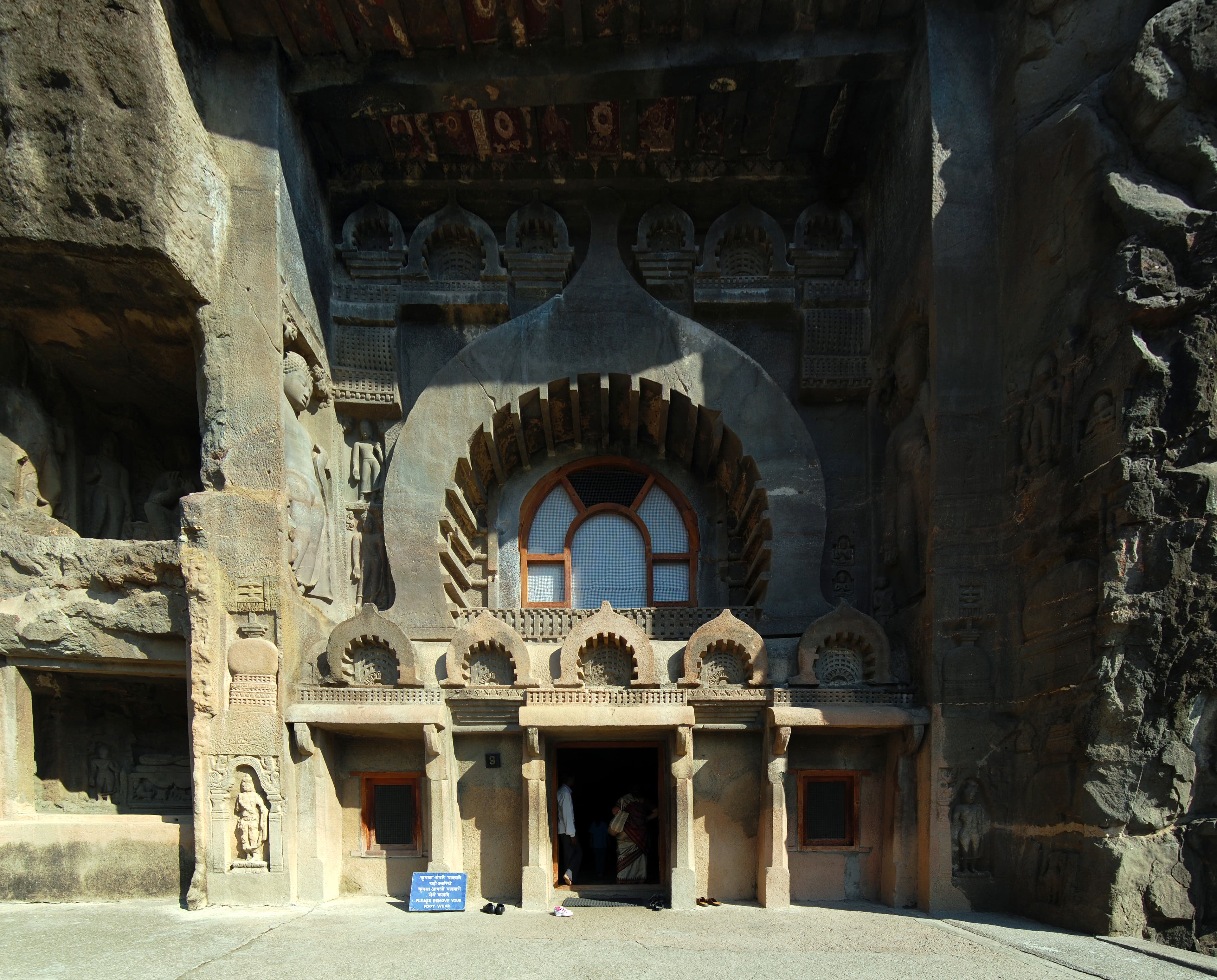
Ajanta Caves
A cliffside Buddhist cave complex where painting, monastic architecture, and river-valley setting all shape the encounter.
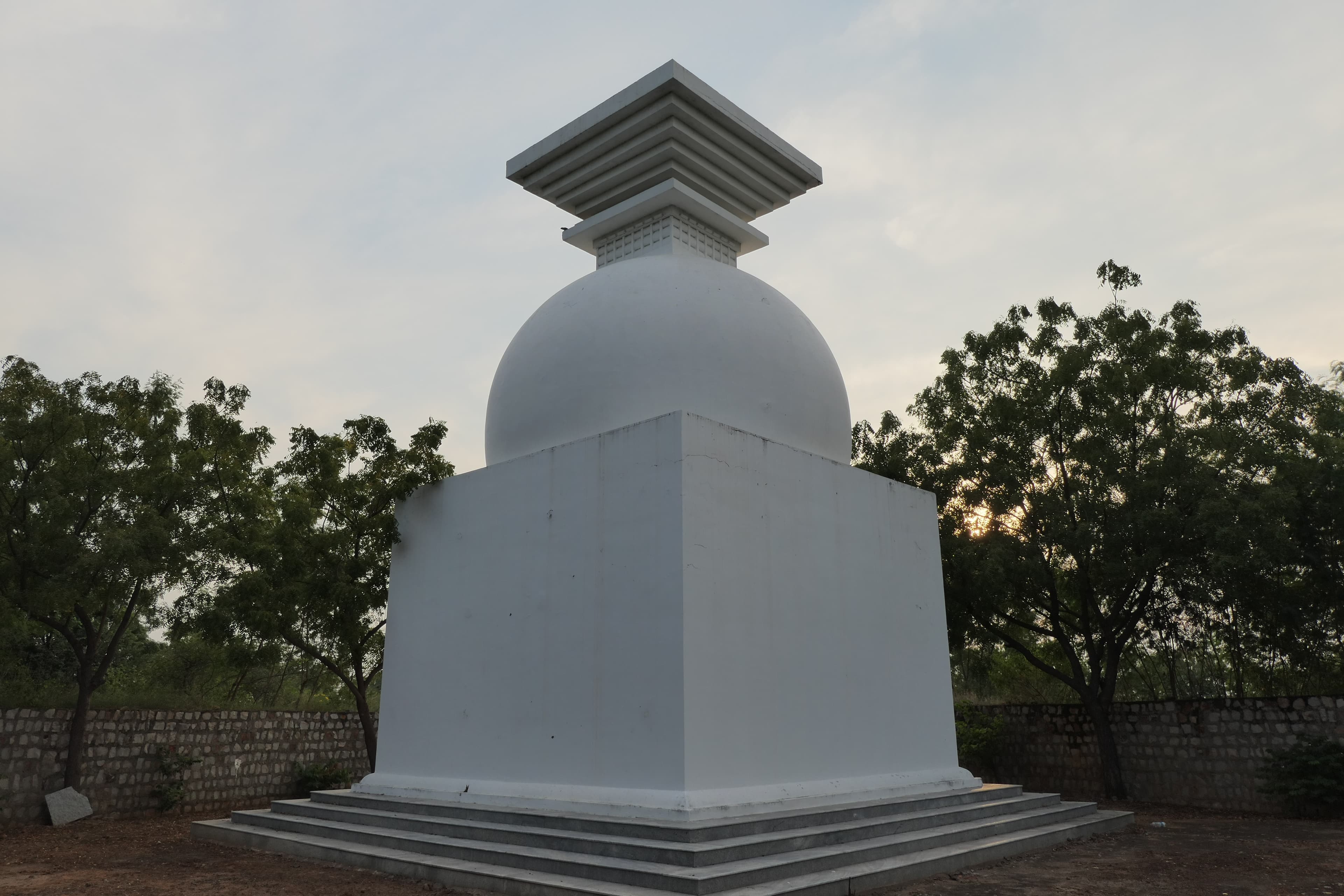
Cave 9, Ajanta
A chaitya hall in the Ajanta cliff sanctuary where the nave, stupa focus, and rock-cut facade still preserve an early Buddhist congregational sacred form.
.jpg&w=3840&q=75)
Cave 19, Ajanta
A chaitya hall in the Ajanta cliff sanctuary where facade sculpture, interior nave, and stupa-centered worship form still read together as one ceremonial Buddhist space.
.jpg&w=3840&q=75)
Cave 26, Ajanta
A chaitya hall in the Ajanta cliff sanctuary where the stupa hall, relief carvings, and parinirvana imagery together make one of Ajanta's strongest culminating sacred spaces.
Practical notes
What this trip asks of the traveler
Links
Reference links and sources
Direct reference links for this entry, with supporting source material below.
- UNESCO entryPrimary authority source for Ajanta as a Buddhist rock-cut sanctuary of chaityagrihas and viharas.
- Wikipedia entryWikipedia article for Ajanta Caves.
- Ajanta Caves (Property 242)Primary authority source for Ajanta as a Buddhist rock-cut sanctuary of chaityagrihas and viharas.
- Ajanta CavesOfficial ASI World Heritage page naming the Ajanta chaityagrihas and presenting the complex as one protected Buddhist sanctuary.
- Ajanta Caves (Q184427)Entity anchor for the Ajanta Caves as a Buddhist rock-cut complex in Maharashtra.
- Category:Cave 9, AjantaVisual context for Cave 9 as one of the early chaitya halls at Ajanta.
- Category:Cave 19, AjantaVisual context for Cave 19, especially its facade sculpture and chaitya interior.
- Category:Cave 26, AjantaVisual context for Cave 26, including the chaitya hall, sculptural reliefs, and reclining Buddha imagery.
- Ajanta CavesWikipedia article for Ajanta Caves.
Keep exploring