Historical sanctuary
Cave 9, Ajanta
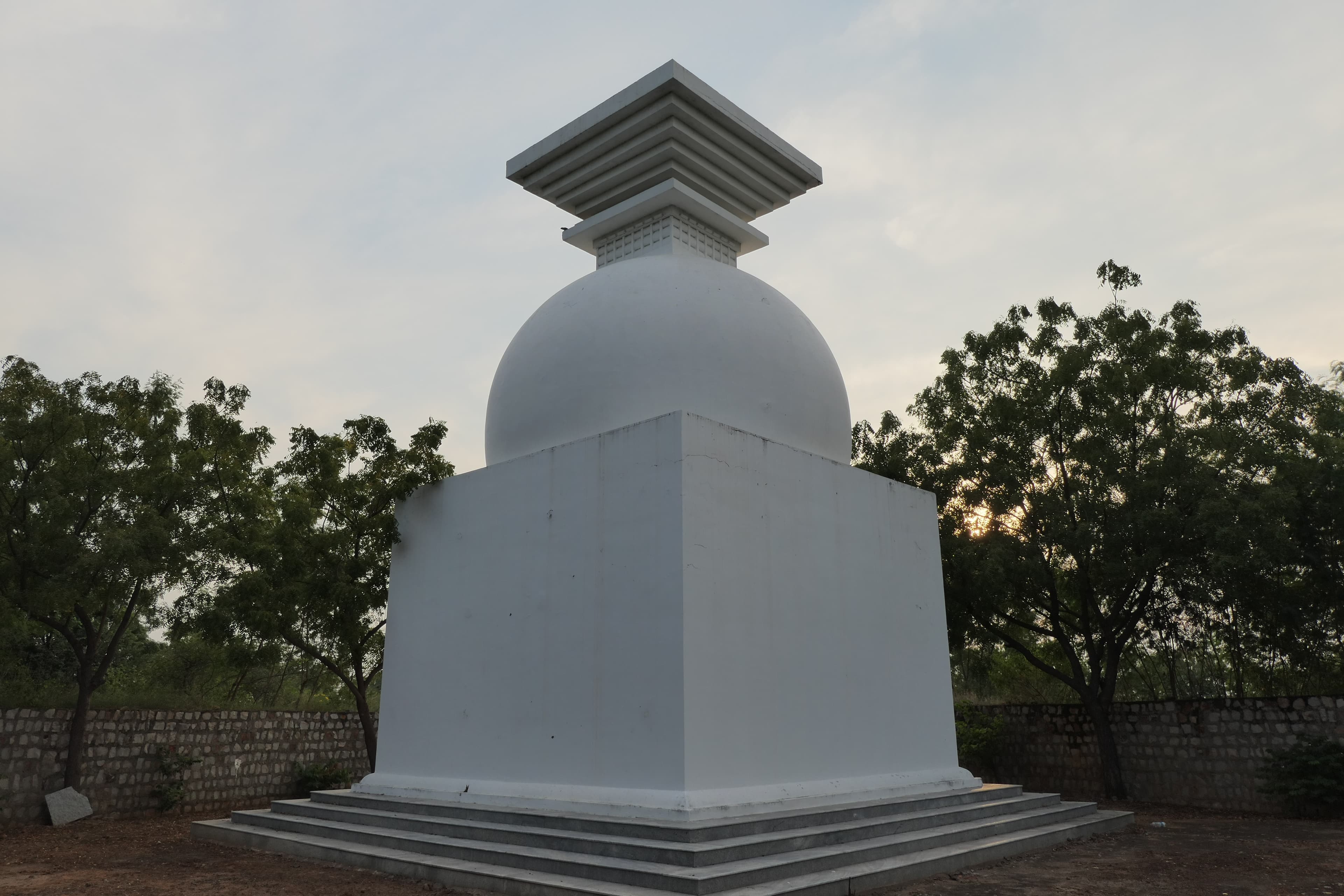
Cave 9, Ajanta is one of the early chaityagriha halls at Ajanta from the earlier phase of excavation, and it is distinguished by the way the nave, stupa focus, and rock-cut facade still preserve an early Buddhist congregational sacred form.
Visitor essentials
What stands out
Scope note
Keep in view
Keep Cave 9, Ajanta visible as one of the early chaityagriha halls at Ajanta from the earlier phase of excavation rather than reducing it to only an older cave overshadowed by the later painted halls.
At a glance
Before you visit
A chaitya hall in the Ajanta cliff sanctuary where the nave, stupa focus, and rock-cut facade still preserve an early Buddhist congregational sacred form
Why it matters
UNESCO frames Ajanta Caves as a Buddhist cliff sanctuary of chaitya halls and monastic caves cut into the Waghora valley escarpment, and the supporting site sources keep Cave 9, Ajanta legible as a chaitya hall within the Ajanta cliff sanctuary.
That matters because Cave 9, Ajanta is strongest as one of the early chaityagriha halls at Ajanta from the earlier phase of excavation rather than only an older cave overshadowed by the later painted halls.
Respect notes
Visiting notes
Story and context
History and sacred context
Sources
- Official websitePrimary visitor-facing site for current access and institutional context.
- UNESCO entryPrimary authority source for Ajanta as a Buddhist rock-cut sanctuary of chaityagrihas and viharas with major mural and sculptural programs.
- Wikipedia entryWikipedia article for Ajanta Caves.
- Ajanta Caves (Property 242)Primary authority source for Ajanta as a Buddhist rock-cut sanctuary of chaityagrihas and viharas with major mural and sculptural programs.
- Ajanta Caves (Q184427)Entity anchor for the Ajanta Caves as a Buddhist rock-cut complex in Maharashtra.
- Category:Cave 9, AjantaVisual context for Cave 9 as one of the early chaitya halls at Ajanta.
- Ajanta CavesOfficial ASI World Heritage page for Ajanta that directly names Cave 9 among the complex's chaityagrihas.
- Ajanta CavesWikipedia article for Ajanta Caves.
Nearby places
Nearby sacred places in South Asia
.jpg&w=3840&q=75)
Cave 19, Ajanta
A chaitya hall in the Ajanta cliff sanctuary where facade sculpture, interior nave, and stupa-centered worship form still read together as one ceremonial Buddhist space.
.jpg&w=3840&q=75)
Cave 26, Ajanta
A chaitya hall in the Ajanta cliff sanctuary where the stupa hall, relief carvings, and parinirvana imagery together make one of Ajanta's strongest culminating sacred spaces.
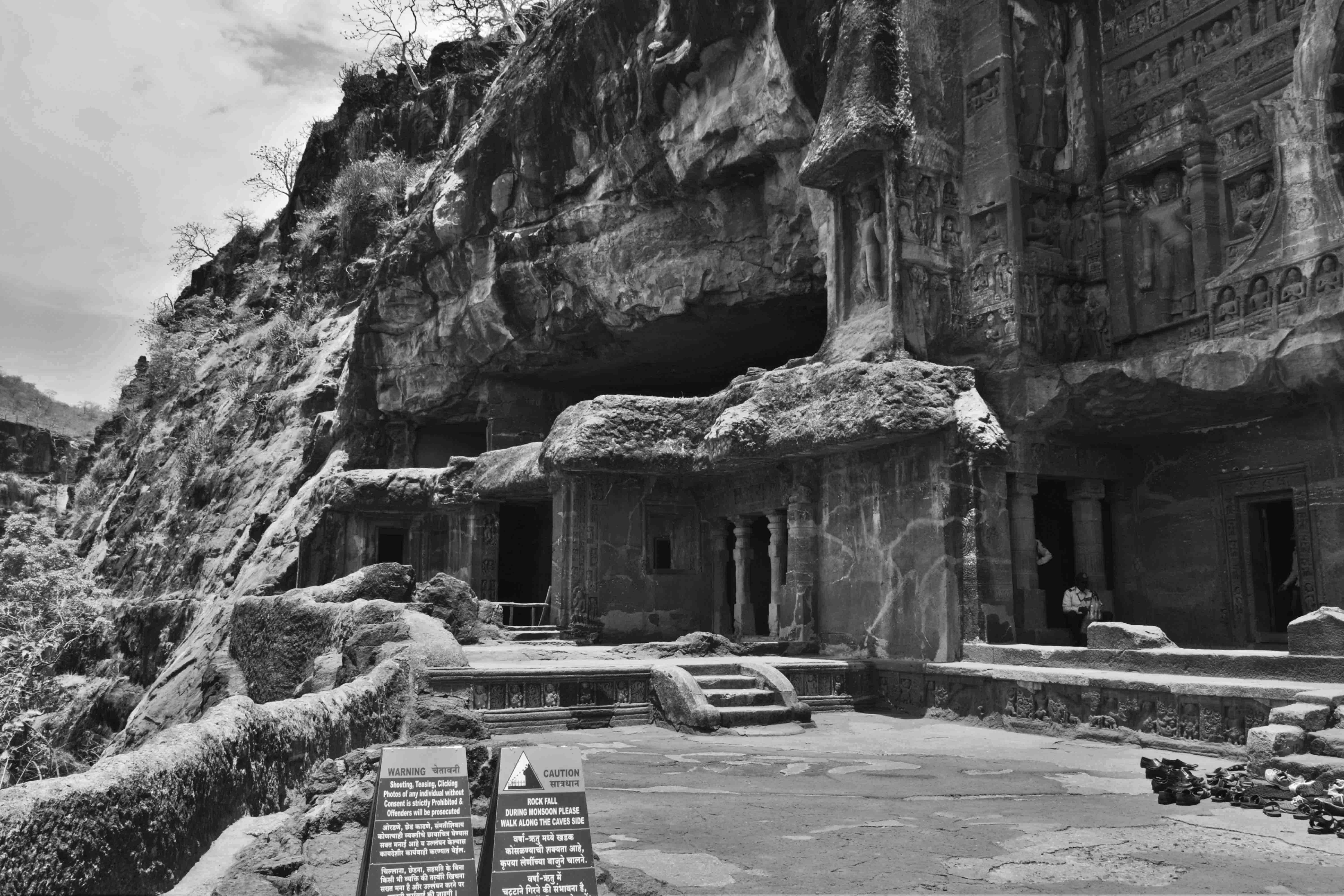
Cave 10, Ajanta
A chaitya hall in the Ajanta cliff sanctuary where the apsidal hall and stupa axis preserve one of Ajanta's clearest early Buddhist worship spaces.
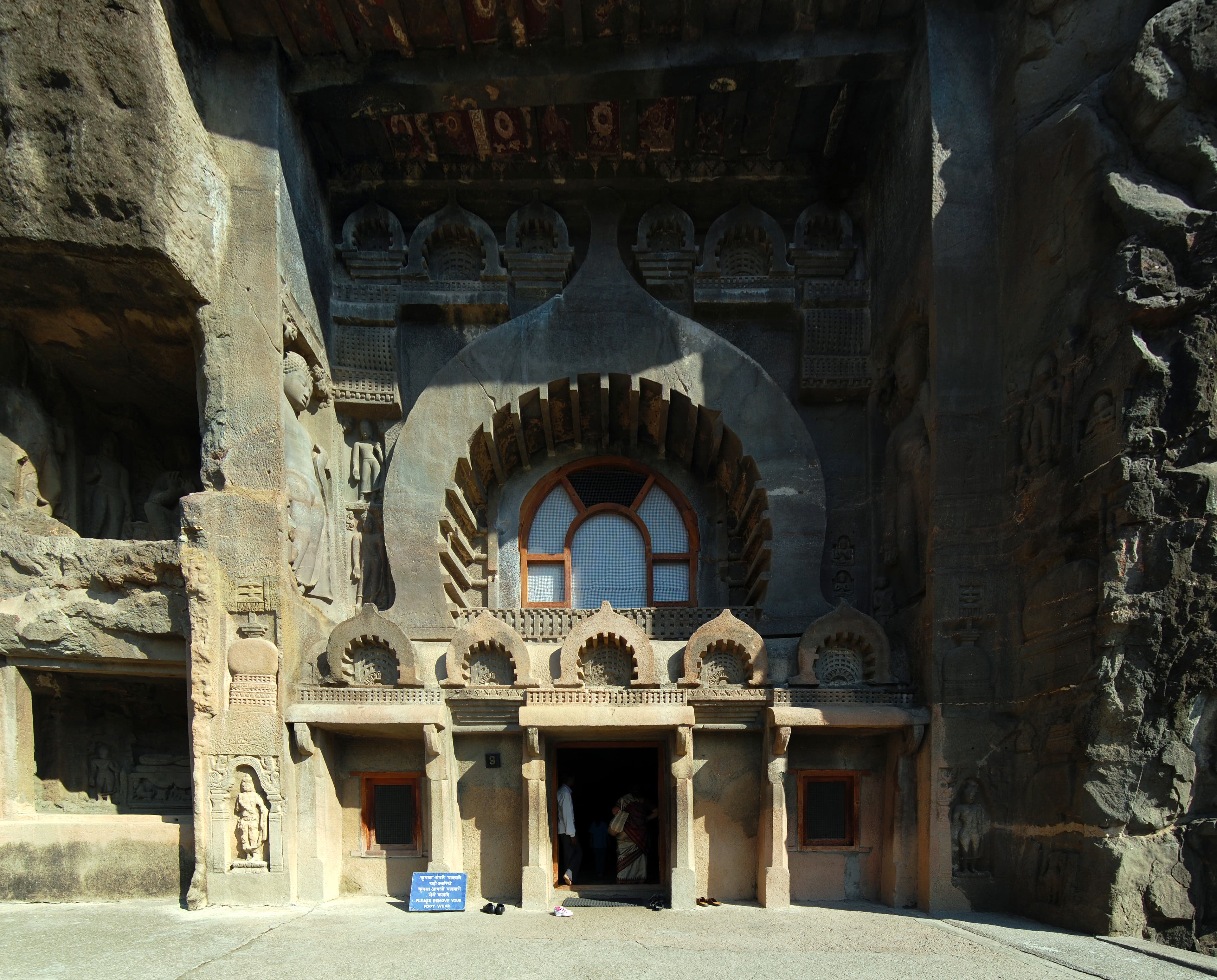
Ajanta Caves
A cliffside Buddhist cave complex where painting, monastic architecture, and river-valley setting all shape the encounter.
On the same route
Places on the same route
Ajanta Caves
A cliffside Buddhist cave complex where painting, monastic architecture, and river-valley setting all shape the encounter.
Cave 19, Ajanta
A chaitya hall in the Ajanta cliff sanctuary where facade sculpture, interior nave, and stupa-centered worship form still read together as one ceremonial Buddhist space.
Cave 26, Ajanta
A chaitya hall in the Ajanta cliff sanctuary where the stupa hall, relief carvings, and parinirvana imagery together make one of Ajanta's strongest culminating sacred spaces.
Related journeys
Related journeys
Keep exploring