Historical sanctuary
Churches of Moldavia
Churches of Moldavia gathers the painted Orthodox churches of northern Romania into one sacred landscape, where monastic memory, enclosure walls, and exterior fresco programs are meant to be read together rather than as isolated facades.

Visitor essentials
What stands out
Scope note
Keep in view
Treat Moldavia as a painted Orthodox monastery world, not just as a checklist of colorful exterior walls.
At a glance
Before you visit
A painted church ensemble in northern Romania where monasteries, former monastery churches, and exterior mural cycles still hold together as one Orthodox devotional world
Why it matters
UNESCO frames Churches of Moldavia as a serial sacred landscape, and the component sources show that monasteries such as Voronet, Humor, and Sucevita still make sense as parts of one Orthodox painted-church tradition.
That matters because the property is strongest when read as a shared devotional and monastic landscape rather than as a route of detached mural surfaces.
Respect notes
Visiting notes
Story and context
History and sacred context
Sources
- Official websitePrimary visitor-facing site for current access and institutional context.
- UNESCO entryPrimary authority source for the painted Orthodox churches of Moldavia.
- Wikipedia entryWikipedia article for Churches of Moldavia.
- Churches of Moldavia (Property 598bis)Primary authority source for the painted Orthodox churches of Moldavia.
- Voronet Monastery (Q384463)Entity anchor for one of the defining monastery components in the Moldavia series.
- Sucevița Monastery (Q611070)Entity anchor for one of the major fortified monastery components in the Moldavia series.
- Humor Monastery (Q1048112)Entity anchor for one of the defining painted monastery components in the Moldavia series.
- Category:Voroneț monasteryVisual context for one of the best known painted monastery ensembles of Moldavia.
- Category:Sucevița monasteryVisual context for the fortified monastery, church, and mural surfaces at Sucevița.
- Churches of MoldaviaWikipedia article for Churches of Moldavia.
- UNESCO World Heritage List - Churches of MoldaviaRomania's national heritage institute page for the country's UNESCO properties, including Churches of Moldavia and its monitoring framework.
Nearby places
Nearby sacred places in Balkans
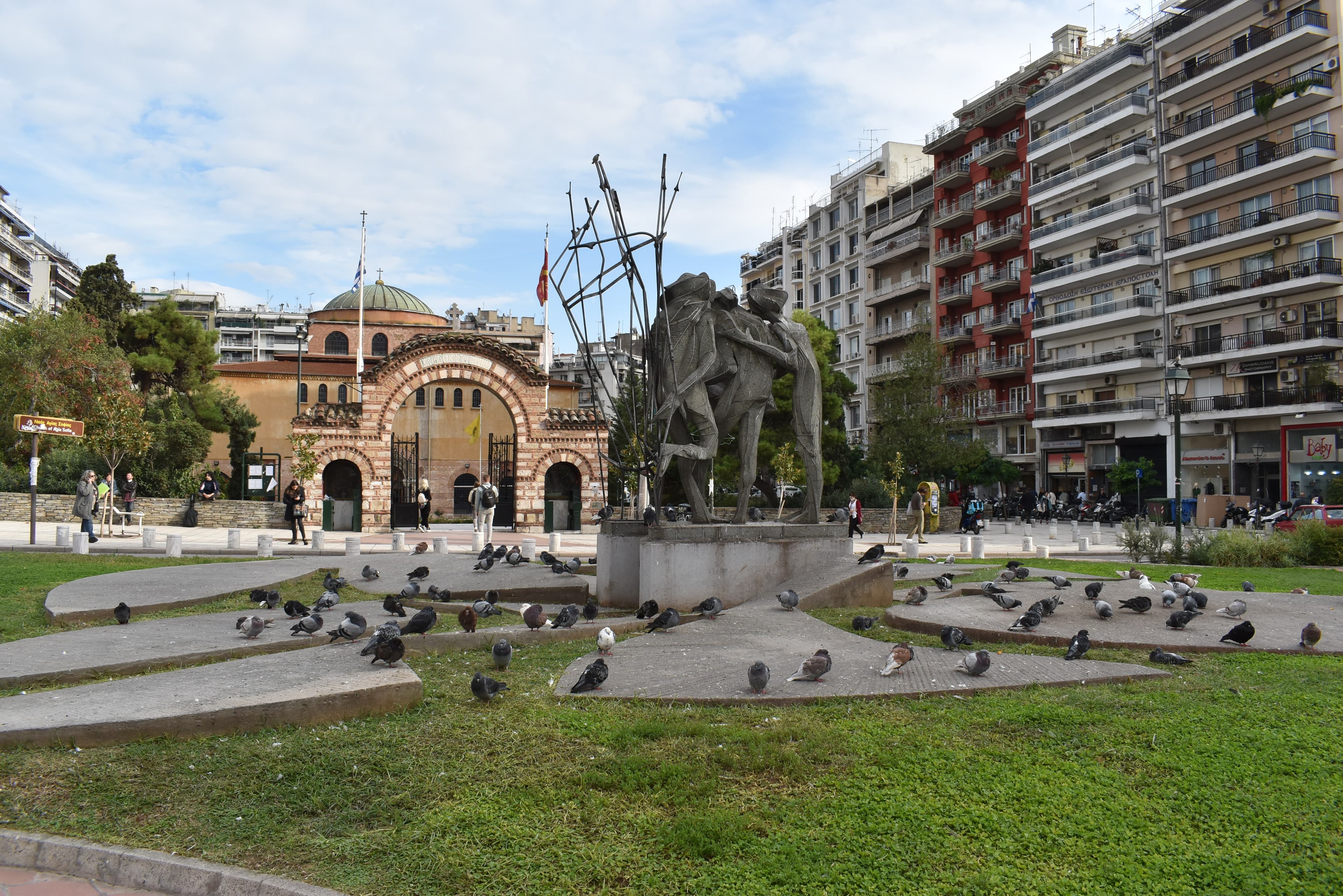
Paleochristian and Byzantine Monuments of Thessaloniki
A sacred urban landscape in Thessaloniki where basilicas, domed churches, and a surviving monastery still hold the city together as one Byzantine Christian world.
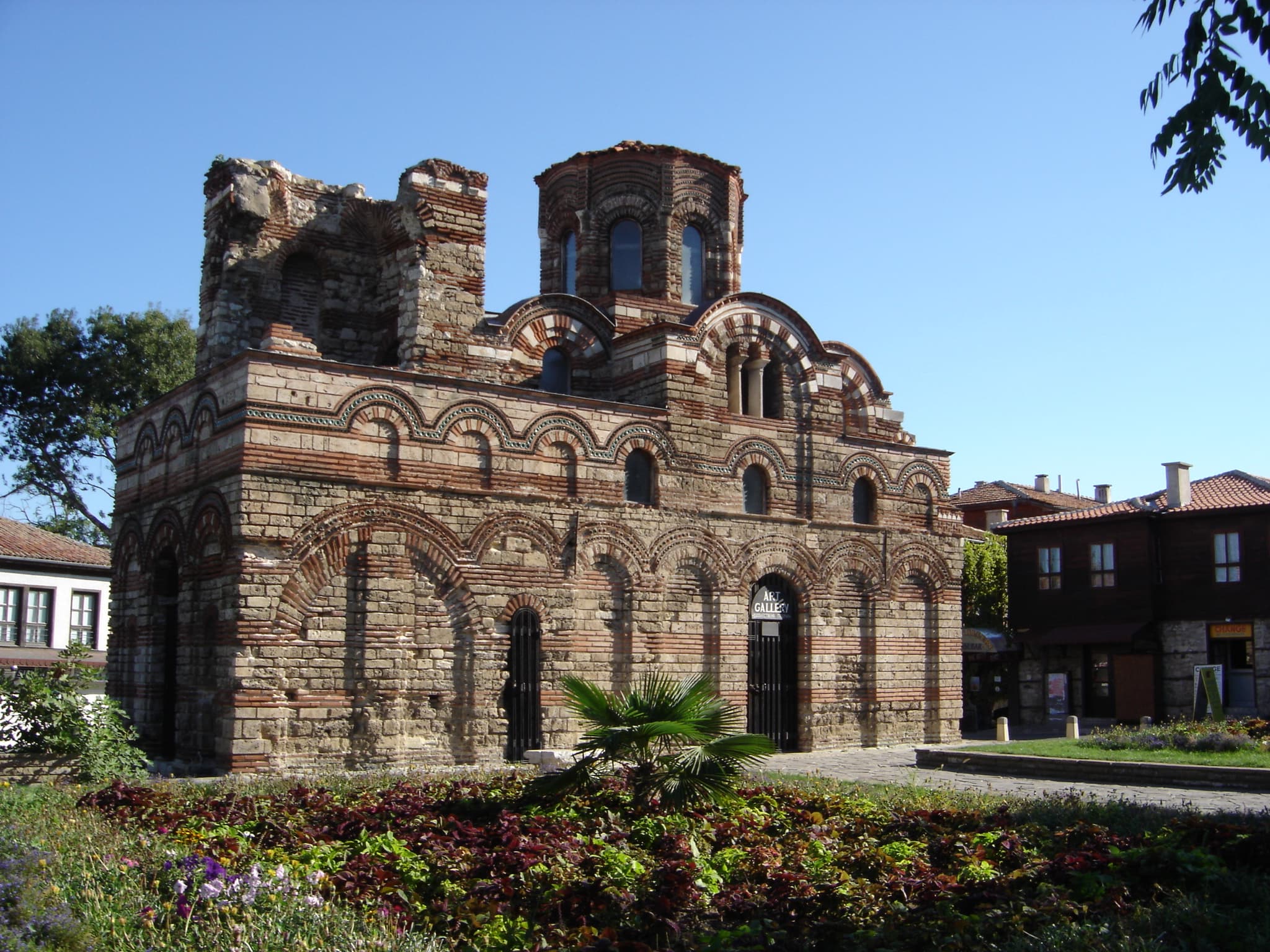
Ancient City of Nessebar
A sacred city in the Nessebar sacred ensemble where multiple church ruins and standing sanctuaries still read together as one long spiritual center rather than isolated monuments.

Church of Saint Paraskevi, Nesebar
A church ruins in the Nessebar sacred ensemble where its facade articulation and narrow plan keep the church distinct within the dense old-town sacred fabric.
.JPG&w=3840&q=75)
Church of Saint Sophia, Nesebar
A basilica ruins in the Nessebar sacred ensemble where basilica scale and open ruin form still make it the largest sacred marker in the old town.
Keep exploring