Historical sanctuary
Church of Saint Sophia, Nesebar
Church of Saint Sophia, Nesebar is the great ruined metropolitan basilica often called the Old Bishopric of Nessebar, and it is distinguished by the way basilica scale and open ruin form still make it the largest sacred marker in the old town.
.JPG&w=3840&q=75)
Visitor essentials
What stands out
Scope note
Keep in view
Keep Church of Saint Sophia, Nesebar visible as the great ruined metropolitan basilica often called the Old Bishopric of Nessebar rather than reducing it to only a romantic ruin used as an event backdrop.
At a glance
Before you visit
A basilica ruins in the Nessebar sacred ensemble where basilica scale and open ruin form still make it the largest sacred marker in the old town
Why it matters
Respect notes
Visiting notes
Story and context
History and sacred context
Sources
- Official websitePrimary visitor-facing site for current access and institutional context.
- UNESCO entryPrimary authority source for the World Heritage property and its distinctive concentration of medieval Christian monuments.
- Wikipedia entryWikipedia article for Hagia Sophia Church.
- Ancient City of Nessebar (Property 217)Primary authority source for the World Heritage property and its distinctive concentration of medieval Christian monuments.
- Church of Saint Sophia in Nesebar (Q3656775)Entity anchor for the basilica also known as Stara Mitropolia in Nessebar.
- Category:Church of Saint Sophia in NesebarVisual context for the ruined basilica and its central role in the old town.
- Hagia Sophia ChurchWikipedia article for Hagia Sophia Church.
- Nessebar World HeritageOfficial municipality heritage section for Old Nessebar, the World Heritage townscape whose conservation and religious programming include Saint Sophia and the rest of the medieval church ensemble.
Nearby places
Nearby sacred places in Balkans
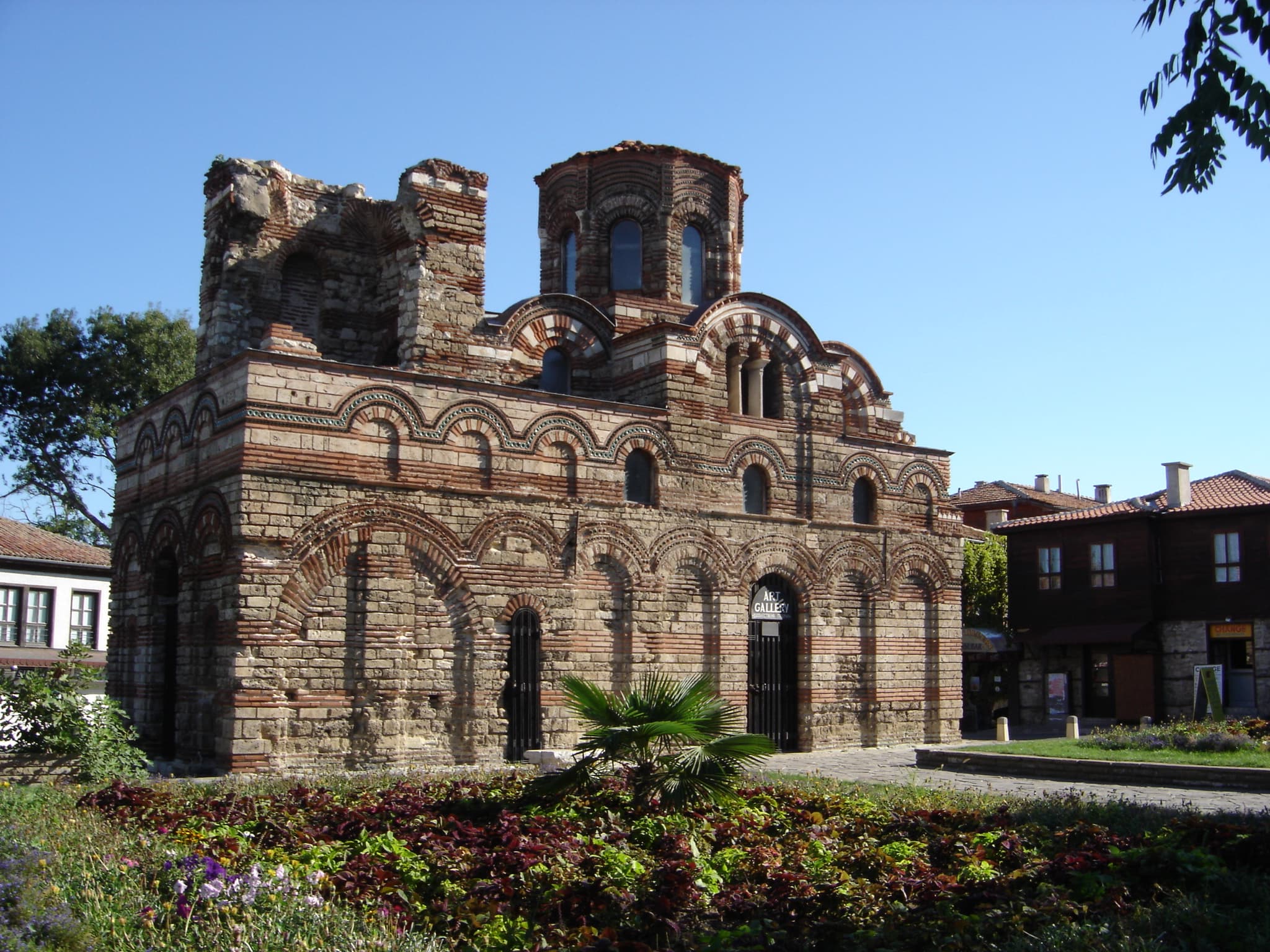
Ancient City of Nessebar
A sacred city in the Nessebar sacred ensemble where multiple church ruins and standing sanctuaries still read together as one long spiritual center rather than isolated monuments.

Church of Saint Paraskevi, Nesebar
A church ruins in the Nessebar sacred ensemble where its facade articulation and narrow plan keep the church distinct within the dense old-town sacred fabric.
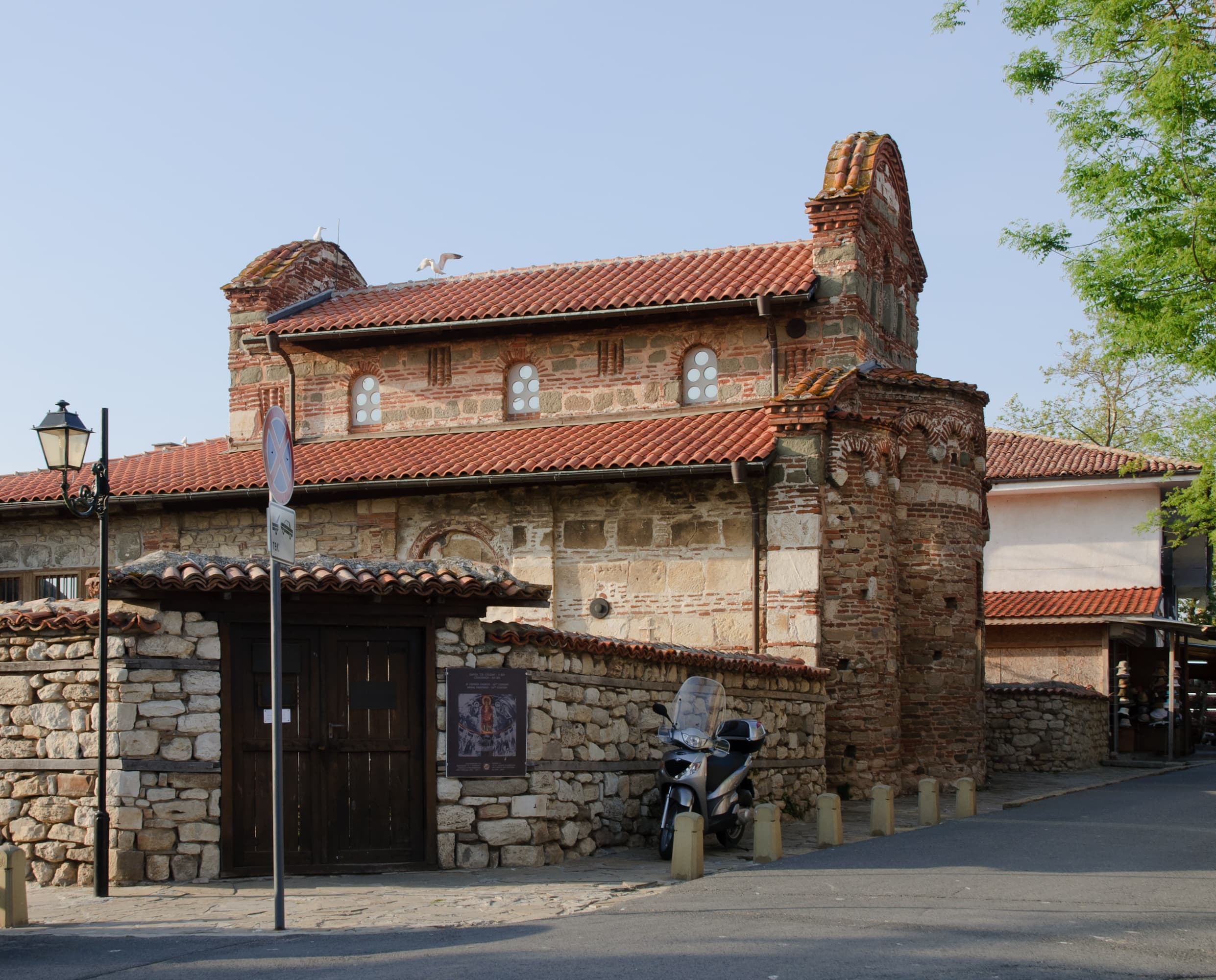
Church of Saint Stephen, Nesebar
A church in the Nessebar sacred ensemble where exterior modesty and fresco-rich interior keep it one of the most complete sacred interiors in the city.
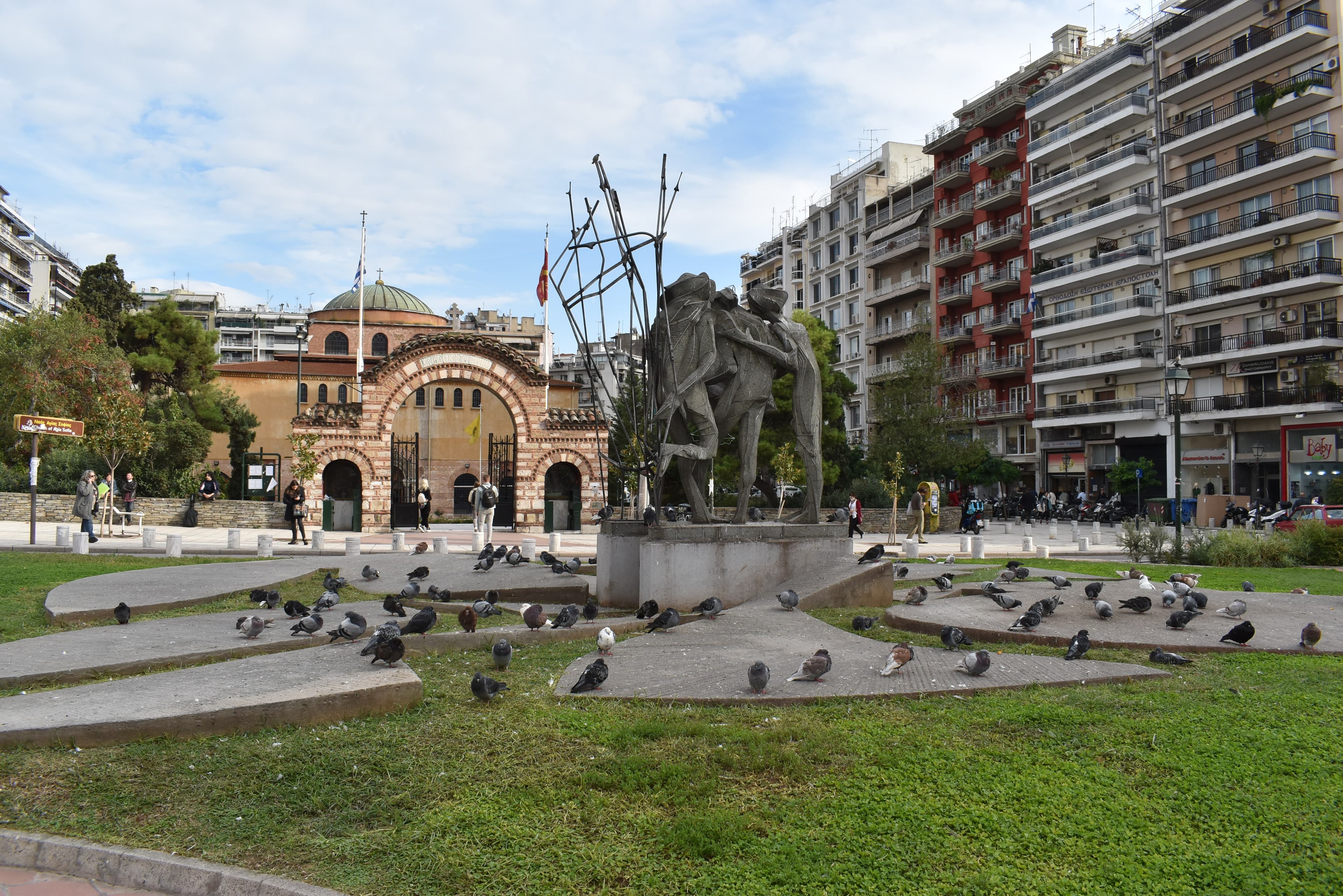
Paleochristian and Byzantine Monuments of Thessaloniki
A sacred urban landscape in Thessaloniki where basilicas, domed churches, and a surviving monastery still hold the city together as one Byzantine Christian world.
Same tradition elsewhere
Eastern Orthodox Christianity sacred sites beyond Balkans
%252001.jpg&w=3840&q=75)
Church of the Epiphany, Yaroslavl
A church in the Yaroslavl sacred ensemble where richly ornamented brickwork and urban prominence keep it legible as one of the chief sacred markers of the historic center.

Church of the Transfiguration on Ilyina Street
A church in the Novgorod sacred ensemble where its compact form and fresco reputation keep one urban parish church central within the Novgorod sacred ensemble.
Keep exploring