Historical sanctuary
Church of the Holy Saviour, Nesebar
Church of the Holy Saviour, Nesebar is the small seventeenth-century Church of the Holy Saviour in the northern part of old Nessebar, and it is distinguished by the way low scale and painted interior preserve a later sacred layer within the medieval church landscape.

Visitor essentials
What stands out
Scope note
Keep in view
Keep Church of the Holy Saviour, Nesebar visible as the small seventeenth-century Church of the Holy Saviour in the northern part of old Nessebar rather than reducing it to only a small low-roofed chapel between houses.
At a glance
Before you visit
A church in the Nessebar sacred ensemble where low scale and painted interior preserve a later sacred layer within the medieval church landscape
Why it matters
UNESCO frames Ancient City of Nessebar as an Eastern Orthodox sacred cityscape of medieval churches layered into the ancient Black Sea town of Nessebar, and the supporting site sources keep Church of the Holy Saviour, Nesebar legible as a church within the Nessebar sacred ensemble.
That matters because Church of the Holy Saviour, Nesebar is strongest as the small seventeenth-century Church of the Holy Saviour in the northern part of old Nessebar rather than only a small low-roofed chapel between houses.
Respect notes
Visiting notes
Story and context
History and sacred context
Sources
- Official websitePrimary visitor-facing site for current access and institutional context.
- UNESCO entryPrimary authority source for the World Heritage property and its distinctive concentration of medieval Christian monuments.
- Wikipedia entryWikipedia article for Church of the Holy Saviour.
- Ancient City of Nessebar (Property 217)Primary authority source for the World Heritage property and its distinctive concentration of medieval Christian monuments.
- Church of the Holy Saviour (Q5117926)Entity anchor for the Church of the Holy Saviour in Nesebar.
- Category:Church of the Holy Saviour, NesebarVisual context for the small seventeenth-century church and its intimate old-town setting.
- Church of the Holy SaviourWikipedia article for Church of the Holy Saviour.
- Nessebar World HeritageOfficial municipality heritage section for Old Nessebar, the World Heritage townscape that administers the surviving church ensemble including the Holy Saviour church.
Nearby places
Nearby sacred places in Balkans
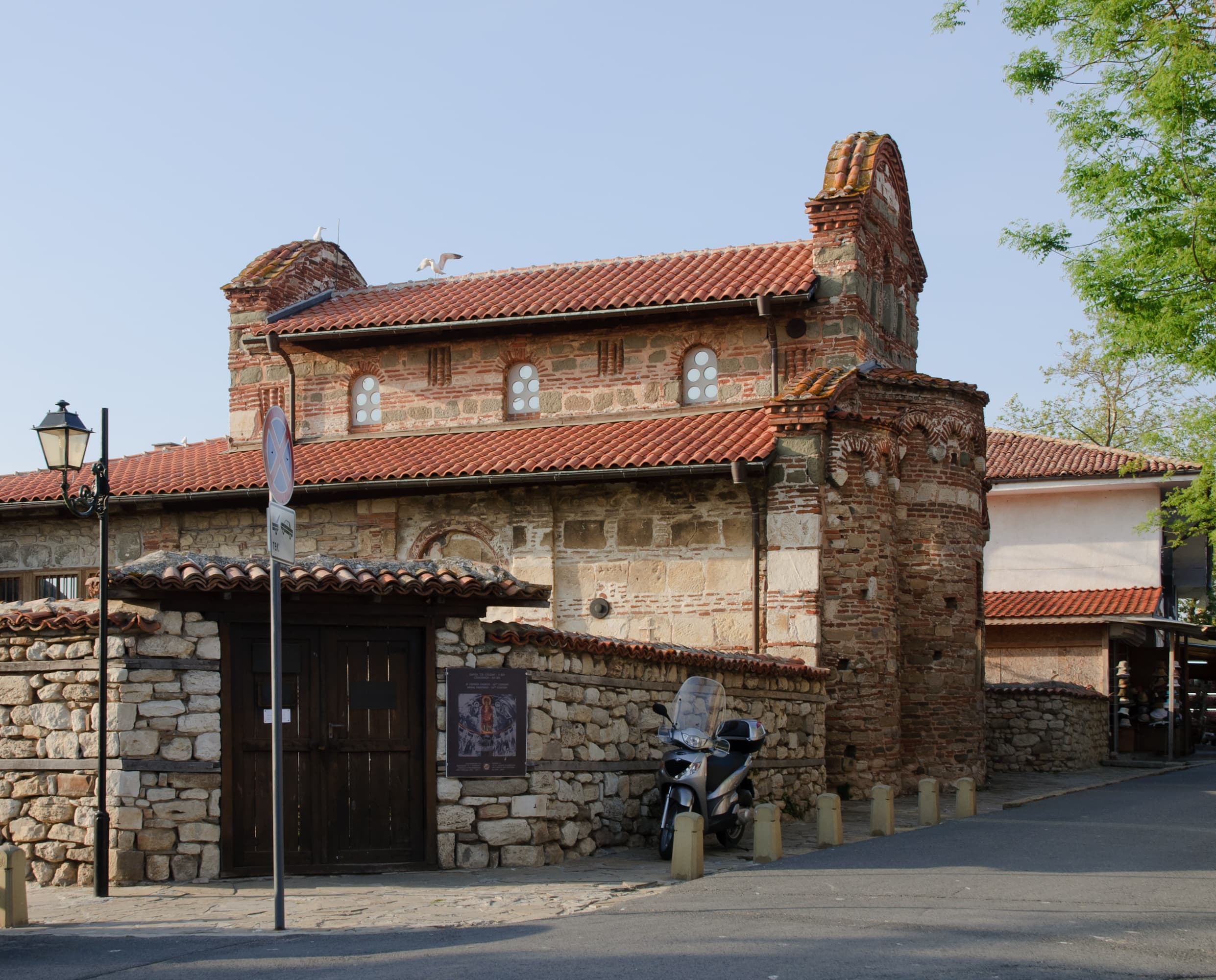
Church of Saint Stephen, Nesebar
A church in the Nessebar sacred ensemble where exterior modesty and fresco-rich interior keep it one of the most complete sacred interiors in the city.
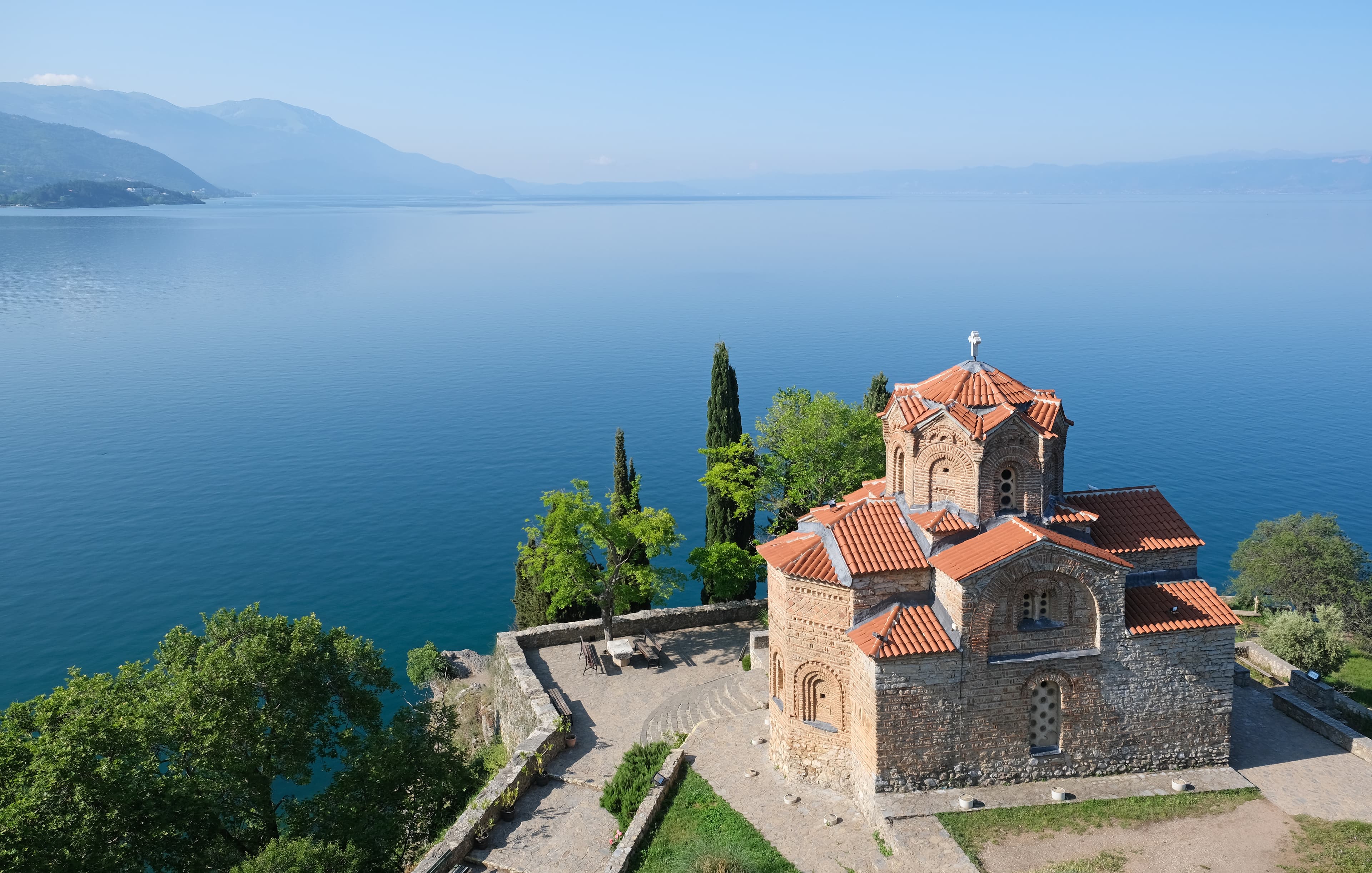
Church of St. John at Kaneo
A church in the sacred and cultural landscape of Ohrid where the church, the rock above the lake, and the long shoreline gaze still make the site feel devotional rather than merely scenic.
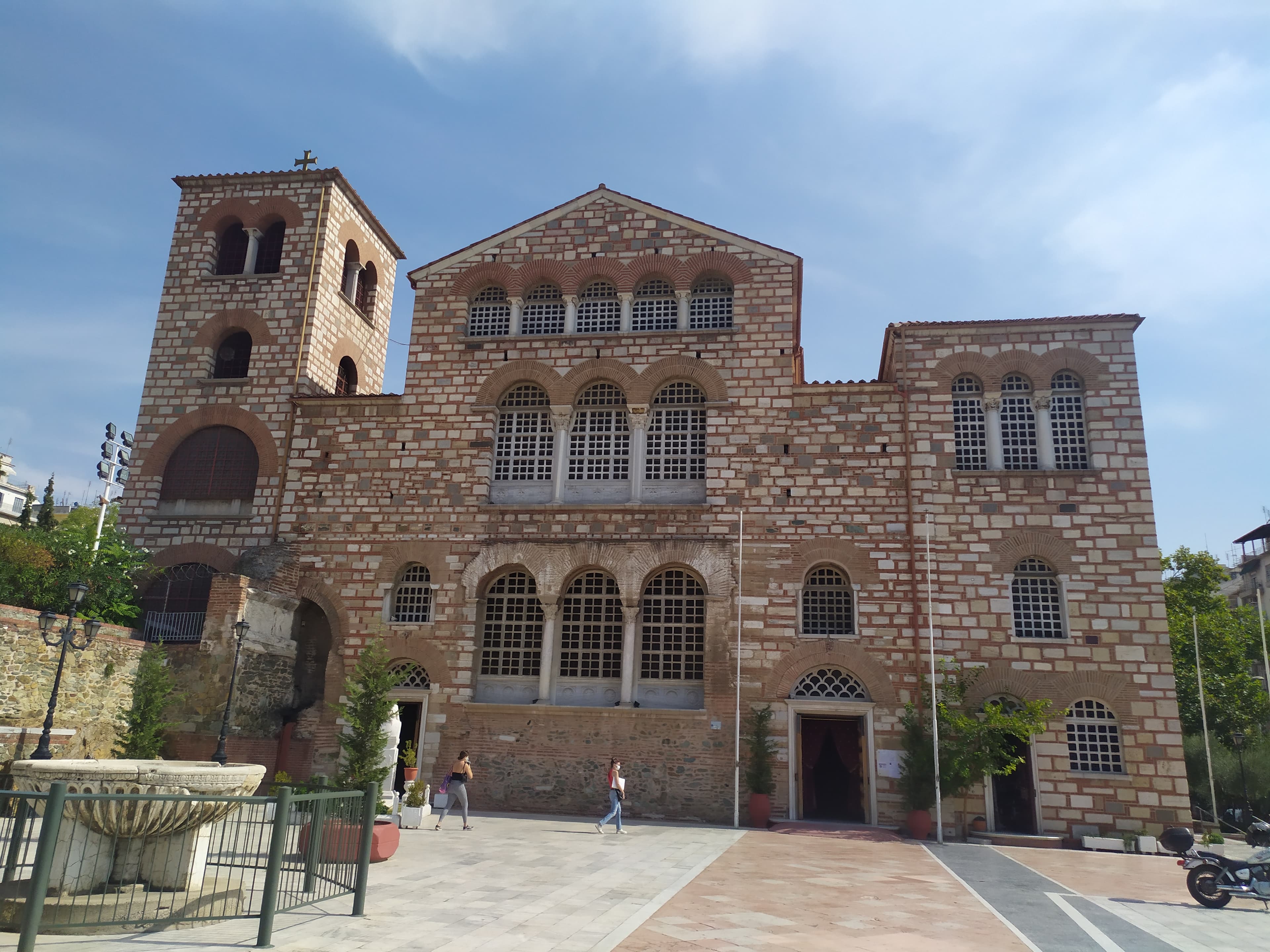
Church of Agios Dimitrios, Thessaloniki
A church in the Byzantine sacred monuments of Thessaloniki where saint cult, basilica form, and the long devotional life of Thessaloniki still gather around one church.
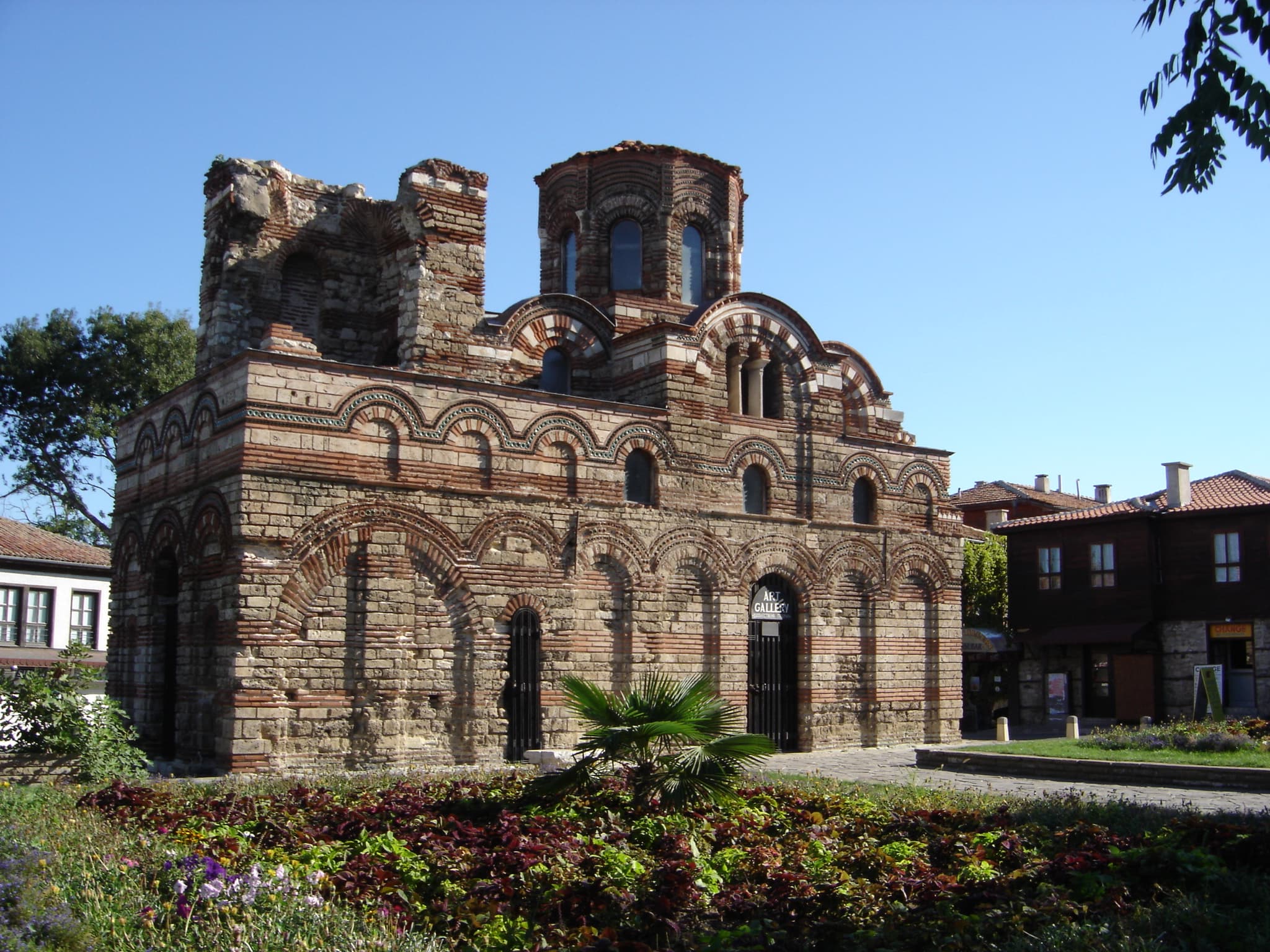
Ancient City of Nessebar
A sacred city in the Nessebar sacred ensemble where multiple church ruins and standing sanctuaries still read together as one long spiritual center rather than isolated monuments.
Same tradition elsewhere
Eastern Orthodox Christianity sacred sites beyond Balkans
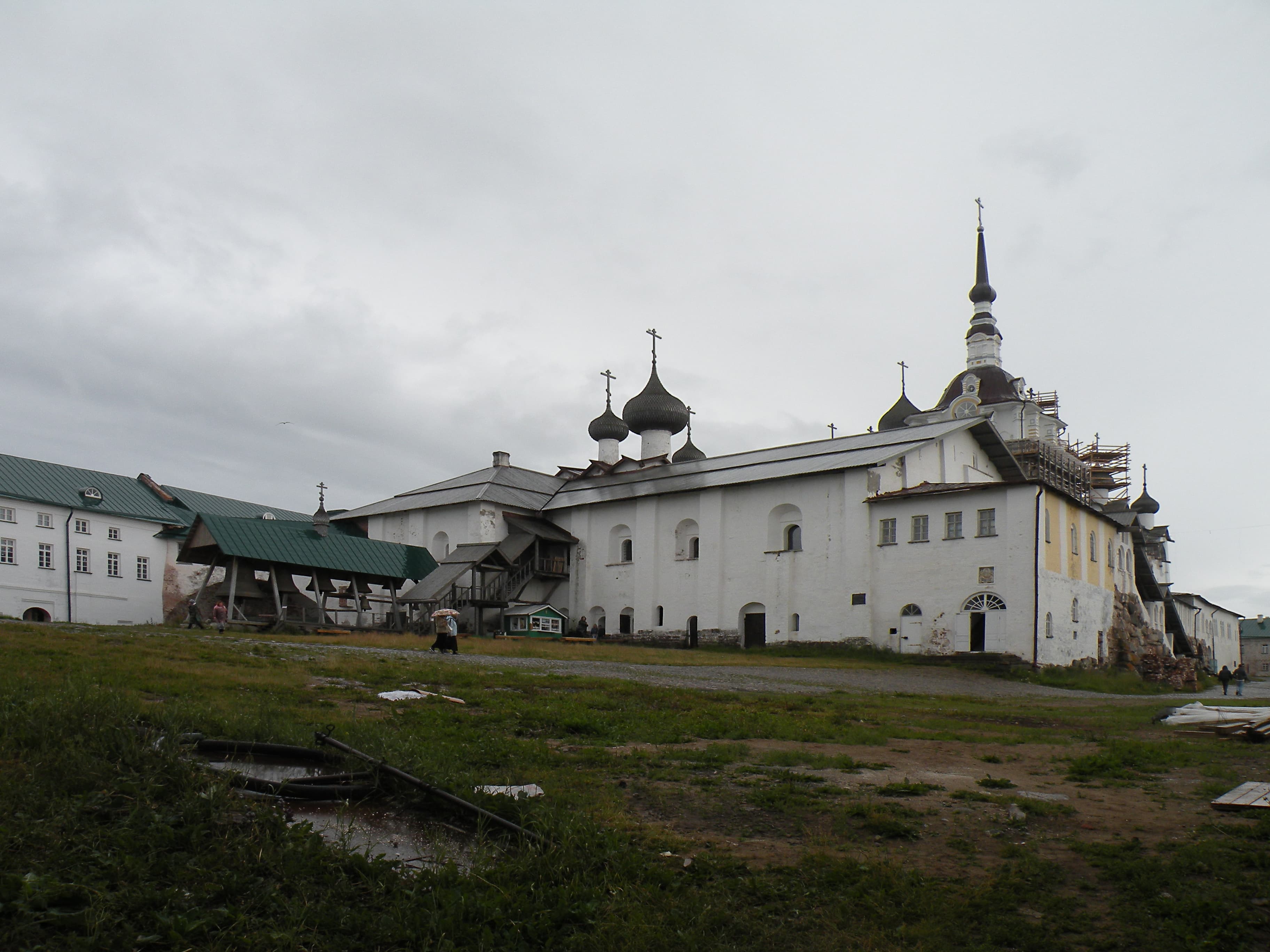
Assumption Church, Solovetsky Monastery
A church in the Solovetsky monastic ensemble where church, refectory, and communal monastic life remain visibly joined in one sacred domestic structure.

Church of Saints Boris and Gleb, Kideksha
A small white-limestone church whose quiet plainness marks one of the earliest sacred starting points of the Vladimir-Suzdal tradition.
Keep exploring