Historical sanctuary
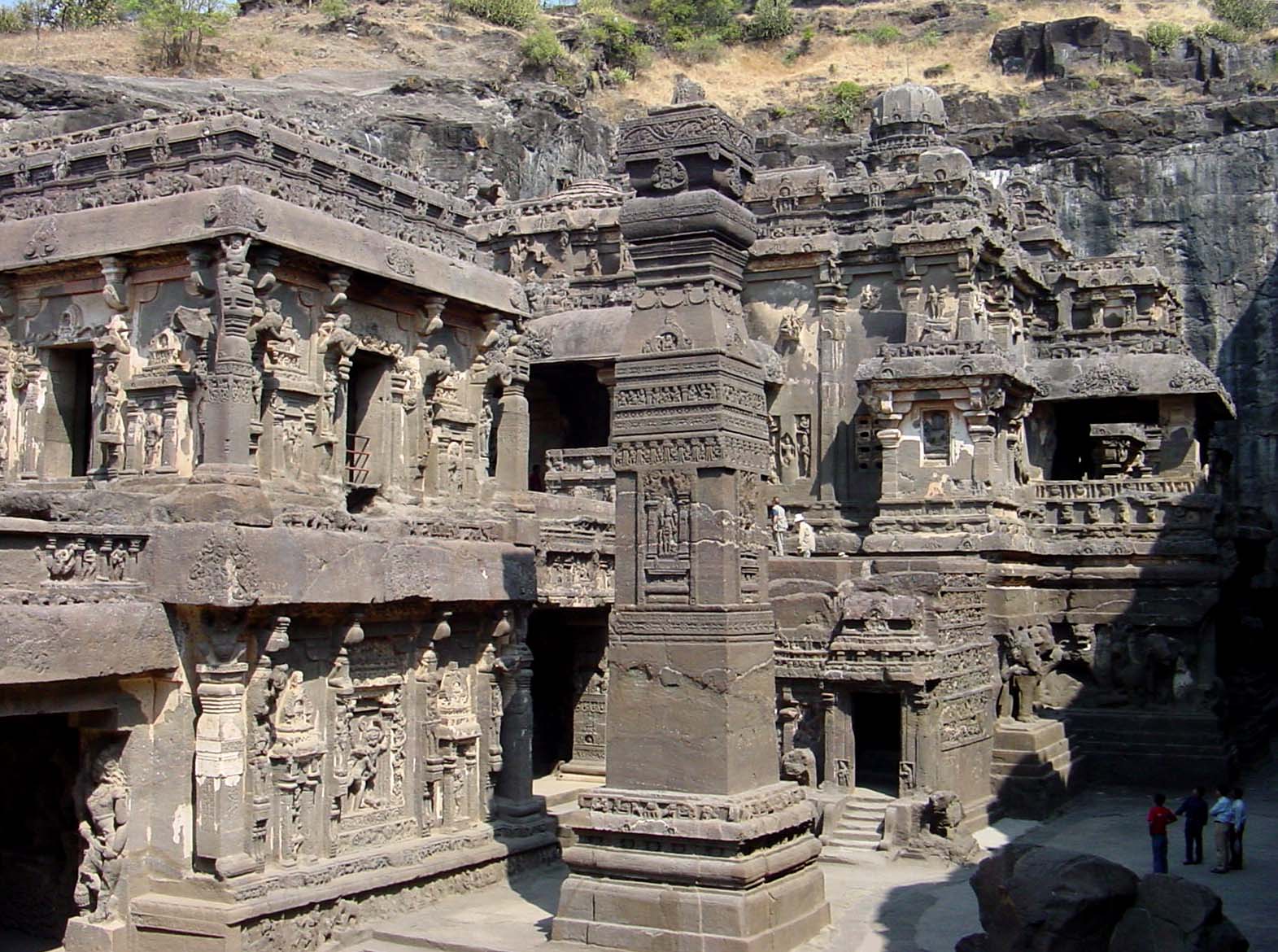
Cave 16 (Kailasa Temple), Ellora
Cave 16 (Kailasa Temple), Ellora is the great Kailasa temple, the monolithic Shaiva centerpiece of Ellora, and it is distinguished by the way excavation, temple architecture, courtyards, and relief carving still hold together as one of the world's strongest Hindu sacred compositions in stone.
Visitor essentials
What stands out
Scope note
Keep in view
Keep Cave 16 (Kailasa Temple), Ellora visible as the great Kailasa temple, the monolithic Shaiva centerpiece of Ellora rather than reducing it to only the famous engineering marvel of Ellora.
At a glance
Before you visit
A monolithic temple in the Ellora sacred escarpment where excavation, temple architecture, courtyards, and relief carving still hold together as one of the world's strongest Hindu sacred compositions in stone
Why it matters
UNESCO frames Ellora Caves as a rock-cut sacred escarpment where Buddhist, Hindu, and Jain monuments were excavated into one long Deccan cliff face, and the supporting site sources keep Cave 16 (Kailasa Temple), Ellora legible as a monolithic temple within the Ellora sacred escarpment.
That matters because Cave 16 (Kailasa Temple), Ellora is strongest as the great Kailasa temple, the monolithic Shaiva centerpiece of Ellora rather than only the famous engineering marvel of Ellora.
Respect notes
Visiting notes
Story and context
History and sacred context
Sources
- Official websitePrimary visitor-facing site for current access and institutional context.
- UNESCO entryPrimary authority source for Ellora as a major rock-cut sacred complex spanning Buddhist, Hindu, and Jain monuments.
- Wikipedia entryWikipedia article for Ellora Caves.
- Ellora Caves (Property 243)Primary authority source for Ellora as a major rock-cut sacred complex spanning Buddhist, Hindu, and Jain monuments.
- Ellora Caves - Archaeological Survey of IndiaOfficial heritage overview describing Ellora's Buddhist, Brahmanical, and Jaina cave groups and highlighting key caves including 10, 15, 16, 21, 29, and 32.
- Ellora Caves (Q189616)Entity anchor for the Ellora Caves as a World Heritage rock-cut sacred complex in Maharashtra.
- Kailasa Temple, Ellora (Q1268562)Entity anchor for the Kailasa Temple at Ellora as the monolithic Hindu temple of Cave 16.
- Category:Kailasa Temple, ElloraVisual context for the Kailasa Temple, including the monolithic court, shrine, bridges, and relief carvings.
- Ellora CavesWikipedia article for Ellora Caves.
Nearby places
Nearby sacred places in South Asia
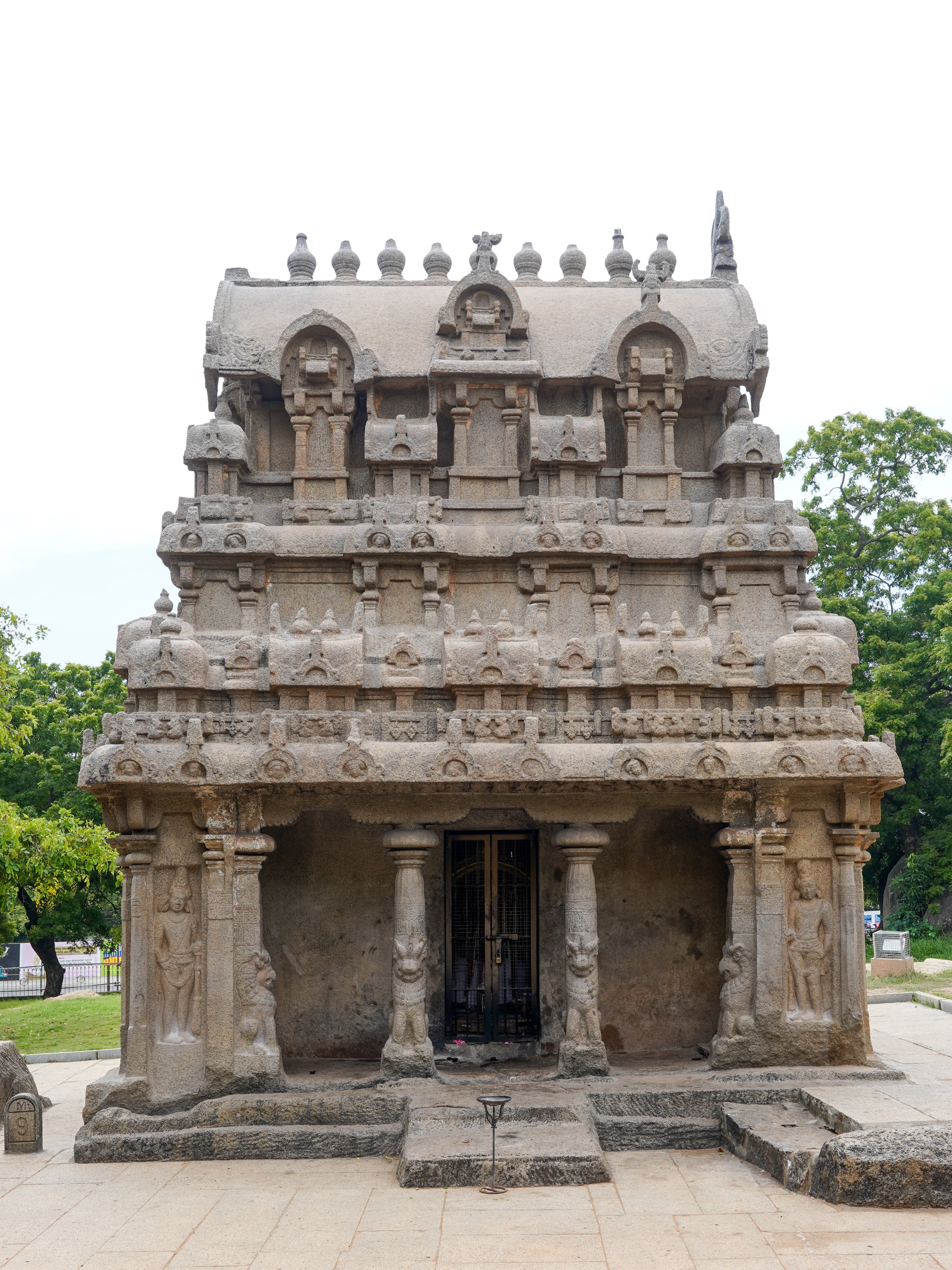
Ganesha Ratha
A monolithic temple in the Mahabalipuram sanctuary group where carved mass, shrine form, and later devotional association keep it within the sacred logic of the hill zone.
.jpg&w=3840&q=75)
Badavilinga
A monolithic linga shrine in the sacred and monumental landscape of Hampi where water, scale, and the single carved linga still condense a powerful Shaiva sacred presence into one small shrine chamber.
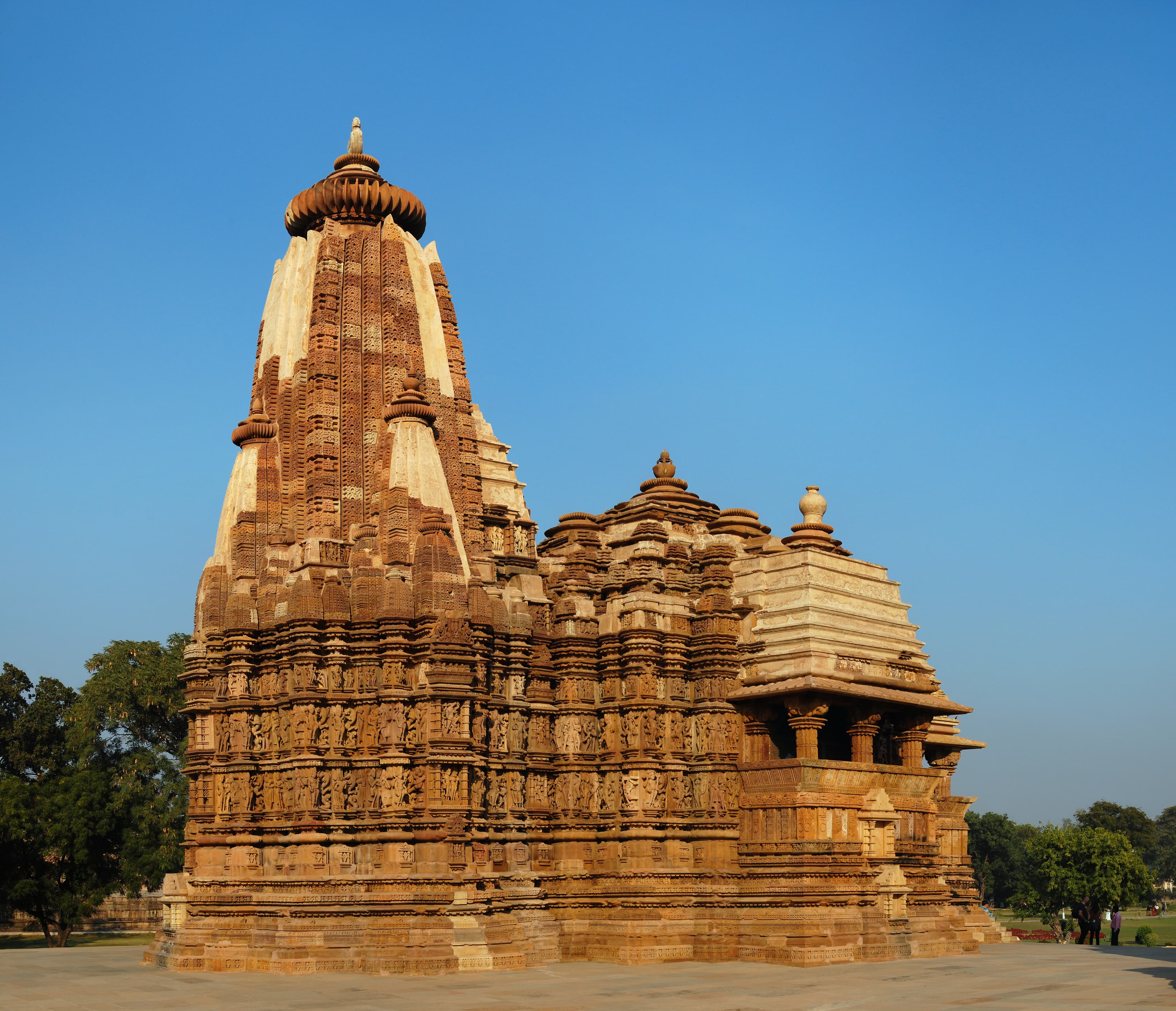
Devi Jagadambi Temple
A Khajuraho temple whose compact mass and goddess association keep sacred intimacy visible beside the larger western-group shrines.
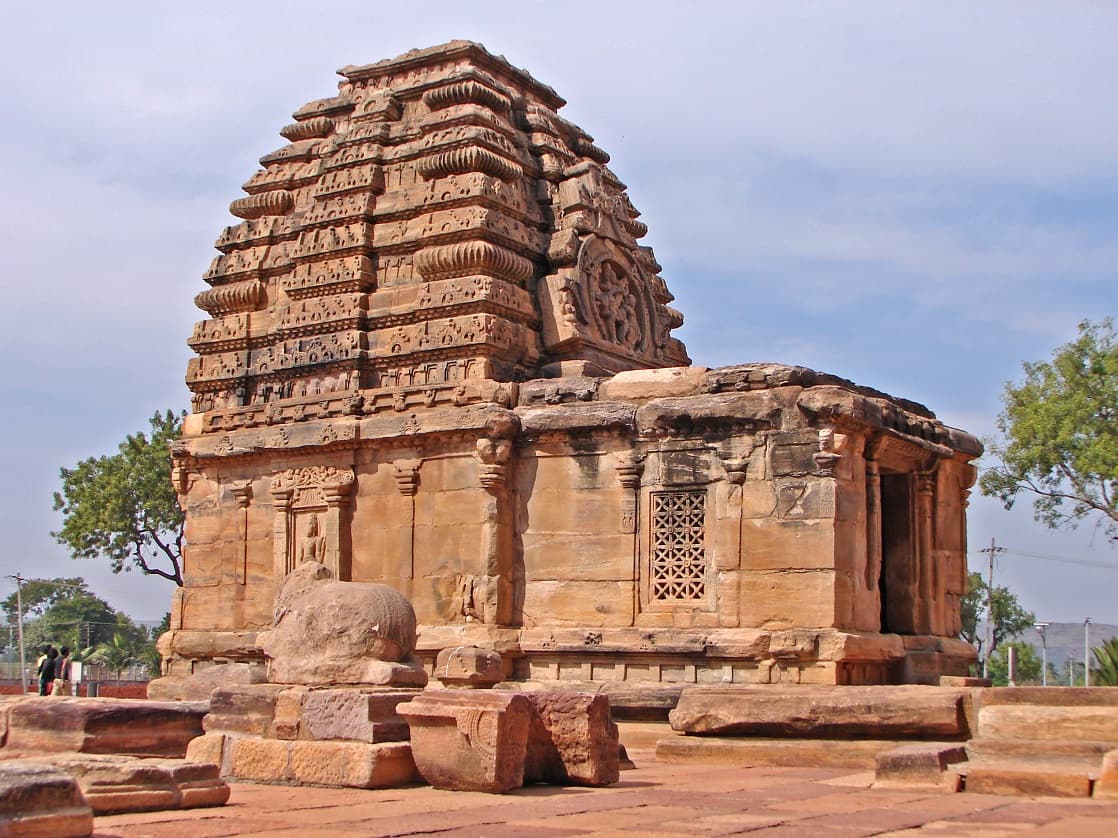
Jambulinga Temple, Pattadakal
A temple in the Pattadakal sacred ensemble where a smaller shrine still carries a complete sacred profile of linga, tower, and carved icon program.
Same tradition elsewhere
Hinduism sacred sites beyond South Asia

Regional journeys
Journeys in South Asia
Ajanta Painted Vihara Circuit
A cliffside Buddhist route that reads Ajanta through its major painted monastery caves rather than treating the site as one viewpoint plus a few famous murals.
Ajanta Chaitya Hall Route
An Ajanta route that reads the cliff sanctuary through its chaitya halls rather than only through painted monastery caves.
Keep exploring