Historical sanctuary
Chau Say Tevoda
Chau Say Tevoda is one of the more focused sacred temples of Angkor, and its force comes from the way Hindu devotion, enclosure, and carved stonework are held together at a smaller scale.

Visitor essentials
What stands out
Scope note
Keep in view
Keep Chau Say Tevoda visible as a Hindu sacred site rather than reducing it to restoration history or carved detail alone.
At a glance
Before you visit
A Hindu temple at Angkor where restored stonework, enclosures, and carved devatas hold a small but deliberate sacred world together
Why it matters
UNESCO presents Angkor as one of the most important archaeological sites in Southeast Asia, and Wikidata identifies Chau Say Tevoda as a Hindu temple within that larger landscape.
That matters because Chau Say Tevoda is strongest not as a restored ruin alone, but as a compact Hindu sanctuary within the wider Angkor sacred world.
Respect notes
Visiting notes
Story and context
History and sacred context
Sources
- Official websitePrimary visitor-facing site for current access and institutional context.
- UNESCO entryPrimary authority source for Angkor as a monumental sacred landscape.
- Wikipedia entryWikipedia article for Chau Say Tevoda.
- Chau Say Tevoda (Q874573)Entity anchor for Chau Say Tevoda in Angkor.
- Angkor (Property 668)Primary authority source for Angkor as a monumental sacred landscape.
- Category:Chao Say TevodaVisual context for Chau Say Tevoda and its Hindu temple form at Angkor.
- Chau Say TevodaOfficial APSARA National Authority monument page for Chau Say Tevoda covering its paired-temple context with Thommanon, Hindu identity, restoration history, visitor information, and carved program.
- Chau Say TevodaWikipedia article for Chau Say Tevoda.
Nearby places
Nearby sacred places in Southeast Asia
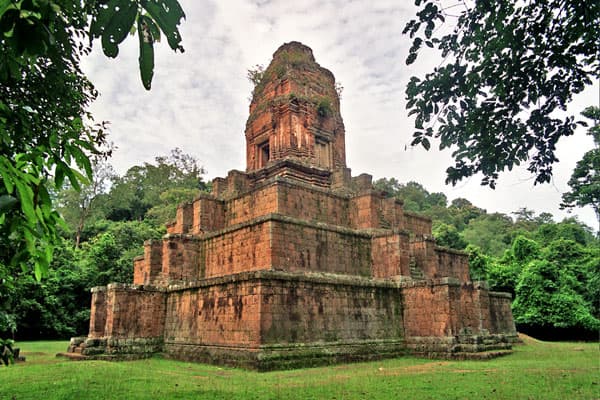
Baksei Chamkrong
A small stepped Hindu temple at Angkor where steep ascent and Shiva dedication compress sacred force into a tightly focused pyramid form.

Banteay Samré
A restored Hindu temple at Angkor where enclosure walls, gopuras, and sanctuary form create a complete and concentrated sacred composition.
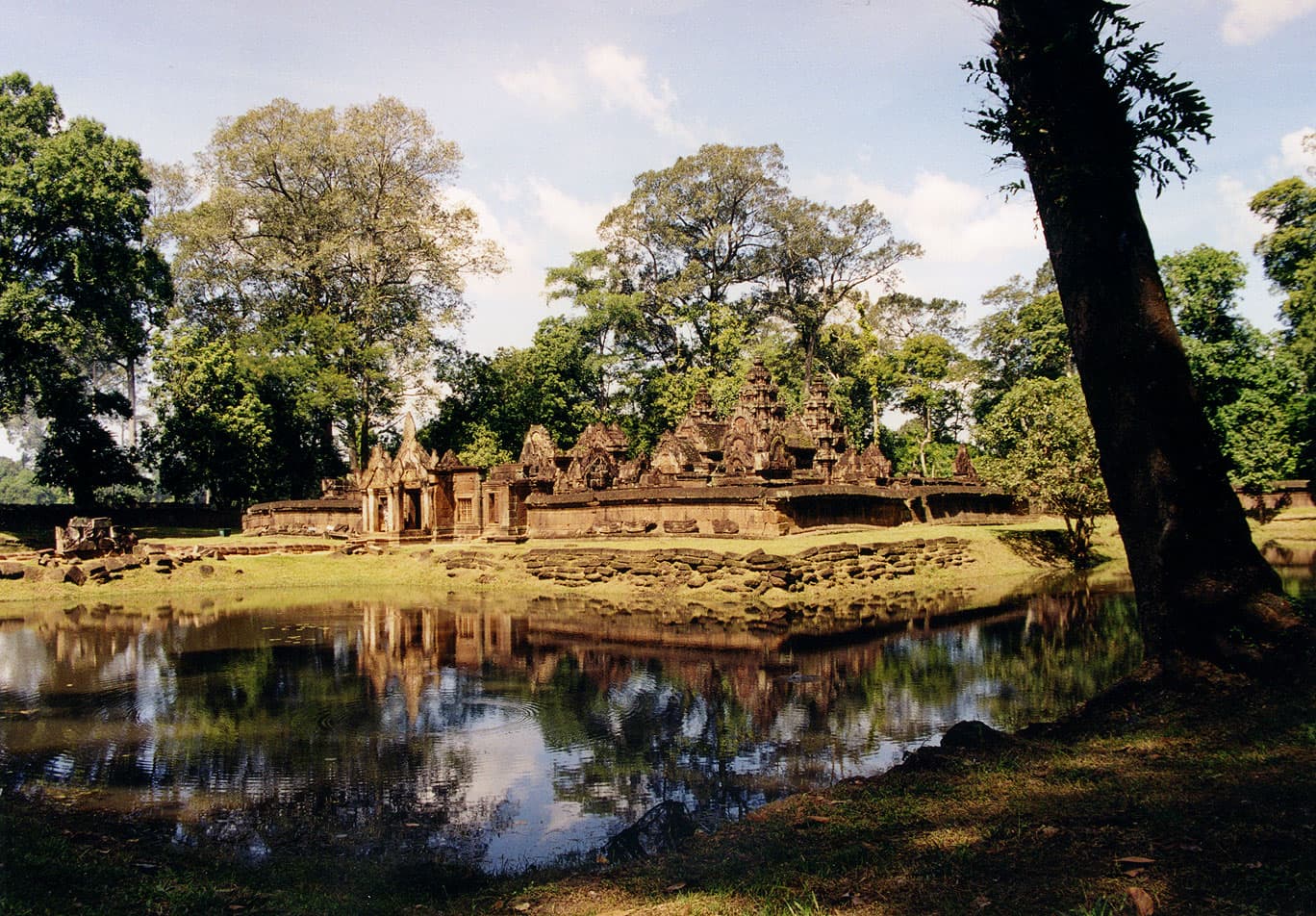
Banteay Srei
A finely carved Hindu temple at Angkor where compact scale and red sandstone detail intensify the sacred effect.
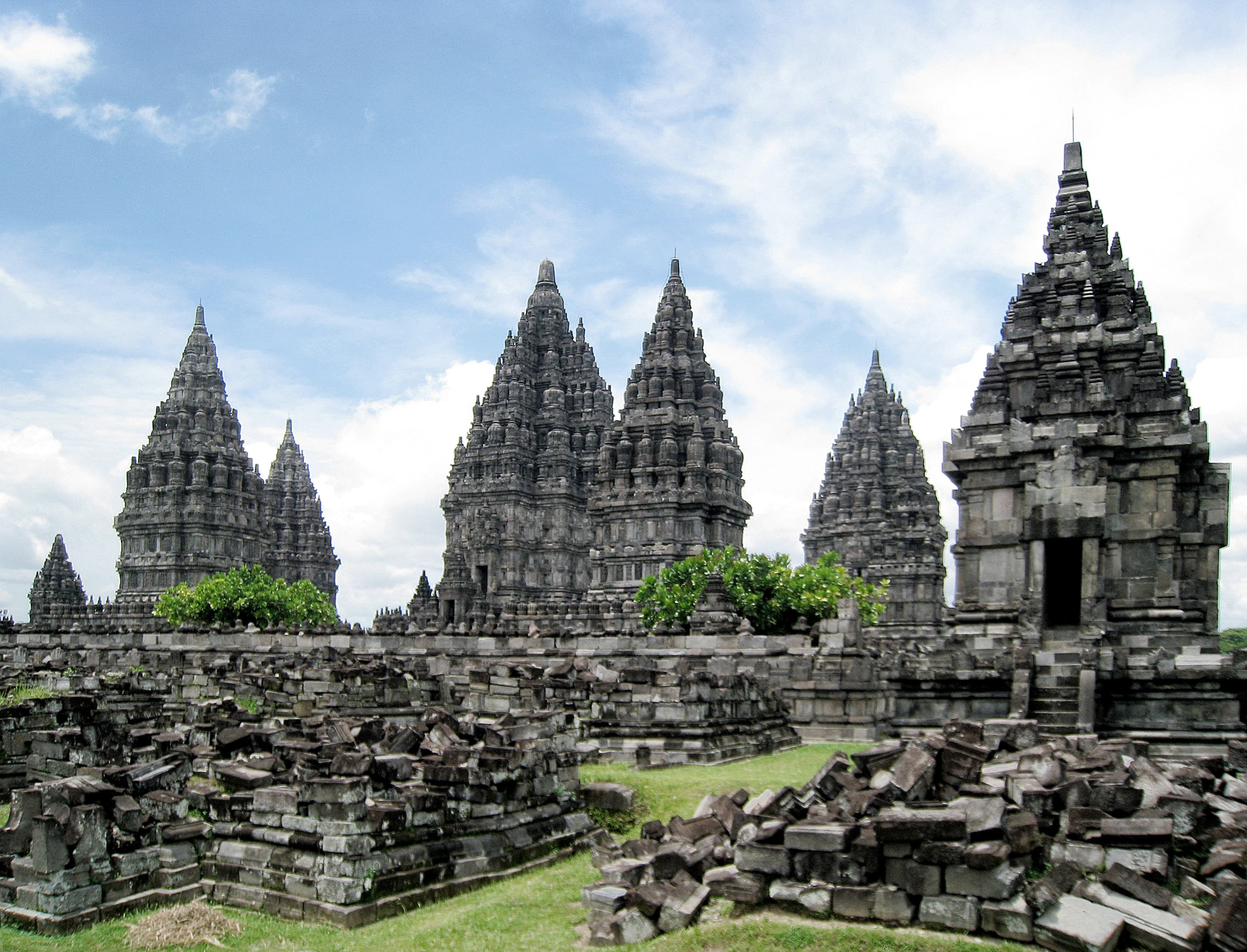
Brahma Temple, Prambanan
A temple in the Prambanan sacred compounds where its reliefs and place in the triadic layout keep the central Hindu composition legible as more than one dominant shrine.
Same tradition elsewhere
Hinduism sacred sites beyond Southeast Asia
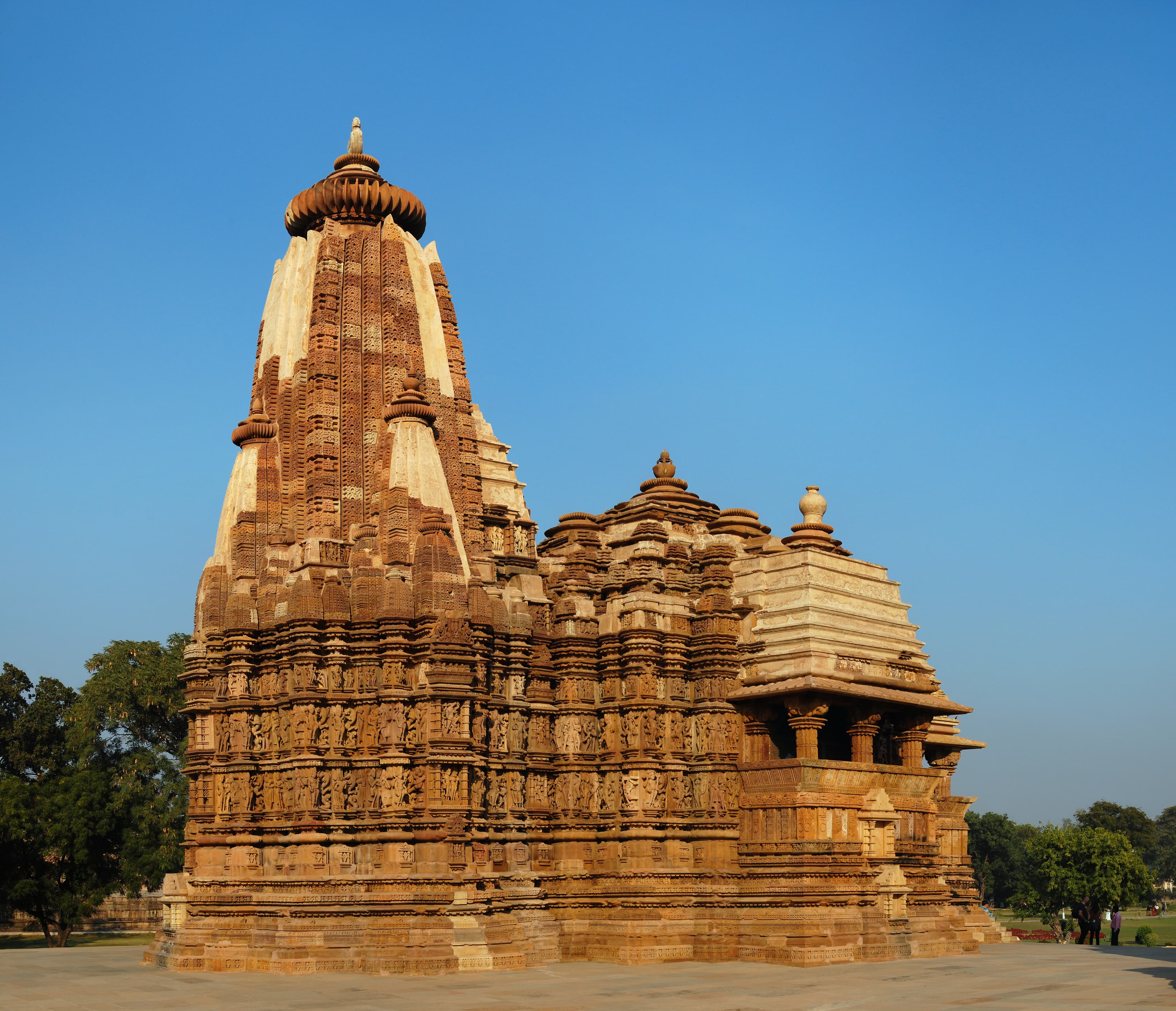
Devi Jagadambi Temple
A Khajuraho temple whose compact mass and goddess association keep sacred intimacy visible beside the larger western-group shrines.
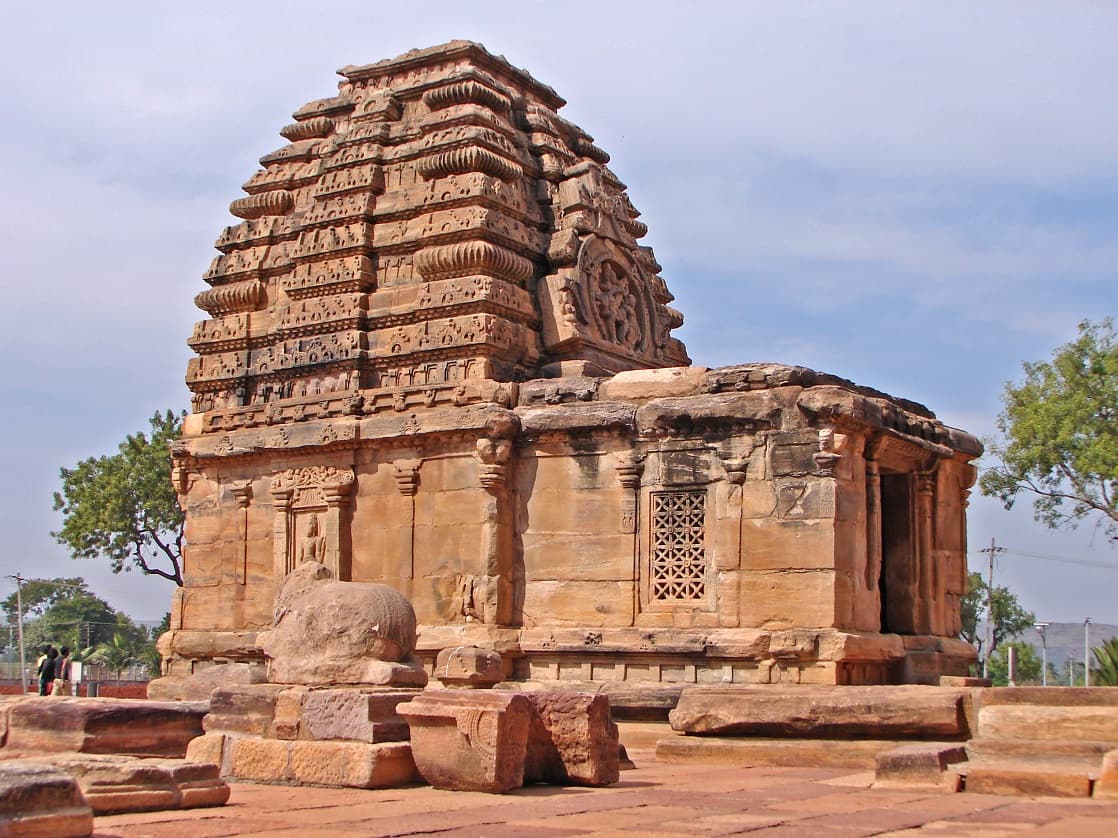
Jambulinga Temple, Pattadakal
A temple in the Pattadakal sacred ensemble where a smaller shrine still carries a complete sacred profile of linga, tower, and carved icon program.
Regional journeys
Journeys in Southeast Asia
Bagan Major Temples Sequence
A major-temples route through Bagan that reads the plain through its largest temple monuments rather than through a generic sunrise-and-viewpoint circuit.
Prambanan Trimurti and Vahana Route
A Prambanan core route through the Trimurti temples and their vehicle shrines that reads the compound through Hindu sacred order rather than through one dominant tower alone.
Keep exploring