Region
China
A vast sacred-travel region where Buddhist cave sanctuaries, holy mountains, and Taoist temple complexes are often inseparable from the landscapes that hold them.
Quick explainer
How to use this regional lens
This short explainer tells users what makes the region distinct, who it suits, and how to move through it.
Regional character
A sacred geography with its own travel rhythm
China is one of the strongest sacred-travel regions in the world because the architecture rarely stands alone: Mount Wutai, Wudang, Qingcheng, Qufu, Longmen, and Mogao all depend on mountain, cliff, route, or ceremonial setting as much as on the shrines and carvings themselves.
That broader sacred emphasis makes the region especially valuable for interpretation. It asks for slower travel, stronger sacred framing, and more attention to how Buddhism, Daoism, and Confucianism shaped whole environments rather than isolated monuments.
Featured places
Sacred places in China
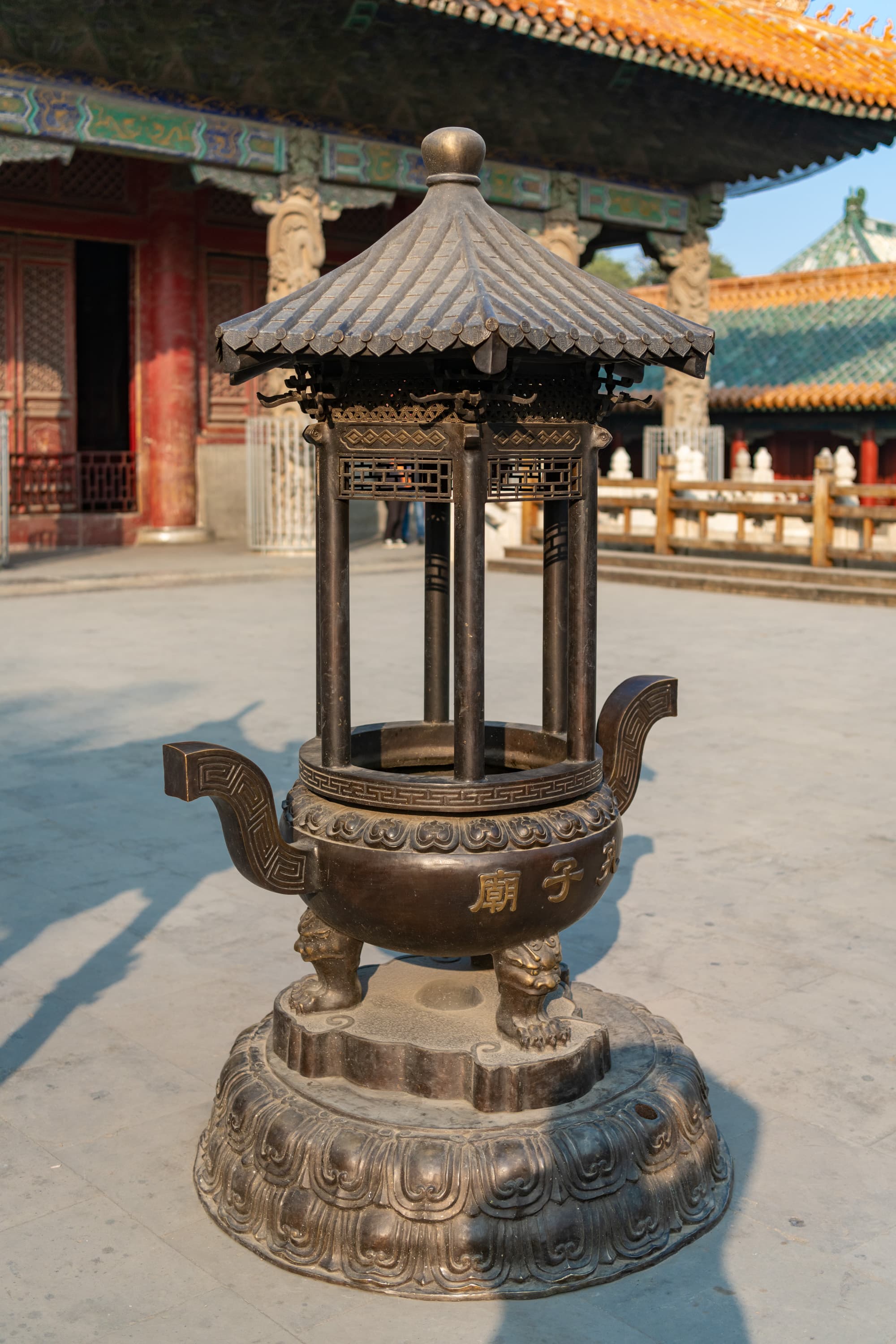
Confucian Sanctuaries of Qufu
A major Confucian ceremonial ensemble where temple, cemetery, and family residence keep ritual memory and ancestral legitimacy in one place.
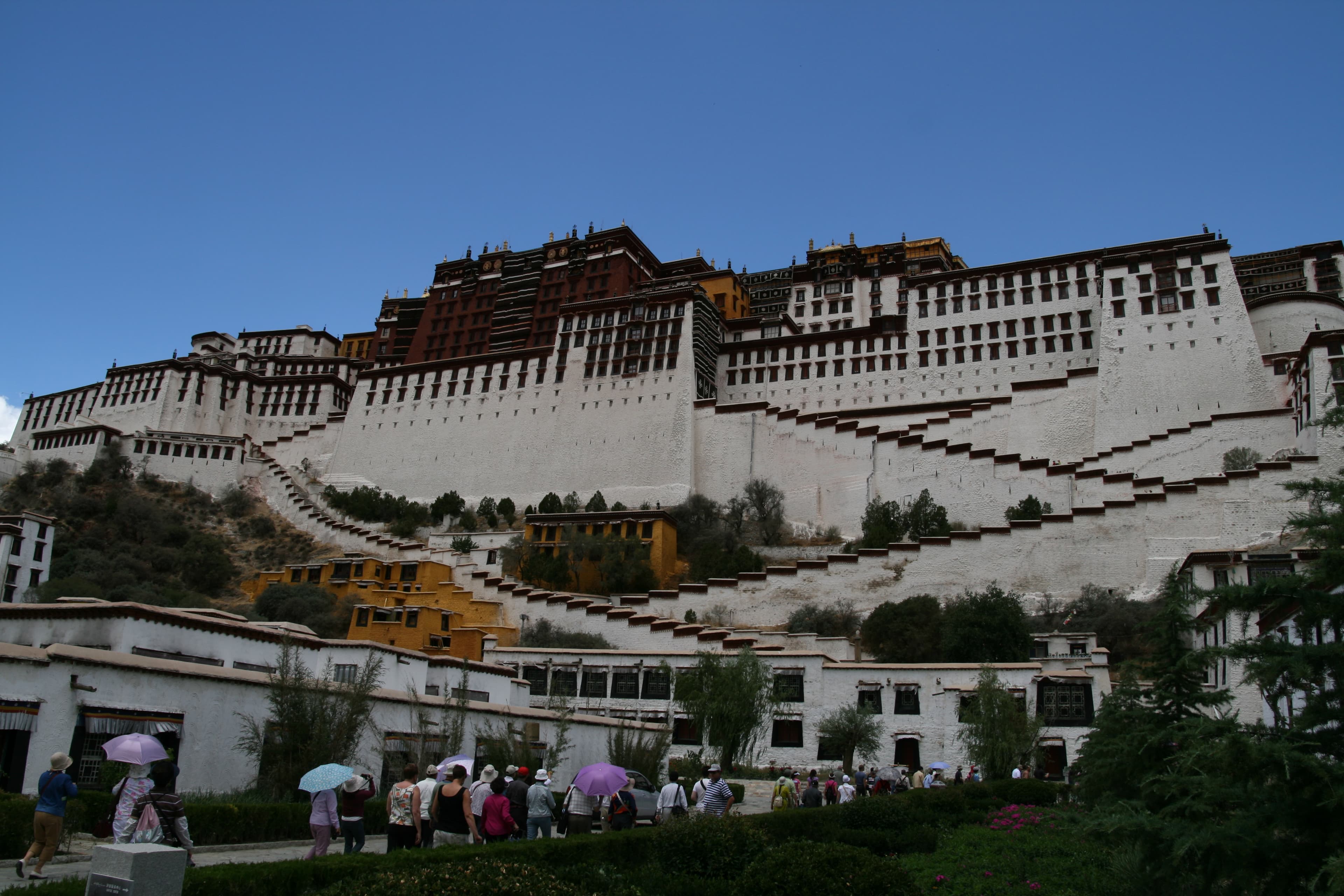
Potala Palace
A palace-monastery complex on Red Mountain whose scale, chapels, and ritual symbolism made it one of Tibetan Buddhism's defining sacred centers.

Foguang Temple
A remote Mount Wutai temple where an early timber hall is still inseparable from its mountain precinct.
Planning signals
Seasonality, access, and site-type patterns
These quick signals make the regional planning shape explicit without forcing a full itinerary yet.
Best by constraint
Use the region through practical constraints, not just one flat place list
These shortcuts are the first pass at long-tail planning questions like mythology, archaeology, season, car-light access, and first-time fit.
FAQ
Questions this regional hub should answer quickly
Keep exploring
Continue through the strongest relationships inside this region
Links
Reference links and sources
Direct reference links for this entry, with supporting source material below.
- UNESCO entryAuthority source for Mount Wutai as a sacred Buddhist mountain.
- Wikipedia entryWikipedia article for People's Republic of China.
- People's Republic of China (Q148)Entity anchor for China as the regional frame for this cluster of sites.
- Taoism (Q9598)Tradition reference for Taoist sacred mountains and temple complexes.
- Confucianism (Q9581)Tradition reference for Confucian ritual and ceremonial sacred spaces in China.
- Mount Wutai (Property 1279)Authority source for Mount Wutai as a sacred Buddhist mountain.
- Ancient Building Complex in the Wudang Mountains (Property 705)Authority source for Wudang as a major Taoist sacred complex.
- Mount Qingcheng and the Dujiangyan Irrigation System (Property 1001)Authority source for Mount Qingcheng as a birthplace of Taoism.
- Temple and Cemetery of Confucius and the Kong Family Mansion in Qufu (Property 704)Authority source for Qufu as the major Confucian ritual and ancestral ensemble linked to Confucius.
- Longmen Grottoes (Property 1003)Authority source for Longmen as a major Buddhist carving complex.
- Mogao Caves (Property 440)Authority source for Mogao as a Buddhist cave sanctuary on the Silk Road.
- Category:Mount WutaiVisual context for Mount Wutai's monasteries and mountain setting.
- Category:Wudang MountainsVisual context for Wudang's mountain temples and terrain.
- Category:Longmen GrottoesVisual context for the cliff carvings and river setting at Longmen.
- Category:Mogao CavesVisual context for Mogao's cave sanctuaries and desert-edge setting.
- Category:Mount QingchengVisual context for Mount Qingcheng's temples and wooded mountain paths.
- Category:Temple and Cemetery of Confucius and the Kong Family Mansion in QufuVisual context for the temple, cemetery, and Kong family precincts at Qufu.
- People's Republic of ChinaWikipedia article for People's Republic of China.