Historical sanctuary
Potala Palace
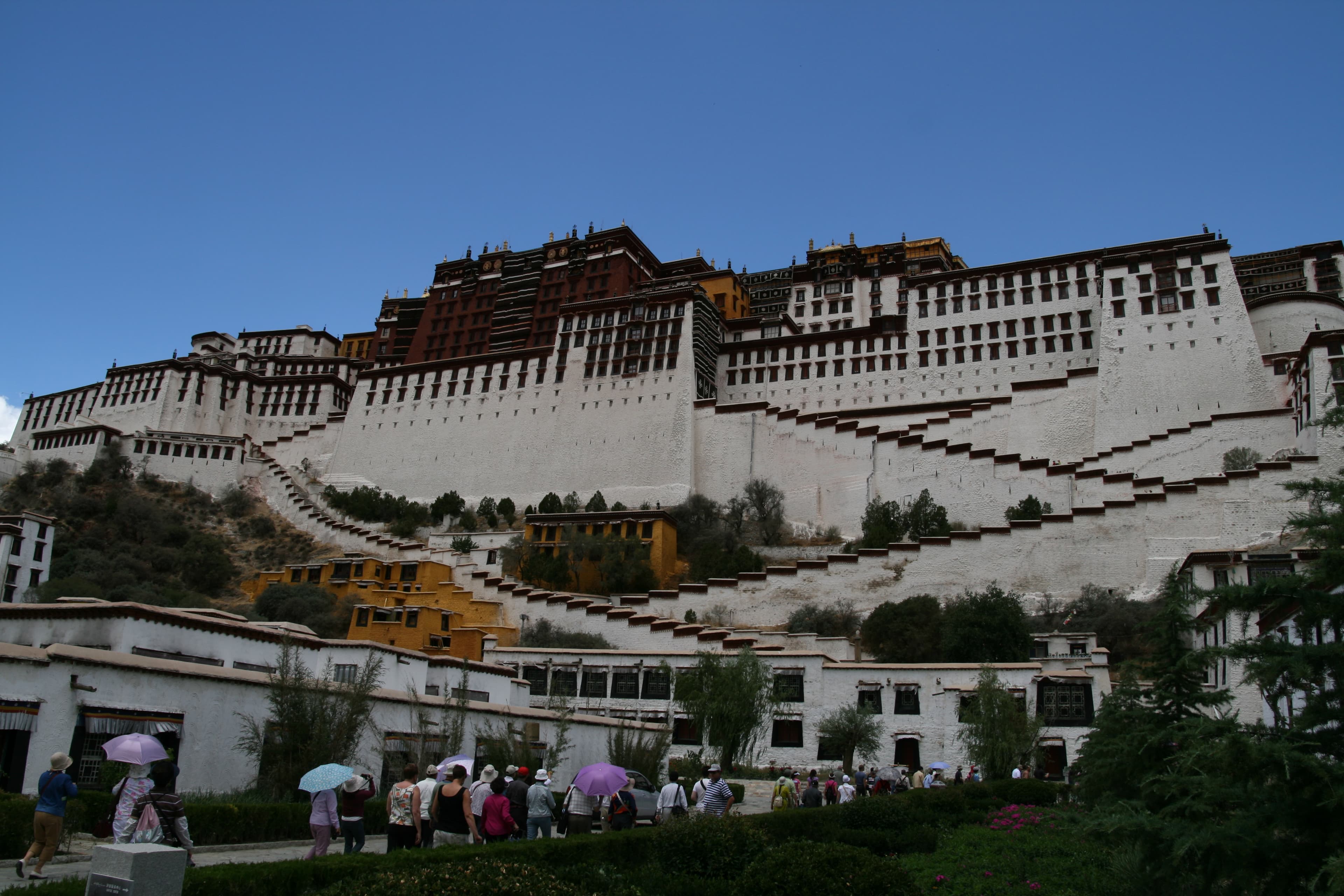
Potala Palace is one of the great sacred-symbolic centers of Tibetan Buddhism, where palace, monastery, burial stupas, and mountain setting were fused into one powerful ensemble.
Visitor essentials
What stands out
Scope note
Keep in view
Keep the Buddhist and symbolic role of the palace visible instead of treating it as a palace without devotional life.
At a glance
Before you visit
A palace-monastery complex on Red Mountain whose scale, chapels, and ritual symbolism made it one of Tibetan Buddhism's defining sacred centers
Why it matters
UNESCO states that the Potala Palace symbolizes Tibetan Buddhism and its central role in the traditional administration of Tibet, with the White and Red Palaces, chapels, and burial stupas forming the core of the ensemble.
That is what makes Potala especially important here: it is not only a former seat of authority, but a sacred-symbolic complex in which religious, ceremonial, and architectural meanings were intentionally joined.
Respect notes
Visiting notes
Story and context
History and sacred context
Sources
- Official websitePrimary visitor-facing site for current access and institutional context.
- UNESCO entryPrimary authority source for Potala Palace as a symbol of Tibetan Buddhism and core component of the Lhasa ensemble.
- Wikipedia entryWikipedia article for Potala Palace.
- Potala Palace (Q71229)Entity anchor for Potala Palace as a Buddhist palace-temple complex in Lhasa.
- Historic Ensemble of the Potala Palace, Lhasa (Property 707)Primary authority source for Potala Palace as a symbol of Tibetan Buddhism and core component of the Lhasa ensemble.
- Category:Potala PalaceVisual context for the palace-monastery complex on Red Mountain.
- Potala PalaceWikipedia article for Potala Palace.
- 布达拉宫Institution-managed Lhasa municipal heritage page for the Potala Palace on the official city government site.
Nearby places
Nearby sacred places in China

Same tradition elsewhere
Buddhism sacred sites beyond China
Buddhist Monuments at Sanchi
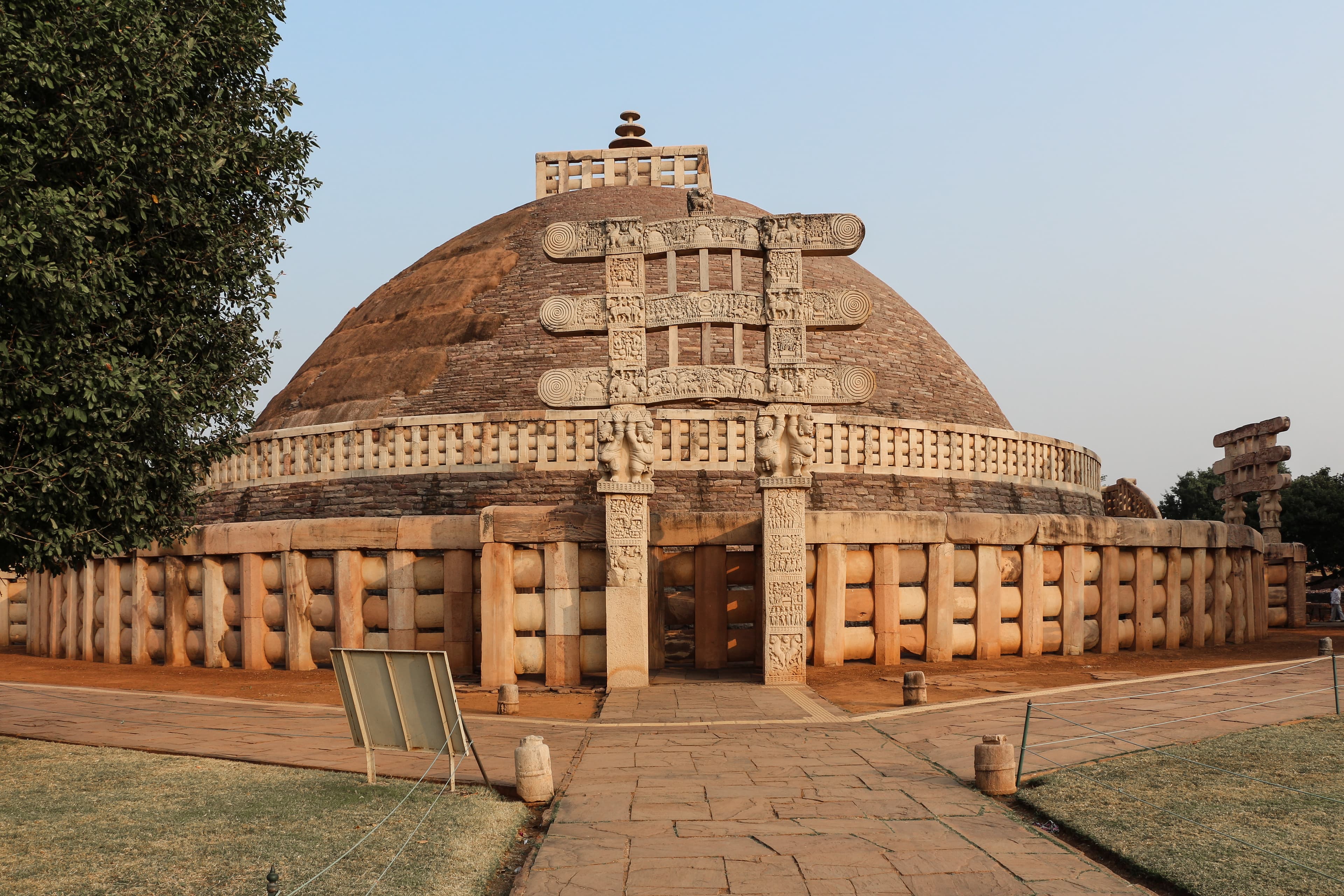
A hilltop Buddhist sanctuary in central India where stupas, gateways, temples, and monastic remains still read as one early sacred landscape rather than a single famous monument.
Dhammayazika Pagoda
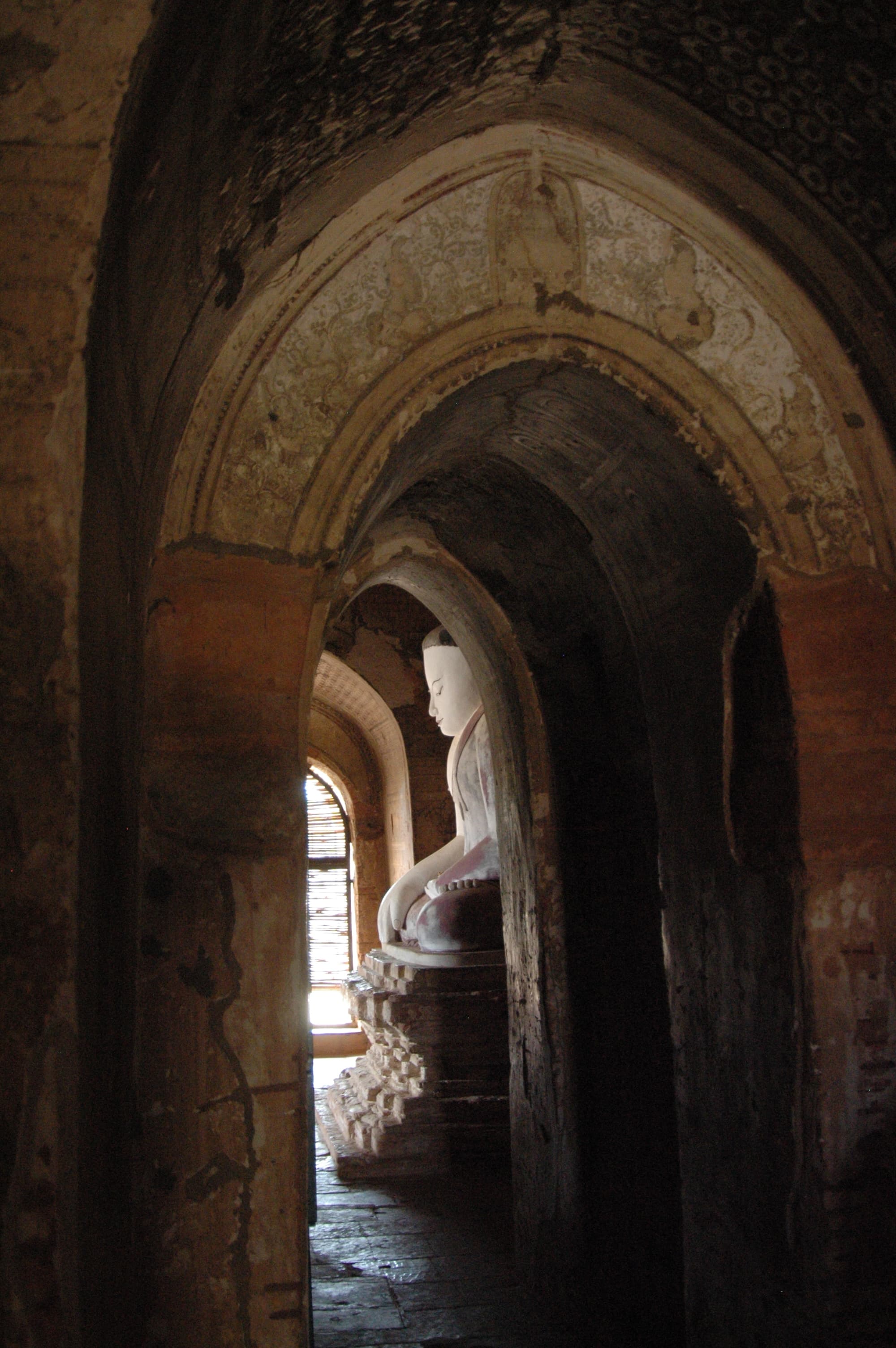
A pagoda in the Bagan sacred plain where broad terraces, circular mass, and hill-like prominence keep it legible as a major stupa presence within the sacred landscape.
Keep exploring