Historical sanctuary
Confucian Sanctuaries of Qufu
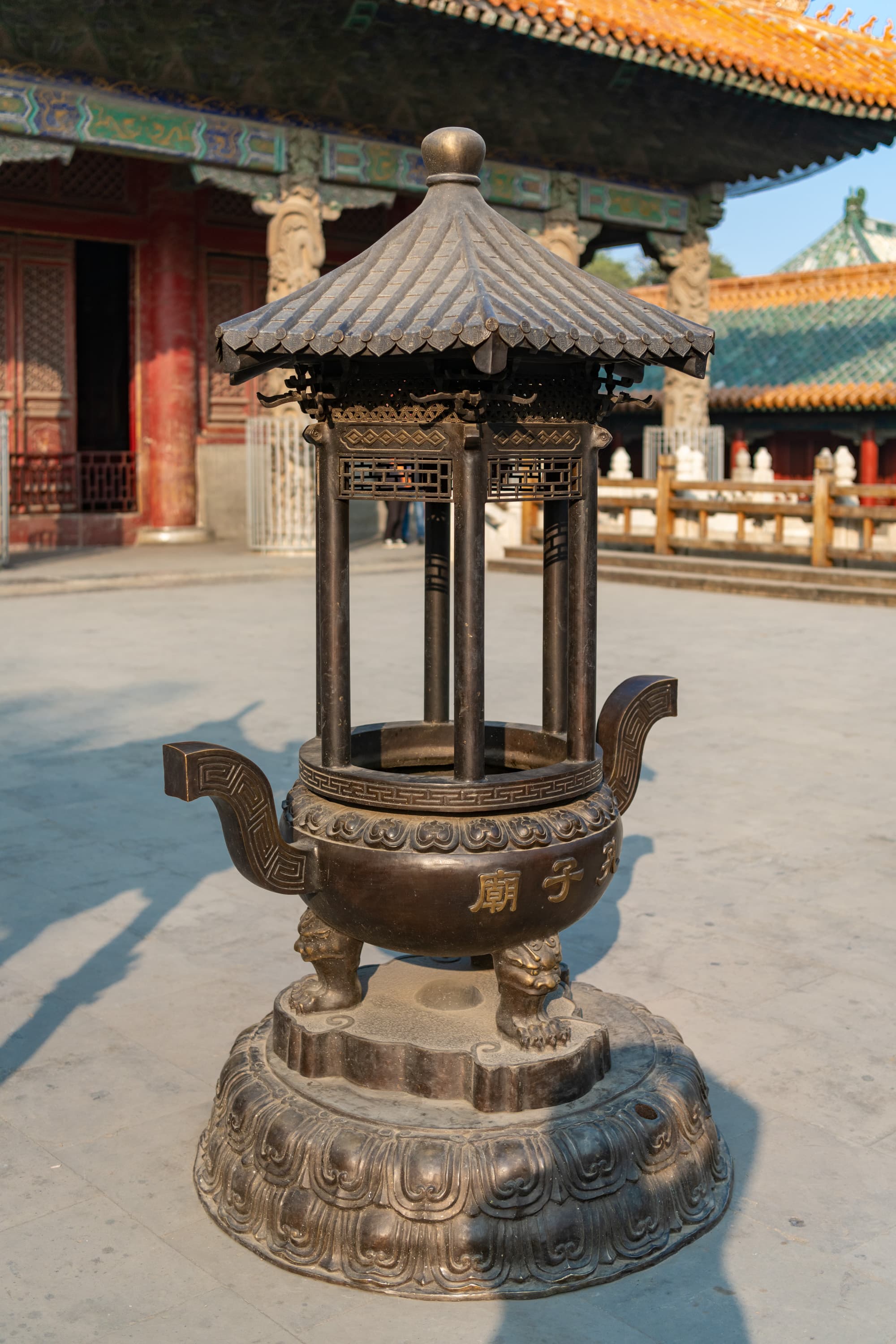
Qufu is one of the strongest Confucian sacred destinations in the world, not because of a single building, but because temple, cemetery, and family residence all preserve a ceremonial environment centered on Confucius and his descendants.
Visitor essentials
What stands out
Scope note
Keep in view
Keep the ensemble logic clear: Qufu matters as temple, cemetery, and ancestral residence together, not as one isolated monument.
At a glance
Before you visit
A major Confucian ceremonial ensemble where temple, cemetery, and family residence keep ritual memory and ancestral legitimacy in one place
Why it matters
UNESCO describes the Qufu property as the temple, cemetery, and family mansion of Confucius, emphasizing how the ensemble preserved ritual, ancestral memory, and the devotion of successive Chinese emperors over more than two millennia.
That matters here because Qufu is not simply a philosophical memorial site. It is a Confucian sacred environment where ceremonial order, ancestral legitimacy, and lineage continuity are all made spatially visible.
Respect notes
Visiting notes
Story and context
History and sacred context
UNESCO is especially useful here because it preserves Qufu as a full ceremonial and ancestral ensemble linked to Confucius rather than as a single temple page.
Qufu Wenbo Network is strong enough to anchor the ensemble directly because UNESCO links to it as the official site, and the live heritage portal explicitly frames the Three Confucian Sites as world heritage while linking to current Temple, Mansion, and Cemetery pages under the same cultural-heritage authority.
Sources
- Official websitePrimary visitor-facing site for current access and institutional context.
- UNESCO entryPrimary authority source for the Qufu ensemble as the major ritual and ancestral site linked to Confucius.
- Wikipedia entryWikipedia article for Confucian Sanctuaries of Qufu.
- Temple and Cemetery of Confucius and the Kong Family Mansion in Qufu (Q1038473)Entity anchor for the Confucian ceremonial and ancestral ensemble at Qufu.
- Confucianism (Q9581)Tradition anchor for the Confucian framing of the Qufu ensemble.
- Temple and Cemetery of Confucius and the Kong Family Mansion in Qufu (Property 704)Primary authority source for the Qufu ensemble as the major ritual and ancestral site linked to Confucius.
- Category:Temple and Cemetery of Confucius and the Kong Family Mansion in QufuVisual context for the temple, cemetery, and Kong family precincts at Qufu.
- 曲阜文博网Official Qufu cultural-heritage portal that presents the Three Confucian Sites as world heritage and links directly to the Temple of Confucius, Kong Family Mansion, and Cemetery of Confucius pages.
- Confucian Sanctuaries of QufuWikipedia article for Confucian Sanctuaries of Qufu.
Keep exploring