Tradition
Islam
Prayer, pilgrimage, teaching, charity, and sacred urban form are most meaningful when they remain visible together.
Quick explainer
How to use this tradition lens
This short explainer tells users what the tradition foregrounds, how it feels on the ground, and when that lens is most useful.
Core concepts
This page teaches the lens, then points to the places.
Islamic sacred travel on this site is strongest when it distinguishes between different kinds of devotionally important places. Selimiye and the Friday mosque of Isfahan show the power of congregational worship and sacred urban form, while Ardabil and the mausoleum of Khoja Ahmed Yasawi show how shrine and pilgrimage traditions reshape the experience.
That makes this tradition especially valuable for clear sacred-travel writing. It keeps prayer, teaching, charity, and shrine devotion legible instead of flattening every Islamic site into one generic monument category.
Places
Major places connected to Islam
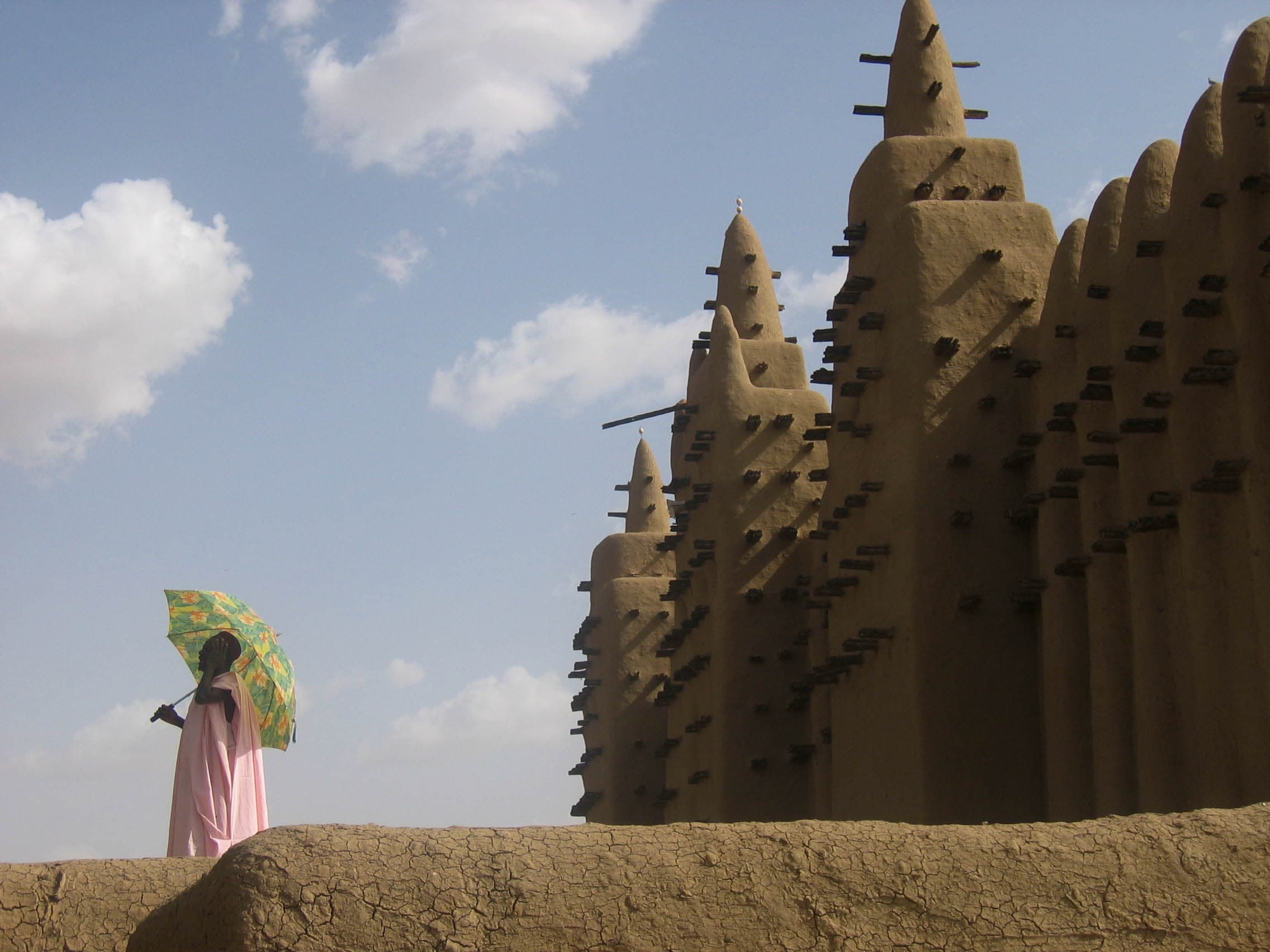
Great Mosque of Djenné
A monumental earthen mosque whose towers, buttresses, and annual care make sacred architecture feel inseparable from the life of the town around it.
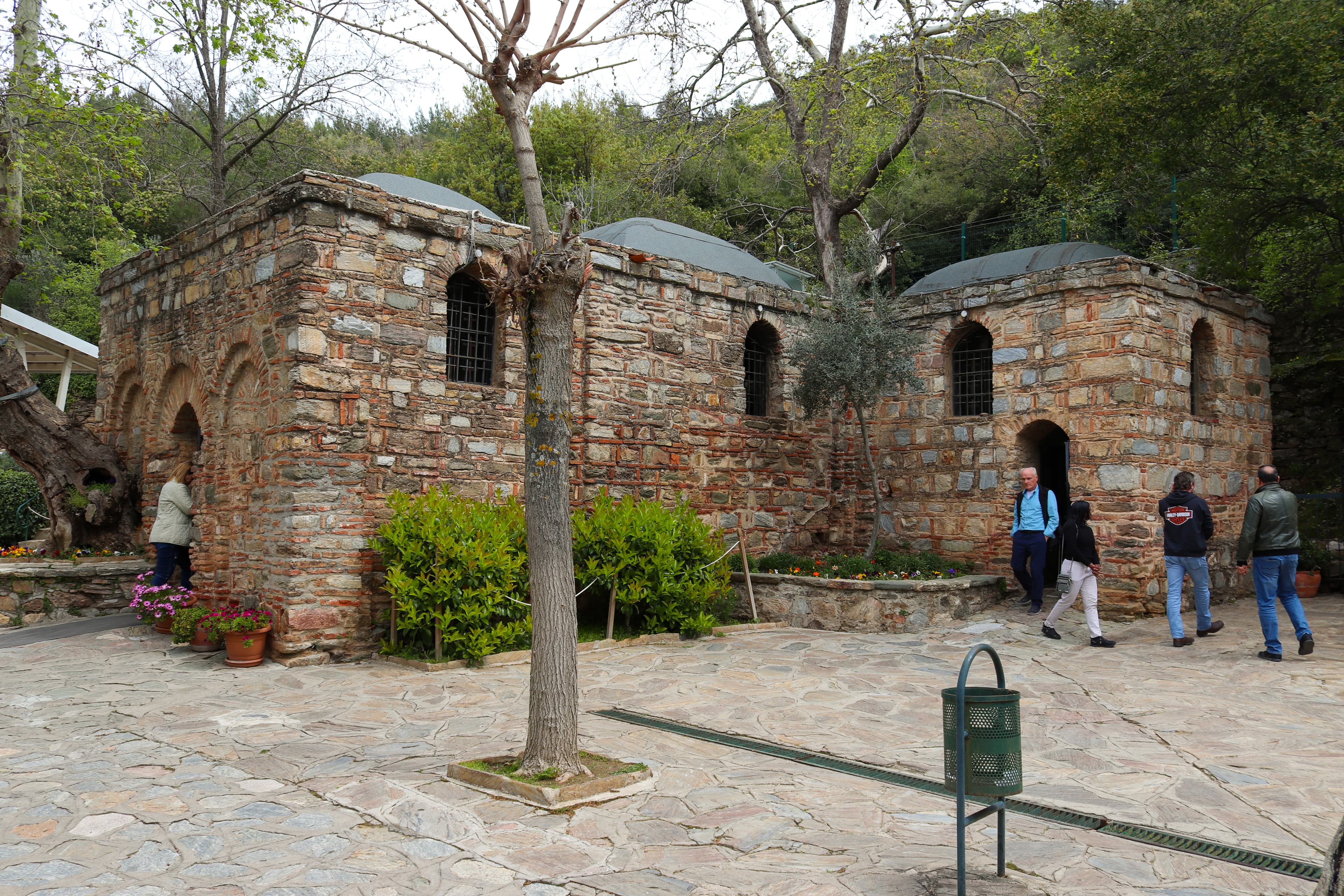
House of the Virgin Mary
A hillside shrine above Ephesus where Christian pilgrimage, August liturgy, and Muslim reverence still keep a small house alive as a major sacred destination.
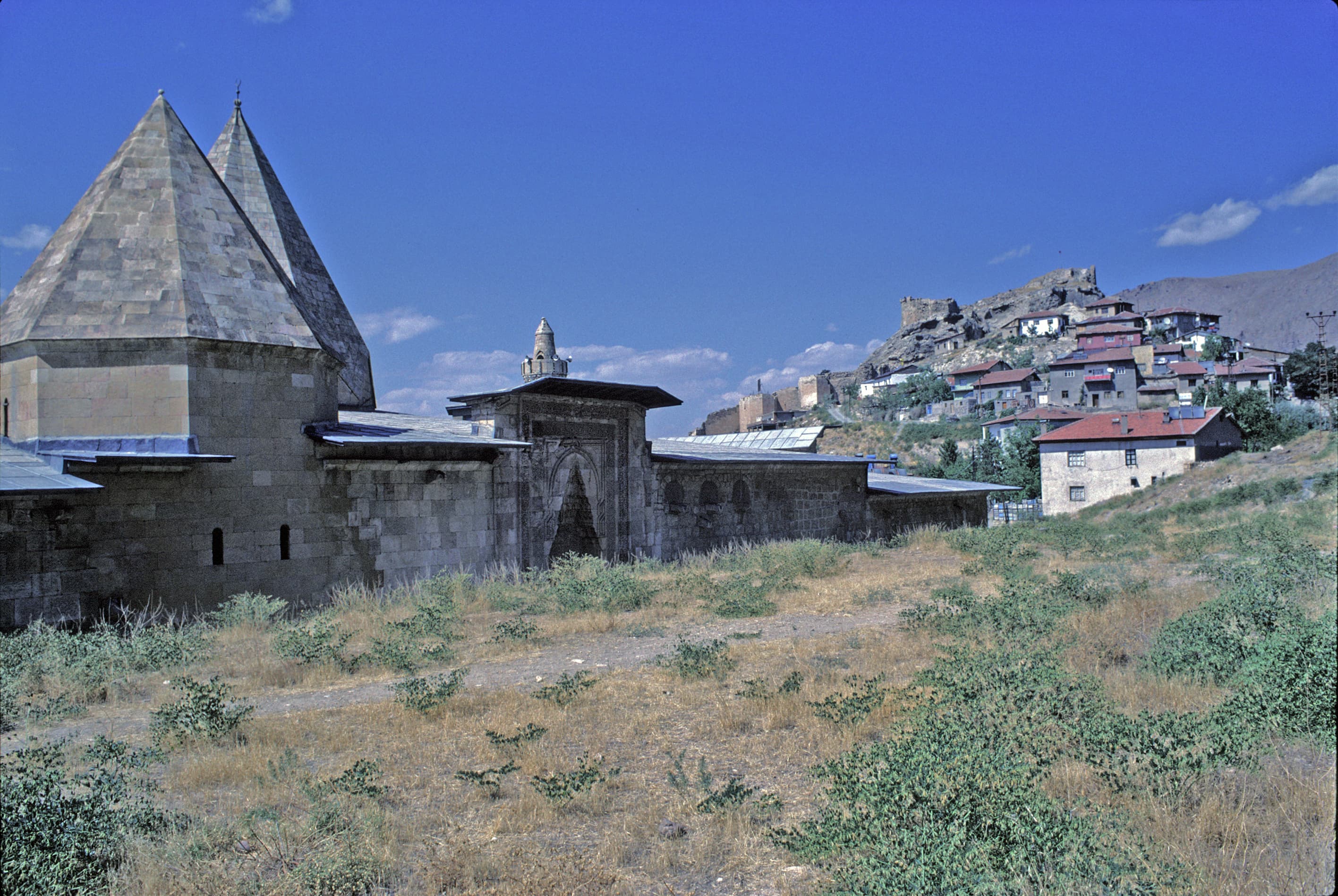
Divrigi Great Mosque and Hospital
A stone-carved mosque and adjoining hospital whose portals and vaults make sacred architecture feel almost sculpted from the mountain itself.
Sacred geographies
Where this tradition clusters most strongly right now
These region links turn the belief lens back into geography when the next step should be spatial rather than purely conceptual.
Patterns
Site-type lanes that recur across this tradition
This gives the tradition page a stronger browse structure than a single flat place list.
Respect and evidence
How this tradition page handles access, myth, and historical framing
Best by constraint
Use the tradition through practical constraints, not just belief labels
These shortcuts are the first pass at long-tail planning questions like mythology, archaeology, season, car-light access, and first-time fit.
FAQ
Questions this tradition hub should answer quickly
Keep exploring
Continue through the regions and place clusters that express this tradition
Links
Reference links and sources
Direct reference links for this entry, with supporting source material below.
- UNESCO entryAuthority source for Selimiye as an Ottoman kulliye centered on a mosque.
- Wikipedia entryWikipedia article for Islam.
- Islam (Q432)Tradition anchor for Islam as a major Abrahamic religion.
- Selimiye Mosque and its Social Complex (Property 1366)Authority source for Selimiye as an Ottoman kulliye centered on a mosque.
- Great Mosque and Hospital of Divrigi (Property 358)Authority source for Divrigi as a mosque joined to a charitable hospital foundation.
- Masjed-e Jame of Isfahan (Property 1397)Authority source for the Friday mosque of Isfahan as a major reference point for later Islamic architecture.
- Sheikh Safi al-din Khanegah and Shrine Ensemble in Ardabil (Property 1345)Authority source for Ardabil as a Sufi shrine and pilgrimage complex.
- Mausoleum of Khoja Ahmed Yasawi (Property 1103)Authority source for the Timurid mausoleum of the Sufi master Khoja Ahmed Yasawi.
- IslamWikipedia article for Islam.