Tradition
Indigenous traditions
Living cultural authority, land relationships, ancestral continuity, and site-specific restrictions matter more here than ordinary travel framing.
Quick explainer
How to use this tradition lens
This short explainer tells users what the tradition foregrounds, how it feels on the ground, and when that lens is most useful.
Core concepts
This page teaches the lens, then points to the places.
Uluru and Taos Pueblo show two of the clearest living examples in this tradition because UNESCO and official custodial framing keep cultural authority, land relationship, and community continuity visible rather than reducing the place to scenery or heritage display.
Indigenous traditions require stronger editorial discipline than almost any other category: visitor boundaries, cultural authority, restricted behaviors, and the difference between living communities and archaeological sites have to be visible before trip-convenience language appears.
Places
Major places connected to Indigenous traditions
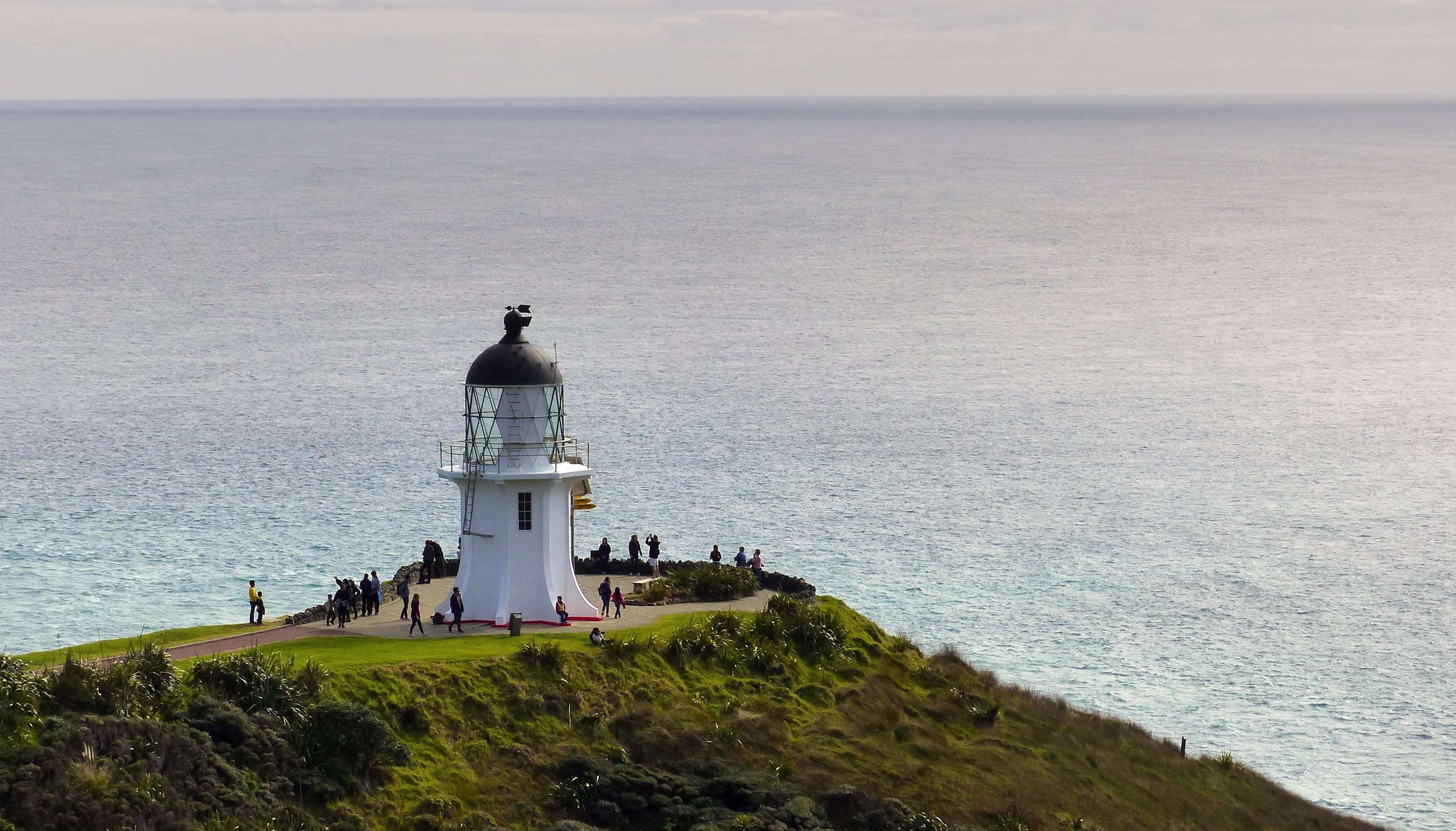
Te Reinga / Cape Reinga
A northern headland of exceptional Maori spiritual significance where the coast, pohutukawa tree, and tikanga are as central as the landmark itself.
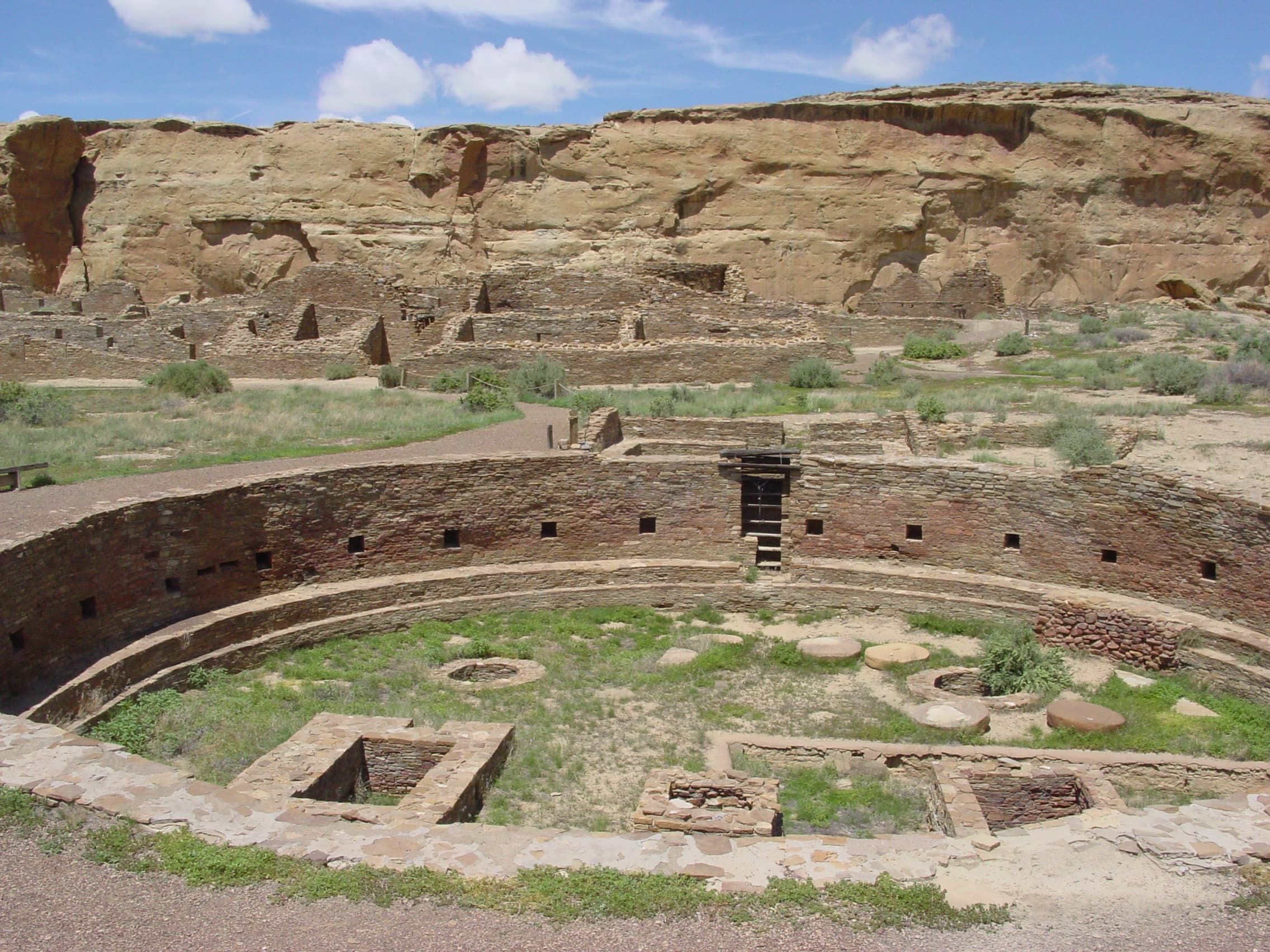
Chaco Culture
An ancestral Pueblo ceremonial landscape where great houses, kivas, roads, and desert setting still form one cultural system.
Sacred geographies
Where this tradition clusters most strongly right now
These region links turn the belief lens back into geography when the next step should be spatial rather than purely conceptual.
Patterns
Site-type lanes that recur across this tradition
This gives the tradition page a stronger browse structure than a single flat place list.
Respect and evidence
How this tradition page handles access, myth, and historical framing
Best by constraint
Use the tradition through practical constraints, not just belief labels
These shortcuts are the first pass at long-tail planning questions like mythology, archaeology, season, car-light access, and first-time fit.
FAQ
Questions this tradition hub should answer quickly
Keep exploring
Continue through the regions and place clusters that express this tradition
Links
Reference links and sources
Direct reference links for this entry, with supporting source material below.
- UNESCO entryAuthority source for the park’s cultural landscape significance.
- Wikipedia entryWikipedia article for Uluru.
- World heritage | Uluṟu-Kata Tjuṯa National ParkOfficial source for the park’s cultural and natural world-heritage framing.
- Uluru-Kata Tjuta National Park (Property 447)Authority source for the park’s cultural landscape significance.
- Uluṟu climb closureOfficial explanation of the climb closure and its cultural context.
- Opening hours | Uluṟu-Kata Tjuṯa National ParkOfficial practical access guidance for visitors.
- Uluru (Q33910)Entity anchor for Uluru as a named landform.
- Taos Pueblo (Property 492)Authority source for Taos Pueblo as a living Indigenous settlement and ceremonial community.
- Chaco Culture (Property 353)Authority source for Chaco Culture as an ancestral Pueblo ceremonial landscape.
- Taos Pueblo (Q252814)Entity anchor for the ancient Tiwa pueblo complex at Taos Pueblo.
- UluruWikipedia article for Uluru.