Region
Southwest United States
A region where ancestral ceremonial landscapes, living Indigenous communities, desert scale, and modern spiritual travel all require careful framing.
Quick explainer
How to use this regional lens
This short explainer tells users what makes the region distinct, who it suits, and how to move through it.
Regional character
A sacred geography with its own travel rhythm
The Southwest is especially strong because it holds very different sacred registers together: Chaco Culture preserves an ancestral ceremonial landscape, Taos Pueblo remains a living Indigenous community, Mesa Verde protects a vast Ancestral Puebloan settlement landscape, and Sedona shows how modern spiritual travel can gather around landforms in the same broad region.
That gives the region a distinct tone: more emphasis on cultural framing, land care, and pacing, and less reliance on simple attraction copy or one-size-fits-all sacred language.
Featured places
Sacred places in Southwest United States

San Antonio Missions
A river mission landscape where churches, compounds, acequias, and active parishes still hold together one Catholic sacred world across San Antonio.

Mission Concepcion
A living parish mission where one of the oldest stone churches in the United States still holds worship inside a larger colonial mission landscape.
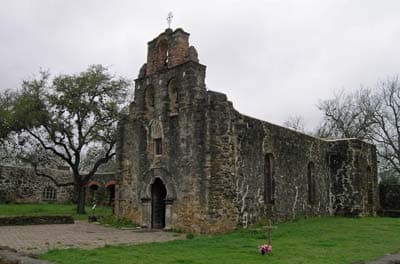
Mission San Francisco de la Espada
The southernmost San Antonio mission, where an active Catholic parish still holds worship inside a mission landscape marked by fields, acequias, and church continuity.

Mission San Jose y San Miguel de Aguayo
The largest San Antonio mission, where church, compound, and active parish life still gather into one Catholic sacred landscape.

Mission San Juan Capistrano
A quieter San Antonio mission where active parish life and a more rural setting keep the church grounded in neighborhood devotion.
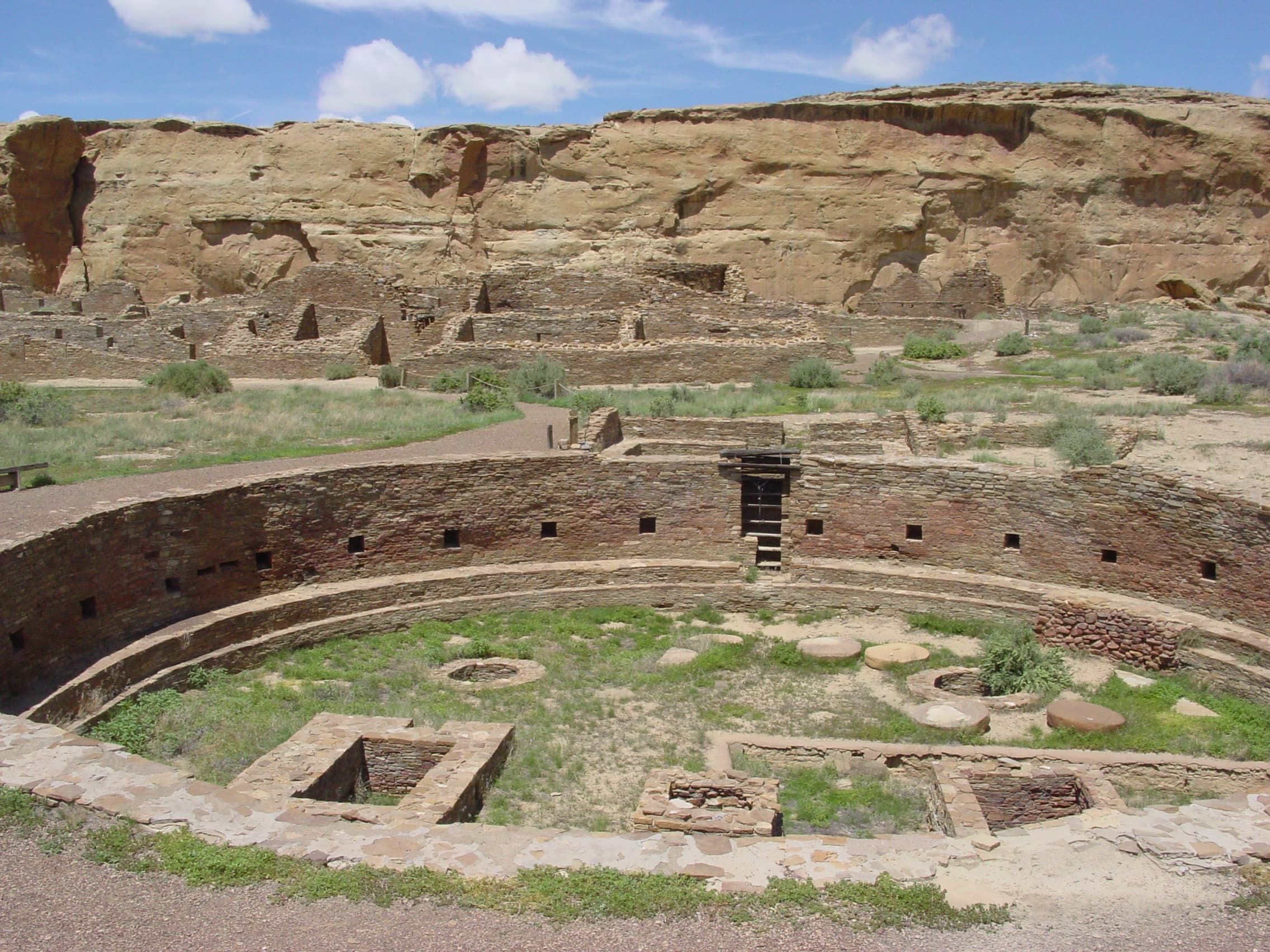
Chaco Culture
An ancestral Pueblo ceremonial landscape where great houses, kivas, roads, and desert setting still form one cultural system.
Lesser-known places
Keep the region broader than the headline anchors
These pages widen the regional field beyond the most obvious route stops.
Planning signals
Seasonality, access, and site-type patterns
These quick signals make the regional planning shape explicit without forcing a full itinerary yet.
Best by constraint
Use the region through practical constraints, not just one flat place list
These shortcuts are the first pass at long-tail planning questions like mythology, archaeology, season, car-light access, and first-time fit.
FAQ
Questions this regional hub should answer quickly
Keep exploring
Continue through the strongest relationships inside this region
Links
Reference links and sources
Direct reference links for this entry, with supporting source material below.
- UNESCO entryAuthority source for the ancestral Pueblo ceremonial landscape preserved in Chaco Culture.
- Wikipedia entryWikipedia article for Sedona.
- What Is A Vortex? | Visit SedonaLocal destination framing for Sedona’s vortex culture.
- Crescent Moon Ranch/Red Rock Crossing | Visit SedonaLocal guide to Red Rock Crossing and Crescent Moon Ranch.
- Cathedral Rock Trail No. 170 | Coconino National ForestOfficial trail and access information for the Sedona landscape.
- Sedona (Q80041)Entity anchor for Sedona.
- Cathedral Rock (Q5052274)Entity anchor for the iconic adjacent landform.
- Chaco Culture (Property 353)Authority source for the ancestral Pueblo ceremonial landscape preserved in Chaco Culture.
- Taos Pueblo (Property 492)Authority source for Taos Pueblo as a living Indigenous community and ceremonial settlement.
- Mesa Verde National Park (Property 27)Authority source for the ancestral Pueblo settlement landscape at Mesa Verde.
- SedonaWikipedia article for Sedona.