Tradition
Ethiopian Orthodox Christianity
Pilgrimage, liturgy, and carved sacred space define this tradition more clearly than detached architectural viewing.
Quick explainer
How to use this tradition lens
This short explainer tells users what the tradition foregrounds, how it feels on the ground, and when that lens is most useful.
Core concepts
This page teaches the lens, then points to the places.
Lalibela shows why this tradition deserves its own lens: the churches are celebrated worldwide for their monolithic architecture, yet UNESCO and the Ethiopian Orthodox reference frame both make clear that their living religious function is still central.
That means pages in this tradition should lead with prayer, pilgrimage, and sacred continuity before they talk about design or tourism.
Places
Major places connected to Ethiopian Orthodox Christianity
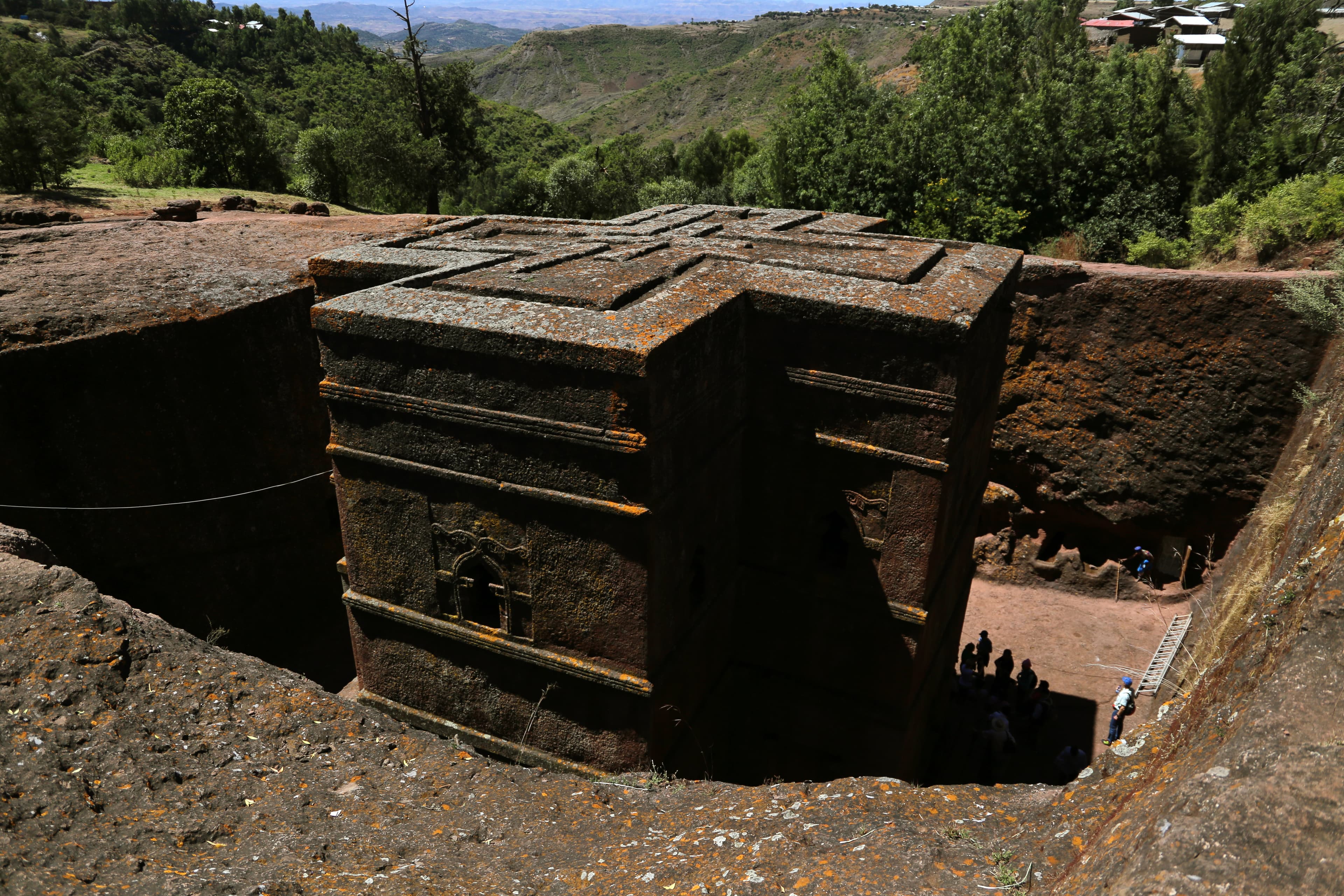
Rock-Hewn Churches of Lalibela
An extraordinary pilgrimage site where carved architecture and living liturgy remain inseparable.
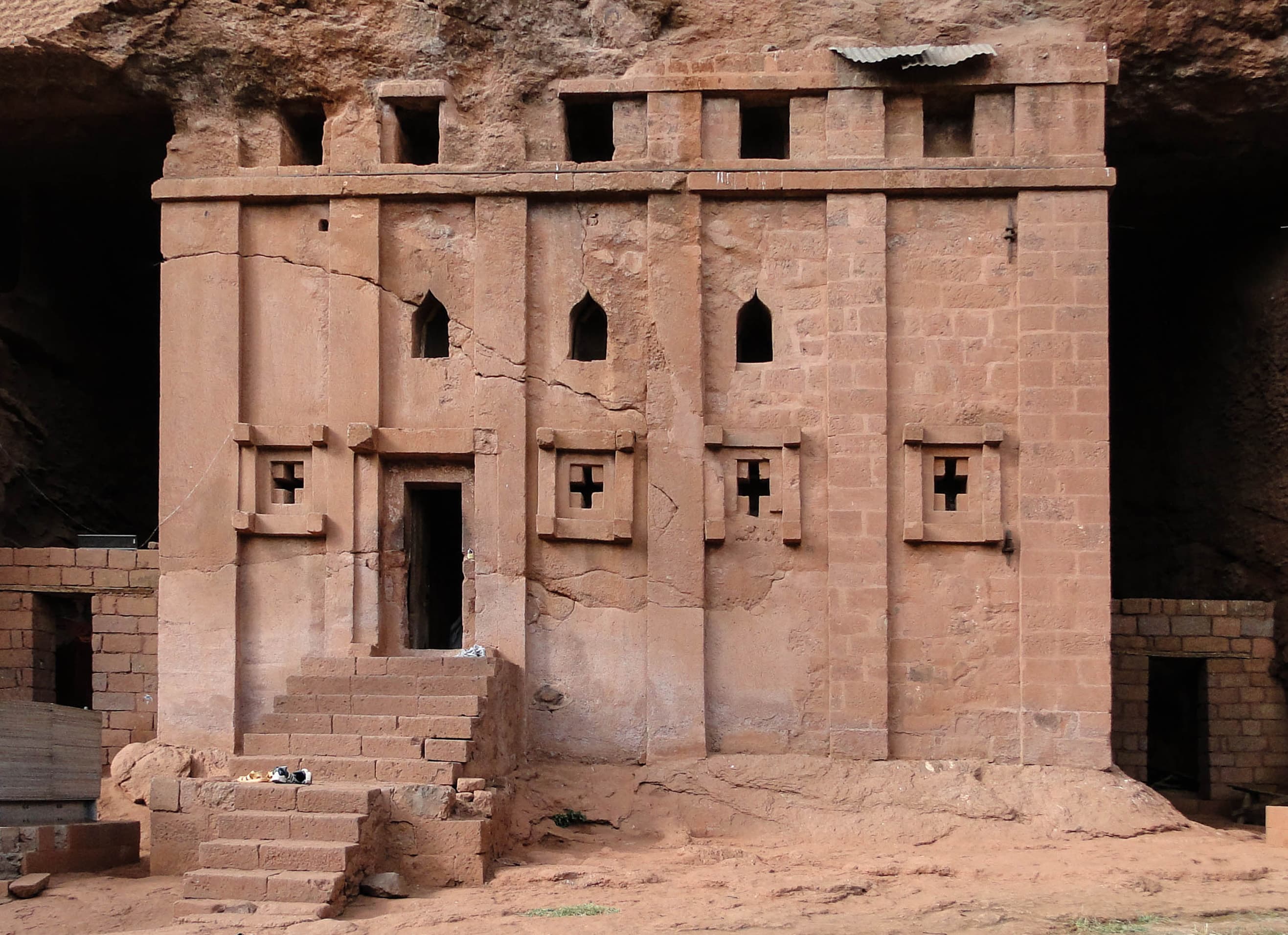
Bete Abba Libanos
A Lalibela church whose carved setting still feels inseparable from the devotional movement around it.
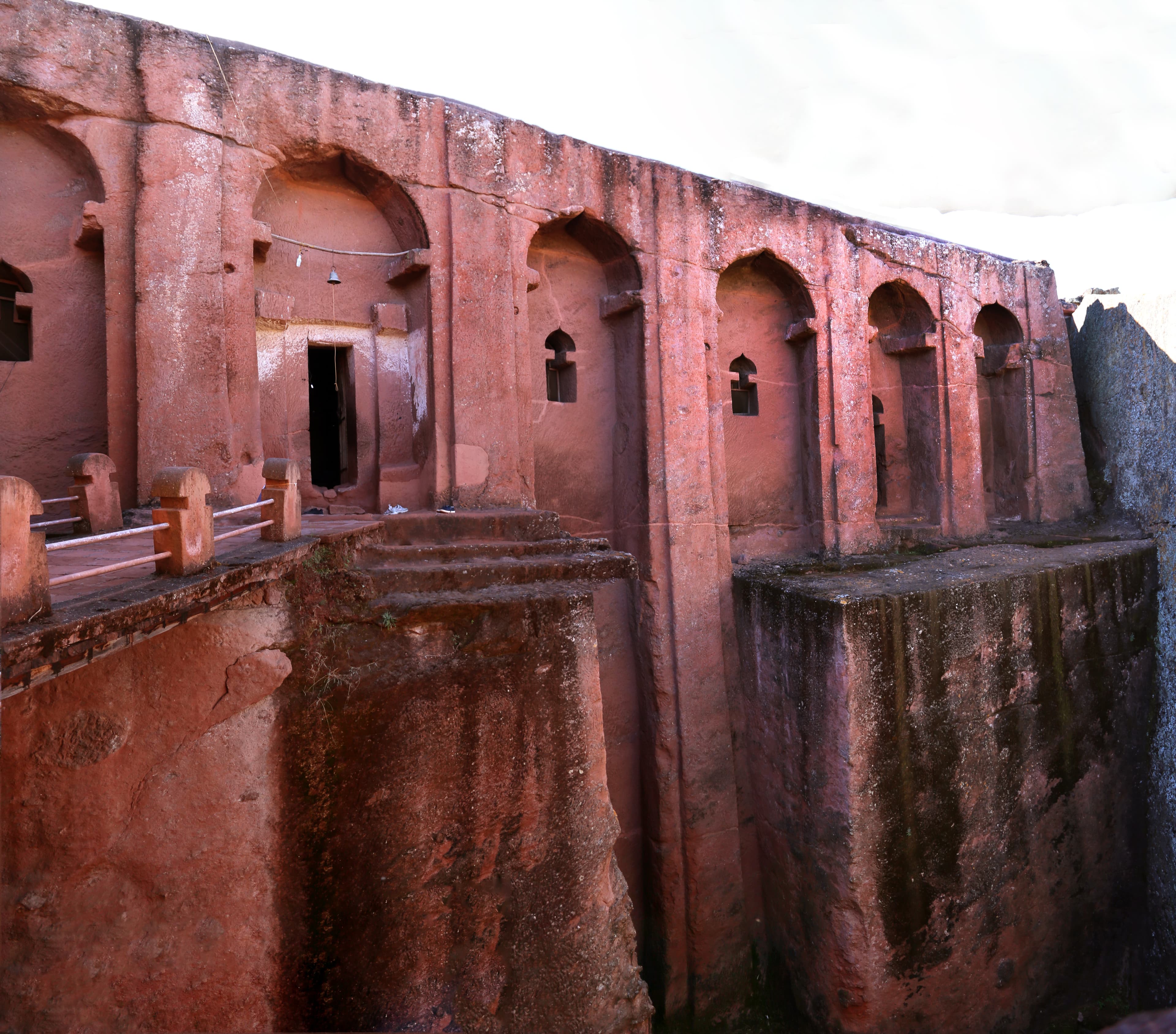
Bete Gebriel-Rufael
A Lalibela component church whose meaning is strongest when held inside the ensemble rather than explained too confidently on its own.
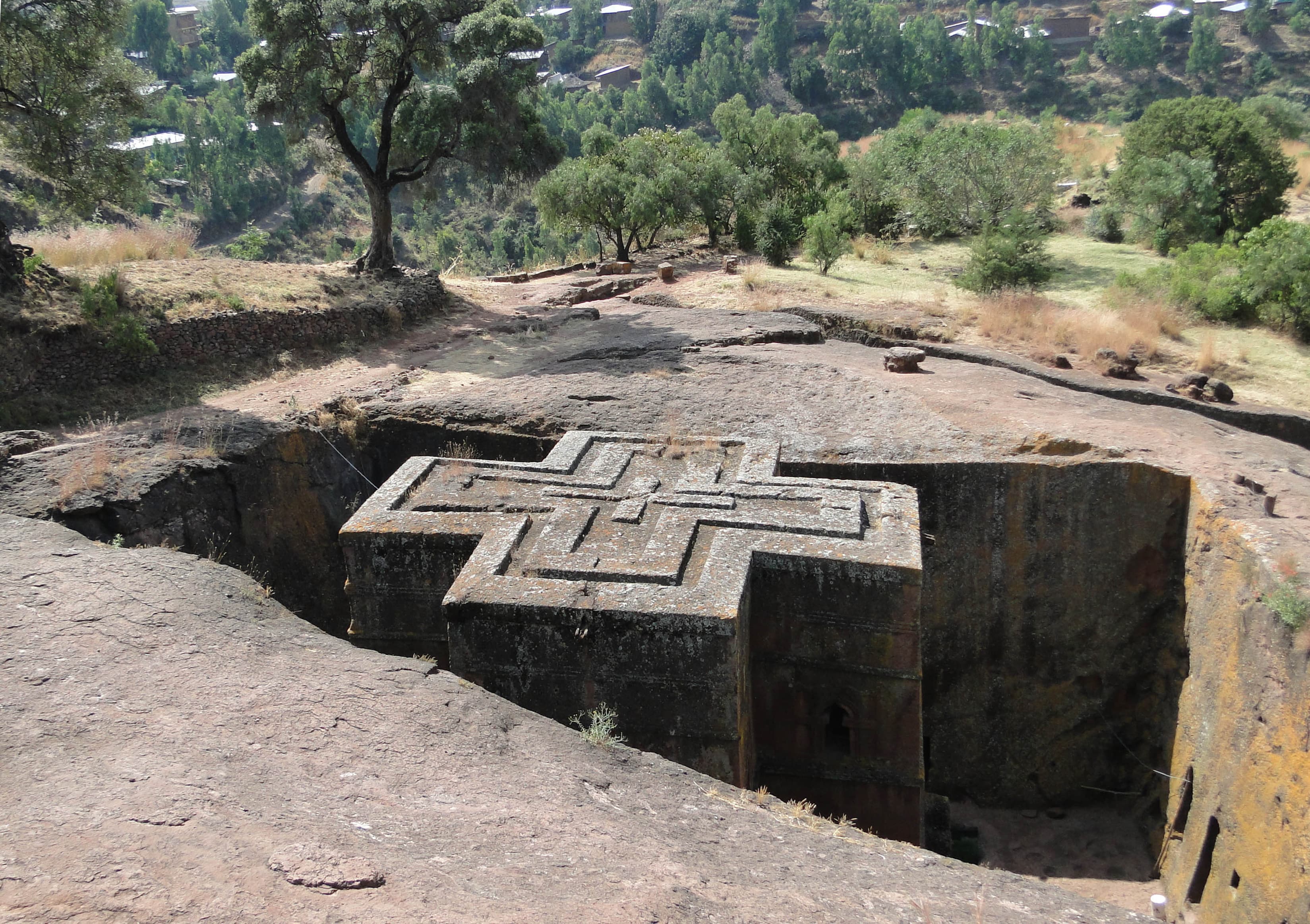
Bete Giyorgis
Lalibela's best-known rock-hewn church, understood best as part of a living pilgrimage complex rather than as an isolated icon.
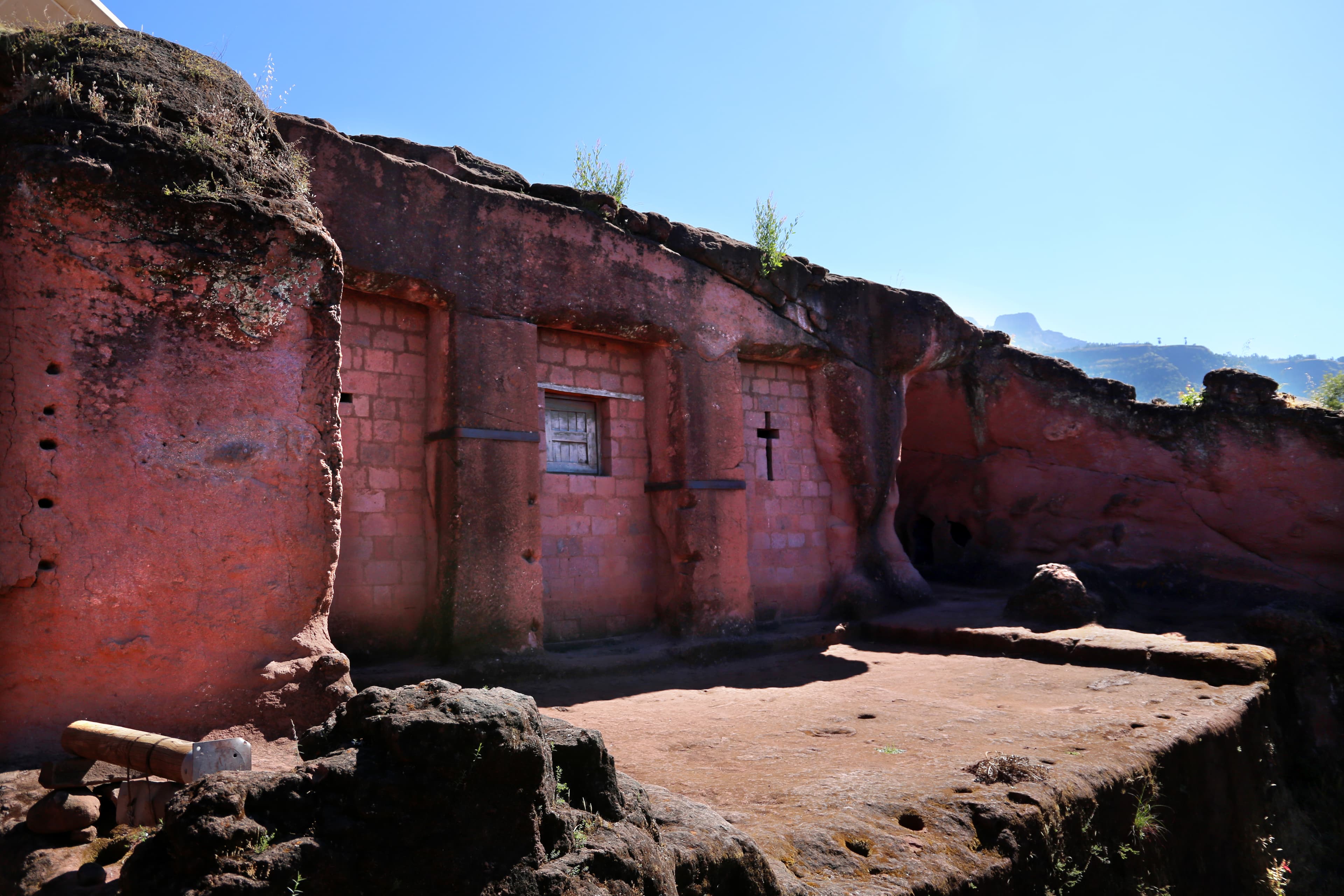
Bete Merqorewos
An underground Lalibela church that is strongest when read as part of a lived sacred labyrinth rather than a detached chamber.
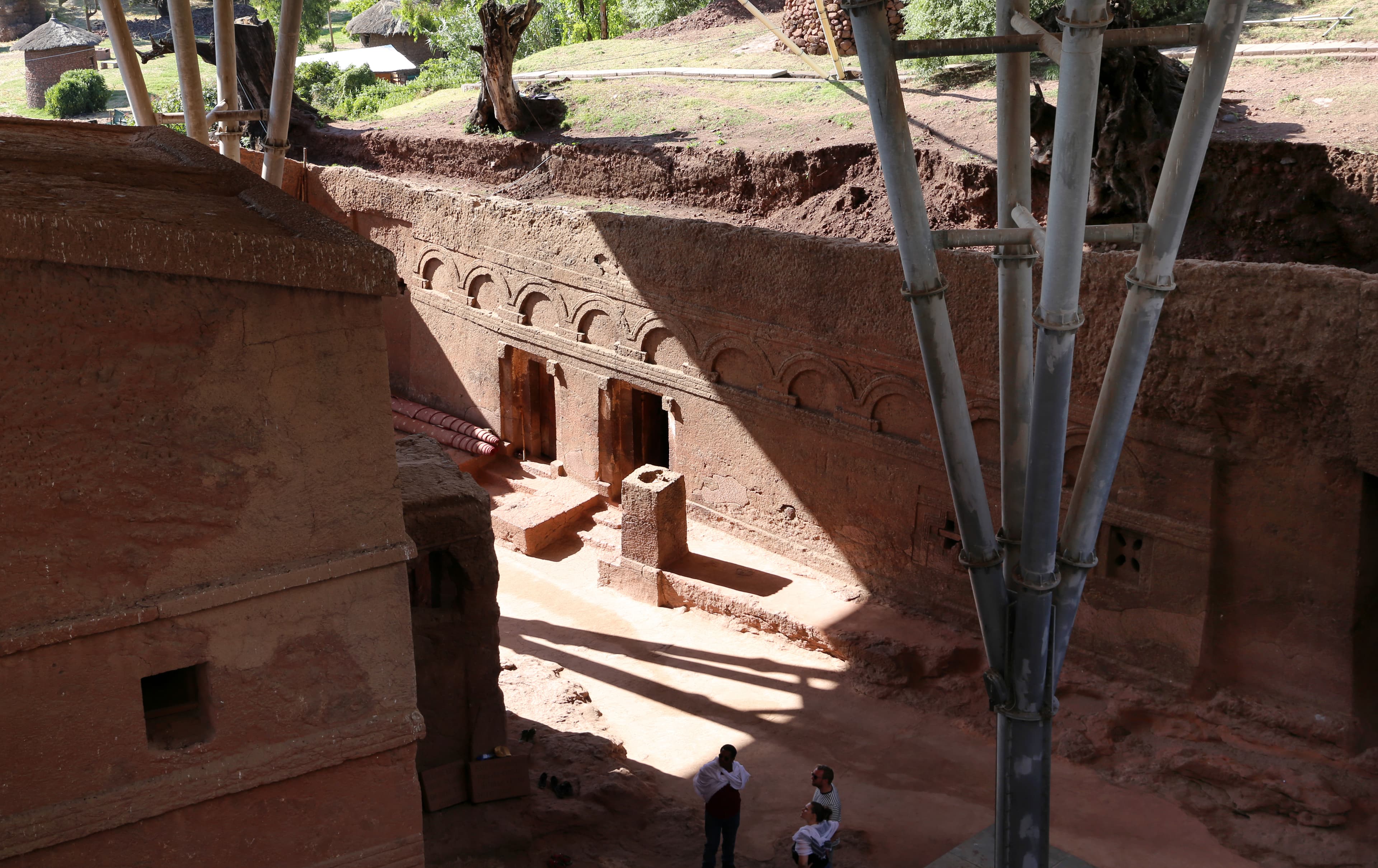
Bete Meskel
A Lalibela church whose presence is clearest when approached as part of the ensemble's living rhythm rather than as a separate relic.
Lesser-known places
Keep the tradition broader than the headline anchors
These pages widen the tradition lens beyond the strongest-known flagship places.
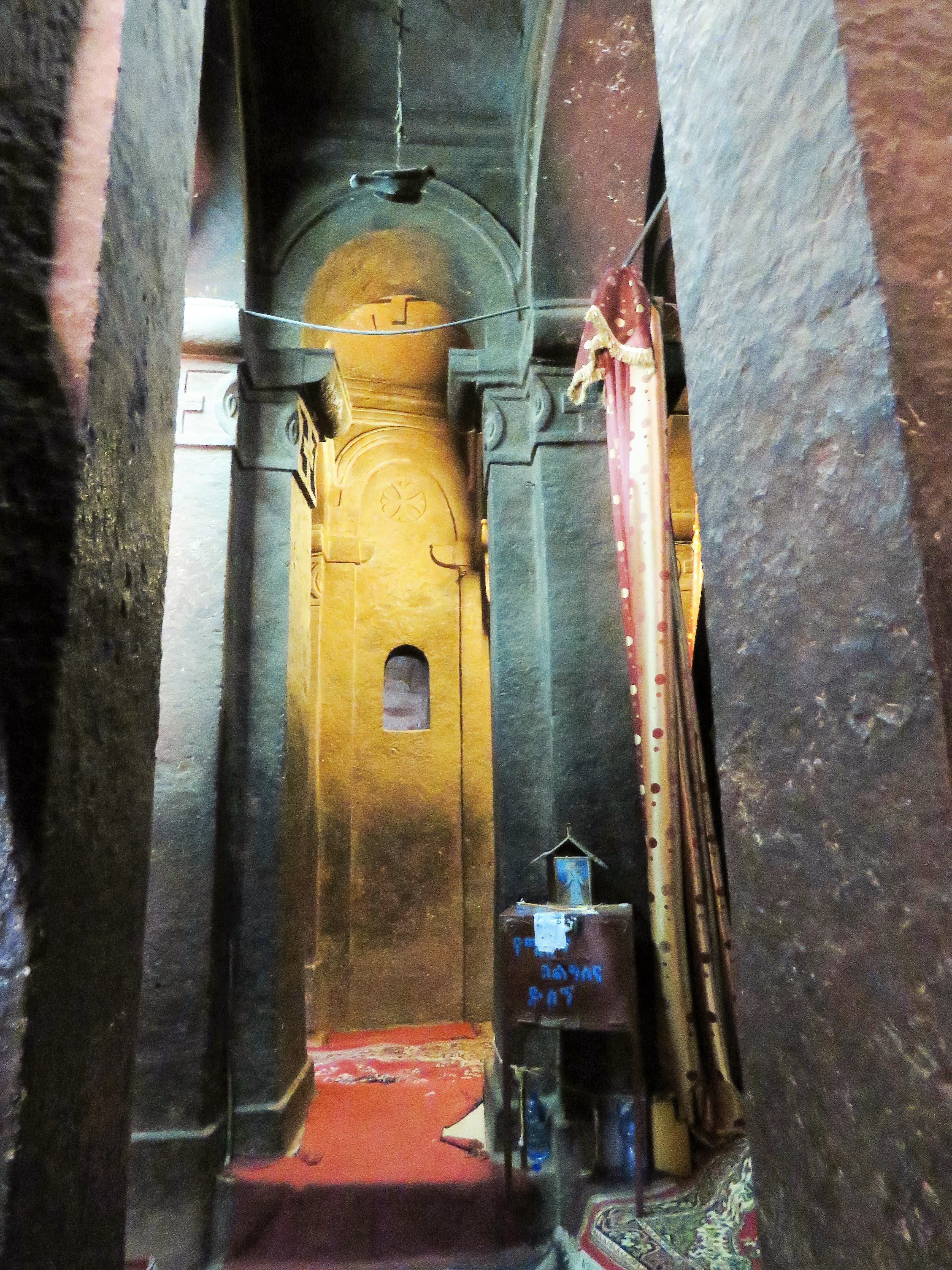
Biet Mikael
A Lalibela church whose identity is clearest inside a shared carved sacred cluster rather than as a stand-alone monument.
.jpg&w=3840&q=75)
Biete Abba Libanos
A church in Lalibela's living pilgrimage ensemble where its semi-freed mass and surrounding court make the southeastern cluster feel more varied and physically legible.
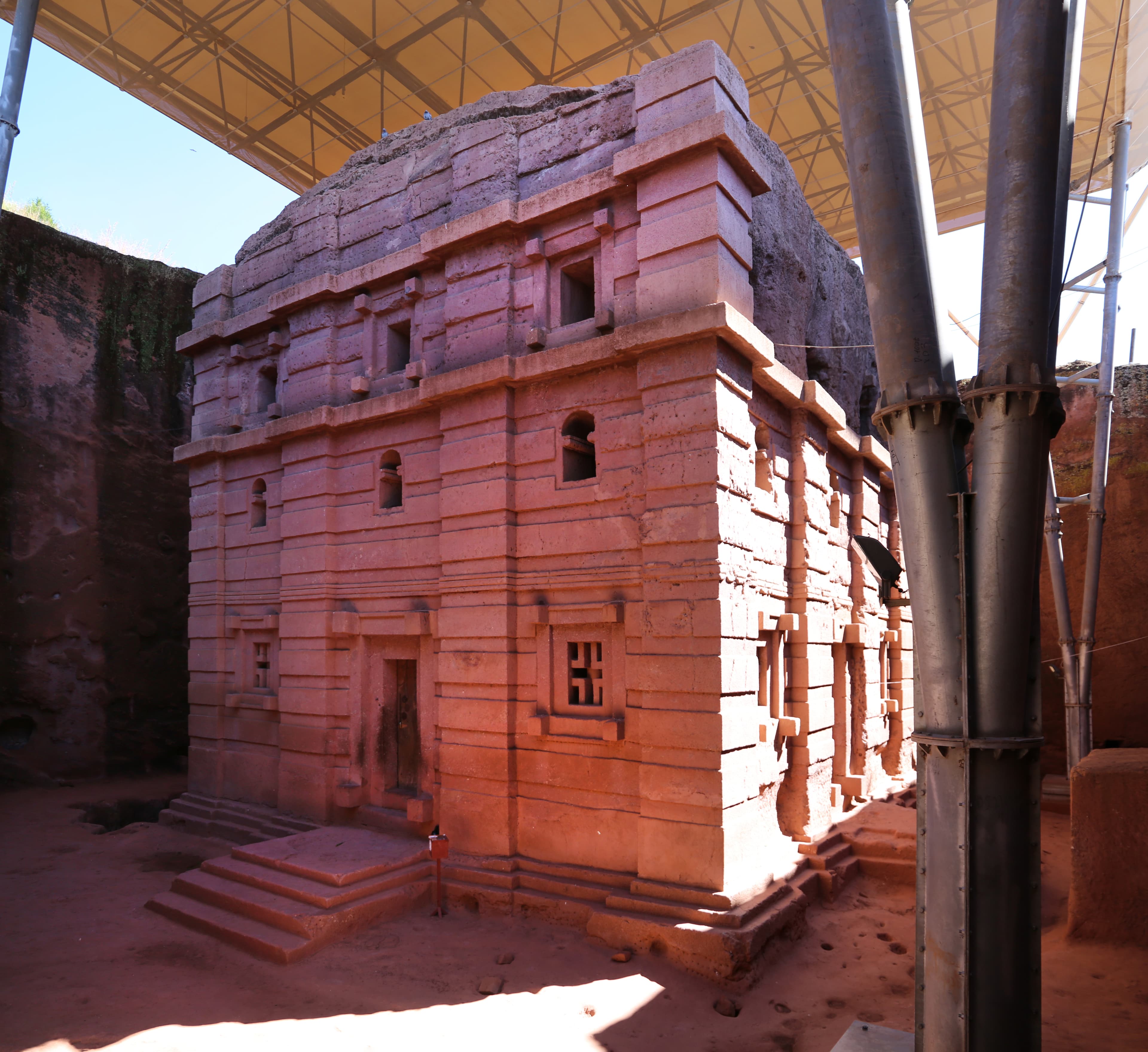
Biete Amanuel
A sharply cut monolithic church whose stone geometry gains meaning only inside Lalibela's living sacred ensemble.
Sacred geographies
Where this tradition clusters most strongly right now
These region links turn the belief lens back into geography when the next step should be spatial rather than purely conceptual.
Patterns
Site-type lanes that recur across this tradition
This gives the tradition page a stronger browse structure than a single flat place list.
Respect and evidence
How this tradition page handles access, myth, and historical framing
Best by constraint
Use the tradition through practical constraints, not just belief labels
These shortcuts are the first pass at long-tail planning questions like mythology, archaeology, season, car-light access, and first-time fit.
FAQ
Questions this tradition hub should answer quickly
Keep exploring
Continue through the regions and place clusters that express this tradition
Links
Reference links and sources
Direct reference links for this entry, with supporting source material below.
- UNESCO entryAuthority source for Lalibela as a living pilgrimage site.
- Wikipedia entryWikipedia article for Ethiopian Orthodox Tewahedo Church.
- Ethiopian Orthodox Tewahedo Church (Q179829)Tradition anchor for Ethiopian Orthodox Christianity.
- Rock-Hewn Churches, Lalibela (Property 18)Authority source for Lalibela as a living pilgrimage site.
- Category:Rock-hewn churches in LalibelaVisual context for the carved church ensemble and surrounding landscape.
- Ethiopian Orthodox Tewahedo ChurchWikipedia article for Ethiopian Orthodox Tewahedo Church.