Region
Horn of Africa
A highland sacred region where pilgrimage, monastic Christianity, and carved architecture remain closely tied to living ritual life.
Quick explainer
How to use this regional lens
This short explainer tells users what makes the region distinct, who it suits, and how to move through it.
Regional character
A sacred geography with its own travel rhythm
The Horn of Africa belongs in this project because it combines dramatic geography with one of the world's strongest continuities of Christian pilgrimage, visible above all in Lalibela's rock-hewn churches.
This is a region where architecture and worship are hard to separate: the churches are not simply medieval monuments, but part of a devotional landscape still animated by clergy, pilgrims, and feast calendars.
Featured places
Sacred places in Horn of Africa
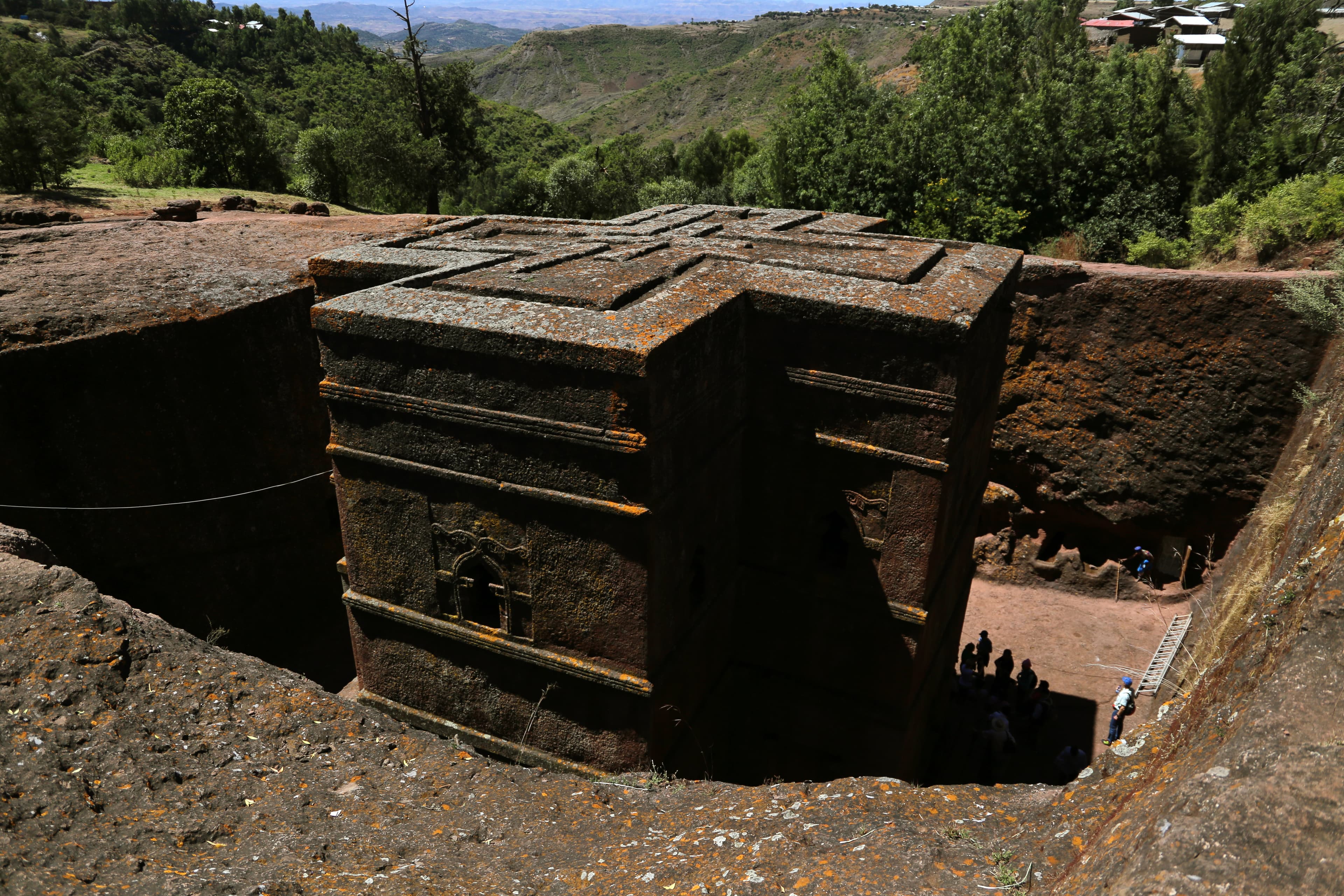
Rock-Hewn Churches of Lalibela
An extraordinary pilgrimage site where carved architecture and living liturgy remain inseparable.
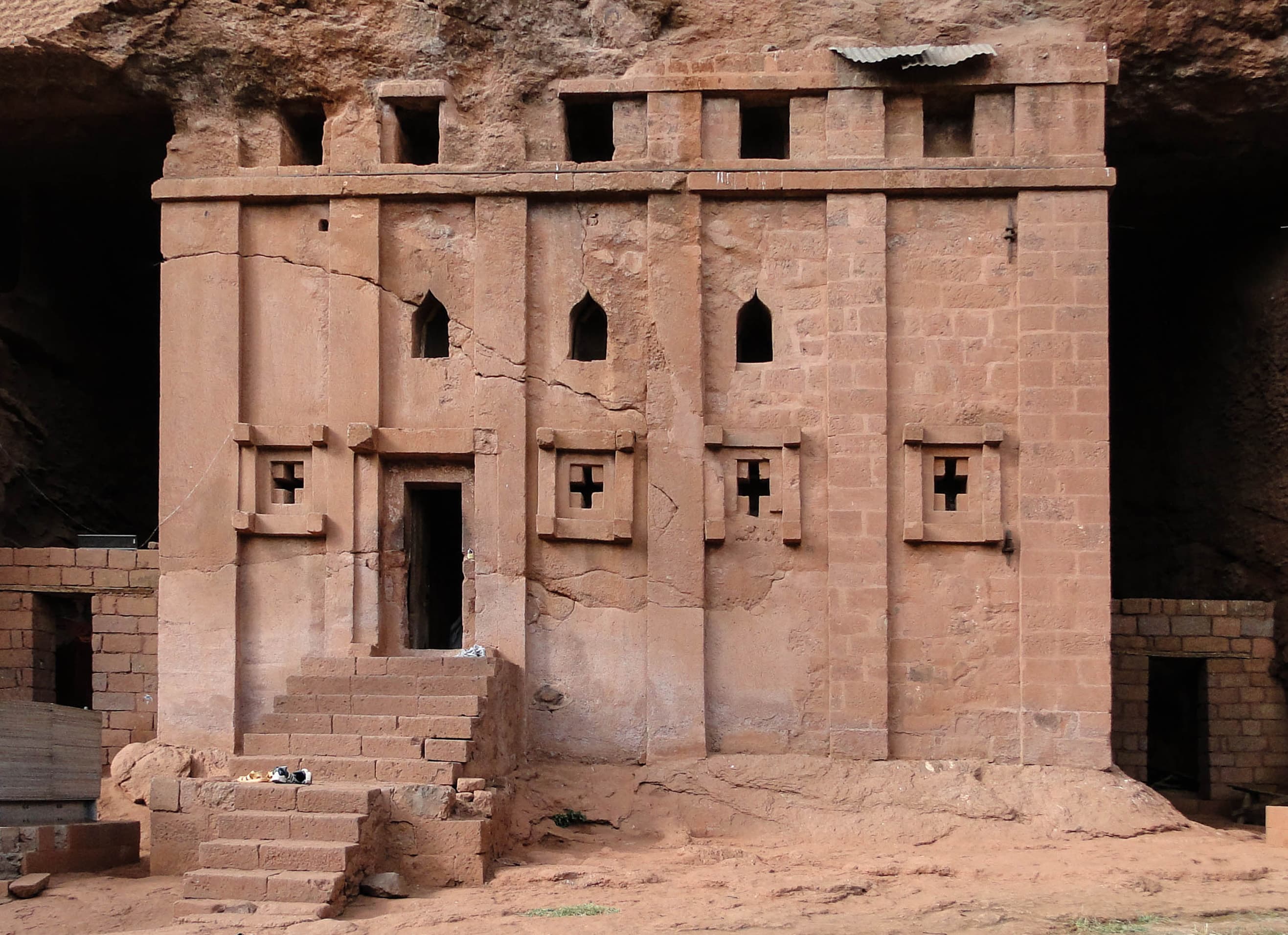
Bete Abba Libanos
A Lalibela church whose carved setting still feels inseparable from the devotional movement around it.
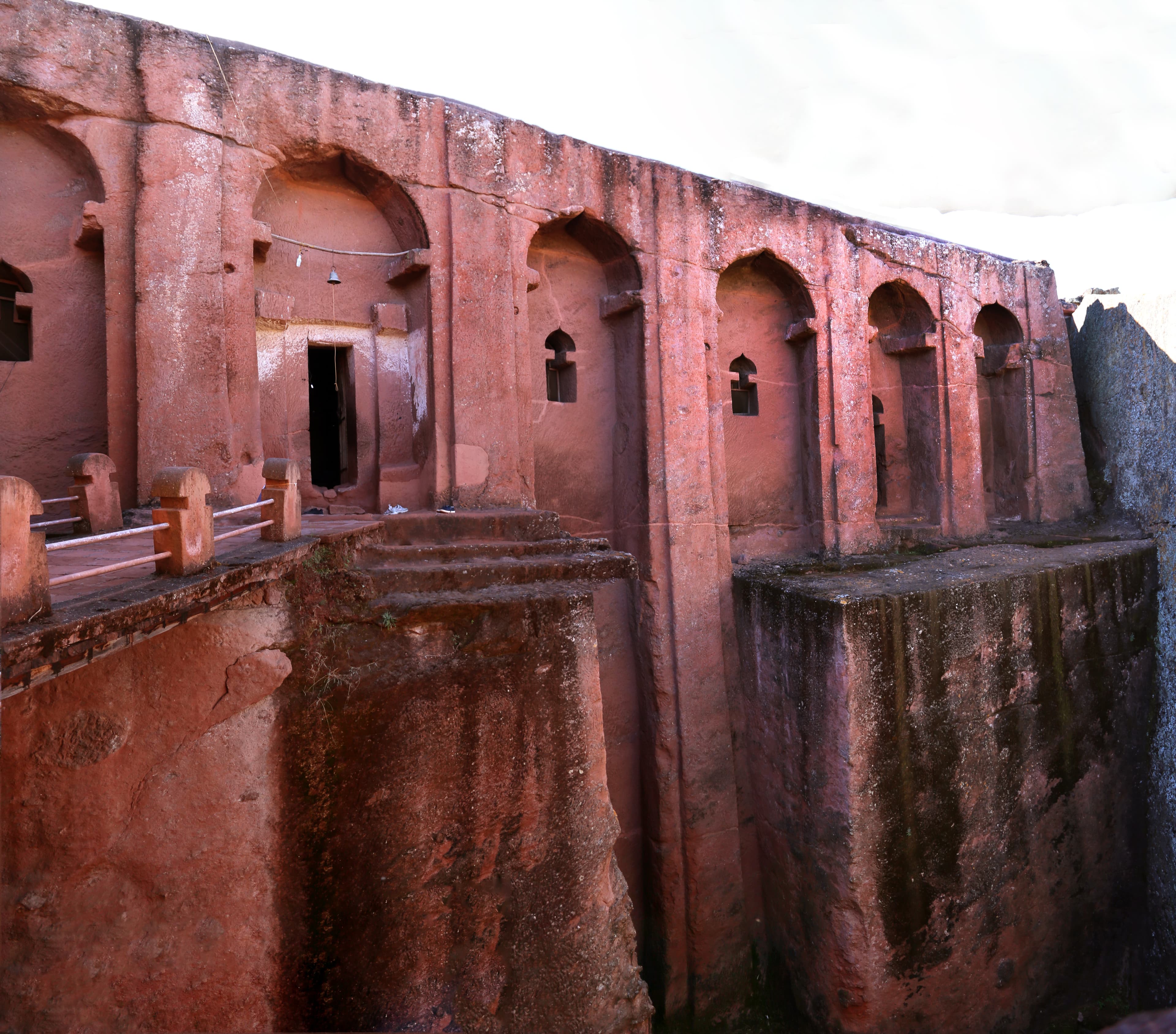
Bete Gebriel-Rufael
A Lalibela component church whose meaning is strongest when held inside the ensemble rather than explained too confidently on its own.
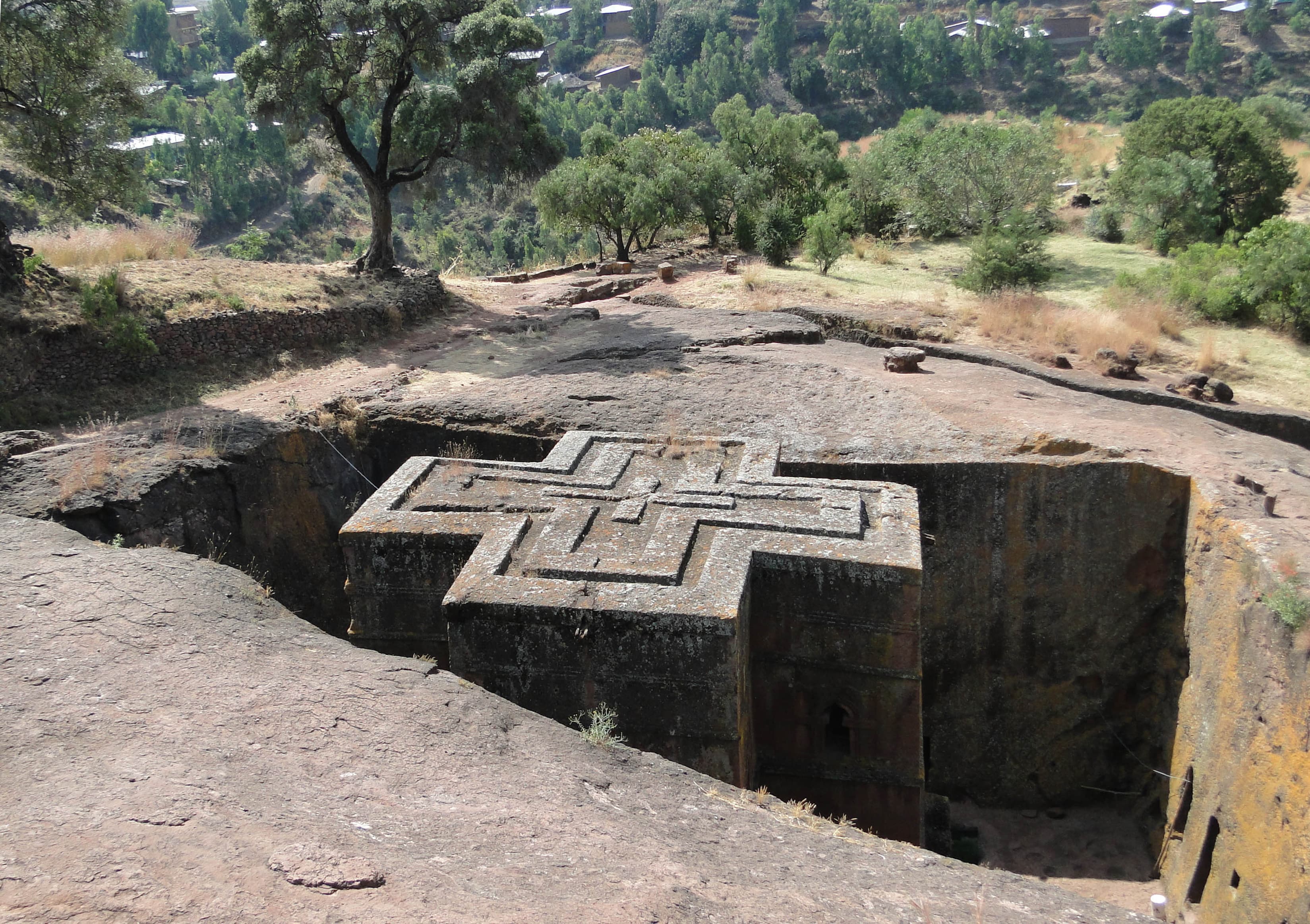
Bete Giyorgis
Lalibela's best-known rock-hewn church, understood best as part of a living pilgrimage complex rather than as an isolated icon.
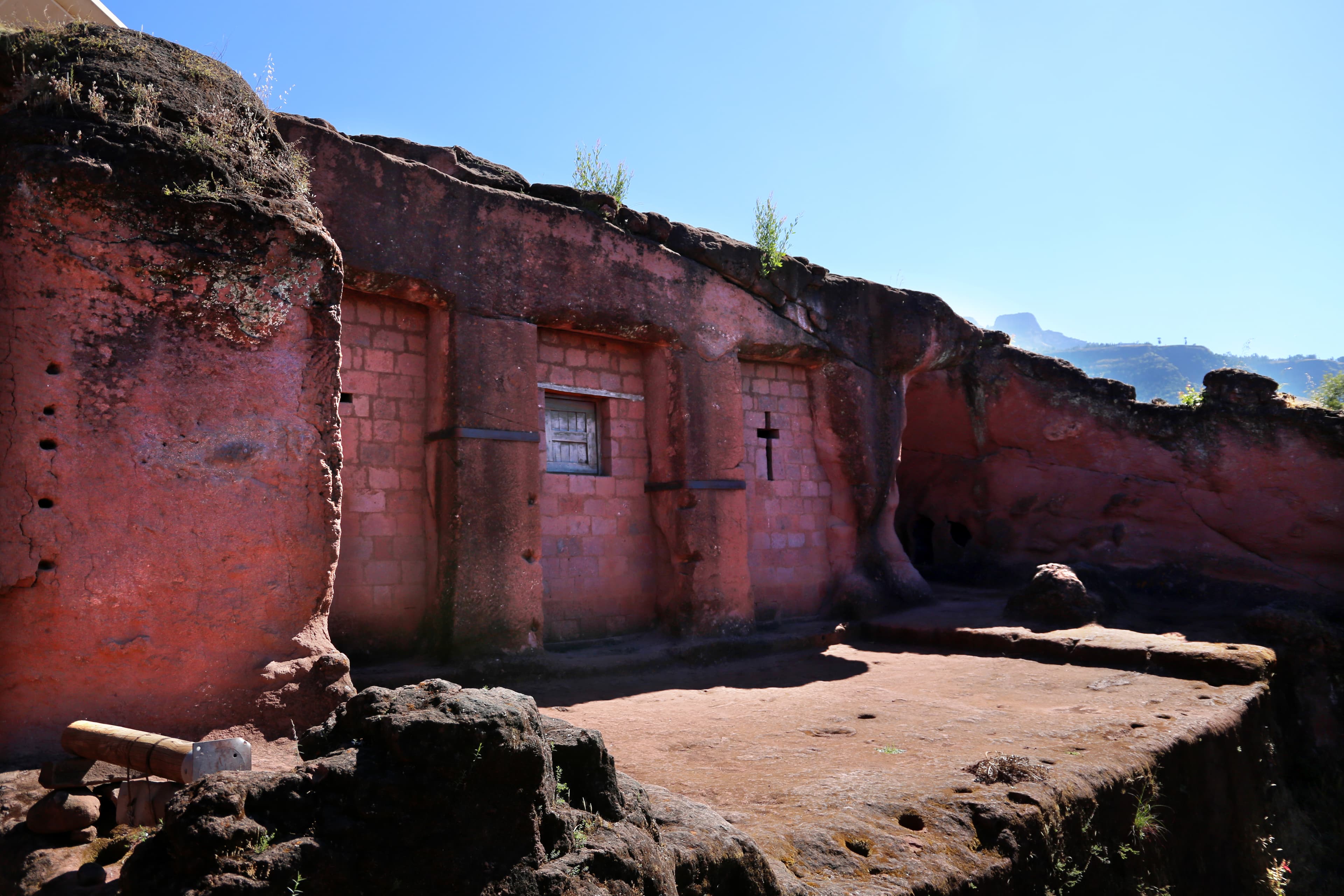
Bete Merqorewos
An underground Lalibela church that is strongest when read as part of a lived sacred labyrinth rather than a detached chamber.
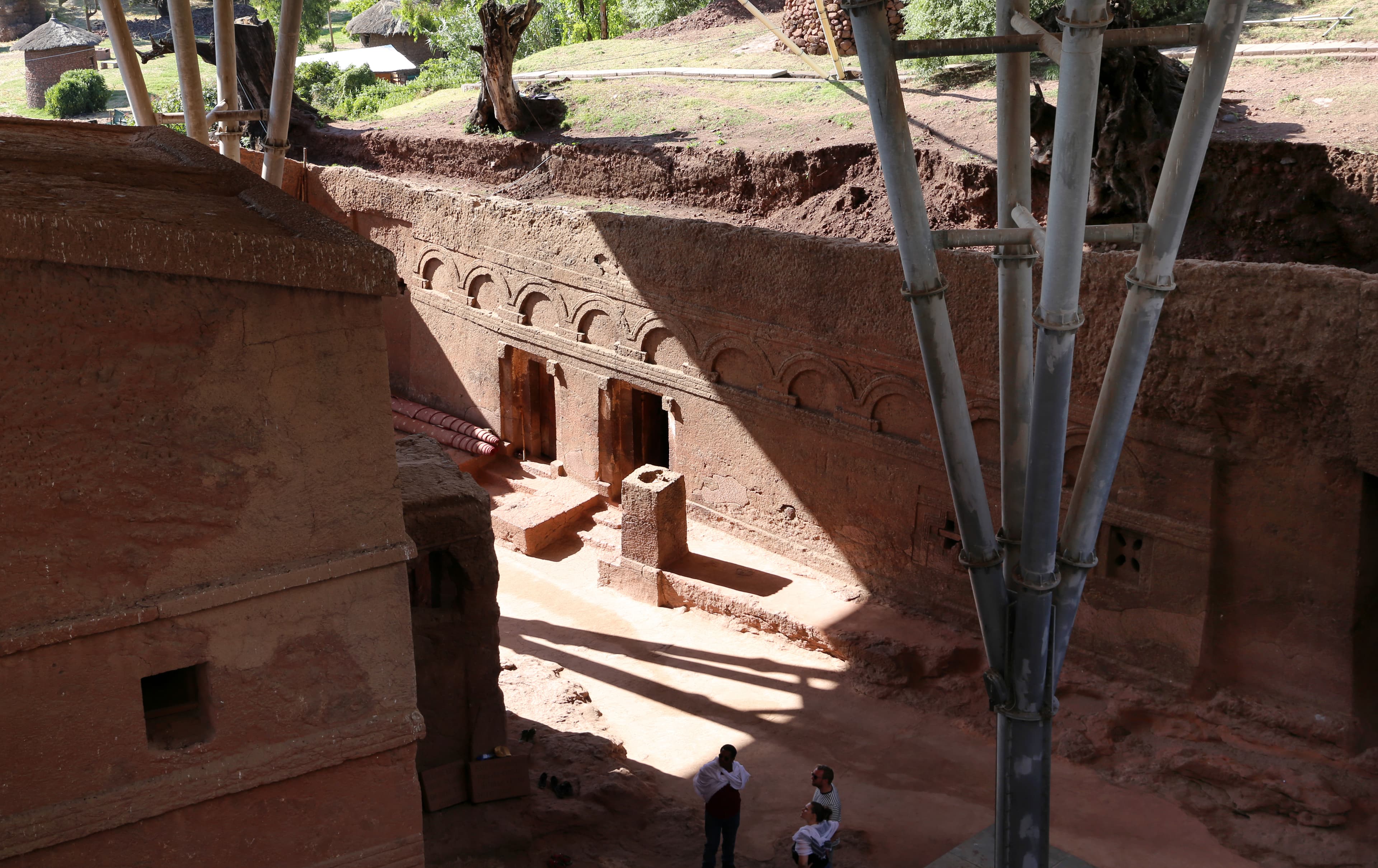
Bete Meskel
A Lalibela church whose presence is clearest when approached as part of the ensemble's living rhythm rather than as a separate relic.
Lesser-known places
Keep the region broader than the headline anchors
These pages widen the regional field beyond the most obvious route stops.
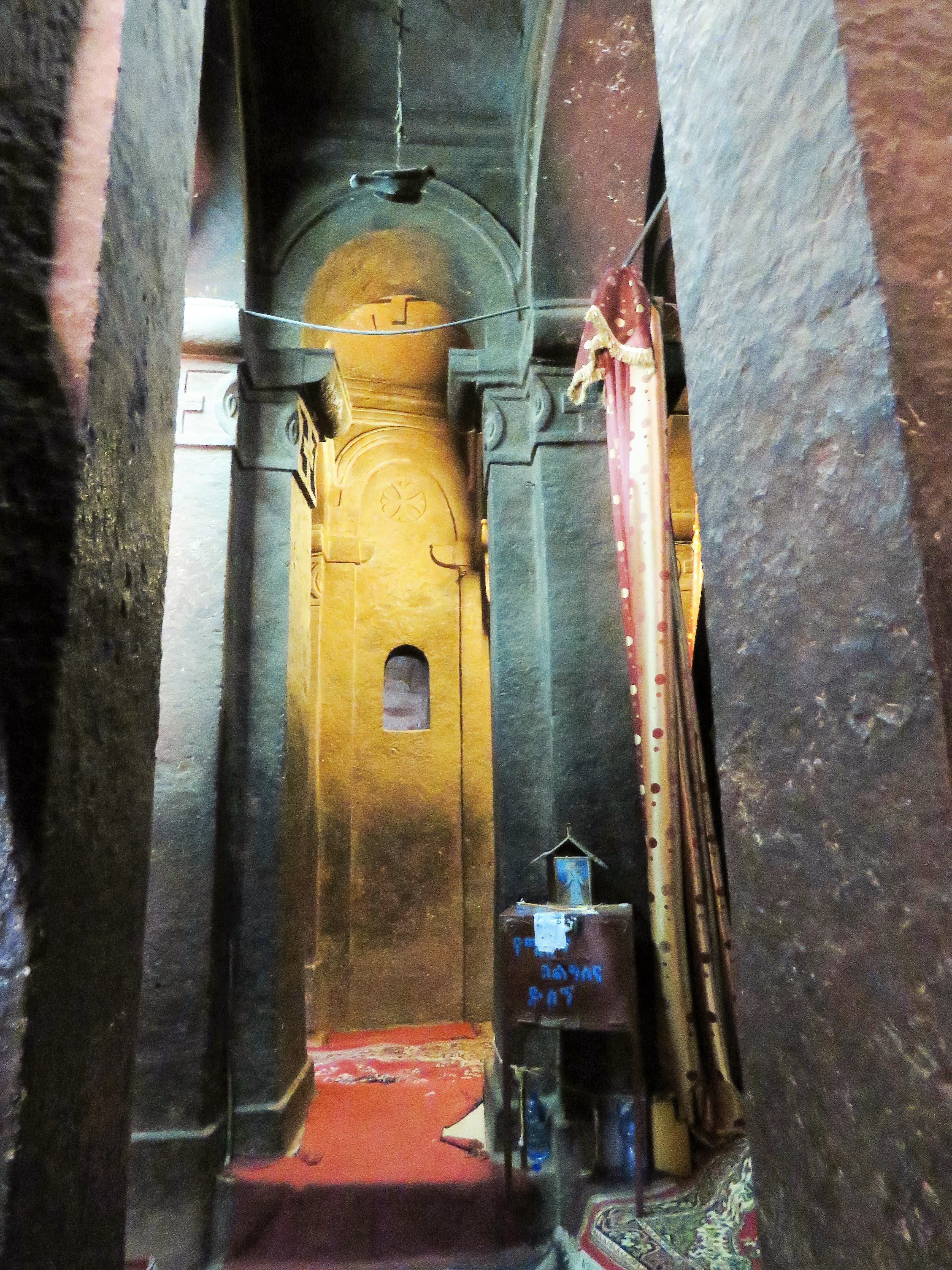
Biet Mikael
A Lalibela church whose identity is clearest inside a shared carved sacred cluster rather than as a stand-alone monument.
.jpg&w=3840&q=75)
Biete Abba Libanos
A church in Lalibela's living pilgrimage ensemble where its semi-freed mass and surrounding court make the southeastern cluster feel more varied and physically legible.
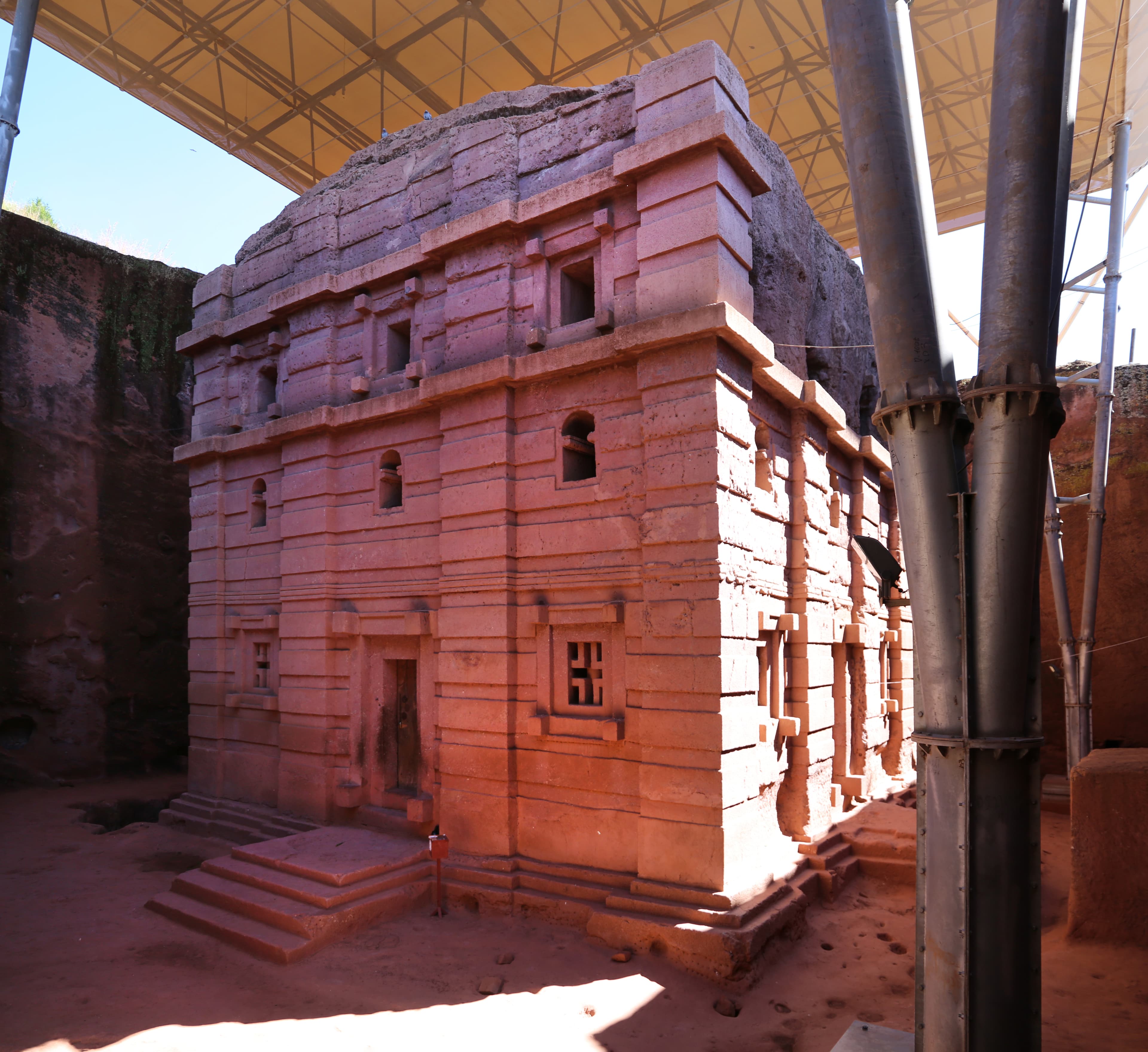
Biete Amanuel
A sharply cut monolithic church whose stone geometry gains meaning only inside Lalibela's living sacred ensemble.
Planning signals
Seasonality, access, and site-type patterns
These quick signals make the regional planning shape explicit without forcing a full itinerary yet.
Best by constraint
Use the region through practical constraints, not just one flat place list
These shortcuts are the first pass at long-tail planning questions like mythology, archaeology, season, car-light access, and first-time fit.
FAQ
Questions this regional hub should answer quickly
Keep exploring
Continue through the strongest relationships inside this region
Links
Reference links and sources
Direct reference links for this entry, with supporting source material below.
- UNESCO entryAuthority source for Lalibela as a living pilgrimage site and church complex.
- Wikipedia entryWikipedia article for Horn of Africa.
- Horn of Africa (Q40556)Entity anchor for the Horn of Africa region.
- Ethiopian Orthodox Tewahedo Church (Q179829)Tradition reference for the living Christian setting of Lalibela.
- Rock-Hewn Churches, Lalibela (Property 18)Authority source for Lalibela as a living pilgrimage site and church complex.
- Category:Rock-hewn churches in LalibelaVisual and structural context for the grouped churches and their setting.
- Horn of AfricaWikipedia article for Horn of Africa.