Tradition
Ancient Egyptian religion
Pages in this tradition should keep temple ritual, funerary landscape, divine kingship, and sacred geography visible without flattening them into generic archaeology.
Quick explainer
How to use this tradition lens
This short explainer tells users what the tradition foregrounds, how it feels on the ground, and when that lens is most useful.
Core concepts
This page teaches the lens, then points to the places.
Ancient Egyptian religion needs its own lens here because places like Karnak, Luxor, and the Theban necropolises were not isolated monuments. They belonged to a ritual world shaped by divine kingship, temple processions, sacred cities, and funerary landscapes.
That makes this tradition especially useful for sacred travel writing. It helps keep ceremonial space, tomb geography, and religious symbolism visible instead of reducing every site to a checklist of ruins.
Places
Major places connected to Ancient Egyptian religion
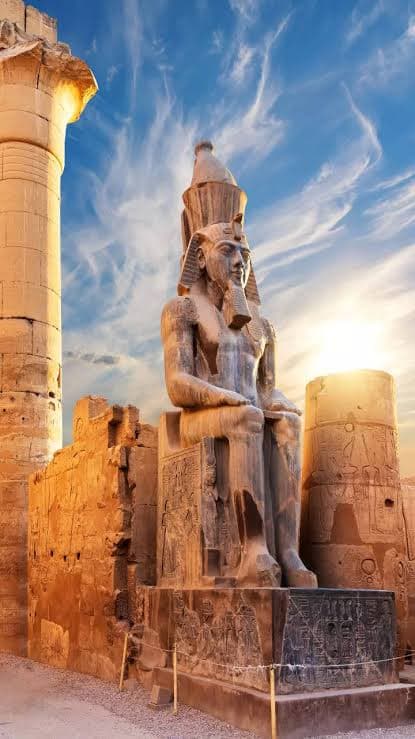
Abu Simbel Temples
Rock-cut temples at Egypt’s southern edge where royal cult, divine alignment, and monumental sacred theater still dominate the landscape.
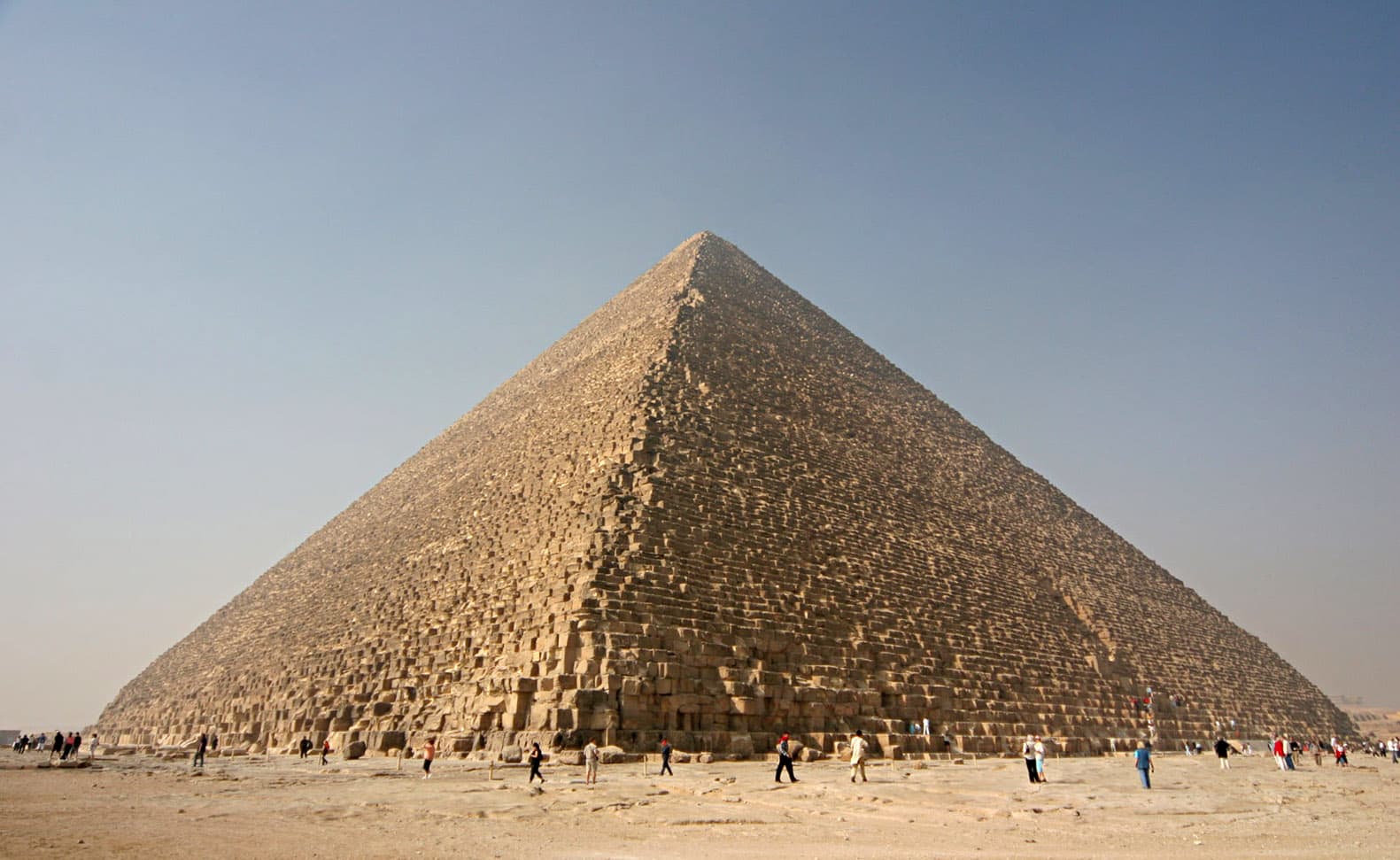
Great Pyramid of Giza
The largest royal pyramid in Egypt, where funerary cult, cosmic alignment, and sacred kingship still shape the meaning of the site.
Sacred geographies
Where this tradition clusters most strongly right now
These region links turn the belief lens back into geography when the next step should be spatial rather than purely conceptual.
Patterns
Site-type lanes that recur across this tradition
This gives the tradition page a stronger browse structure than a single flat place list.
Respect and evidence
How this tradition page handles access, myth, and historical framing
Best by constraint
Use the tradition through practical constraints, not just belief labels
These shortcuts are the first pass at long-tail planning questions like mythology, archaeology, season, car-light access, and first-time fit.
FAQ
Questions this tradition hub should answer quickly
Keep exploring
Continue through the regions and place clusters that express this tradition
Links
Reference links and sources
Direct reference links for this entry, with supporting source material below.
- UNESCO entryAuthority source for the sacred city of Thebes, its temple complexes, and necropolises.
- Wikipedia entryWikipedia article for religion of ancient Egypt.
- religion of ancient Egypt (Q447131)Tradition anchor for the polytheistic beliefs and ritual system of ancient Egypt.
- Ancient Thebes with its Necropolis (Property 87)Authority source for the sacred city of Thebes, its temple complexes, and necropolises.
- Memphis and its Necropolis – the Pyramid Fields from Giza to Dahshur (Property 86)Authority source for Memphis as both a sacred city and a funerary landscape.
- Category:Temple of KarnakVisual context for Karnak's precincts, halls, and ceremonial architecture.
- Category:Luxor TempleVisual context for Luxor Temple's facade, courts, and ceremonial spaces.
- religion of ancient EgyptWikipedia article for religion of ancient Egypt.