Historical sanctuary

Abu Simbel Temples

Abu Simbel, Egypt · Ancient Egyptian religion · Temple complex

The Abu Simbel Temples are among the defining sacred monuments of ancient Egypt, and they matter most when their rock-cut scale, solar alignment, and borderland setting are understood together.
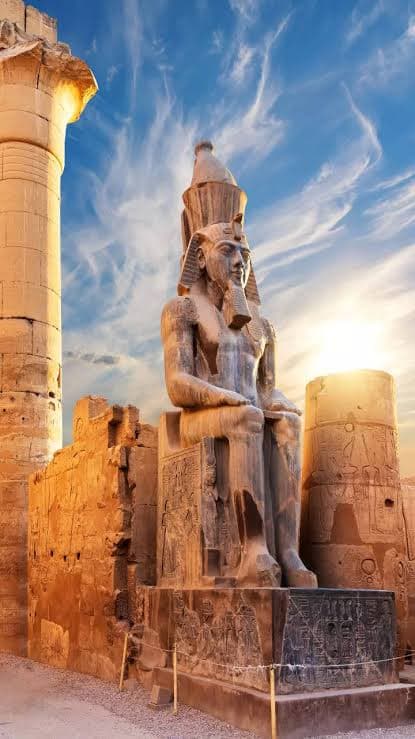
Facade of the Abu Simbel Temple in southern Egypt.
Photo by AhmedshoushanSourceCC BY-SA 4.0
GeographyAfrica · Egypt
TraditionAncient Egyptian religion
EvidenceHistorical sacred site
SeasonCool season, early mornings
AccessManaged heritage access

Visitor essentials

LocationAbu Simbel, Egypt
Best seasonCool season, early mornings
AccessManaged heritage access
OrientationRock-cut temples at Egypt’s southern edge where royal cult, divine alignment, and monumental sacred theater still dominate the landscape.
Official informationCurrent visitor information
Route valueBest used inside Egypt rather than as a disconnected stop.

What stands out

Wikidata and Commons ground the page in the actual temples at Abu Simbel and provide visual context for the cliff-cut architecture and surrounding setting.

Scope note

Keep in view

Keep Abu Simbel framed as a sacred temple complex and not only as an engineering rescue story or photo stop.

At a glance

Before you visit

Rock-cut temples at Egypt’s southern edge where royal cult, divine alignment, and monumental sacred theater still dominate the landscape

What it isThe Abu Simbel Temples are among the defining sacred monuments of ancient Egypt, and they matter most when their rock-cut scale, solar alignment, and borderland setting are understood together.
Why it mattersUNESCO identifies the temples of Ramses II at Abu Simbel as masterpieces of the human creative spirit and notes that the design of the Great Temple allows rays of the sun to penetrate the innermost chamber twice annually.
ContextUNESCO is especially useful here because it keeps Abu Simbel within the full Nubian sacred landscape while also naming its architectural and symbolic distinction.
Visiting todayThe site is strongest when approached as part of a larger Nubian sacred landscape rather than as two isolated facades.
Best time to goBest season is Cool season, early mornings.
How it fits a routeTreat Egypt as the main cluster and combine this stop with Great Pyramid of Giza instead of isolating it from the wider sacred geography.

Why it matters

UNESCO identifies the temples of Ramses II at Abu Simbel as masterpieces of the human creative spirit and notes that the design of the Great Temple allows rays of the sun to penetrate the innermost chamber twice annually.

That matters here because Abu Simbel is not only monumental. It is a sacred temple complex whose royal, solar, and frontier meanings were designed into the rock itself.

Respect notes

Lead with Abu Simbel as a sacred temple ensemble rather than only as a spectacular cliff carving.
Keep the surrounding Nubian landscape visible because the sacred force of Abu Simbel depends on its setting as much as on the facades.

Visiting notes

A slower visit matters because Abu Simbel is more legible as a designed sacred complex than as a quick exterior viewpoint.
The site is strongest when approached through ritual meaning, solar symbolism, and borderland setting rather than through scale alone.

Story and context

History and sacred context

UNESCO is especially useful here because it keeps Abu Simbel within the full Nubian sacred landscape while also naming its architectural and symbolic distinction.

Sources

  • Official websiteOfficial sitePrimary visitor-facing site for current access and institutional context.
  • UNESCO entryUNESCO World Heritage CentrePrimary authority source for the Nubian monuments and the temples of Abu Simbel.
  • Wikipedia entryWikipediaWikipedia article for Abu Simbel.
  1. Abu Simbel (Q134140)Wikidata · Entity referenceEntity anchor for the Great and Small Temples of Abu Simbel.Accessed 2026-04-22
  2. Nubian Monuments from Abu Simbel to Philae (Property 88)UNESCO World Heritage Centre · Heritage authorityPrimary authority source for the Nubian monuments and the temples of Abu Simbel.Accessed 2026-04-22
  3. Nubian Monuments from Abu Simbel to Philae - MapsUNESCO World Heritage Centre · Heritage authorityComponent map source identifying Abu Simbel within the serial property.Accessed 2026-04-22
  4. Category:Abu SimbelWikimedia Commons · Media sourceVisual context for the temples, colossi, and surrounding Nubian landscape.Accessed 2026-04-22
  5. Abu SimbelWikipedia · Entity referenceWikipedia article for Abu Simbel.Accessed 2026-04-25
  6. Abu SimbelDiscover Egypt's Monuments - Ministry of Tourism and Antiquities · Official siteInstitution-managed Ministry of Tourism and Antiquities page for the Abu Simbel site, covering the Great and Small Temples, visitor access, and site interpretation.Accessed 2026-04-29

Nearby places

Nearby sacred places in Egypt
Keep exploring

Explore more