Historical sanctuary
Tower of El Salvador, Teruel
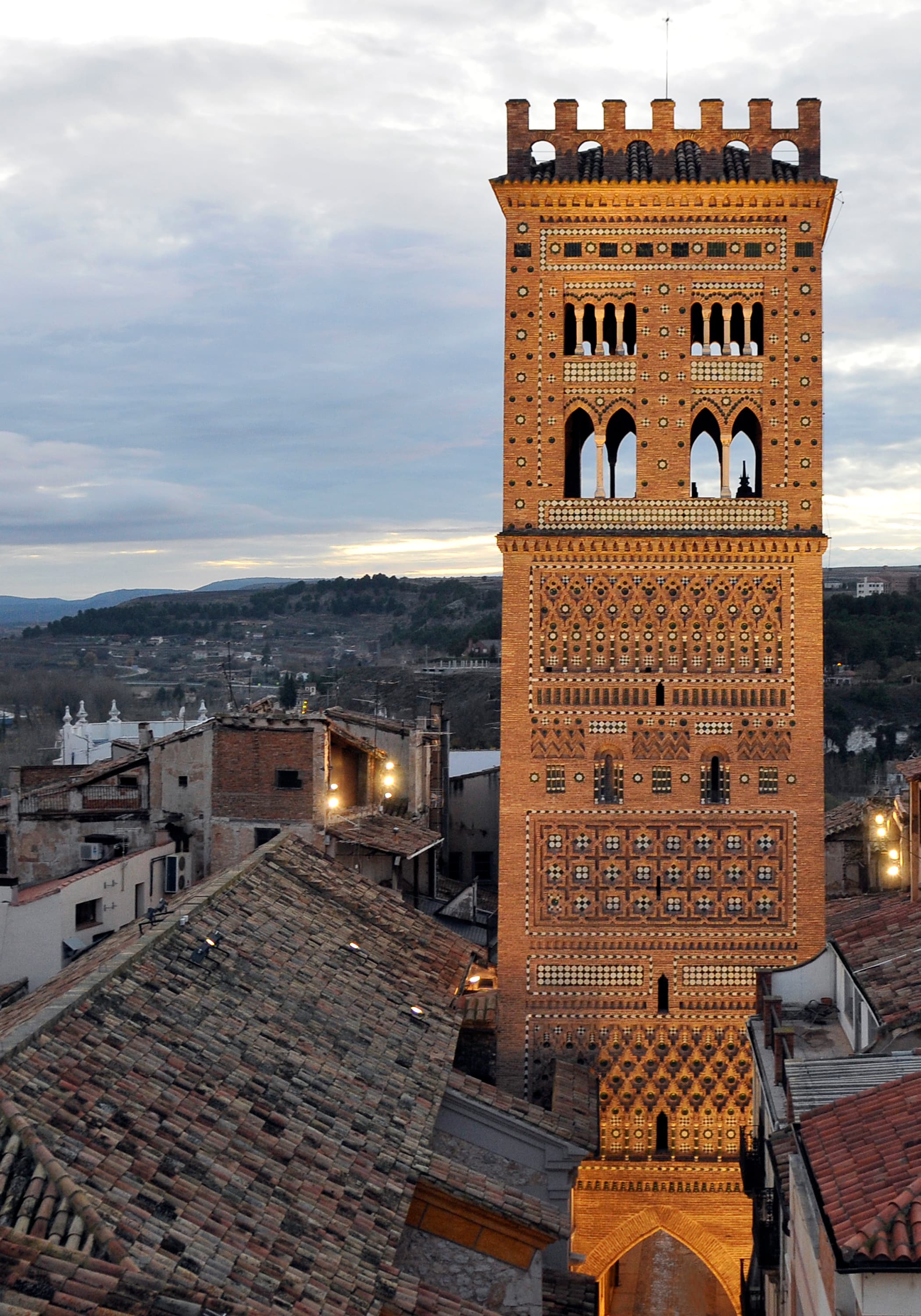
Tower of El Salvador, Teruel is the Mudejar bell tower of the Church of El Salvador in Teruel, and it is distinguished by the way its inscribed bell-tower status and enduring relation to the church of El Salvador still keep it legible as sacred architecture rather than a detached urban landmark.
Visitor essentials
What stands out
Scope note
Keep in view
Keep Tower of El Salvador, Teruel visible as the Mudejar bell tower of the Church of El Salvador in Teruel rather than reducing it to only a photogenic Mudejar tower in Teruel.
At a glance
Before you visit
A bell tower in the Mudejar Architecture of Aragon property where its inscribed bell-tower status and enduring relation to the church of El Salvador still keep it legible as sacred architecture rather than a detached urban landmark
Why it matters
UNESCO frames Mudejar Architecture of Aragon as a serial World Heritage property whose inscribed monuments preserve an exceptional fusion of Christian sacred buildings with Islamic-influenced brick, tile, and tower craftsmanship in Aragon, and the supporting site sources keep Tower of El Salvador, Teruel legible as a bell tower within the Mudejar Architecture of Aragon property.
That matters because Tower of El Salvador, Teruel is strongest as the Mudejar bell tower of the Church of El Salvador in Teruel rather than only a photogenic Mudejar tower in Teruel.
Respect notes
Visiting notes
Story and context
History and sacred context
Sources
- Official websitePrimary visitor-facing site for current access and institutional context.
- UNESCO entryPrimary authority source for the serial Mudejar property in Aragon, including the inscribed sacred churches, cathedrals, and bell towers whose UNESCO-protected fabric preserves the Mudejar fusion of Christian and Islamic artistic traditions.
- Wikipedia entryWikipedia article for Tower of Iglesia de San Salvador.
- Mudejar Architecture of Aragon (Property 378)Primary authority source for the serial Mudejar property in Aragon, including the inscribed sacred churches, cathedrals, and bell towers whose UNESCO-protected fabric preserves the Mudejar fusion of Christian and Islamic artistic traditions.
- Tower of Iglesia de San Salvador (Q3896939)Entity anchor for the UNESCO-inscribed bell tower of the Church of El Salvador in Teruel.
- Category:Tower of the Church of el Salvador, TeruelVisual context for the tower of the Church of El Salvador in Teruel.
- Tower of Iglesia de San SalvadorWikipedia article for Tower of Iglesia de San Salvador.
- Torre de El SalvadorOfficial Government of Aragon heritage record for the UNESCO-listed Tower of El Salvador in Teruel.
Nearby places
Nearby sacred places in Western Europe

Tower of San Martín, Teruel
A bell tower in the Mudejar Architecture of Aragon property where its inscribed bell-tower form and surviving relation to the church of San Martín still keep it legible as sacred architecture rather than a freestanding civic tower.
Canterbury Cathedral, St Augustine's Abbey, and St Martin's Church
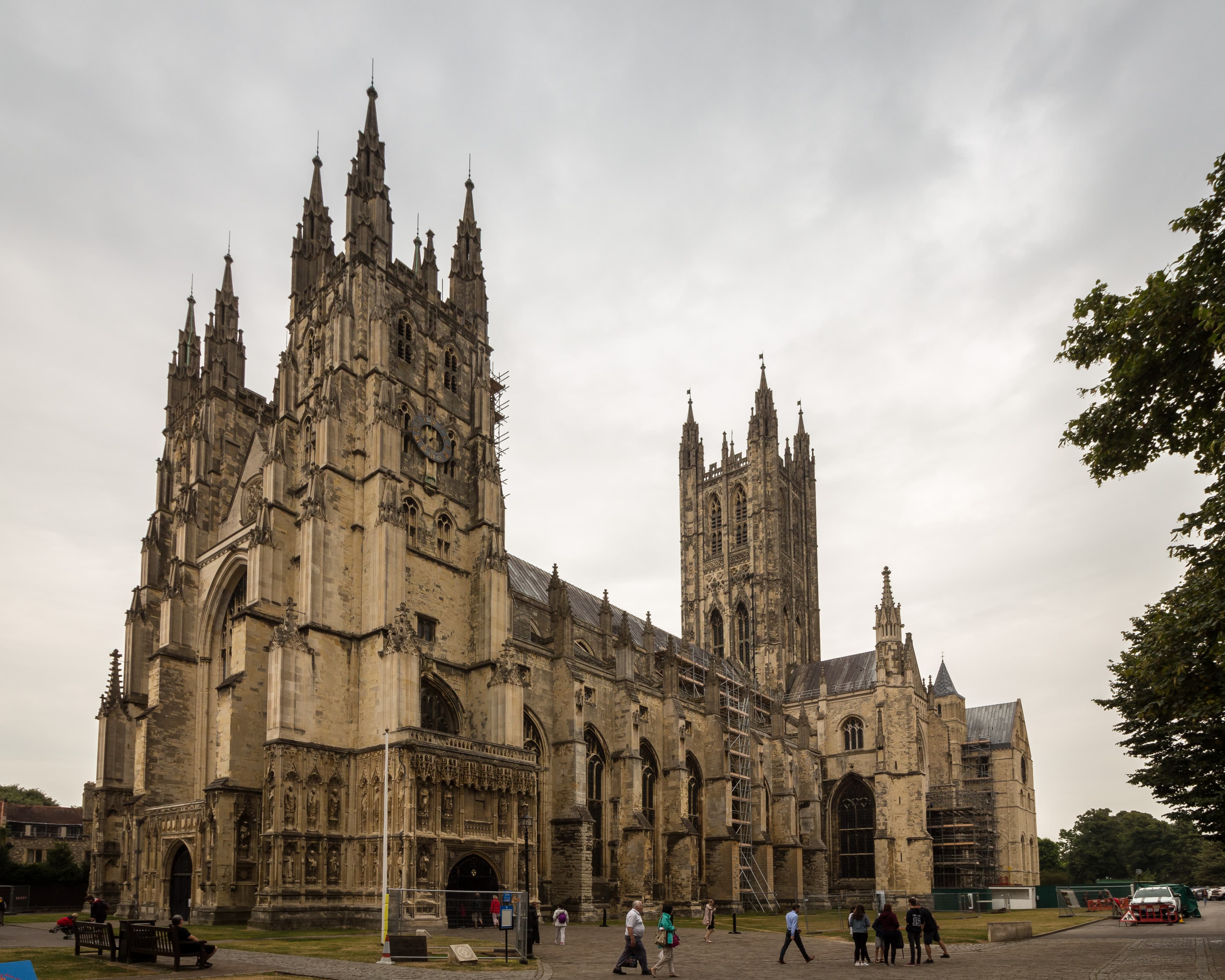
A Christian ensemble in Canterbury where cathedral liturgy, monastic mission history, and enduring parish worship still read together as one sacred inheritance.
Abbey Church, Alcobaca Monastery
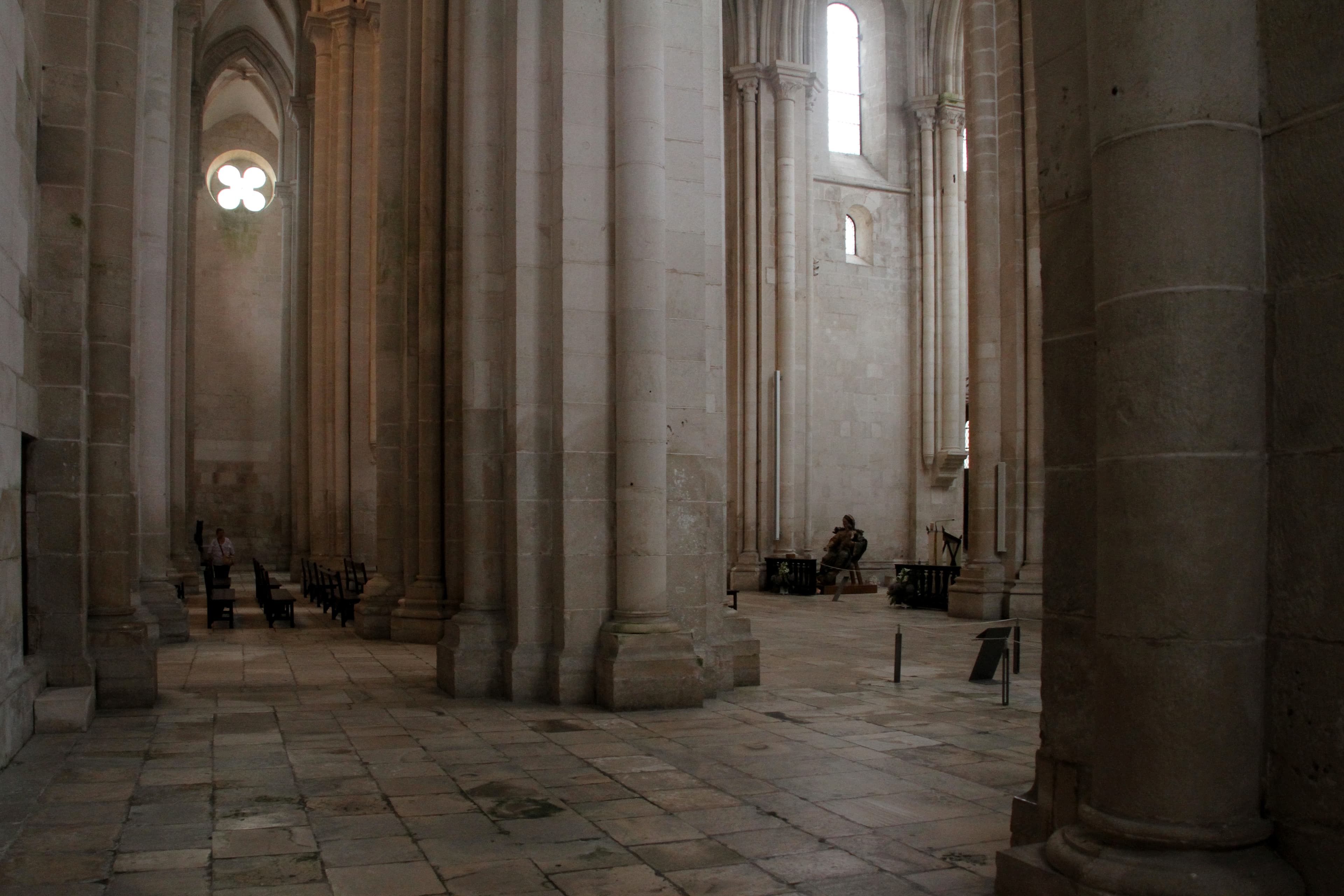
A church in the Alcobaca monastic and royal sacred ensemble where its long nave, choir, and place at the center of the Cistercian complex still keep it legible as the monastery's liturgical heart rather than only the grand facade of a famous monument.
Abbey of Fontenay
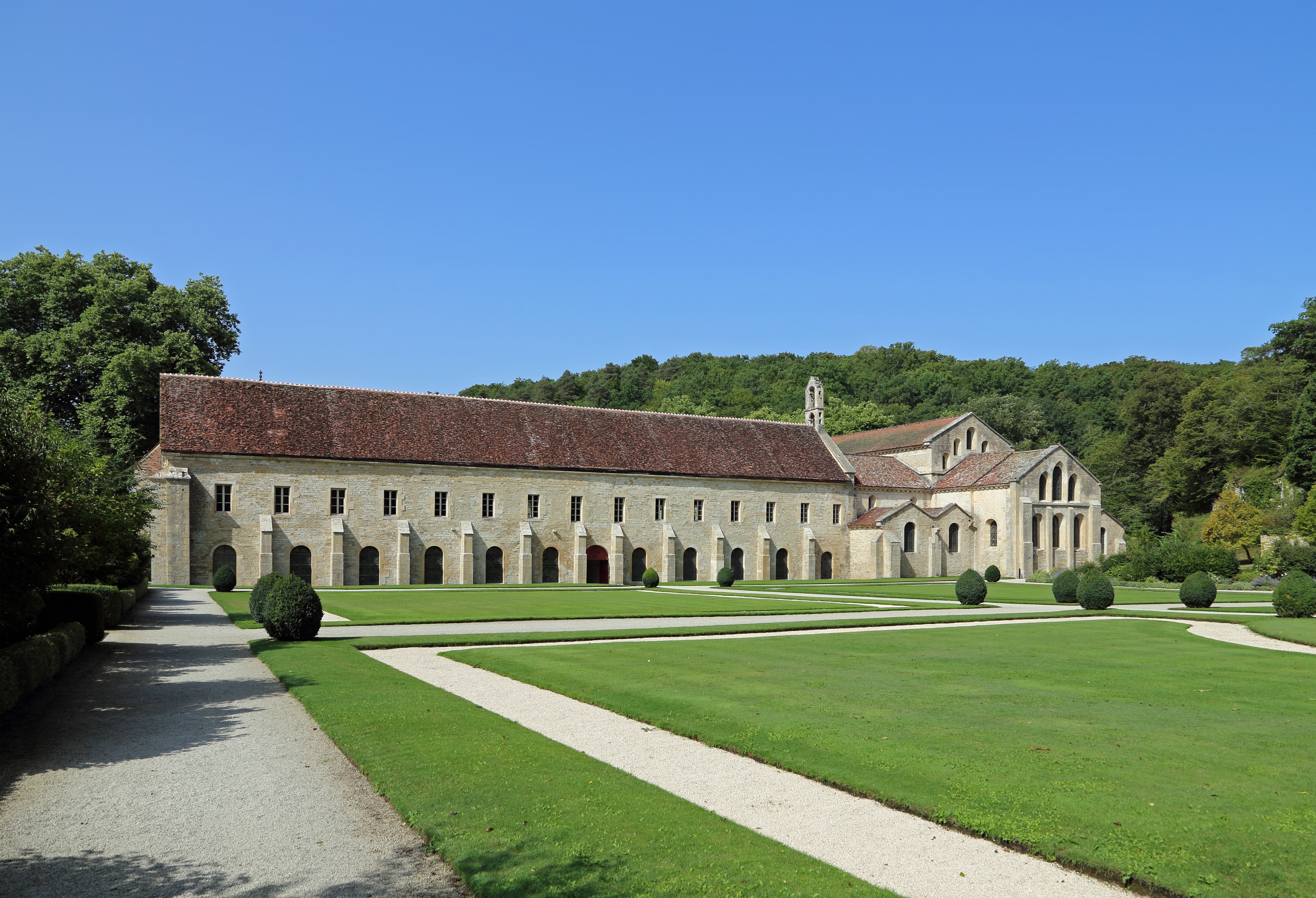
A Cistercian abbey where austere church, cloister, dormitory, and forge still preserve the disciplined sacred world of early monks.
Same tradition elsewhere
Christianity sacred sites beyond Western Europe
.jpg&w=3840&q=75)
Abu Mena
An early Christian pilgrimage city built around the tomb of Saint Menas, where sacred memory shaped an entire urban and monastic landscape.
Church and Convent of Saint Francis of Assisi
A Franciscan church-and-convent complex in Old Goa where monastic life, decorated interior space, and missionary history still read together.
Keep exploring