Historical sanctuary
Canterbury Cathedral, St Augustine's Abbey, and St Martin's Church
Canterbury Cathedral, St Augustine's Abbey, and St Martin's Church gathers three foundational Christian sites into one sacred ensemble, where cathedral, abbey, and parish church together preserve the long arc of English Christian history.
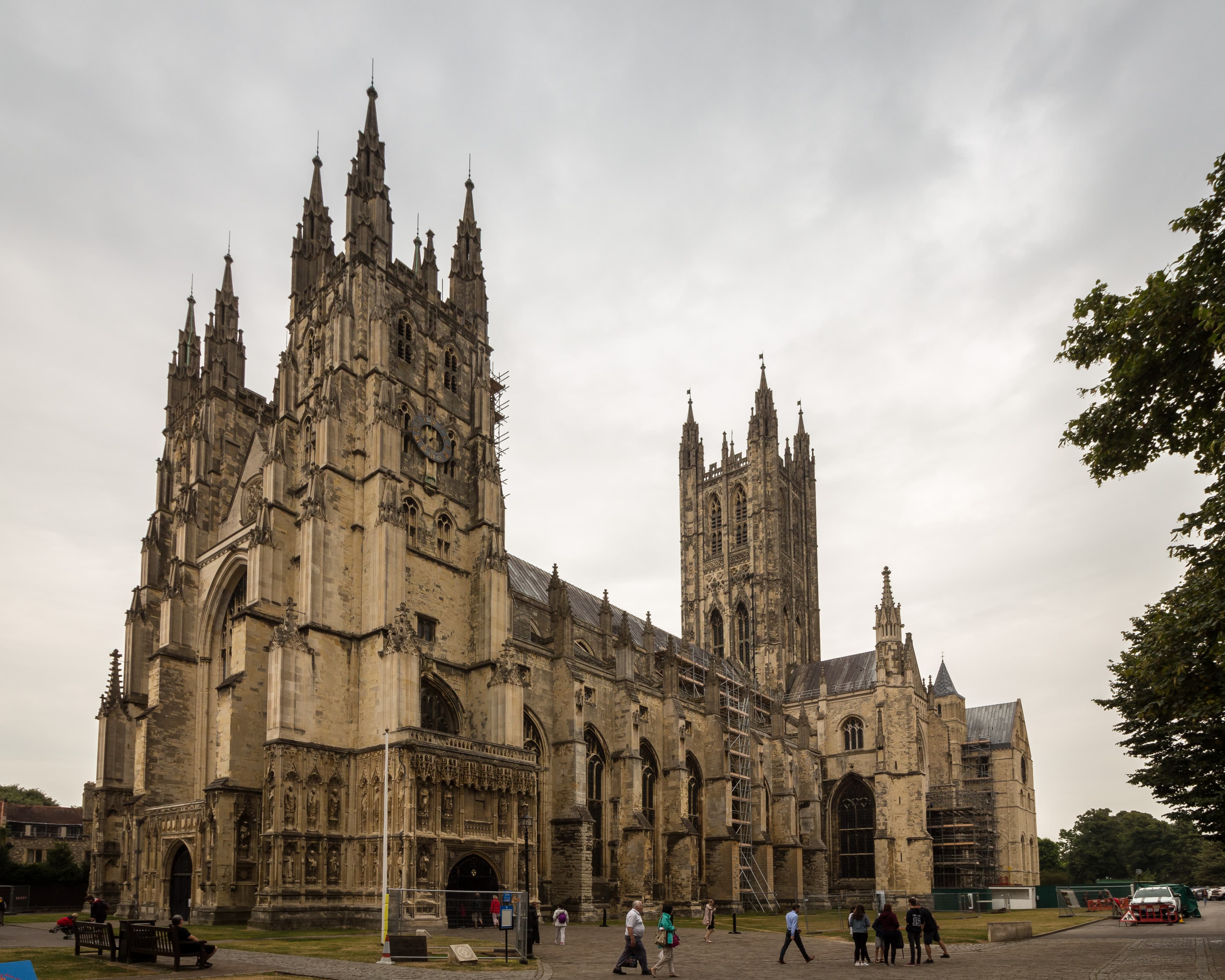
Visitor essentials
What stands out
Scope note
Keep in view
Treat Canterbury as a single Christian sacred ensemble, not just as three famous churches and ruins in the same city.
At a glance
Before you visit
A Christian ensemble in Canterbury where cathedral liturgy, monastic mission history, and enduring parish worship still read together as one sacred inheritance
Why it matters
UNESCO frames Canterbury as a three-part Christian ensemble, and the component anchors show that cathedral worship, monastic mission history, and parish continuity all belong to the same sacred story.
That matters because the property is strongest when cathedral, abbey, and parish church are read together rather than as separate attractions in the same city.
Respect notes
Visiting notes
Story and context
History and sacred context
UNESCO is especially useful here because it keeps Canterbury inside one Christian sacred ensemble rather than reducing it to separate monuments.
The site-specific citations keep the writing specific to Canterbury Cathedral, St Augustine's Abbey, and St Martin's Church and its Christian ensemble setting.
Sources
- Official websitePrimary visitor-facing site for current access and institutional context.
- UNESCO entryPrimary authority source for the Canterbury World Heritage property and the sacred roles of its three named Christian components.
- Wikipedia entryWikipedia article for Canterbury Cathedral.
- Canterbury Cathedral, St Augustine's Abbey, and St Martin's Church (Property 496)Primary authority source for the Canterbury World Heritage property and the sacred roles of its three named Christian components.
- Canterbury Cathedral (Q29265)Entity anchor for Canterbury Cathedral as the central component of the Canterbury Christian ensemble.
- St Augustine's Abbey (Q334303)Entity anchor for St Augustine's Abbey in Canterbury as a monastery and World Heritage component.
- St Martin's Church (Q840462)Entity anchor for St Martin's Church in Canterbury as a Church of England parish church and World Heritage component.
- Canterbury CathedralWikipedia article for Canterbury Cathedral.
Nearby places
Nearby sacred places in Western Europe
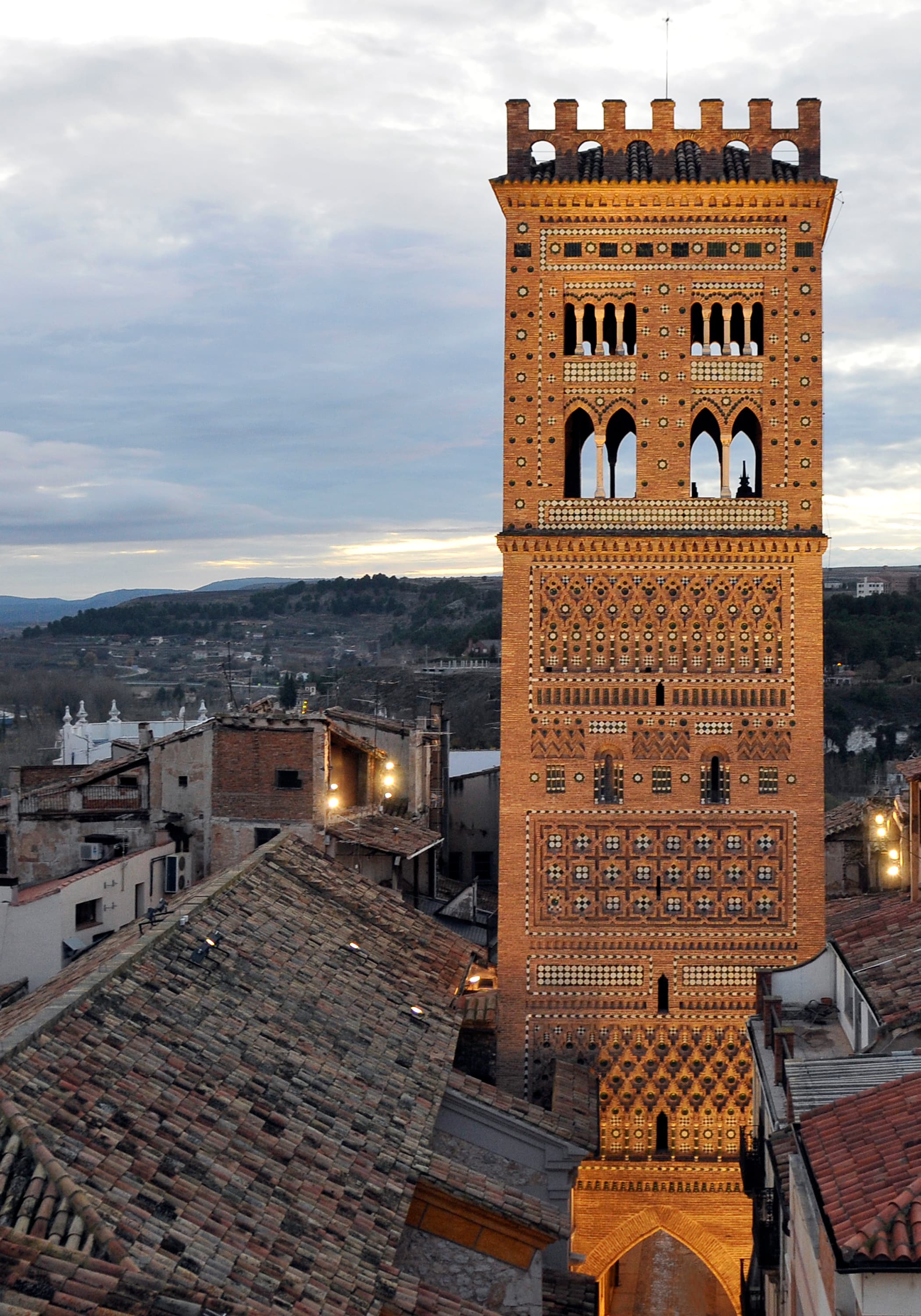
Tower of El Salvador, Teruel
A bell tower in the Mudejar Architecture of Aragon property where its inscribed bell-tower status and enduring relation to the church of El Salvador still keep it legible as sacred architecture rather than a detached urban landmark.
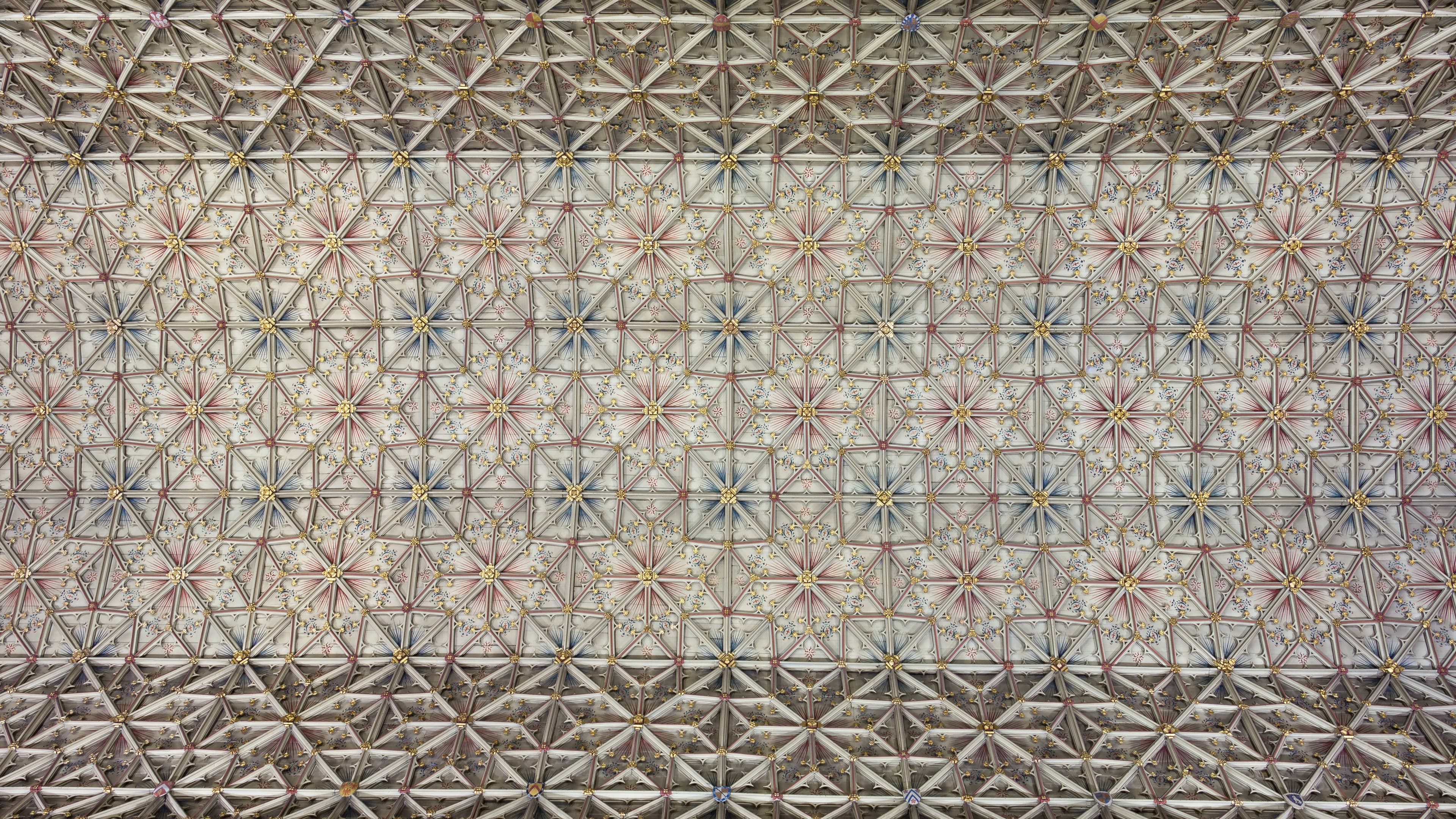
Chapter House of Canterbury Cathedral
A chapter house in the Canterbury Christian sacred ensemble where its daily use for Bible reading, the Rule of Saint Benedict, and monastic chapter meetings still keeps it legible as a sacred monastic room rather than only a grand octagonal survival beside the cloister.
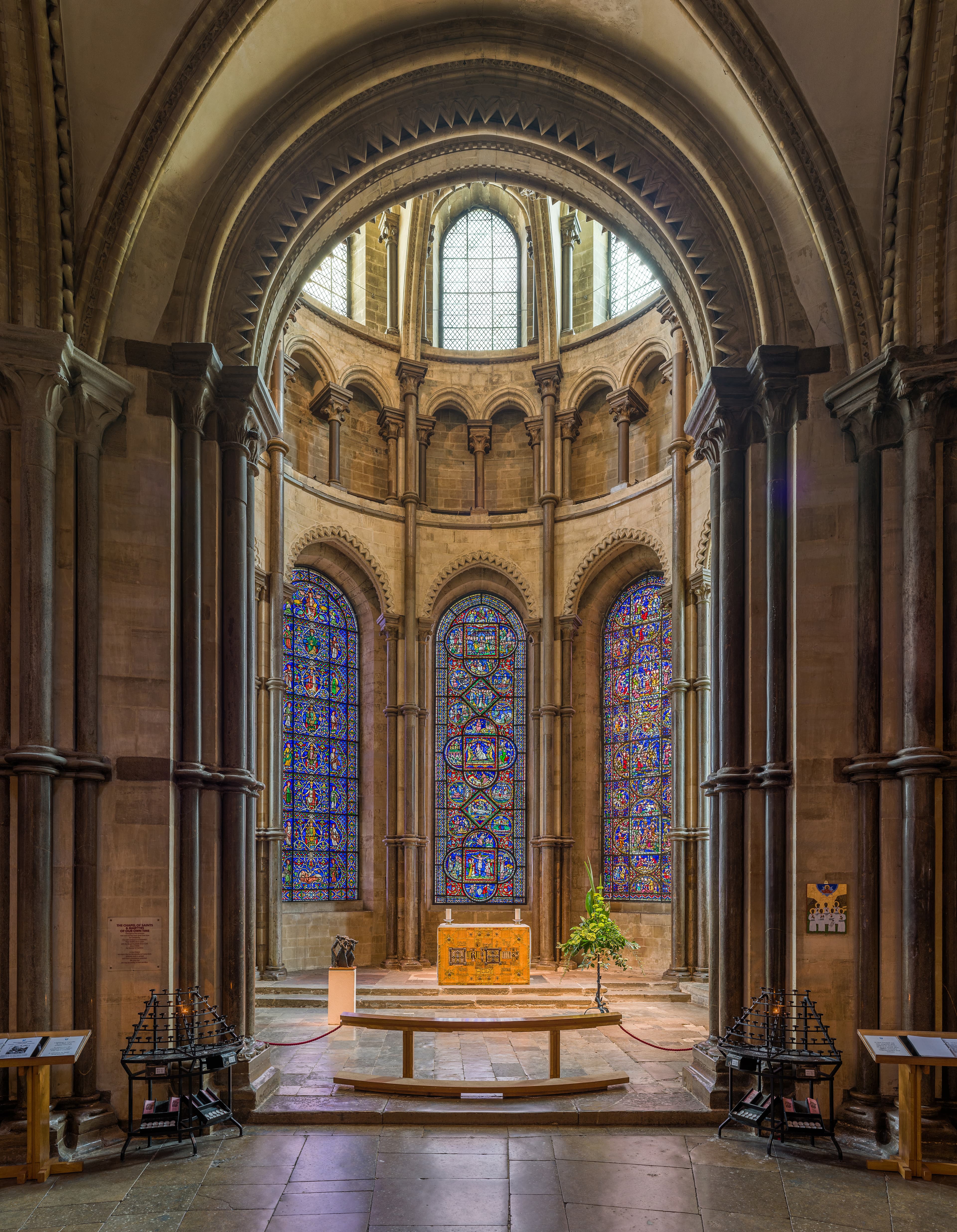
Corona Chapel, Canterbury Cathedral
A chapel in the Canterbury Christian sacred ensemble where its association with the relic of Becket's crown and its place beyond Trinity Chapel still keep it legible as a relic chapel rather than only the circular eastern cap of the cathedral.
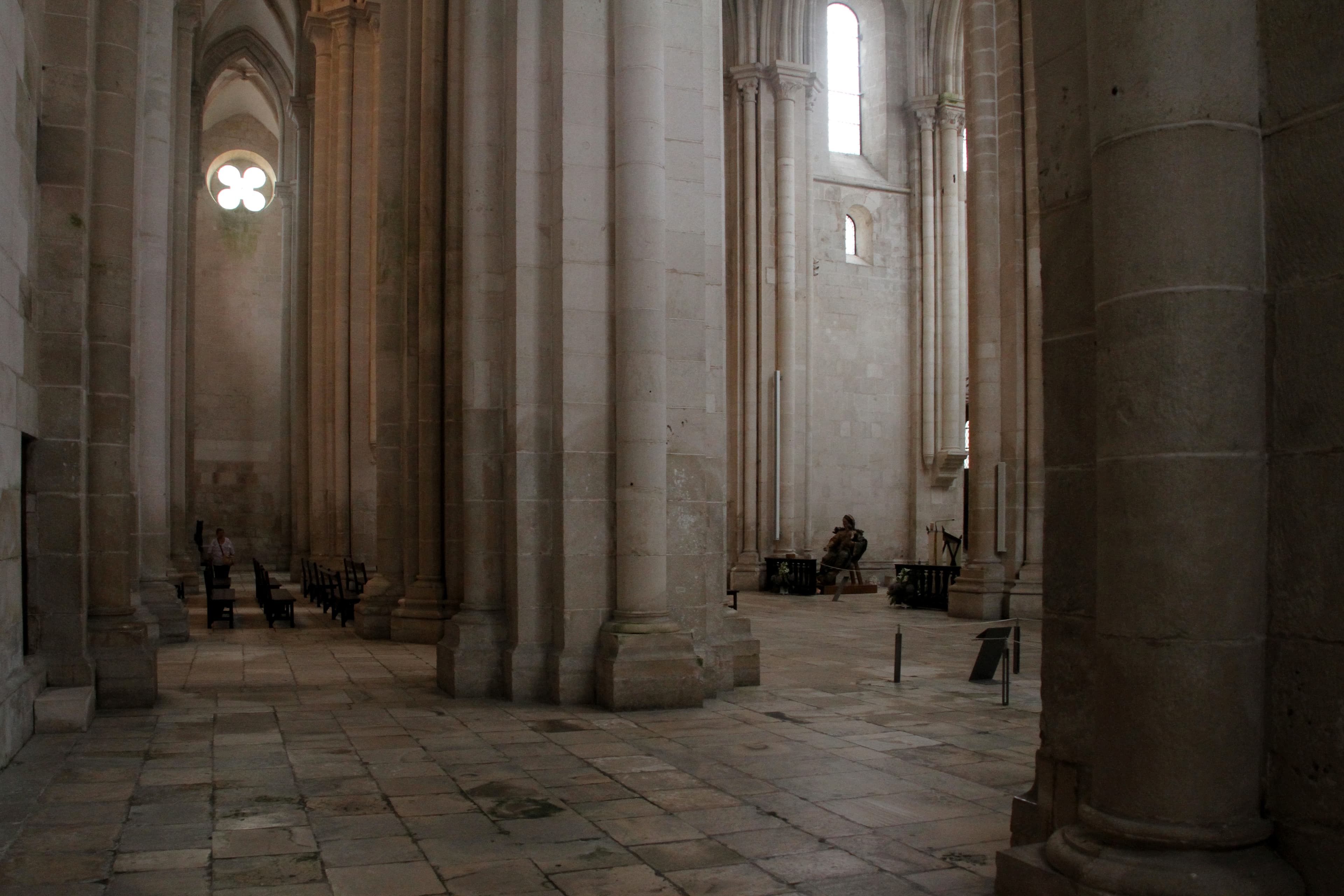
Abbey Church, Alcobaca Monastery
A church in the Alcobaca monastic and royal sacred ensemble where its long nave, choir, and place at the center of the Cistercian complex still keep it legible as the monastery's liturgical heart rather than only the grand facade of a famous monument.
Same tradition elsewhere
Christianity sacred sites beyond Western Europe
.JPG&w=3840&q=75)
El Carmen Alto church
A church and convent in the sacred old city of Quito where its cloistered Carmelite identity, deep association with Mariana de Jesus, and place within the old city still keep it legible as a sacred convent complex rather than only a museum stop.
.jpg&w=3840&q=75)
Abu Mena
An early Christian pilgrimage city built around the tomb of Saint Menas, where sacred memory shaped an entire urban and monastic landscape.
Keep exploring