Living sacred site
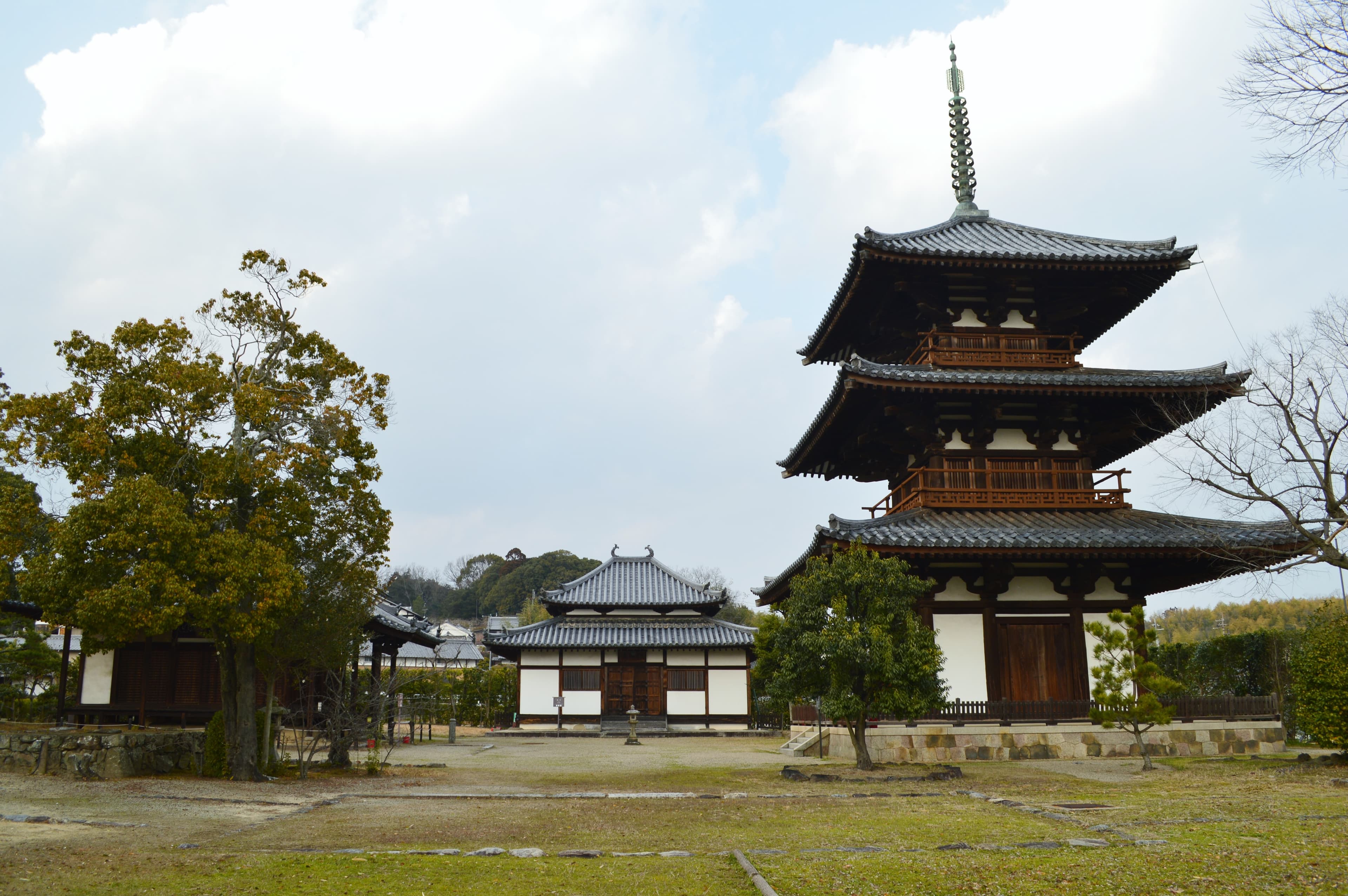
Three-storied Pagoda, Hokki-ji
Three-storied Pagoda, Hokki-ji matters because the temple's clearest landmark still belongs to a living reliquary tradition rather than to scenic rural nostalgia alone.
Visitor essentials
What stands out
Scope note
Keep in view
Keep the pagoda framed as a sacred Buddhist tower inside Hokki-ji, not only as the image people most often associate with the temple.
At a glance
Before you visit
Hokki-ji's pagoda, where early Buddhist tower form still rises from a notably quiet rural precinct
Why it matters
UNESCO identifies the Buddhist Monuments in the Horyu-ji Area as two temple sites, Horyu-ji and Hokki-ji, and the supporting site sources keep Three-storied Pagoda, Hokki-ji legible as the tower that gives the quieter Hokki-ji precinct its clearest vertical sacred form.
That matters because Three-storied Pagoda, Hokki-ji is strongest as the pagoda that gives Hokki-ji its clearest vertical reliquary form within the quieter temple grounds rather than only the famous old pagoda in the fields.
Respect notes
Visiting notes
Story and context
History and sacred context
Sources
- Official websitePrimary visitor-facing site for current access and institutional context.
- UNESCO entryPrimary authority source for the Horyu-ji area as two temple sites central to the early spread of Buddhism in Japan.
- Wikipedia entryWikipedia article for Hokki-ji Temple.
- Buddhist Monuments in the Horyu-ji Area (Property 660)Primary authority source for the Horyu-ji area as two temple sites central to the early spread of Buddhism in Japan.
- Hokki-ji Temple (Q1351209)Entity anchor for Hokki-ji as a Buddhist temple and component of the Horyu-ji world heritage property.
- Category:HokkijiVisual context for Hokki-ji, its pagoda, halls, and temple grounds.
- Hokki-ji Temple (Q1351209)Entity anchor for Hokki-ji as a Buddhist temple whose precinct includes the early pagoda that defines the site visually and devotionally.
- Category:HokkijiVisual context for Hokki-ji and its pagoda within the quieter rural temple grounds.
- Hokki-ji TempleWikipedia article for Hokki-ji Temple.
- Hokki-jiOfficial Horyu-ji site page for Hokki-ji, used here as the institution-managed source for the Three-storied Pagoda within the temple precinct.
Nearby places
Nearby sacred places in Japan
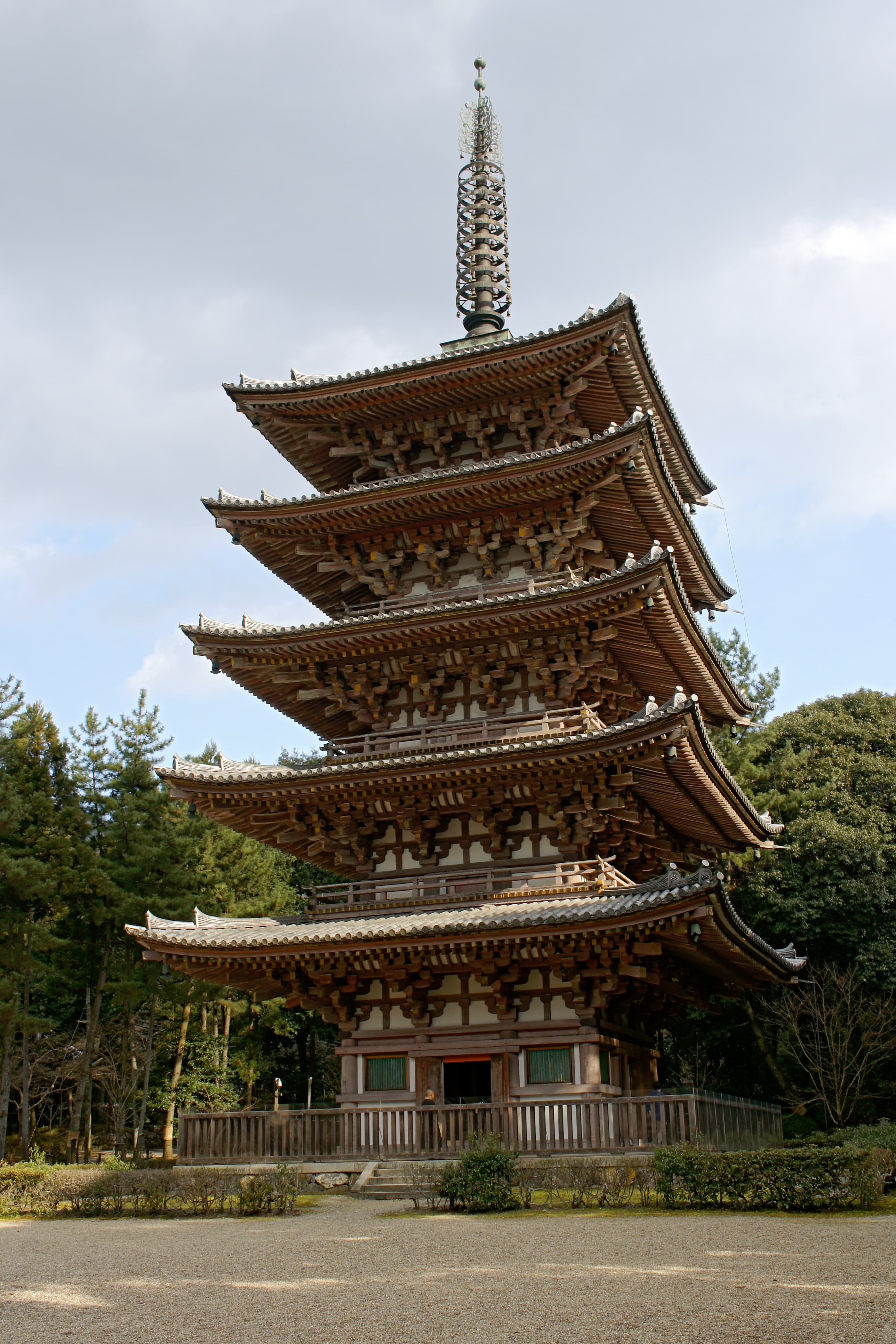
Five-storied Pagoda, Daigo-ji
Daigo-ji's ancient pagoda, where memorial purpose and sacred tower meaning still hold.
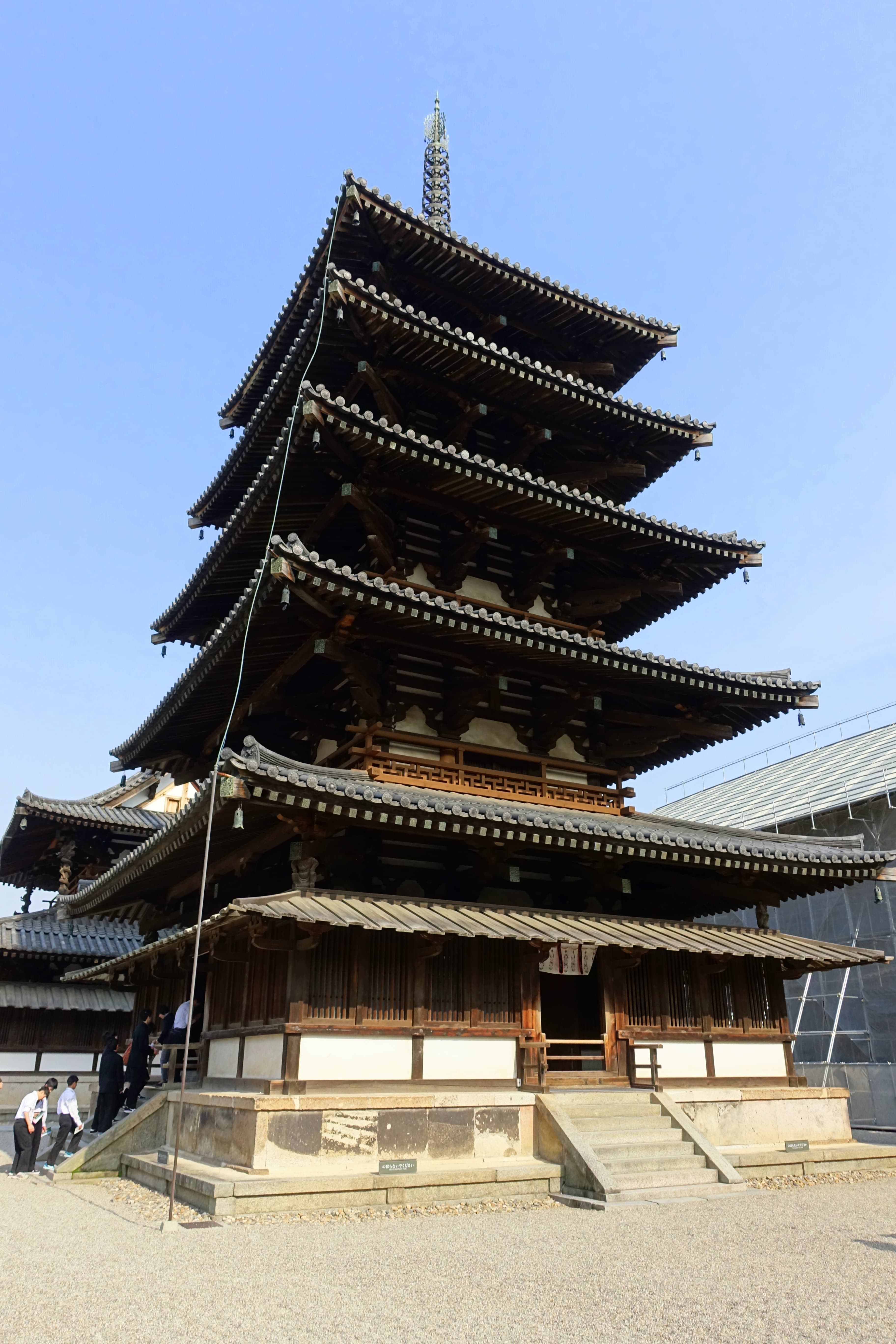
Five-storied Pagoda, Horyu-ji
The pagoda beside Horyu-ji's Golden Hall, where vertical form and precinct layout still shape the sacred court.
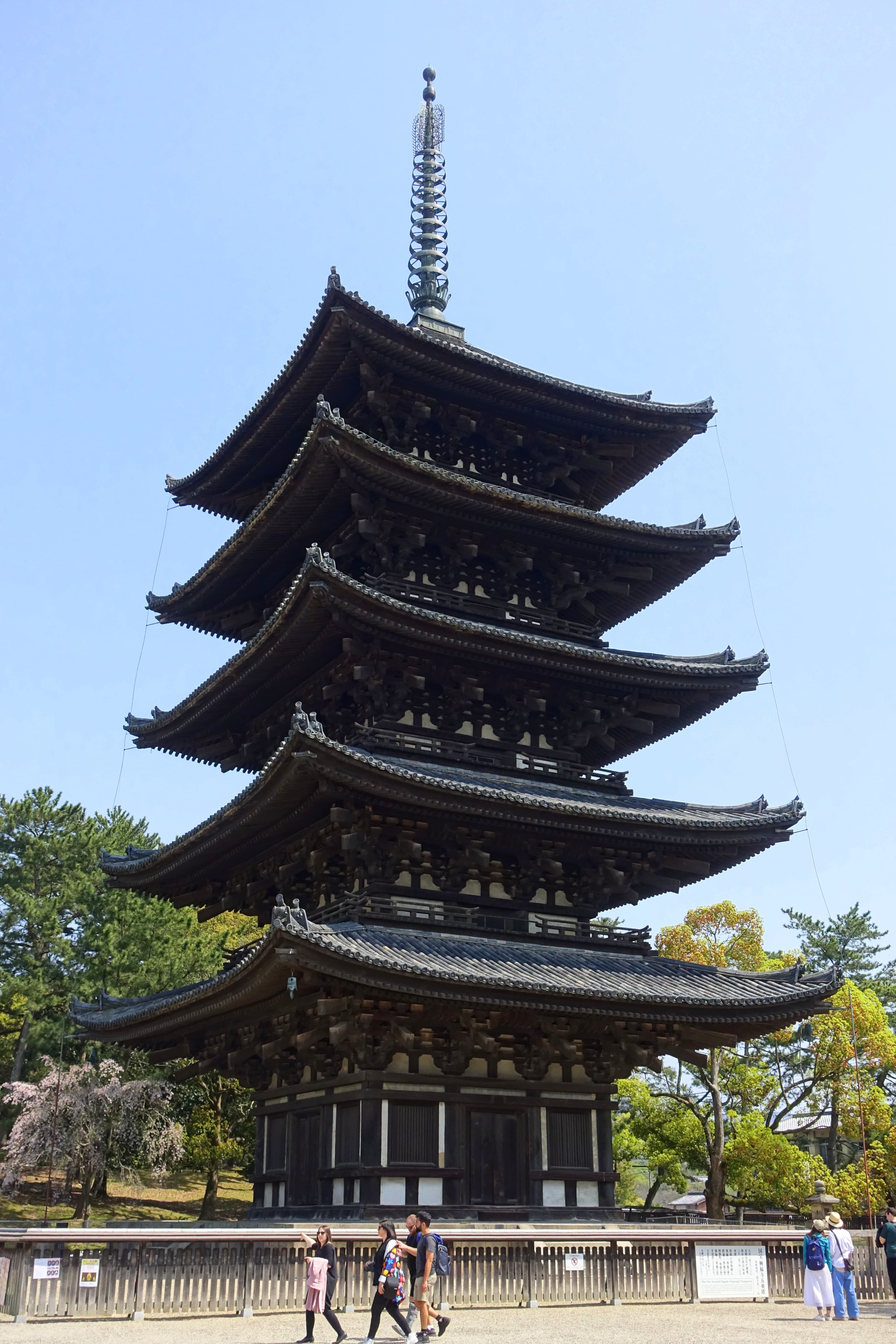
Five-storied Pagoda, Kofuku-ji
Nara's great pagoda, still grounded in reliquary meaning rather than skyline fame alone.
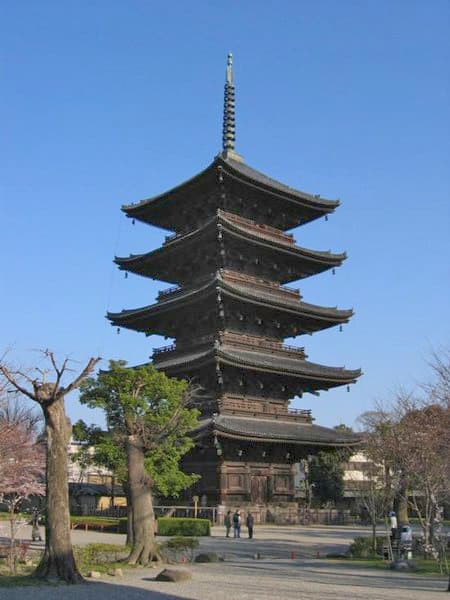
Five-storied Pagoda, To-ji
Kyoto's great temple tower, still legible as a reliquary and esoteric sacred form.
Same tradition elsewhere
Buddhism sacred sites beyond Japan
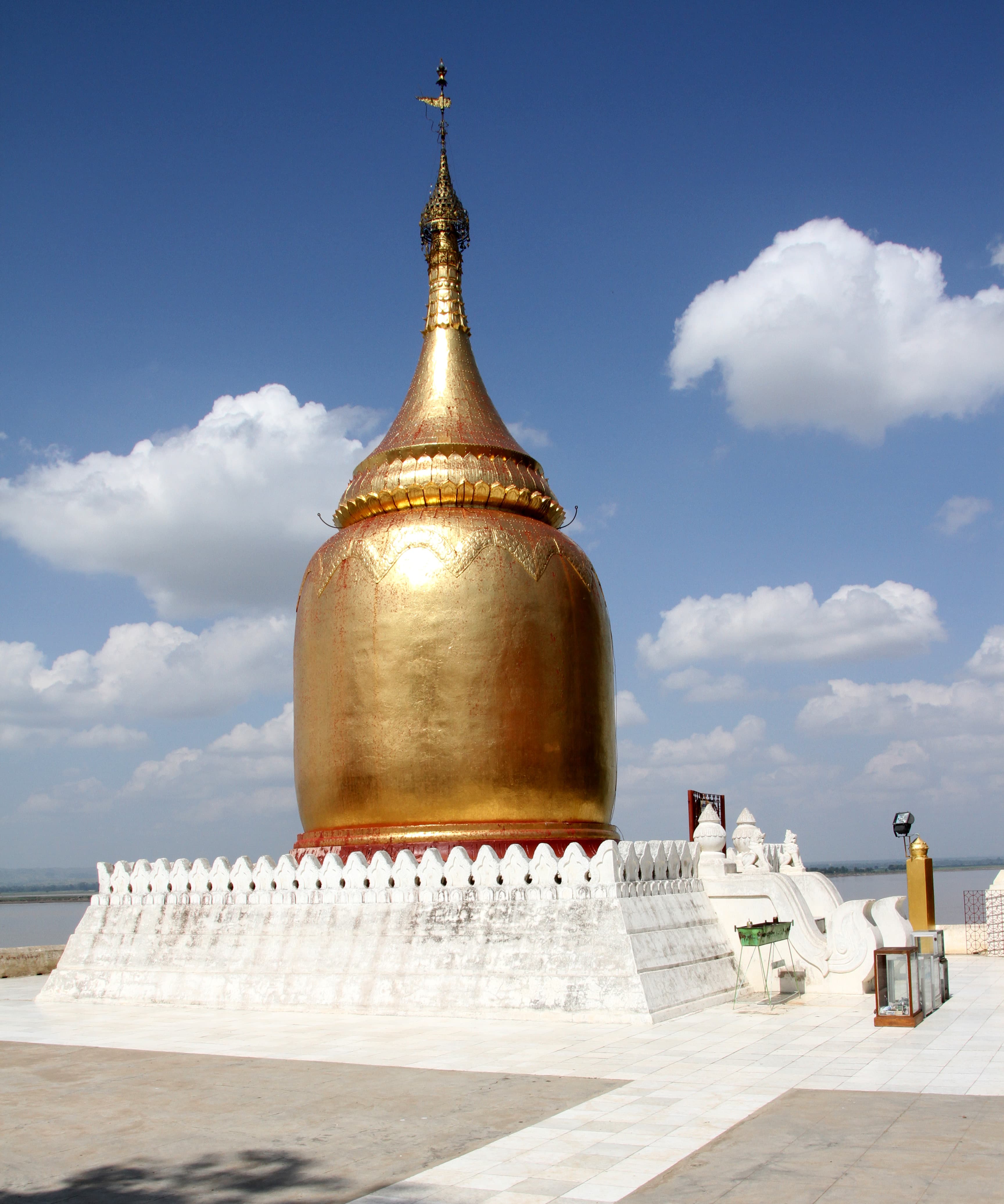
Bupaya Pagoda
A river-edge Bagan pagoda that keeps the stupa, pilgrimage, and waterfront dimensions of the sacred landscape visible together.
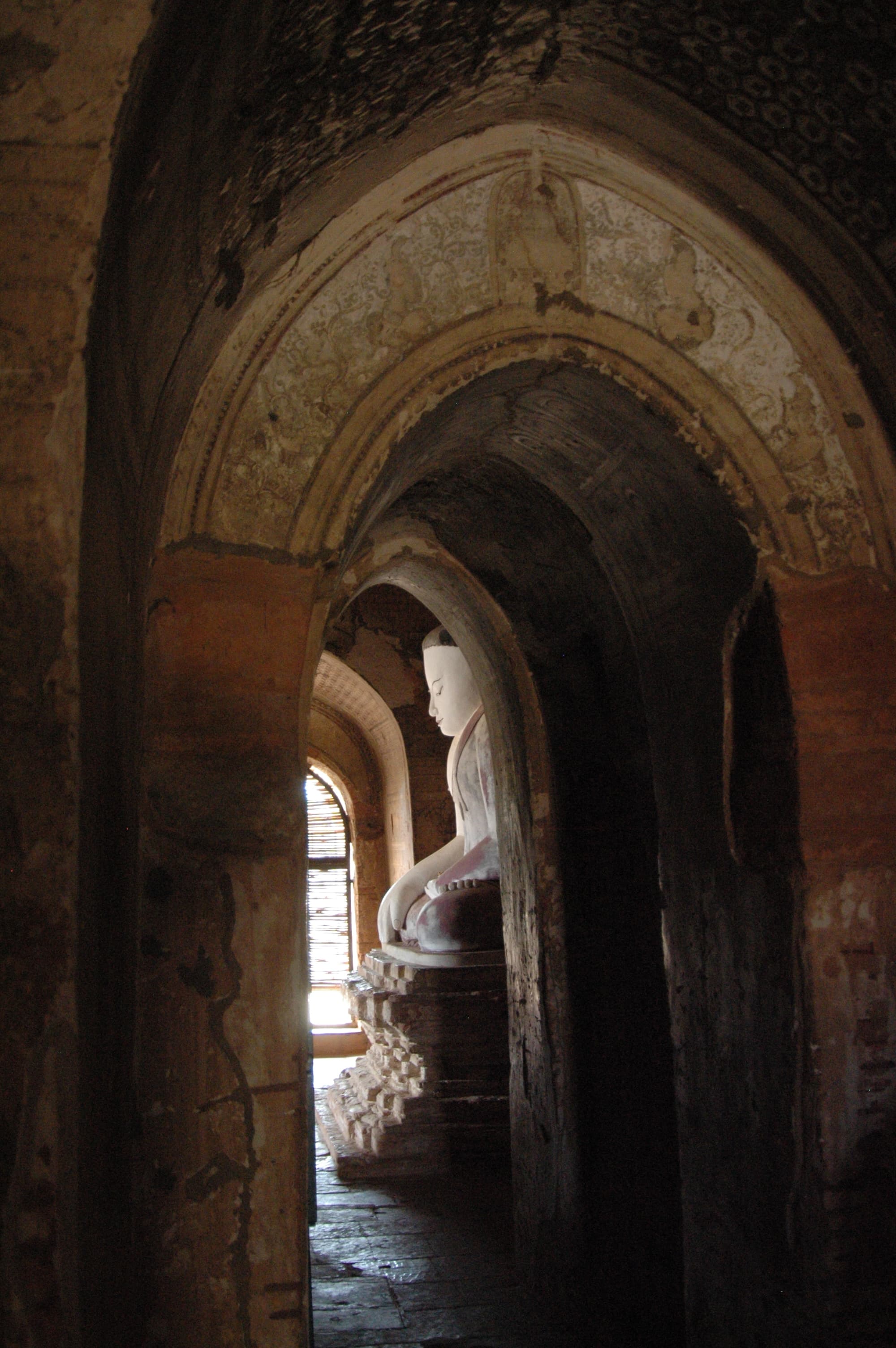
Dhammayazika Pagoda
A pagoda in the Bagan sacred plain where broad terraces, circular mass, and hill-like prominence keep it legible as a major stupa presence within the sacred landscape.
Regional journeys
Journeys in Japan
Horyu-ji Temple Sequence
A Horyu-ji route through pagoda, hall, and image-centered stops that reads the precinct as a layered early Buddhist complex rather than as a single famous building.
Kiyomizu-dera Temple Precinct
A fuller Kiyomizu-dera route through hall, shrine, gate, pagoda, and waterfall that reads the mountain precinct as a layered sacred environment rather than as one famous stage alone.
Keep exploring