Living sacred site
Five-storied Pagoda, To-ji
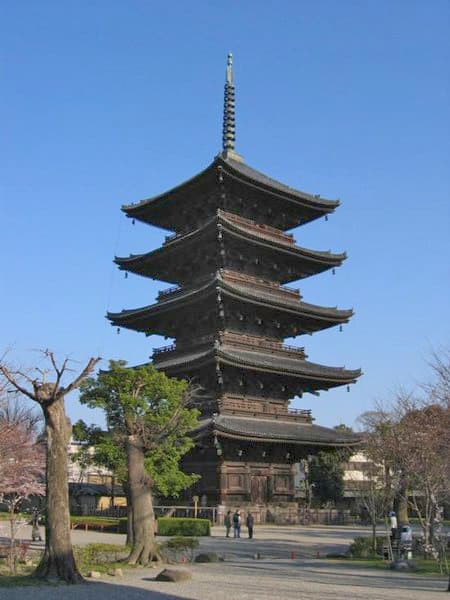
Five-storied Pagoda, To-ji matters because the most visible symbol of the temple still carries reliquary and mandalic meaning rather than functioning as a skyline icon alone.
Visitor essentials
What stands out
Scope note
Keep in view
Keep the pagoda framed as a sacred tower inside Tō-ji, not only as a Kyoto landmark.
At a glance
Before you visit
Kyoto's great temple tower, still legible as a reliquary and esoteric sacred form
Why it matters
UNESCO frames Historic Monuments of Ancient Kyoto (Kyoto, Uji and Otsu Cities) as a sacred monument world where Buddhist temples, Shinto shrines, and historic precincts preserve the religious heart of Kyoto, Uji, and Otsu, and the supporting site sources keep Five-storied Pagoda, To-ji legible as a pagoda within the sacred monument world of Ancient Kyoto.
That matters because Five-storied Pagoda, To-ji is strongest as the towering reliquary whose sacred interior and urban visibility make Tō-ji's Shingon presence visible across Kyoto rather than only the landmark tower seen from the train.
Respect notes
Visiting notes
Story and context
History and sacred context
Sources
- Official websitePrimary visitor-facing site for current access and institutional context.
- UNESCO entryPrimary authority source for the Ancient Kyoto serial property and its religious monuments.
- Wikipedia entryWikipedia article for Five-storied Pagoda, To-ji.
- Historic Monuments of Ancient Kyoto (Kyoto, Uji and Otsu Cities) (Property 688)Primary authority source for the Ancient Kyoto serial property and its religious monuments.
- Tō-ji Temple (Q1046403)Parent entity anchor for Tō-ji / Kyōō Gokoku-ji as a Shingon Buddhist temple and component of the Ancient Kyoto world heritage property.
- Category:TojiVisual context for Tō-ji, its pagoda, main halls, and wider Shingon temple precinct.
- Five-storied Pagoda, Toji (Q107020572)Entity anchor for the Five-storied Pagoda of Tō-ji.
- Category:Five-storied Pagoda, TojiVisual context for the Five-storied Pagoda of Tō-ji and its views across the precinct.
- Five-storied PagodaOfficial Tō-ji guide page describing the pagoda, its rebuilding history, and the esoteric spatial program inside the first story.
- Five-storied Pagoda, To-jiWikipedia article for Five-storied Pagoda, To-ji.
Nearby places
Nearby sacred places in Japan
Five-storied Pagoda, Daigo-ji
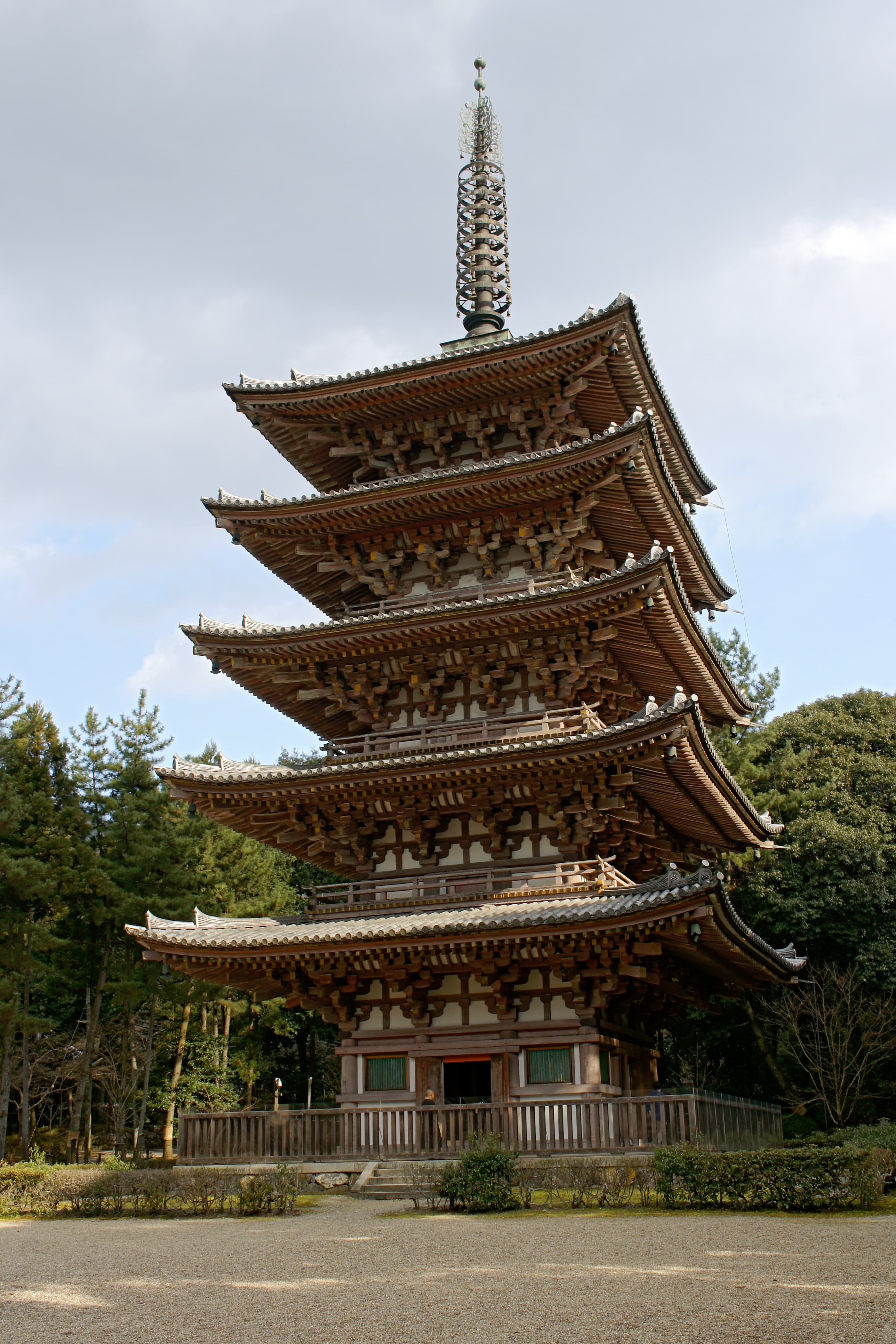
Daigo-ji's ancient pagoda, where memorial purpose and sacred tower meaning still hold.
Five-storied Pagoda, Horyu-ji
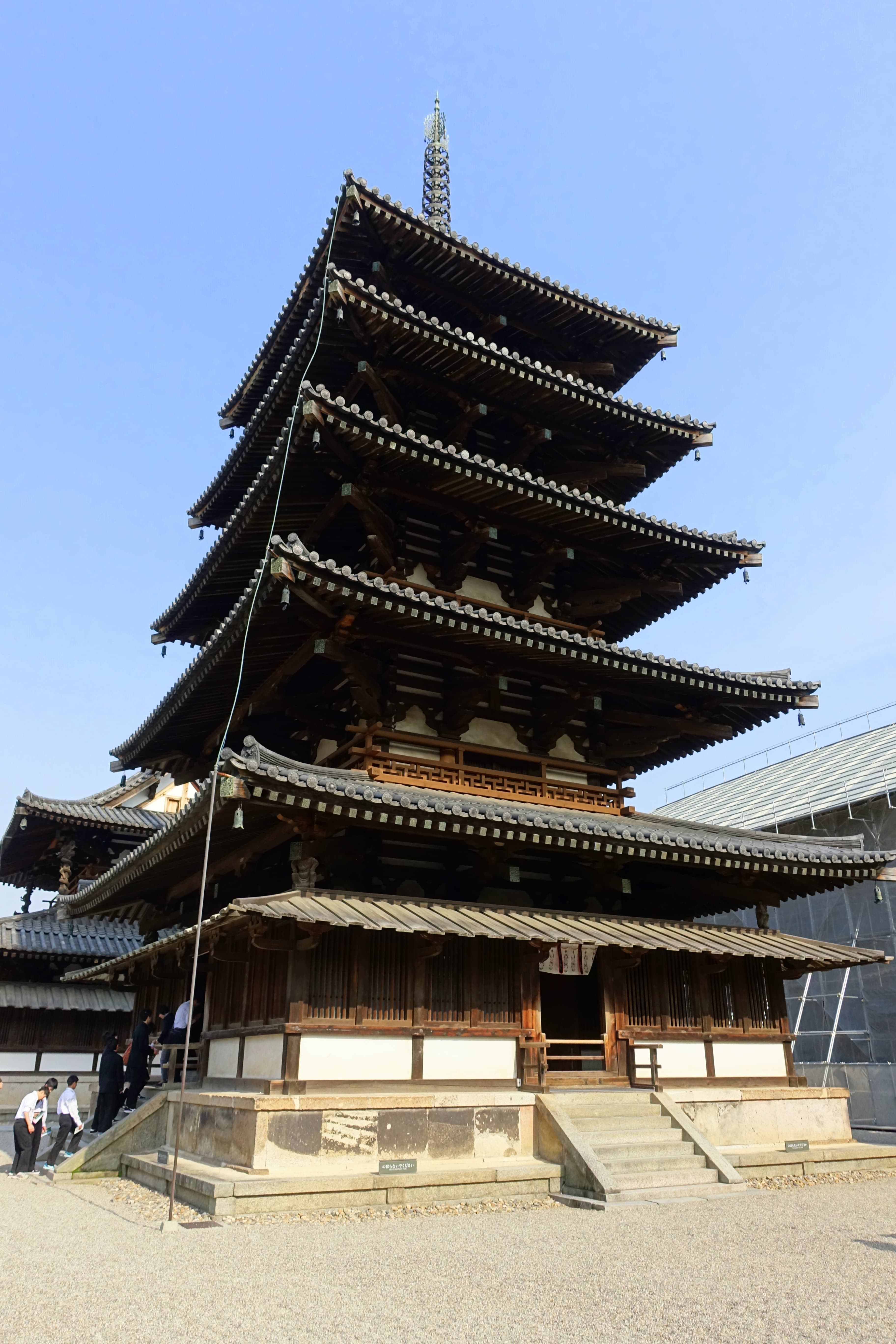
The pagoda beside Horyu-ji's Golden Hall, where vertical form and precinct layout still shape the sacred court.
Five-storied Pagoda, Kofuku-ji
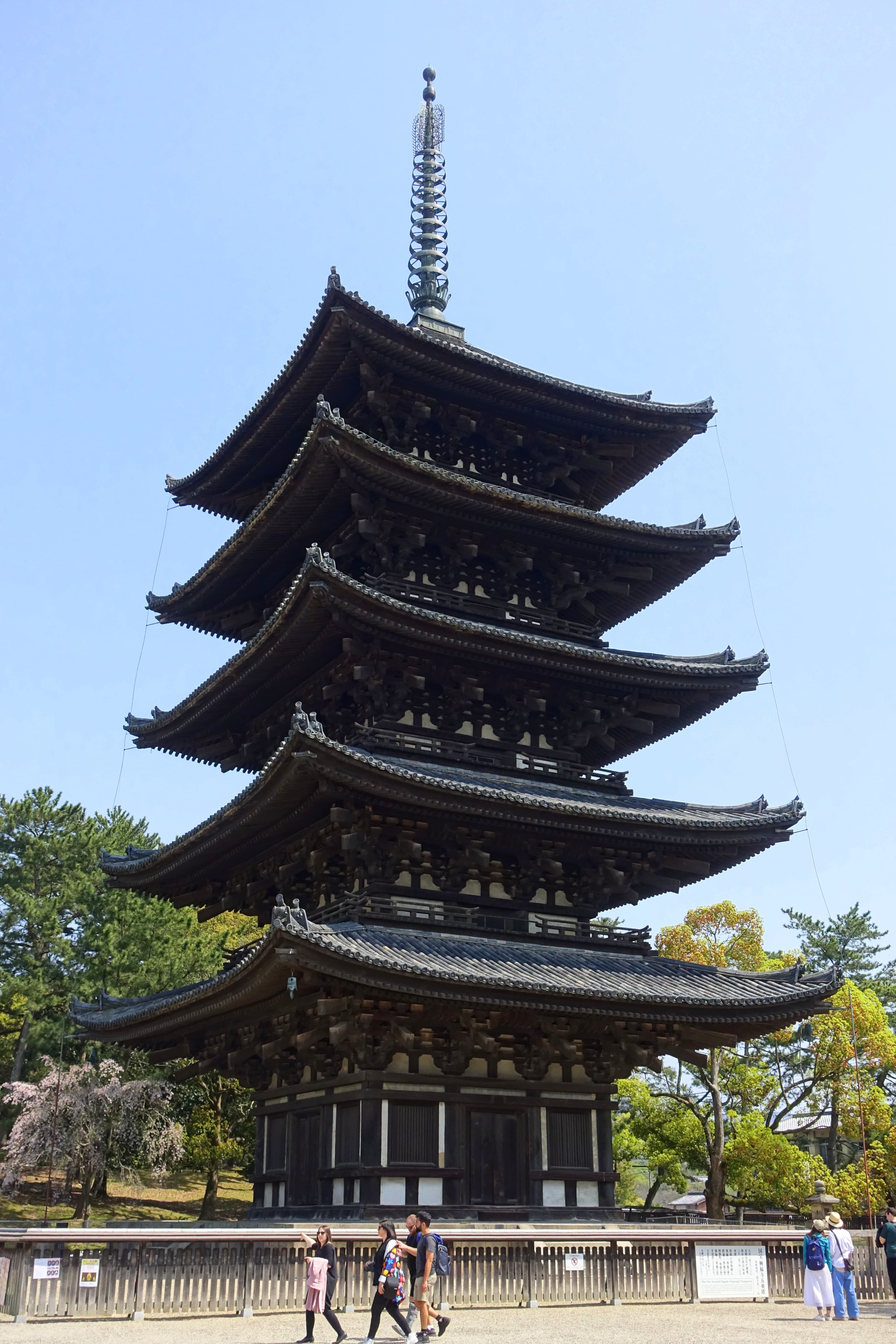
Nara's great pagoda, still grounded in reliquary meaning rather than skyline fame alone.
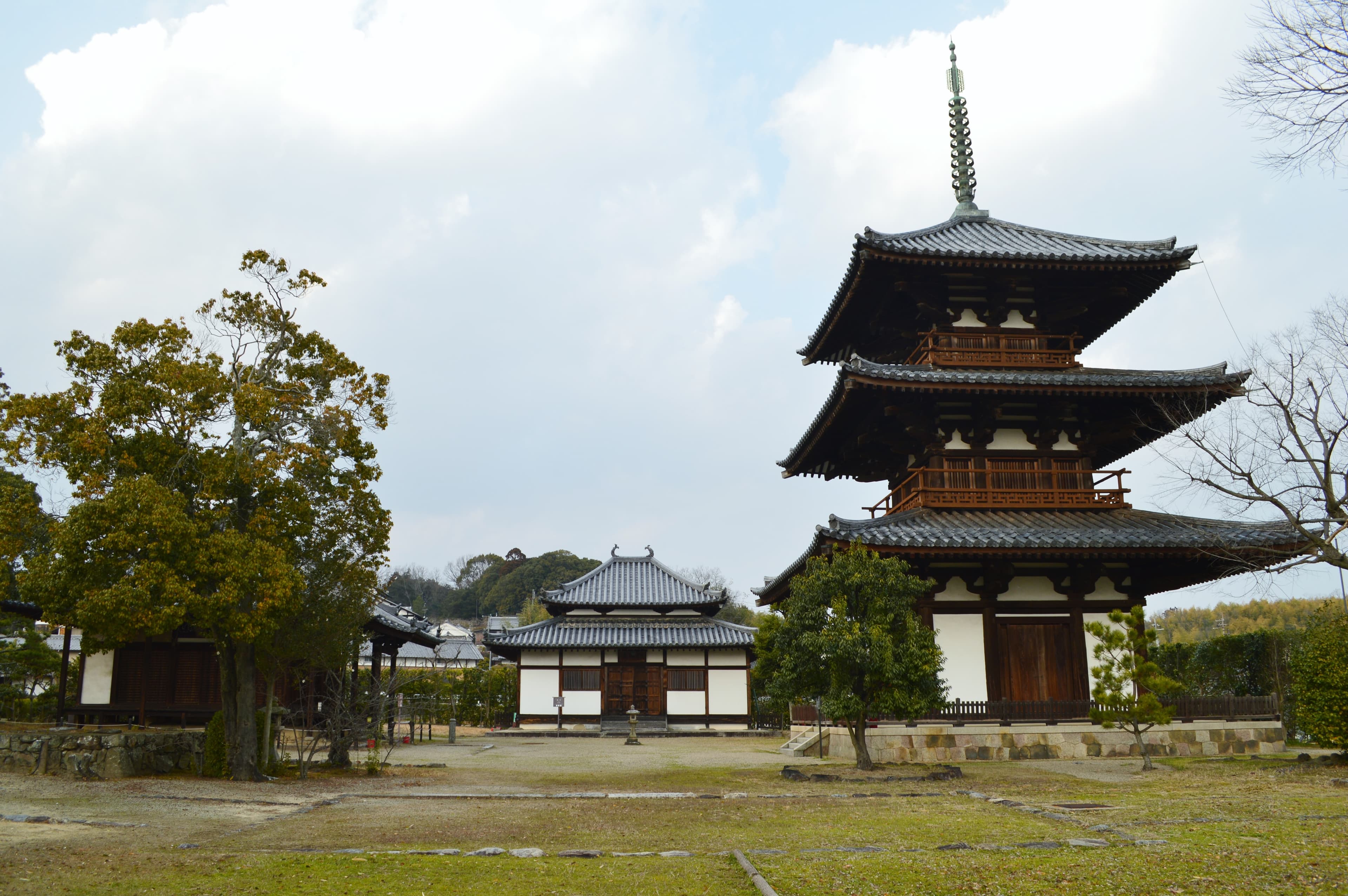
Three-storied Pagoda, Hokki-ji
Hokki-ji's pagoda, where early Buddhist tower form still rises from a notably quiet rural precinct.
Same tradition elsewhere
Buddhism sacred sites beyond Japan
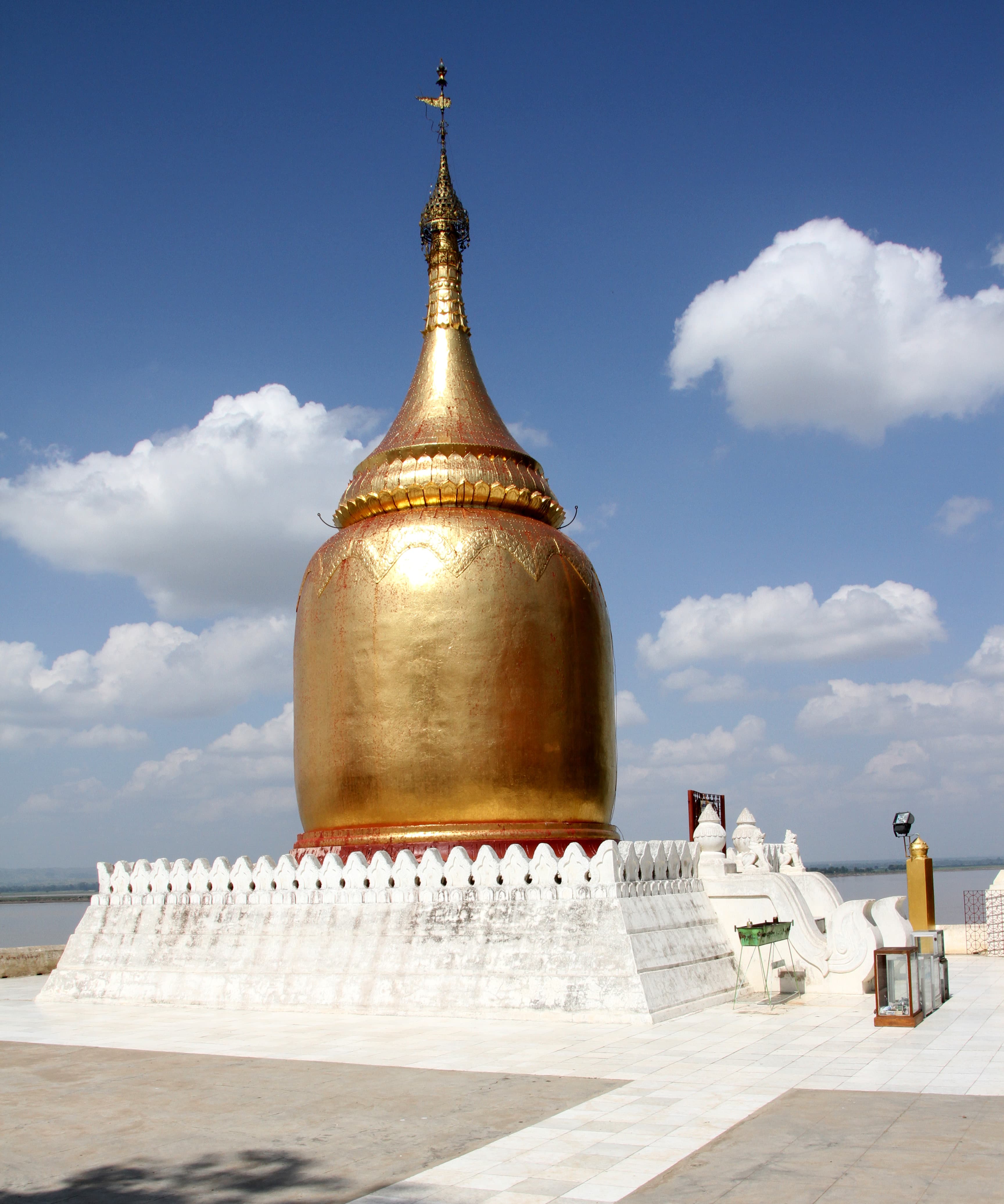
Bupaya Pagoda
A river-edge Bagan pagoda that keeps the stupa, pilgrimage, and waterfront dimensions of the sacred landscape visible together.
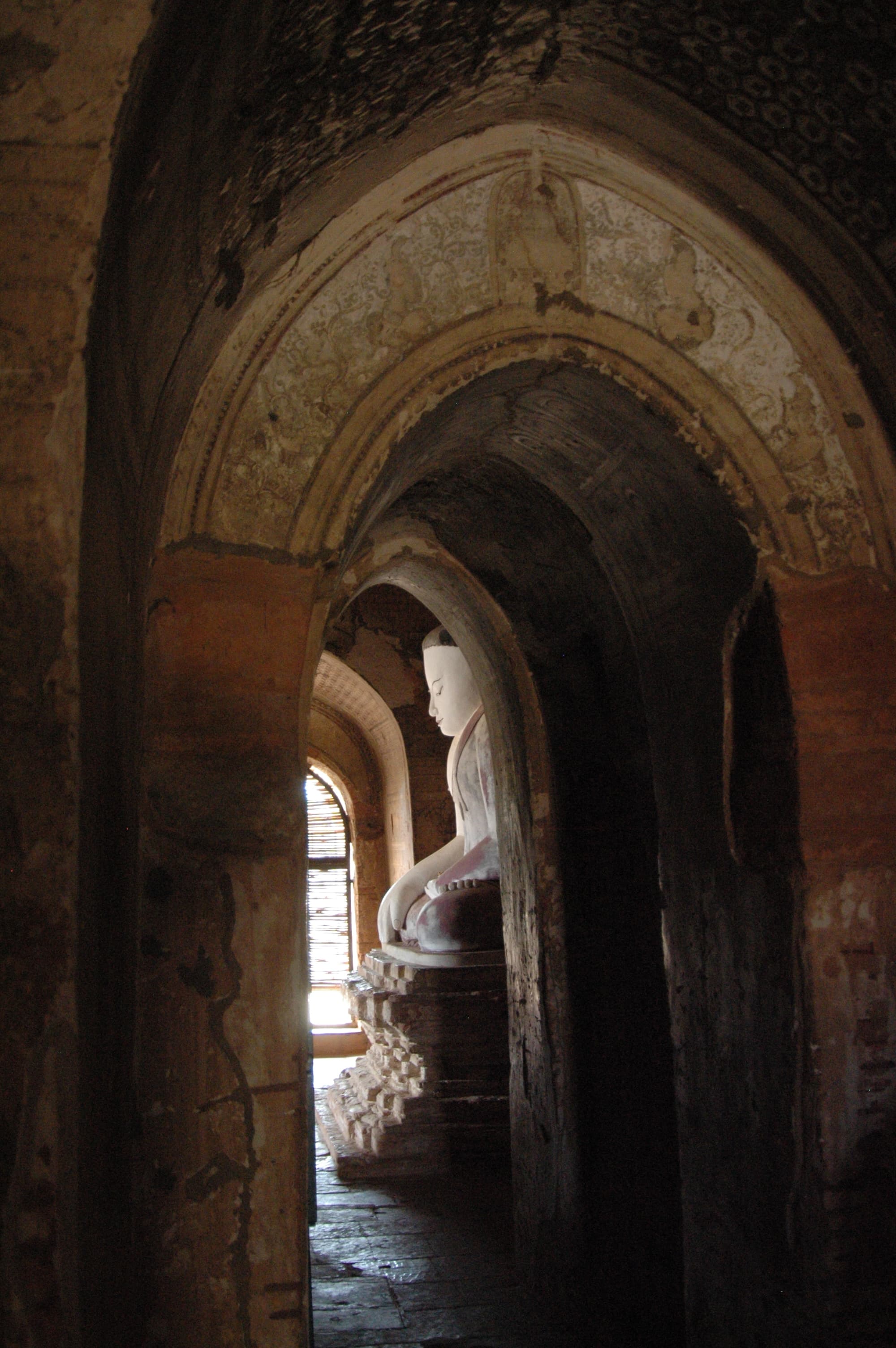
Dhammayazika Pagoda
A pagoda in the Bagan sacred plain where broad terraces, circular mass, and hill-like prominence keep it legible as a major stupa presence within the sacred landscape.
Regional journeys
Journeys in Japan
Horyu-ji Temple Sequence
A Horyu-ji route through pagoda, hall, and image-centered stops that reads the precinct as a layered early Buddhist complex rather than as a single famous building.
Kiyomizu-dera Temple Precinct
A fuller Kiyomizu-dera route through hall, shrine, gate, pagoda, and waterfall that reads the mountain precinct as a layered sacred environment rather than as one famous stage alone.
Keep exploring