Living sacred site
Nishi Hongan-ji
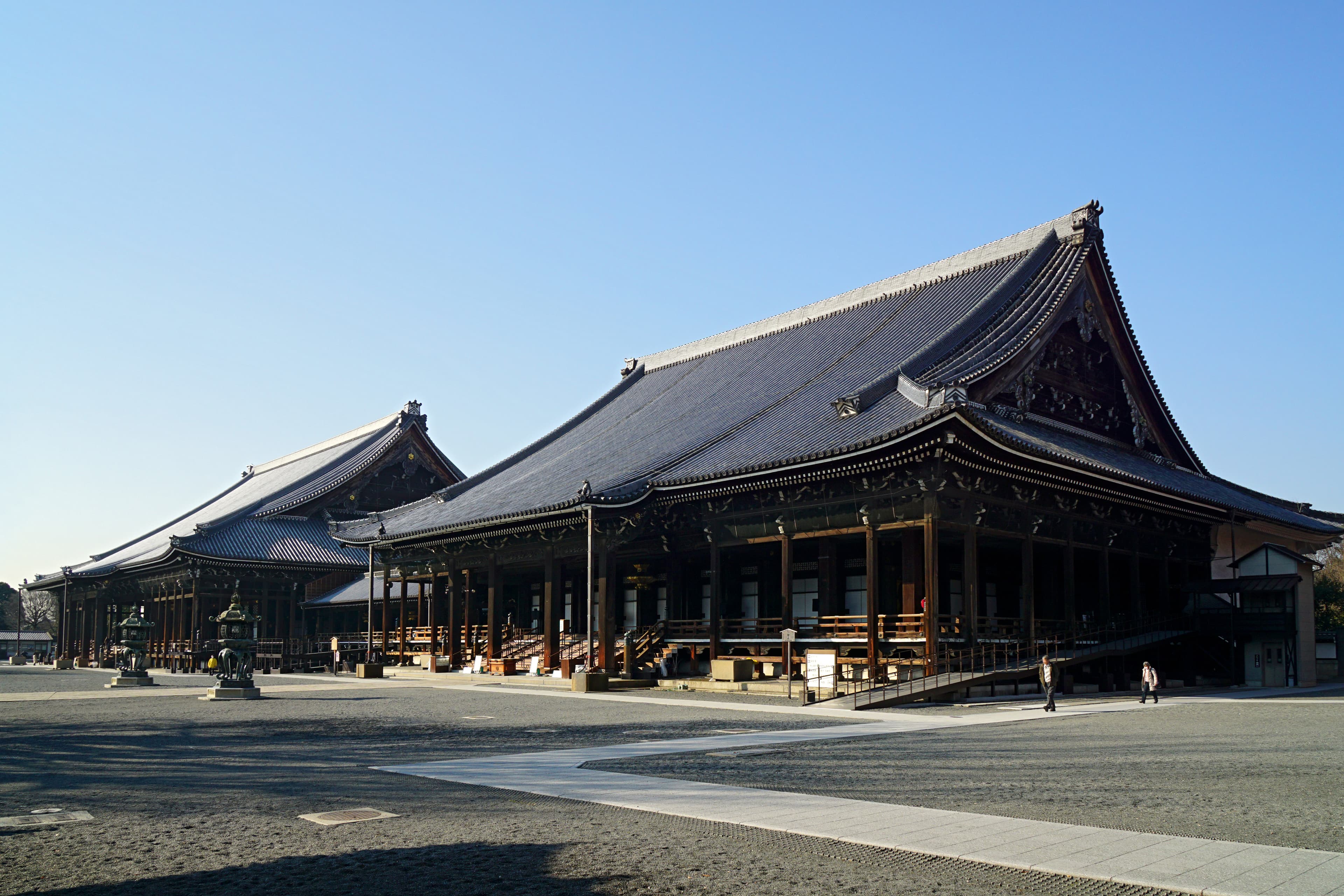
Nishi Hongan-ji gives Ancient Kyoto one of its clearest large-scale Buddhist institutional sites, where temple halls and living sect identity still shape the experience.
Visitor essentials
What stands out
Scope note
Keep in view
Keep Nishi Hongan-ji framed as a living Pure Land temple precinct rather than as a set of monumental halls without devotional context.
At a glance
Before you visit
A vast Pure Land temple precinct whose scale, halls, and continuity make it feel less like one monument than a living religious center
Why it matters
UNESCO maps identify Hongan-ji, commonly known as Nishi Hongan-ji, as a named component of the Ancient Kyoto property, while Wikidata and Commons identify it as a major Buddhist temple in Kyoto.
What makes the site especially important here is that it remains the head temple of the Honganji-ha school, so the sacred meaning depends on a living Pure Land precinct rather than on one isolated building.
Respect notes
Visiting notes
Story and context
History and sacred context
Sources
- Official websitePrimary visitor-facing site for current access and institutional context.
- UNESCO entryPrimary authority source for Ancient Kyoto as a world-heritage landscape of Japanese religious architecture and gardens.
- Wikipedia entryWikipedia article for Nishi Hongan-ji Temple.
- Nishi Hongan-ji Temple (Q1146038)Entity anchor for Nishi Hongan-ji / Hongan-ji as a Buddhist temple and Ancient Kyoto world-heritage component.
- Historic Monuments of Ancient Kyoto (Kyoto, Uji and Otsu Cities) (Property 688)Primary authority source for Ancient Kyoto as a world-heritage landscape of Japanese religious architecture and gardens.
- Historic Monuments of Ancient Kyoto - MapsComponent map source identifying Hongan-ji / Nishi Hongan-ji within the Ancient Kyoto property.
- Category:Nishi HongwanjiVisual context for Nishi Hongan-ji, its halls, gates, and wider temple precinct.
- Nishi Hongan-ji TempleWikipedia article for Nishi Hongan-ji Temple.
- Official website of Nishi Hongan-jiOfficial website for Nishi Hongan-ji.
Nearby places
Nearby sacred places in Japan
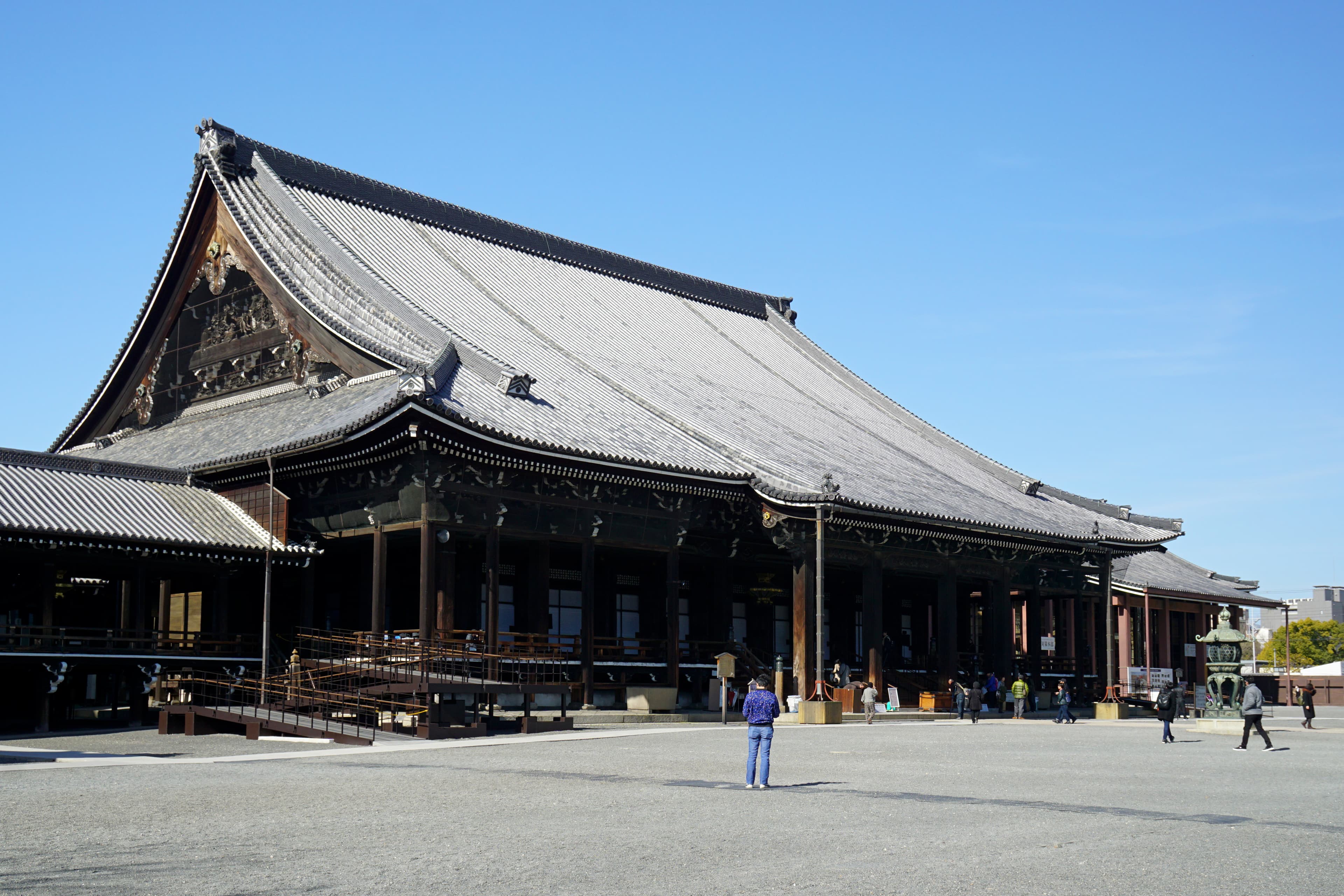
Amida-dō, Nishi Hongan-ji
The Amida hall of Nishi Hongan-ji, where Pure Land devotion still gives doctrinal center to the whole precinct.
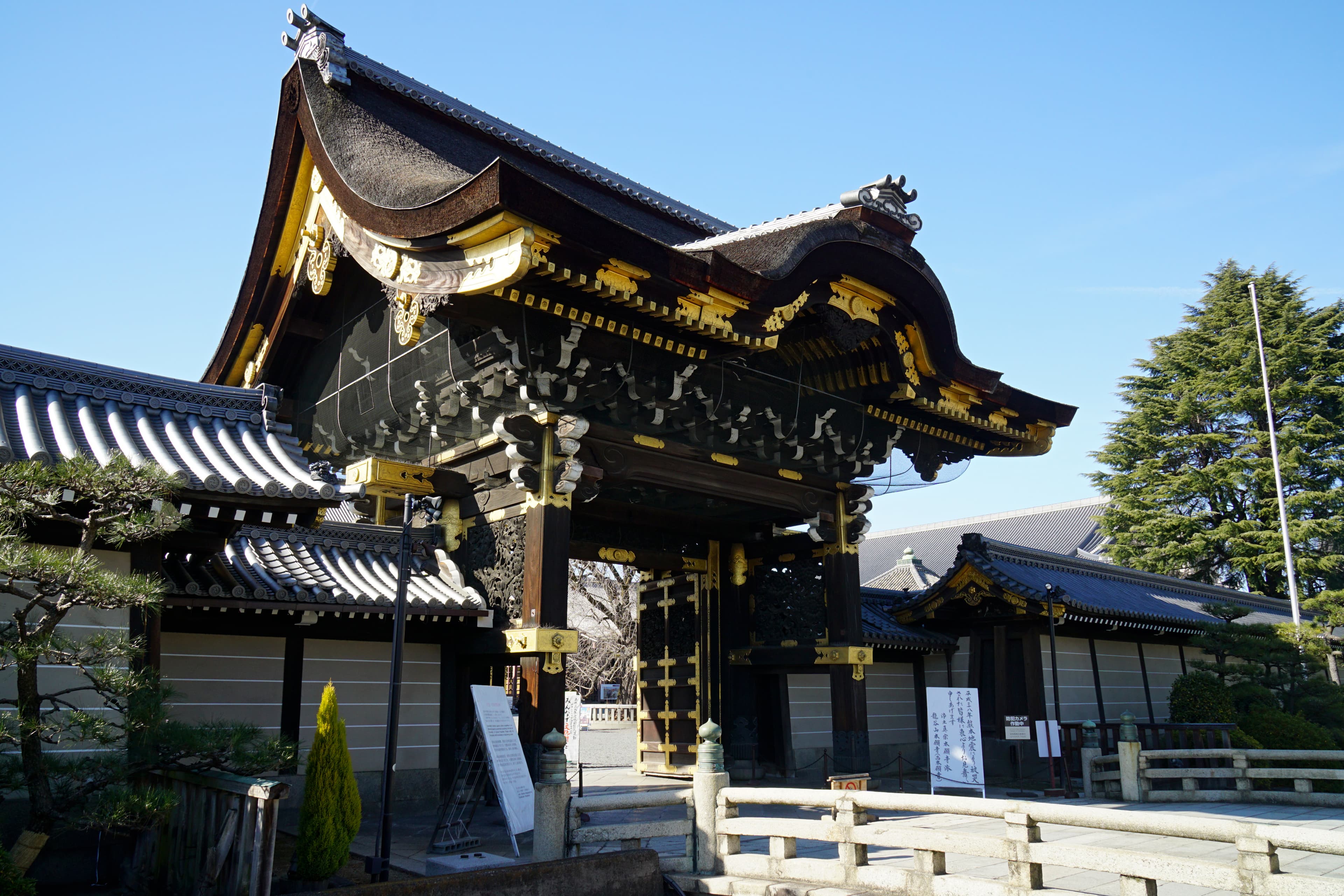
Amidadō-mon, Nishi Hongan-ji
The gate to Nishi Hongan-ji's Amida hall, where approach still carries visitors into the doctrinal center of the precinct.
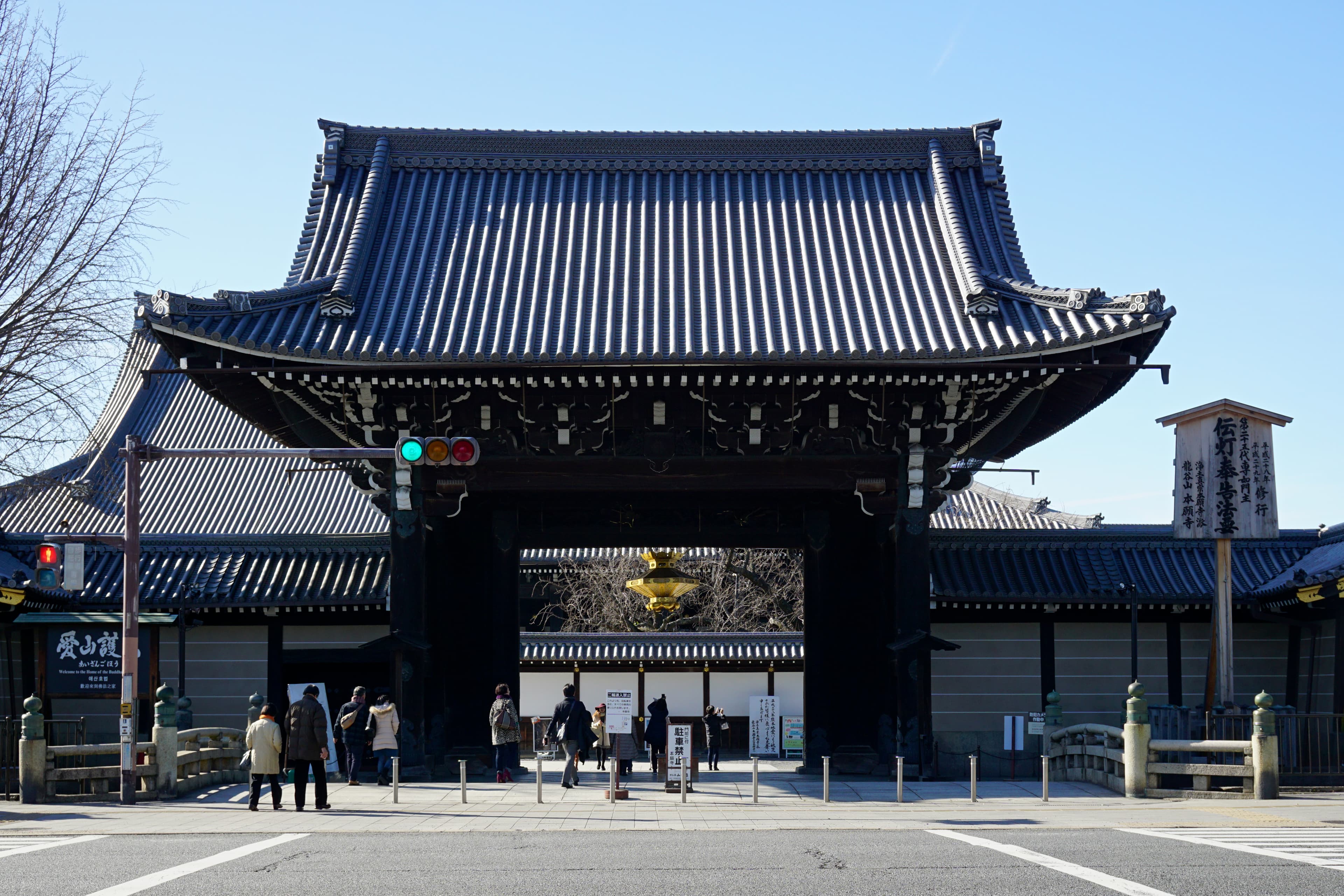
Goeidō-mon, Nishi Hongan-ji
The gate to Shinran's hall, where city approach still gives way to the living ritual center of Nishi Hongan-ji.
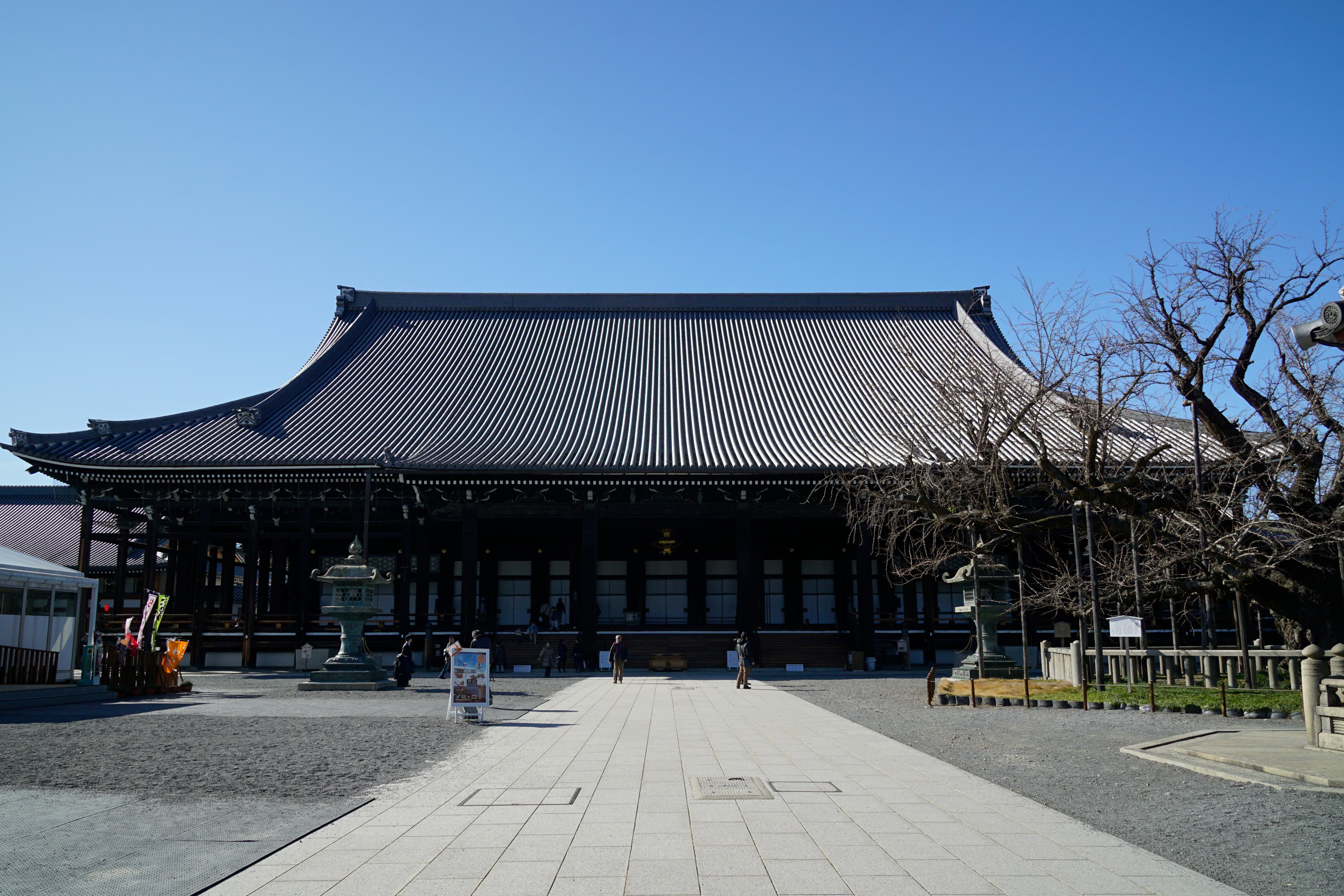
Goeidō, Nishi Hongan-ji
Nishi Hongan-ji's founder's hall, where Shinran devotion still anchors the living heart of the precinct.
On the same route
Places on the same route
Goeidō, Nishi Hongan-ji
Nishi Hongan-ji's founder's hall, where Shinran devotion still anchors the living heart of the precinct.
Amida-dō, Nishi Hongan-ji
The Amida hall of Nishi Hongan-ji, where Pure Land devotion still gives doctrinal center to the whole precinct.
Goeidō-mon, Nishi Hongan-ji
The gate to Shinran's hall, where city approach still gives way to the living ritual center of Nishi Hongan-ji.
Amidadō-mon, Nishi Hongan-ji
The gate to Nishi Hongan-ji's Amida hall, where approach still carries visitors into the doctrinal center of the precinct.
Related journeys
Related journeys
Keep exploring