Living sacred site
Amida-dō, Nishi Hongan-ji
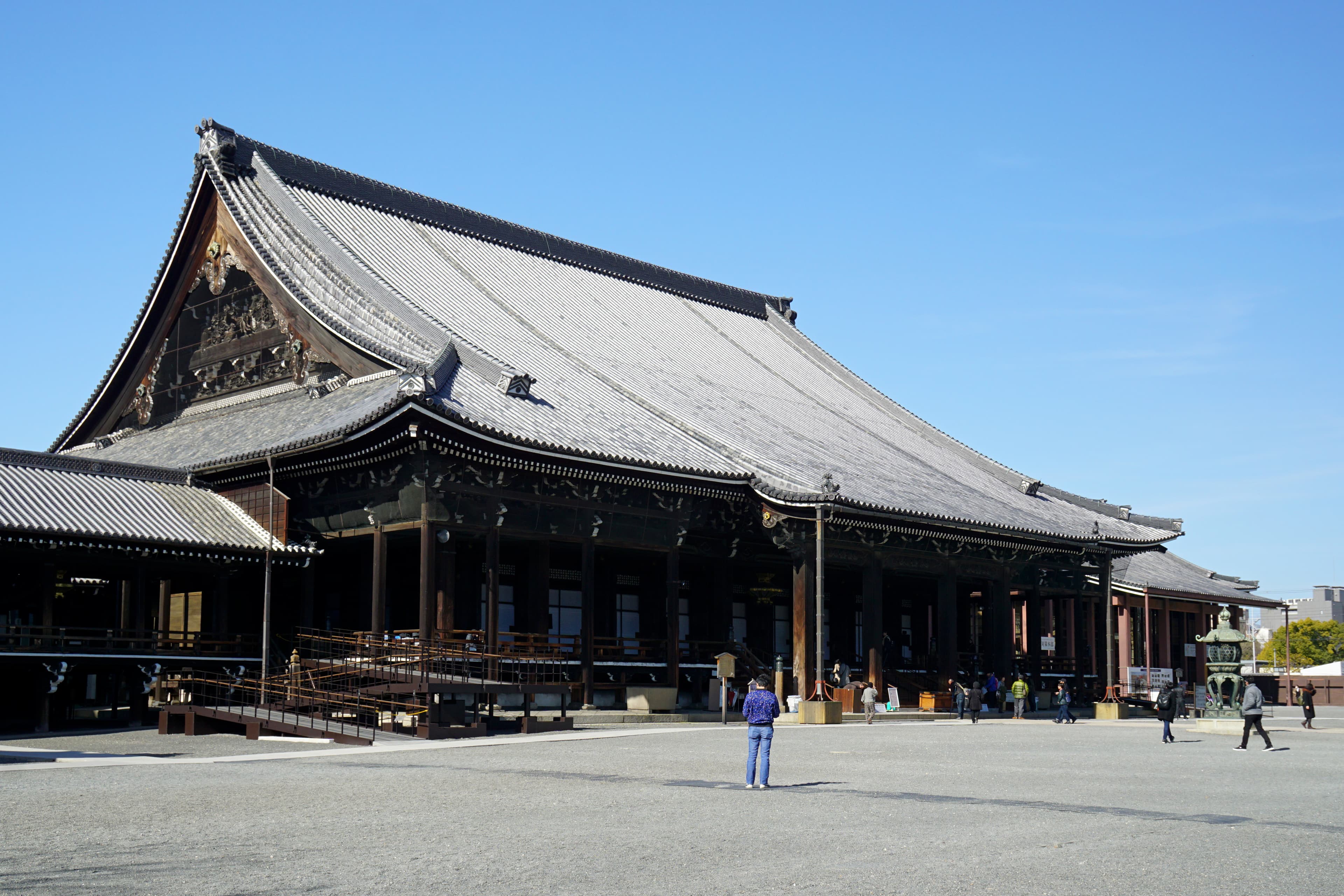
Amida-dō, Nishi Hongan-ji matters because it keeps Amitabha devotion visibly central within a living head temple rather than serving as a secondary monument.
Visitor essentials
What stands out
Scope note
Keep in view
Keep Amida-dō framed as the living Amida hall of the precinct, not just as the hall beside Goeidō.
At a glance
Before you visit
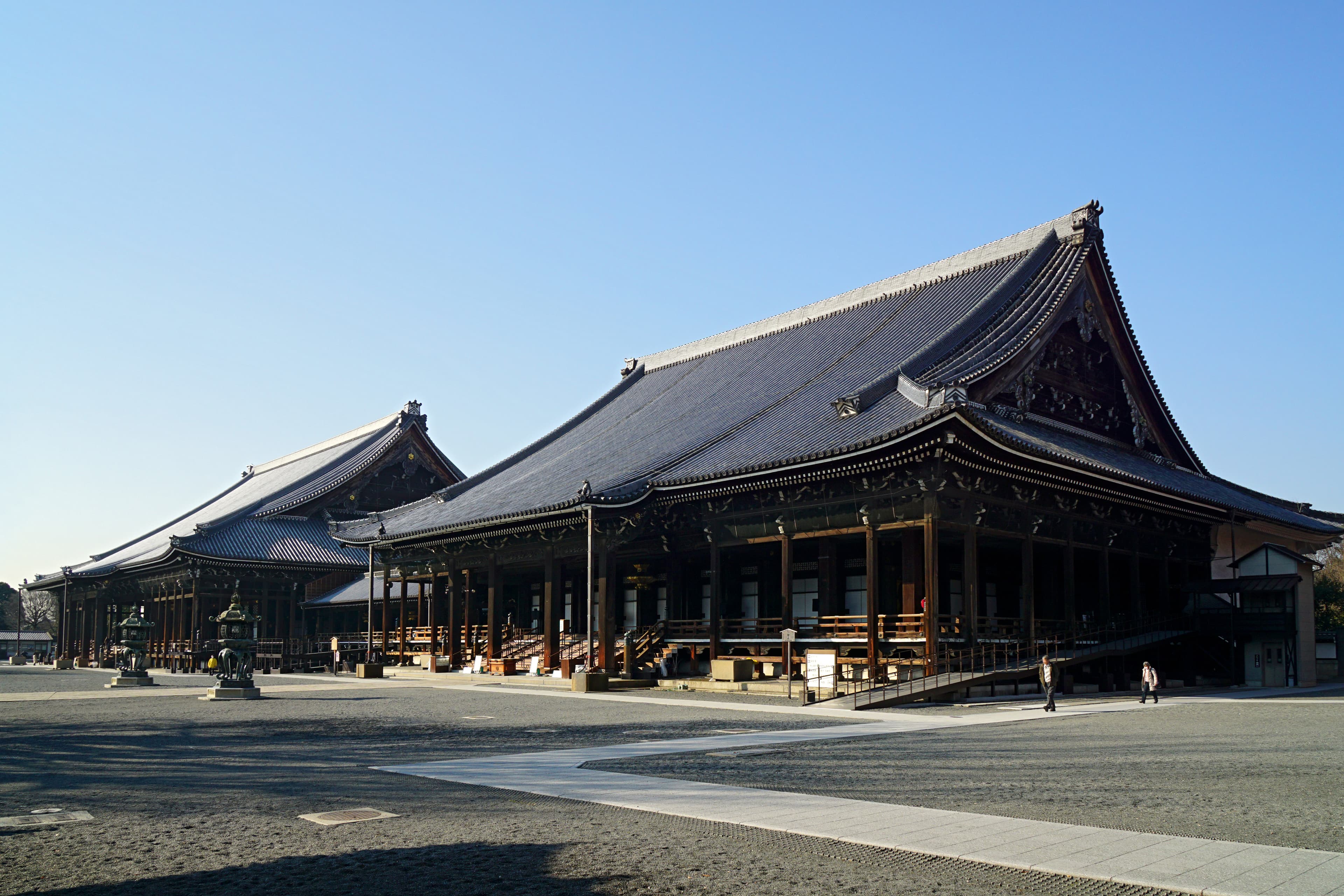
The Amida hall of Nishi Hongan-ji, where Pure Land devotion still gives doctrinal center to the whole precinct
Why it matters
UNESCO frames Historic Monuments of Ancient Kyoto (Kyoto, Uji and Otsu Cities) as a world-heritage religious landscape where temples, shrines, and sacred precincts still shape Kyoto, Uji, and Otsu, and the supporting site sources keep Amida-dō, Nishi Hongan-ji legible as an amida hall within the sacred monument world of Ancient Kyoto.
That matters because Amida-dō, Nishi Hongan-ji is strongest as the Amida hall where Amitabha remains the theological and devotional center of the Pure Land head temple rather than only the large companion hall next to the founder's hall.
Respect notes
Visiting notes
Story and context
History and sacred context
Sources
- Official websitePrimary visitor-facing site for current access and institutional context.
- UNESCO entryPrimary authority source for the Ancient Kyoto serial property and its religious monuments.
- Wikipedia entryWikipedia article for Nishi Hongan-ji Temple.
- Historic Monuments of Ancient Kyoto (Kyoto, Uji and Otsu Cities) (Property 688)Primary authority source for the Ancient Kyoto serial property and its religious monuments.
- Nishi Hongan-ji Temple (Q1146038)Entity anchor for Nishi Hongan-ji / Hongan-ji as a Buddhist temple and Ancient Kyoto world-heritage component.
- Category:Nishi HongwanjiVisual context for Nishi Hongan-ji, its halls, gates, and wider temple precinct.
- Nishi Hongwanji TempleOfficial English overview for Nishi Hongwanji describing the temple as the head temple of the Jodo Shinshu Hongwanji-ha organization and listing its major halls and gate treasures.
- Precinct Guide | Nishi Hongwanji TempleOfficial precinct guide describing Goeido, Amidado, Karamon, and other Hongwanji structures with their enshrined figures and historical roles.
- Category:Amida Hall, Nishi HongwanjiVisual context for the Amida Hall of Nishi Hongwanji.
- Precinct Guide | Nishi Hongwanji TempleOfficial precinct guide describing Amidado, the enshrined Amida Buddha, and the surrounding Pure Land lineage figures.
- Nishi Hongan-ji TempleWikipedia article for Nishi Hongan-ji Temple.
Nearby places
Nearby sacred places in Japan
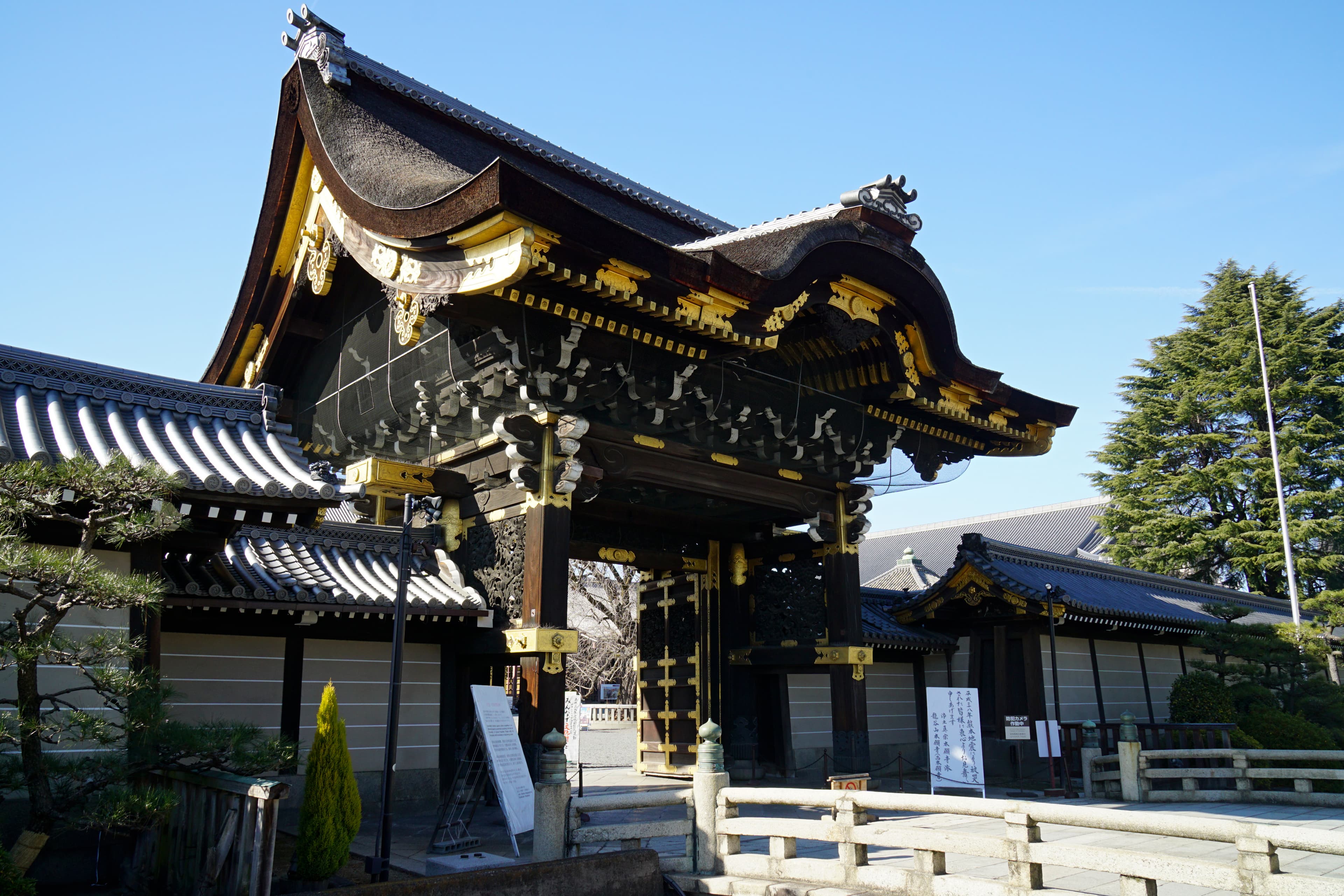
Amidadō-mon, Nishi Hongan-ji
The gate to Nishi Hongan-ji's Amida hall, where approach still carries visitors into the doctrinal center of the precinct.
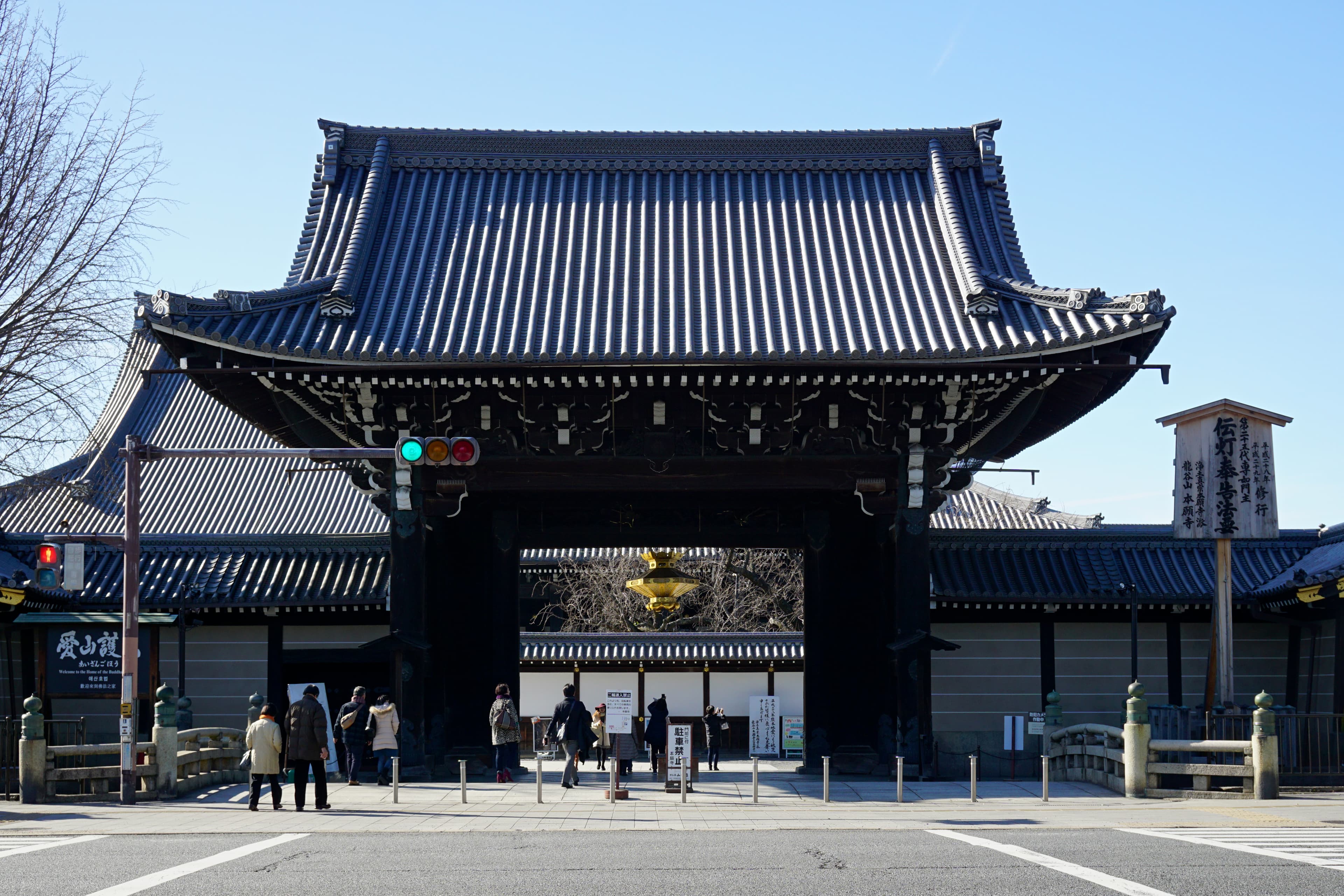
Goeidō-mon, Nishi Hongan-ji
The gate to Shinran's hall, where city approach still gives way to the living ritual center of Nishi Hongan-ji.
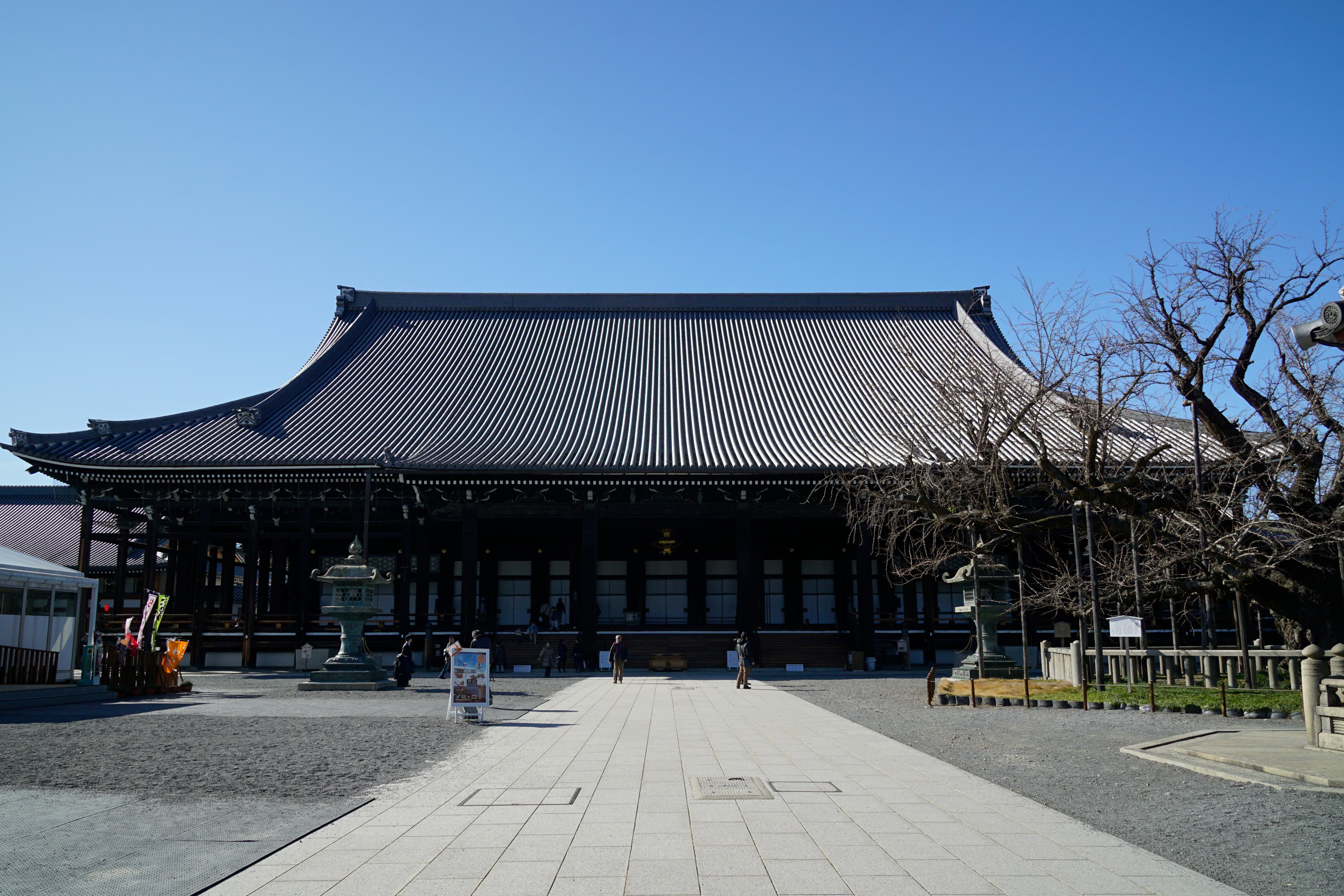
Goeidō, Nishi Hongan-ji
Nishi Hongan-ji's founder's hall, where Shinran devotion still anchors the living heart of the precinct.
Nishi Hongan-ji
A vast Pure Land temple precinct whose scale, halls, and continuity make it feel less like one monument than a living religious center.
On the same route
Places on the same route
Nishi Hongan-ji
A vast Pure Land temple precinct whose scale, halls, and continuity make it feel less like one monument than a living religious center.
Goeidō, Nishi Hongan-ji
Nishi Hongan-ji's founder's hall, where Shinran devotion still anchors the living heart of the precinct.
Goeidō-mon, Nishi Hongan-ji
The gate to Shinran's hall, where city approach still gives way to the living ritual center of Nishi Hongan-ji.
Amidadō-mon, Nishi Hongan-ji
The gate to Nishi Hongan-ji's Amida hall, where approach still carries visitors into the doctrinal center of the precinct.
Related journeys
Related journeys
Keep exploring