Living sacred site
Mahabodhi Temple Complex at Bodh Gaya
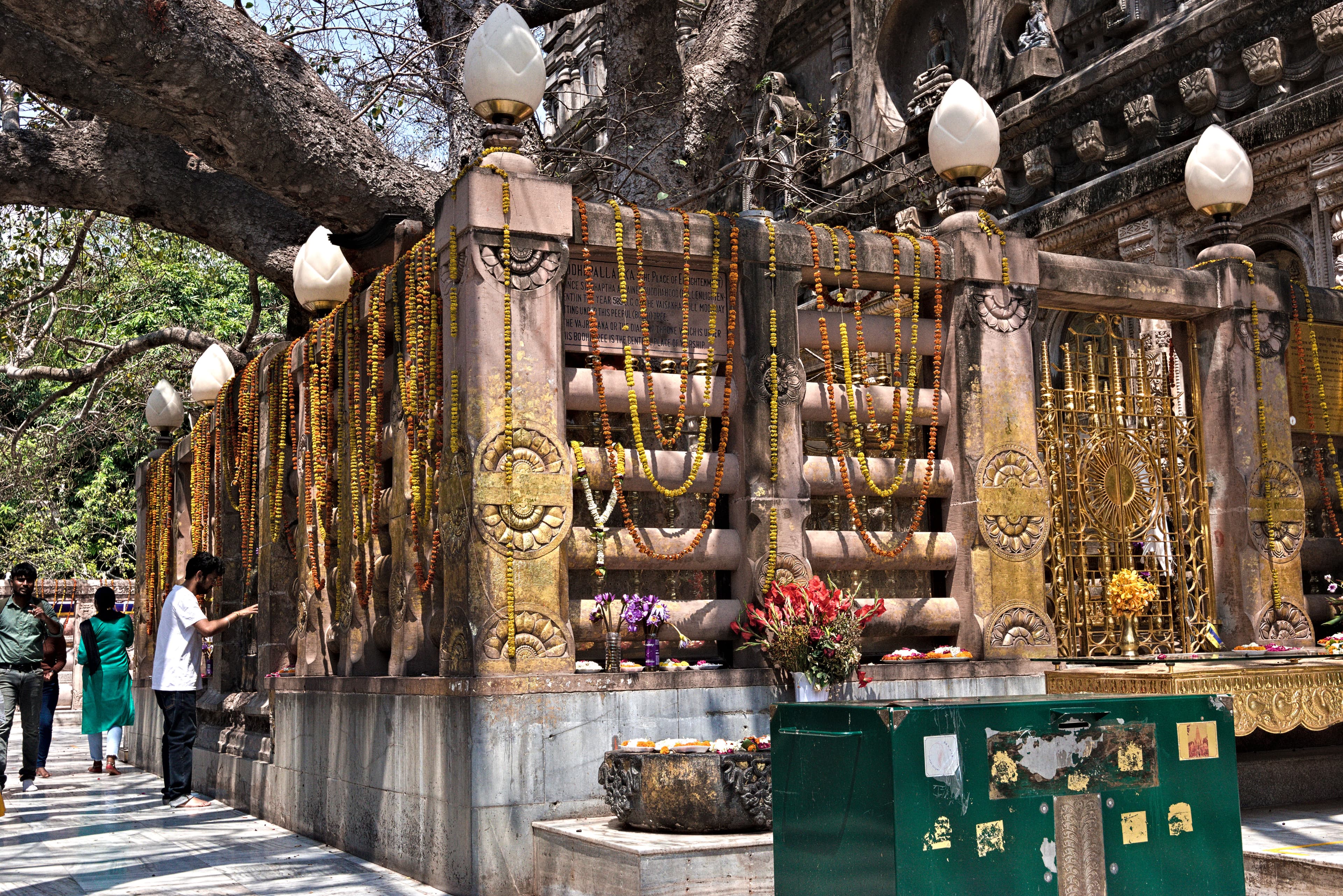
Mahabodhi Temple Complex at Bodh Gaya is the Buddhist enlightenment precinct at Bodh Gaya, distinguished by the way the main temple, Bodhi Tree, Vajrasana, and named sacred stations still read together as one living pilgrimage landscape rather than a single monumental shrine.
Visitor essentials
What stands out
Scope note
Keep in view
Keep it visible as the full enlightenment precinct, not just the central brick temple.
At a glance
Before you visit
A living Buddhist pilgrimage precinct at Bodh Gaya where the temple, Bodhi Tree, Vajrasana, and sacred week stations still read as one enlightenment landscape rather than a single famous tower
Why it matters
UNESCO frames Mahabodhi as a living Buddhist enlightenment precinct where the temple, the Bodhi Tree, the Vajrasana, and the sacred places of the seven weeks remain joined in one pilgrimage landscape.
That matters because the sacred identity of Bodh Gaya is carried by the whole enlightenment precinct, not only by the central tower.
Respect notes
Visiting notes
Story and context
History and sacred context
Sources
- Official websitePrimary visitor-facing site for current access and institutional context.
- UNESCO entryPrimary authority source for the Mahabodhi Temple Complex as a living Buddhist enlightenment precinct including the temple, Bodhi Tree, Vajrasana, and the associated sacred places of the weeks following enlightenment.
- Wikipedia entryWikipedia article for Mahabodhi Temple.
- Mahabodhi Temple Complex at Bodh Gaya (Property 1056)Primary authority source for the Mahabodhi Temple Complex as a living Buddhist enlightenment precinct including the temple, Bodhi Tree, Vajrasana, and the associated sacred places of the weeks following enlightenment.
- Mahabodhi Temple ComplexUNESCO overview emphasizing the Mahabodhi Temple Complex as a living Buddhist site that includes the main temple and other named holy places tied to the Buddha's enlightenment.
- Mahabodhi Temple (Q4513)Entity anchor for the Mahabodhi Temple and its immediate sacred precinct in Bodh Gaya.
- Bodhi Tree (Q321437)Entity anchor for the sacred fig tree associated with the Buddha's enlightenment at Bodh Gaya.
- Bodhgaya TempleOfficial BTMC website linked by UNESCO for the Mahabodhi Temple Complex, with visitor information, contact details, and institutional sections for the temple and management committee.
- Important Places - Bodhgaya TempleBTMC precinct index listing the sacred places of the enlightenment weeks inside the Mahabodhi complex.
- Mahabodhi TempleWikipedia article for Mahabodhi Temple.
Nearby places
Nearby sacred places in South Asia
Anuradhapura
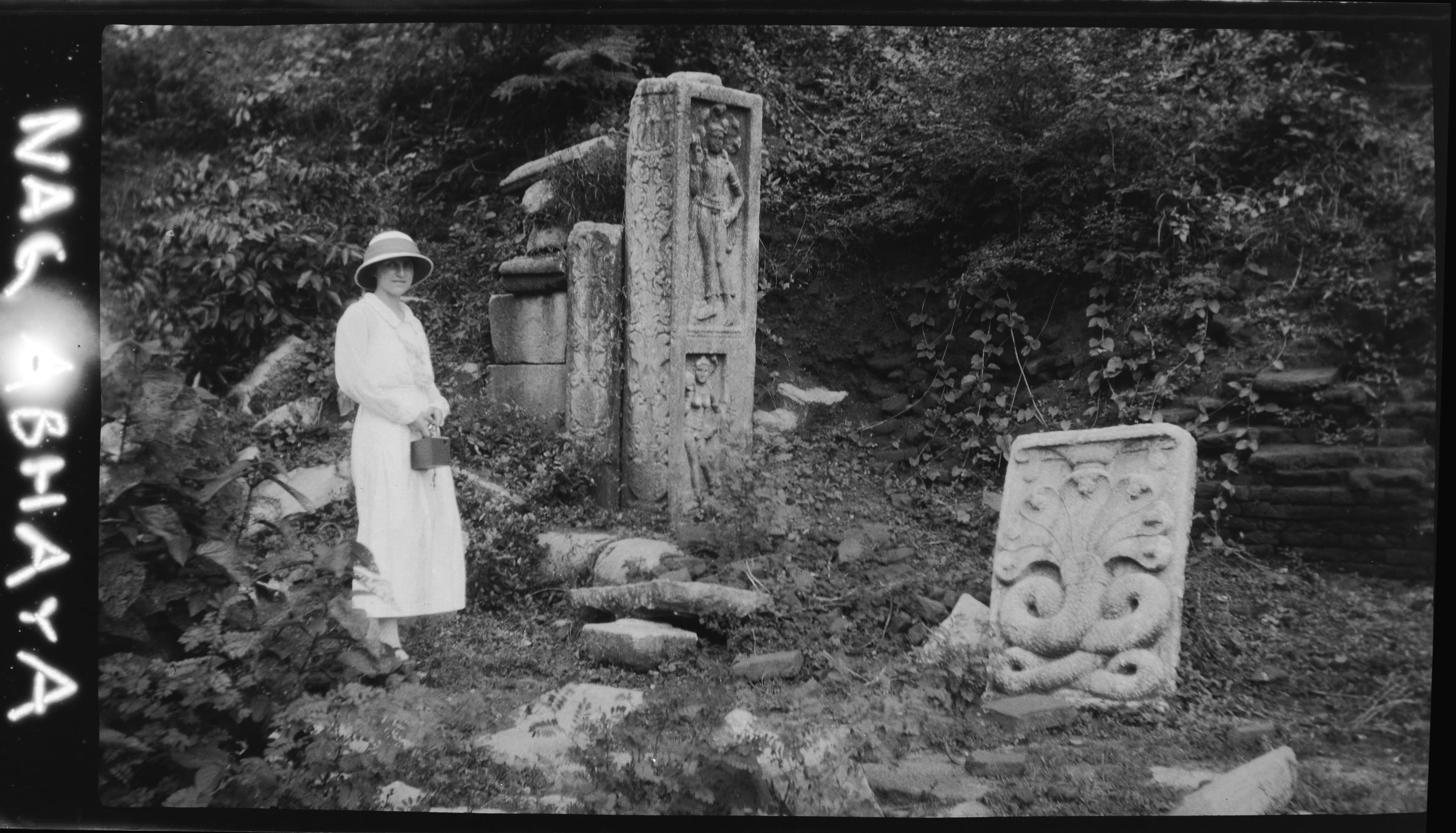
A sacred city where pilgrimage, stupas, monastery history, and the Bodhi tree tradition remain woven into everyday devotional life.

Dambulla Cave Temple
A living Buddhist cave-shrine complex where ritual movement is shaped by painting, sculpture, and the interior sequence of the caves.

Isurumuniya
A living rock temple where carved reliefs, boulders, and shrine interiors keep a more intimate side of Anuradhapura visible.
Mahabodhi Temple
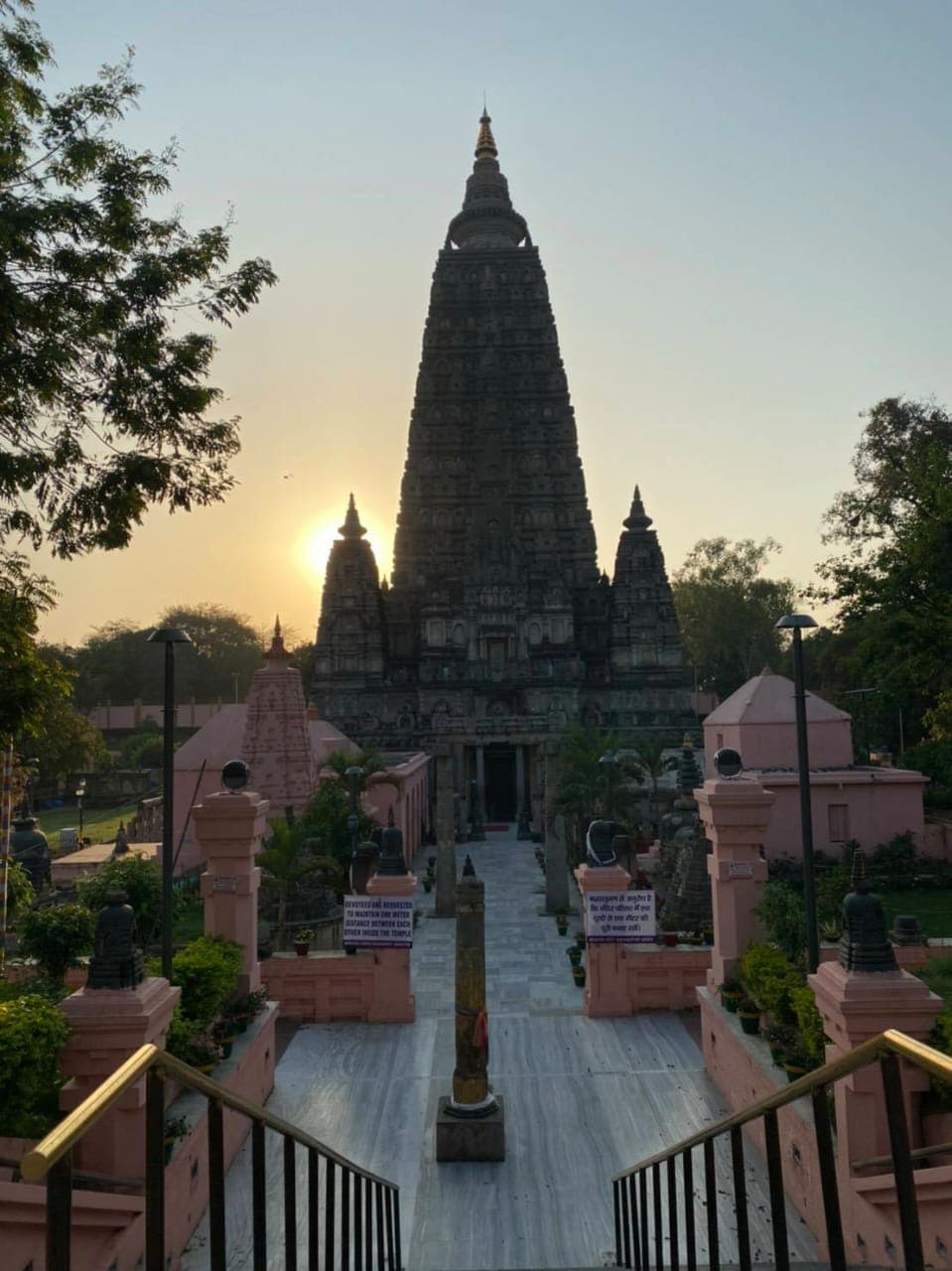
One of Buddhism's holiest pilgrimage sites, where enlightenment tradition and continuous devotional use are inseparable.
Keep exploring