Historical sanctuary

Gamla Uppsala

Uppsala, Sweden · Norse religion, Christianity · Sacred burial and ritual landscape

Gamla Uppsala matters here as a ritual and royal landscape rather than as one isolated mound, with burial monuments, political memory, temple tradition, and later Christian layers still sharing the same site.

Royal mounds at Gamla Uppsala in Uppsala, Sweden.
Photo by GrtekSourceCC BY-SA 3.0
GeographyEurope · Sweden · Nordics
TraditionNorse religion, Christianity
EvidenceHistorical sacred site
SeasonLate spring to autumn
AccessOpen heritage site with museum support

Visitor essentials

LocationUppsala, Sweden
Best seasonLate spring to autumn
AccessOpen heritage site with museum support
OrientationA royal and ritual center of old Scandinavia where mounds, church, and temple memory still occupy the same ridge.
Official informationCurrent visitor information
Route valueBest used inside Nordics rather than as a disconnected stop.

What stands out

Wikidata and Commons help anchor the entity and visible mound complex, but Gamla Uppsala is strongest when read as a ritual landscape rather than as one surviving temple ruin.

Scope note

Keep in view

Keep Gamla Uppsala framed as one sacred landscape of mounds, assembly, and religious memory, not only as a legendary temple story or a church stop.

At a glance

Before you visit

A royal and ritual center of old Scandinavia where mounds, church, and temple memory still occupy the same ridge

What it isGamla Uppsala matters here as a ritual and royal landscape rather than as one isolated mound, with burial monuments, political memory, temple tradition, and later Christian layers still sharing the same site.
Why it mattersThe official Gamla Uppsala museum describes the site as one of Sweden's most important historical environments and as an ancient political and religious center, which is the core reason it belongs here as a sacred landscape.
ContextThe official museum is the strongest authority trail here because it names the site directly as a political and religious center and interprets the landscape as a whole.
Visiting todayThe site reads best when the museum, burial mounds, church, and wider ridge are approached as one ceremonial landscape instead of separate attractions.
Best time to goBest season is Late spring to autumn.
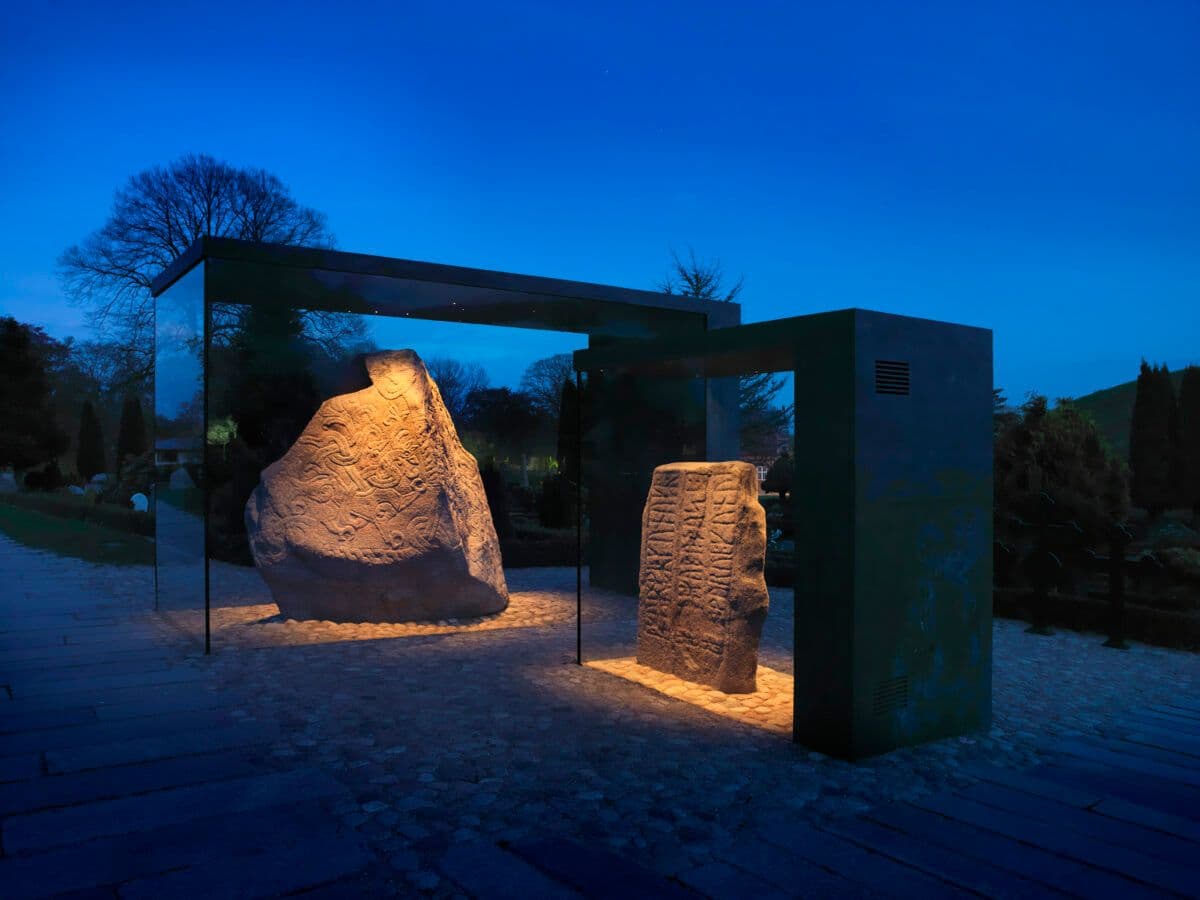
How it fits a routeTreat Nordics as the main cluster and combine this stop with Jelling Mounds, Runic Stones, and Church instead of isolating it from the wider sacred geography.

Why it matters

The official Gamla Uppsala museum describes the site as one of Sweden's most important historical environments and as an ancient political and religious center, which is the core reason it belongs here as a sacred landscape.

That framing matters because it keeps the royal mounds, temple memory, and later church on one connected ridge instead of splitting them into unrelated historical layers.

Respect notes

Lead with the whole ritual landscape, because Gamla Uppsala's meaning depends on mound, hall-memory, and church continuity being read together.
Keep a clear uncertainty boundary around the famous temple tradition while still acknowledging that the site was a major religious center in the historical record.

Visiting notes

A slower visit matters because the sacred logic of the place is distributed across burial mounds, church, and surrounding landscape rather than concentrated in one building.
The museum is unusually useful here because it helps keep archaeology, religion, and later memory connected instead of turning the site into anonymous earthworks.

Story and context

History and sacred context

The official museum is the strongest authority trail here because it names the site directly as a political and religious center and interprets the landscape as a whole.

Sources

  • Official websiteOfficial sitePrimary visitor-facing site for current access and institutional context.
  • Wikidata entryWikidataEntity anchor for Gamla Uppsala in Sweden.
  1. Gamla Uppsala museumUpplandsmuseet · Official siteOfficial museum page describing Gamla Uppsala as an important political and religious center.Accessed 2026-04-28
  2. Gamla Uppsala (Q433032)Wikidata · Entity referenceEntity anchor for Gamla Uppsala in Sweden.Accessed 2026-04-28
  3. Category:Gamla UppsalaWikimedia Commons · Media sourceVisual context for the burial mounds, church, and site landscape.Accessed 2026-04-28
  4. Gamla Uppsala - UpplandsmuseetUpplandsmuseet · Official siteOfficial museum page describing Gamla Uppsala as Sweden's religious center before Christianization and linking the mounds to the broader sacred landscape.Accessed 2026-04-28

Nearby places

Nearby sacred places in Nordics
Keep exploring

Explore more